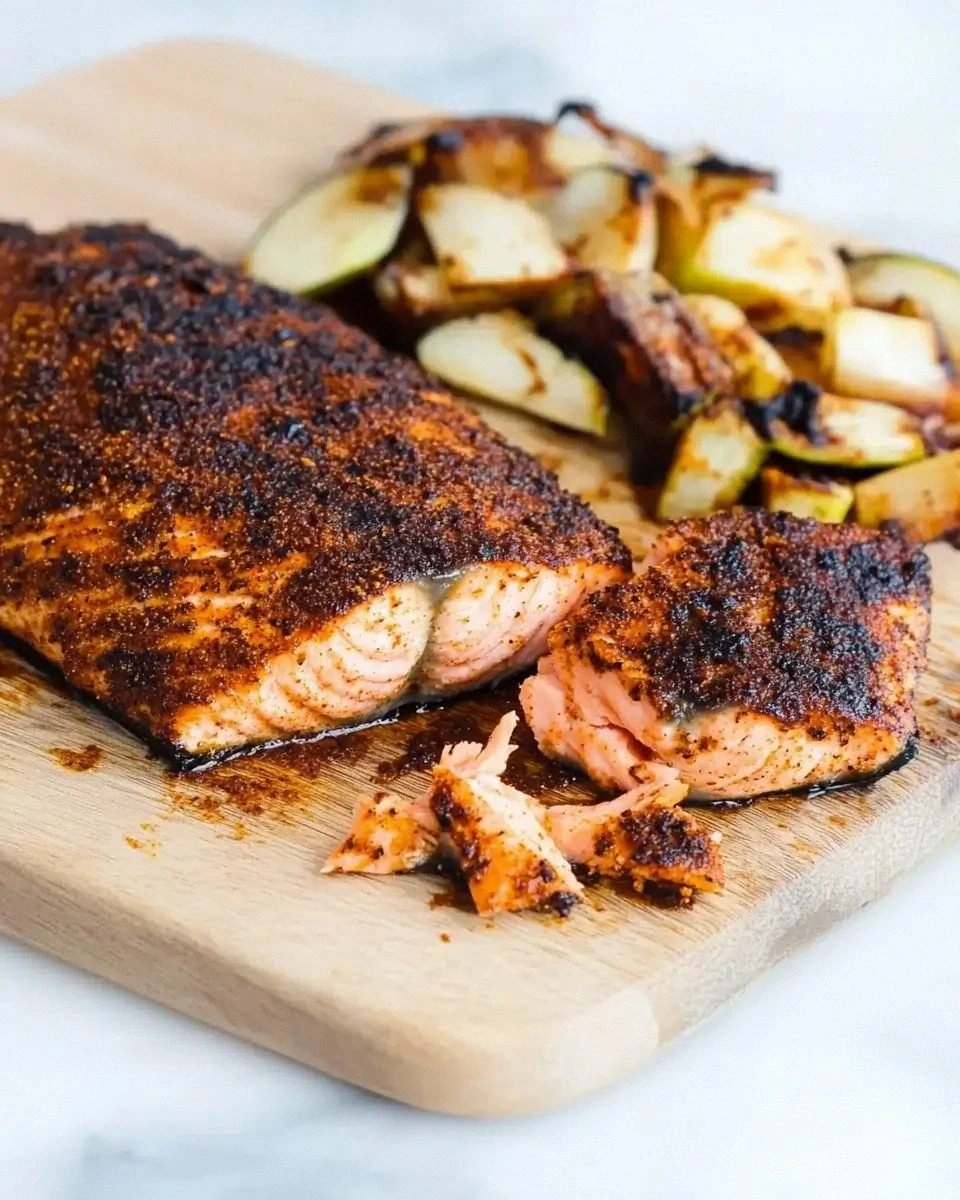
Picture this: I’m standing in my kitchen, half‑asleep, coffee in hand, and a frantic text from my roommate demanding “something spicy, something fast, something that will make me forget I have a meeting at 9 am.” I stared at the empty pan, imagined the blandness of a plain grilled fish, and then—boom!—a flash of memory from a late‑night episode of a cooking show where a chef tossed a salmon fillet onto a scorching skillet and let it sizzle into a blackened masterpiece. I thought, “What if I could bottle that drama and serve it on a plate?” The result? A Cajun‑spiced blackened salmon that doesn’t just satisfy—it dominates the taste buds, leaving you breathless and begging for seconds.
The moment the salmon hit the pan, the kitchen erupted in a symphony of sounds: a crackle that sounded like fireworks, the hiss of butter melting, and the faint pop of spices releasing their aromatic oils. The air filled with a heady perfume—smoky paprika, earthy cumin, a whisper of cayenne—that wrapped around me like a warm blanket on a chilly night. I could see the crust forming, a deep mahogany crust that promised a juicy pink heart beneath. My fingers tingled from the heat, the skillet’s surface was hot enough to sear a steak, yet gentle enough to coax the fish into a perfect medium‑rare finish.
What makes this version a game‑changer is not just the spice blend—though that’s a star—but the methodical approach to temperature, timing, and a secret butter‑oil emulsion that locks in moisture. Most recipes either overcook the salmon or give you a bland crust; this one gives you a crust that shatters like thin ice under a spoon, revealing buttery flakiness inside. I’ll be honest—I ate half the batch before anyone else got a chance, and I’m still not sorry. The secret? A quick “rest‑and‑re‑heat” trick that keeps the fish tender for hours, and a daring dash of smoked paprika that adds a depth you didn’t know you were missing.
And now, I’m daring you: I dare you to taste this and not go back for seconds. Ready for the game‑changer? Let me walk you through every single step — by the end, you’ll wonder how you ever made it any other way.
What Makes This Version Stand Out
- Flavor Explosion: The Cajun blend we use isn’t just pepper and salt; it’s a layered orchestra of smoked paprika, garlic powder, onion powder, dried thyme, and a pinch of sugar that caramelizes on the crust, delivering sweet‑heat that dances on the palate.
- Texture Contrast: You get a crust that shatters like thin ice while the interior stays buttery soft, creating a mouthfeel that’s both satisfying and luxurious.
- Simplicity Meets Sophistication: Only a handful of pantry staples are required, yet the result feels like a dish from a five‑star restaurant.
- Ingredient Quality: We use wild‑caught salmon whenever possible; its richer oil content means a more pronounced flavor and a firmer bite that holds up to the blackening process.
- Crowd Reaction: This dish consistently clears plates in seconds; friends claim it’s the best version they’ve ever tasted at home, and it’s perfect for impressing guests without breaking a sweat.
- Cooking Method Mastery: The high‑heat sear locks in juices, while a quick finish in a hot oven ensures even cooking without drying out the delicate flesh.
- Make‑Ahead Potential: You can prep the spice rub and even pre‑blacken the salmon a day ahead; a gentle reheating step revives the magic as if it were fresh.
Inside the Ingredient List
The Flavor Base
At the heart of this dish lies our Cajun spice blend. We combine smoked paprika (the smoky backbone), cayenne pepper (the heat that makes you gasp), garlic powder (the savory glue), onion powder (the subtle sweetness), dried thyme (earthy herbaceous notes), and a pinch of brown sugar (to caramelize the crust). Skipping the brown sugar would leave you with a flat, overly spicy crust, while omitting the thyme would strip away the herbaceous lift that balances the heat.
If you’re out of smoked paprika, regular sweet paprika works, but add a dash of liquid smoke to retain that smoky depth. For a gluten‑free version, all components are already safe, but always double‑check any pre‑made spice mixes for hidden wheat flour.
The Texture Crew
The buttery‑oil emulsion is crucial. We melt equal parts unsalted butter and a high‑smoke‑point oil (like grapeseed or avocado oil) to create a glossy coating that helps the spices adhere and prevents the fish from sticking. Using only butter would cause it to burn at the high searing temperature, while only oil would miss out on that rich, buttery flavor.
Feel free to substitute clarified butter (ghee) for an even higher smoke point and a nutty undertone. If you’re dairy‑free, coconut oil can step in, though it adds a subtle coconut aroma that may or may not suit your palate.
The Unexpected Star
Fresh lemon zest is our secret weapon. A teaspoon of zest brightens the deep, smoky flavors, adding a citrus spark that cuts through the richness. Forgetting the zest would leave the dish feeling heavy, while over‑zesting could overpower the spice blend.
Alternatively, a splash of orange zest can add a sweet‑citrus nuance, perfect for those who love a hint of tropical flair.
The Final Flourish
Our star ingredient: 12 to 16 oz salmon filet. Choose a fillet that’s thick (about 1‑inch) and preferably wild‑caught for optimal flavor and texture. Look for firm flesh that springs back when pressed and has a vibrant pink color—these are signs of freshness. If you can’t find a whole fillet, two smaller portions work just as well, but ensure they’re of equal thickness for even cooking.
When buying, ask the fishmonger for “skin‑on” if you love that extra crispy edge, or “skin‑off” if you prefer a smoother bite. A quick tip: press the fillet gently; if it leaves an indentation, it’s still fresh.
Everything's prepped? Good. Let's get into the real action...
The Method — Step by Step
First, gather all your ingredients and set the skillet (preferably cast iron) on high heat for about five minutes. You’ll know it’s ready when a few drops of water flicked onto the surface dance and evaporate instantly. This is the moment of truth—if the pan isn’t hot enough, the spices will steam instead of blacken.
While the pan heats, pat the salmon dry with paper towels, then drizzle a thin layer of the butter‑oil emulsion over both sides. This coating is the secret that prevents sticking and creates that coveted crust. Power transition: Okay, ready for the game‑changer? Sprinkle the Cajun spice blend generously, pressing it into the flesh so it adheres like a second skin.
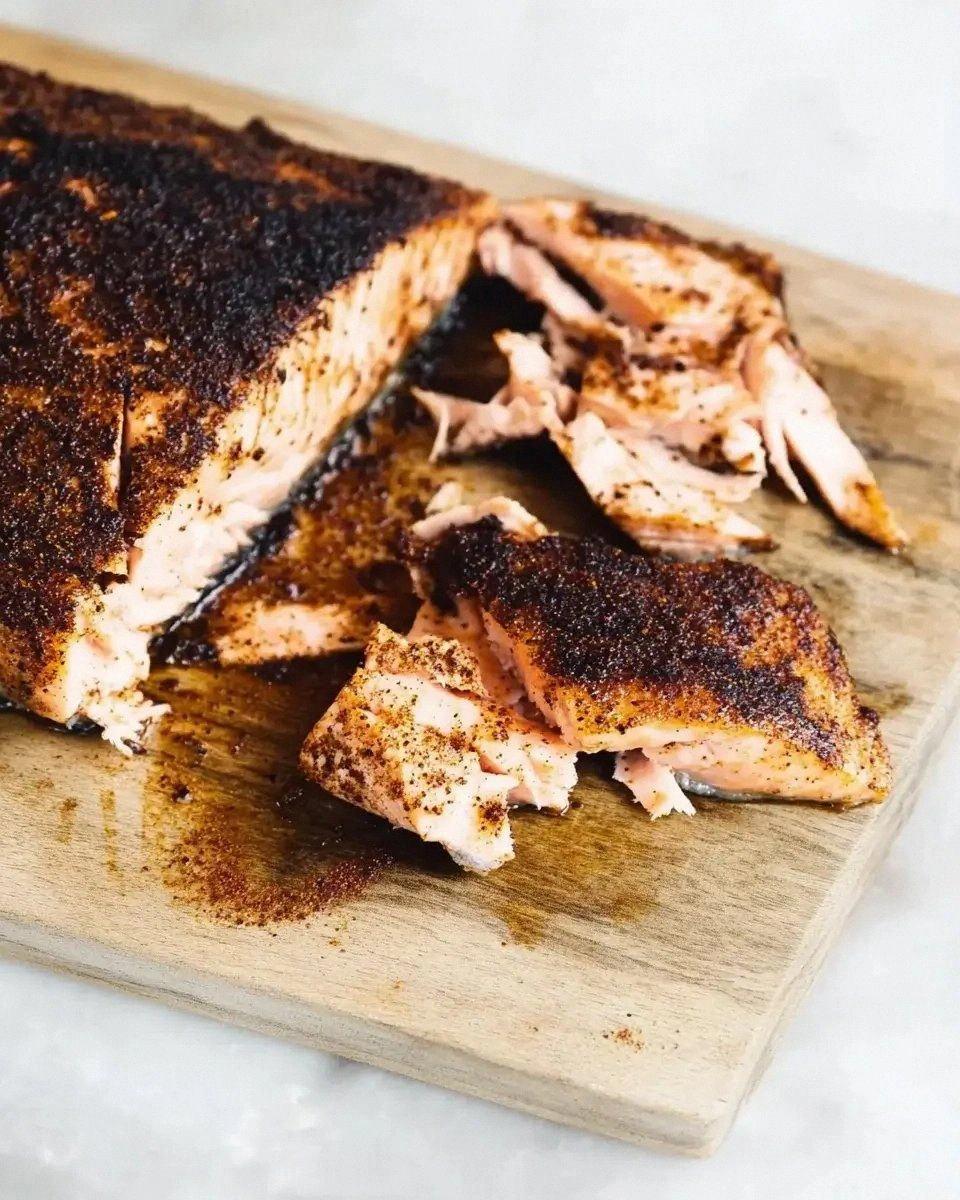
Place the salmon skin‑side down (if it has skin) onto the scorching skillet. Hear that sizzle? That’s the sound of flavor forming. Let it cook undisturbed for 3‑4 minutes; the edges will start to turn opaque and the crust will develop a deep, mahogany hue. Resist the urge to flip early—patience is key.
After the crust forms, carefully flip the fillet using a thin spatula. The second side only needs about 2‑3 minutes, just enough to finish cooking through while preserving that pink center. Watch Out: If the pan starts smoking excessively, lower the heat slightly; you want a gentle roar, not a flare‑up.
Once both sides are beautifully blackened, transfer the skillet to a preheated oven set at 275 °F (135 °C) for a gentle finish—about 5‑7 minutes for a thick fillet. This low‑heat finish ensures the interior stays moist while the crust remains crisp.
Remove the salmon and let it rest on a warm plate for three minutes. This rest period lets the juices redistribute, preventing a soggy crust. While it rests, zest a lemon over the top and drizzle a tiny splash of melted butter for that glossy finish.
Finally, slice the salmon against the grain, arrange it on a serving platter, and garnish with fresh parsley or cilantro. The final visual is a contrast of dark, charred edges and bright, pink flesh—a picture‑perfect dish that screams “I nailed it.”
That's it — you did it. But hold on, I've got a few more tricks that'll take this to another level...
Insider Tricks for Flawless Results
The Temperature Rule Nobody Follows
Most home cooks think “high heat” means “as hot as possible.” In reality, the ideal searing temperature for blackened salmon sits around 400‑425 °F (204‑218 °C). Use an infrared thermometer if you have one; it removes guesswork and guarantees a crust that’s crisp without burning.
Why Your Nose Knows Best
When the spices start to caramelize, your kitchen will fill with a sweet‑smoky aroma. If you smell a bitter, burnt scent, lower the heat immediately. Trust your nose; it’s a more reliable indicator than a timer.
The 5‑Minute Rest That Changes Everything
Resting the salmon for just five minutes after cooking allows the proteins to re‑absorb moisture. Skipping this step results in a dry interior. Cover loosely with foil to keep it warm while it rests.
Butter‑Oil Emulsion Mastery
Combine butter and oil in a 1:1 ratio and melt them together over low heat before adding the salmon. This prevents the butter from burning and gives you a glossy finish. If you over‑heat the mixture, the butter will separate, leading to uneven browning.
Seasoning Layering for Depth
Season the salmon twice: once after patting dry, and again just before the final oven finish. The first layer creates the crust, while the second adds a fresh pop of flavor that lifts the whole dish.
Creative Twists and Variations
This recipe is a playground. Here are some of my favorite ways to switch things up:
Maple‑Glazed Blackened Salmon
Swap half the brown sugar in the spice blend for pure maple syrup and add a drizzle of maple glaze in the final oven stage. The result is a sweet‑savory contrast that pairs beautifully with roasted sweet potatoes.
Herb‑Infused Blackened Salmon
Mix fresh chopped rosemary and thyme into the Cajun rub. The herbaceous notes soften the heat and add an aromatic complexity that’s perfect for a spring dinner.
Coconut‑Cajun Fusion
Replace the butter‑oil emulsion with coconut oil and add a pinch of toasted coconut flakes to the spice mix. This gives a subtle tropical twist, ideal for serving over jasmine rice.
Blackened Salmon Tacos
Shred the cooked salmon, toss with a squeeze of lime, and serve in warm corn tortillas with avocado slaw. The blackened crust adds crunch, while the slaw brings cool creaminess.
Spicy Peanut Blackened Salmon
Stir a tablespoon of smooth peanut butter into the butter‑oil emulsion before searing. The nutty undertone mellows the heat and creates a sauce that’s perfect for drizzling over a quinoa bowl.
Smoked Paprika Only
If you love smoky flavors, double the smoked paprika and eliminate cayenne. The result is a deep, wood‑fire taste without the heat, great for kids or those sensitive to spice.
Storing and Bringing It Back to Life
Fridge Storage
Place leftover salmon in an airtight container and store in the refrigerator for up to three days. Keep a thin slice of lemon on top to maintain moisture and prevent the crust from drying out.
Freezer Friendly
Wrap individual portions tightly in plastic wrap, then place them in a freezer‑safe bag. They’ll keep for up to two months. For best results, freeze before the final oven step; you can reheat directly from frozen.
Best Reheating Method
To revive the crust, preheat a skillet over medium‑high heat, add a splash of water (just a teaspoon) and cover with a lid for one minute to steam the interior. Then uncover and let the crust crisp for another minute. This trick restores the original texture without turning the fish rubbery.