I remember the night I tried to impress my roommate with a quick dinner and ended up with a burnt chicken filets and a sad, limp bunch of asparagus. The kitchen smelled like regret and burnt oil, and I was staring at the stove like a detective at a crime scene. That disaster sparked a quest to find the perfect stir‑fry that would make even a culinary novice feel like a master chef. I spent hours combing through forums, watching videos, and taste‑testing until I landed on a version that balances bright, umami‑rich sauce with a crisp, tender vegetable texture. This is not just another recipe; it’s a culinary revelation that turns an ordinary night into a memorable feast. The secret? A surprising ingredient that elevates the flavor profile and a technique that ensures the chicken stays juicy while the asparagus stays vibrant.
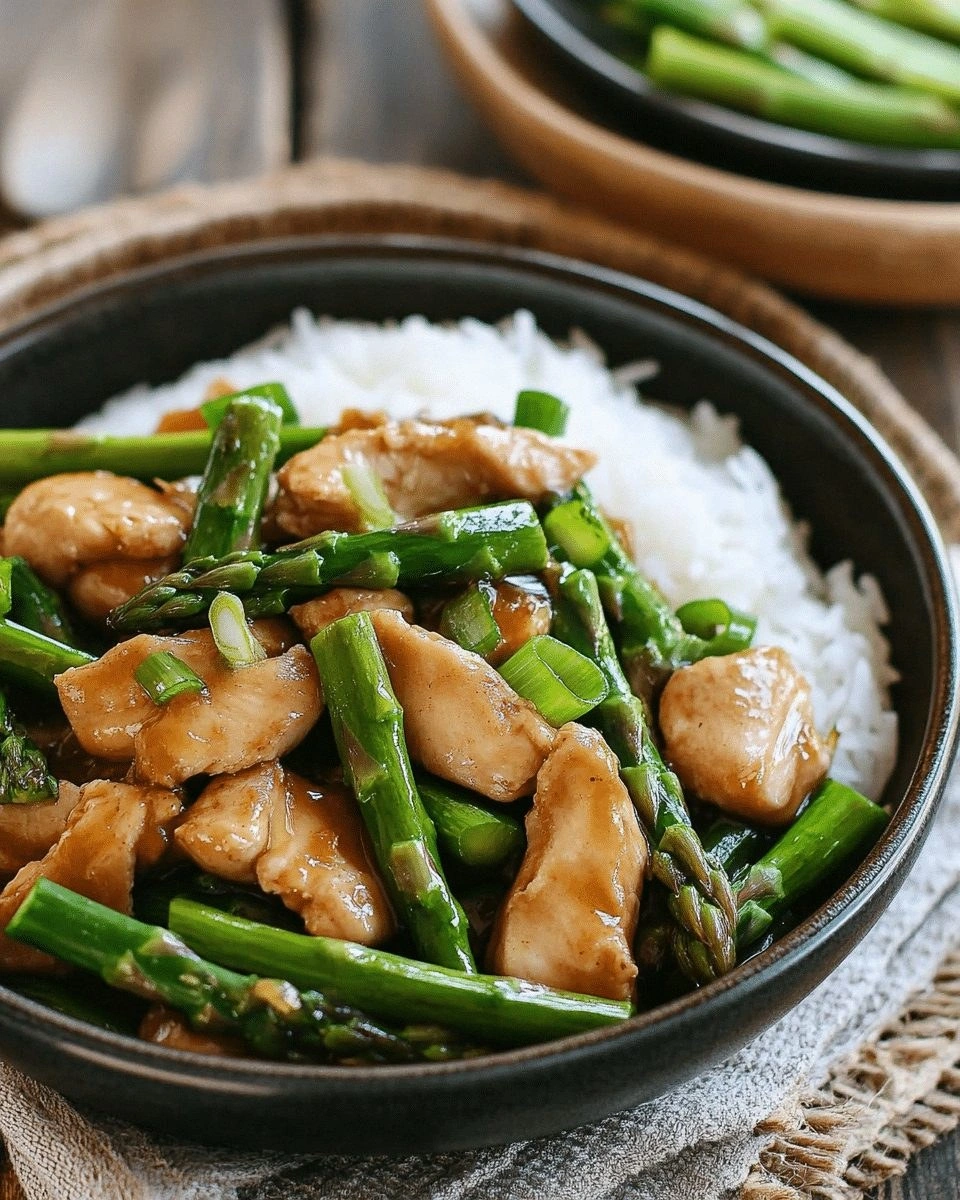
Picture this: you’re chopping asparagus in a rhythm that feels almost meditative, the green spears glinting under the kitchen light. The air fills with the sharp, fresh scent of garlic and ginger, and as you toss the aromatics into a hot pan, a satisfying sizzle erupts like applause. The sauce, a glossy blend of soy, oyster, and sesame, coats each piece like velvet, creating a sheen that glistens under the stove’s glow. The heat is just right—enough to caramelize the edges of the asparagus without turning it mushy, giving you that perfect snap that crackles like a fresh snow crunch. By the time you plate it, the aroma is so enticing that the entire house starts to buzz with anticipation. It’s a sensory experience that turns cooking into a performance and eating into applause.
I dare you to taste this and not go back for seconds. Most recipes get this completely wrong by overcooking the chicken or letting the asparagus wilt, but this version keeps everything crisp and flavorful. The sauce’s balance of salty, sweet, and umami is engineered to cling to every bite, ensuring each mouthful is a burst of savory delight. The crunch of fresh asparagus meets the tender bite of chicken, creating a textural contrast that keeps your palate engaged. The finish is a subtle, nutty hint from sesame oil that lingers long after the last forkful. This is hands down the best version you'll ever make at home, and I’m about to walk you through every single step so you can replicate this magic in your own kitchen.
If you've ever struggled with a stir‑fry that ends up soggy or over‑seasoned, you're not alone—and I've got the fix. The technique here is simple yet precise: a high‑heat sear for the chicken, a quick blanch for the asparagus, and a sauce that’s thickened just enough to cling without weighing down the ingredients. I’ll reveal a trick that lets you keep the sauce glossy and the vegetables crisp, even when you’re juggling a busy schedule. Picture yourself pulling this dish out of the pan, the whole kitchen smelling incredible, and the plate looking like a work of culinary art. Ready to see how the magic happens? Let’s dive in.
What Makes This Version Stand Out
- Flavor: The sauce is a masterful blend of soy, oyster, and sesame that coats each piece like velvet, delivering a punch of umami that lingers on the tongue.
- Texture: The chicken stays juicy and slightly charred, while the asparagus retains a crisp snap that shatters like thin ice.
- Speed: Every step is designed for maximum efficiency—prep in 10 minutes, cook in 15, and you’re ready to serve.
- Visual Appeal: The glossy sauce, vibrant green asparagus, and golden‑brown chicken create a plate that looks as good as it tastes.
- Health: Lean protein, low carb, and plenty of vegetables make this dish a balanced choice for any meal.
- Flexibility: Swap the protein or add a splash of citrus for a different flavor profile—this recipe adapts to whatever you have on hand.
- Crowd‑Pleaser: Even the pickiest eaters will love the crunchy texture and savory sauce that never feels heavy.
- Make‑Ahead Friendly: The dish can be prepared ahead and reheated without losing its freshness or flavor.
Alright, let's break down exactly what goes into this masterpiece…
Inside the Ingredient List
The Flavor Base
Soy sauce, the cornerstone of any good stir‑fry, provides that deep, savory foundation. It’s the salty backbone that lets the other flavors shine without overpowering them. If you’re watching sodium, opt for low‑sodium soy for a lighter touch. A pinch of sugar balances the salt, creating a subtle sweetness that rounds out the dish. In this recipe, the soy sauce is paired with oyster sauce, which adds a silky, slightly sweet umami that enriches the sauce’s depth.
The Texture Crew
The asparagus is the star of the vegetable world in this dish. Its bright green color and crisp bite make it the perfect companion to the tender chicken. Trim the woody ends to ensure even cooking and avoid a rubbery texture. A quick blanch before the final stir‑fry locks the color and gives the spears a tender‑crisp feel. The chicken breast is sliced thinly to promote quick cooking and moisture retention, preventing it from drying out.
The Unexpected Star
Sesame oil is the unsung hero that adds a nutty aroma and a glossy sheen to the sauce. It’s a small amount but delivers a big flavor punch. The sesame seeds sprinkled on top add a crunchy contrast and a visual pop. If you’re vegan, simply replace the sesame oil with a neutral oil and use a vegan oyster sauce alternative.
The Final Flourish
Green onions and chili flakes finish the dish with a fresh, zesty kick. The green onions provide a bright, oniony note that cuts through the richness, while the chili flakes introduce a subtle heat that awakens the palate. A splash of rice vinegar at the end brightens the sauce, adding a refreshing citrusy note. If you prefer a sweeter profile, a teaspoon of honey or maple syrup can replace the sugar for a more natural sweetness.
Everything's prepped? Good. Let's get into the real action…
The Method — Step by Step
- Heat a wok or large skillet over high heat until it’s smoking. Add 1 tablespoon of vegetable oil, swirling to coat the surface. As soon as the oil shimmers, add the chicken strips. Sear them for 2–3 minutes, letting them develop a golden brown crust before flipping. The goal is a quick sear that locks in juices, preventing the chicken from becoming rubbery.
- Once the chicken is browned, remove it from the pan and set aside. In the same pan, add 1 tablespoon of sesame oil, then toss in minced garlic and ginger. Stir quickly for 30 seconds, watching for that aromatic perfume that signals readiness. Avoid letting the aromatics burn—once they’re fragrant, they’re ready to be removed.
- Add the asparagus to the pan. Toss it around for 2 minutes, letting the edges brown slightly. The asparagus should still retain a bright green hue and a firm bite. If you prefer a softer texture, cook for an additional minute, but be careful not to overcook.
- Return the chicken to the pan. Pour in 3 tablespoons of soy sauce, 2 tablespoons of oyster sauce, 1 tablespoon of rice vinegar, and a teaspoon of sugar. Stir everything together, ensuring the sauce coats the ingredients evenly. The sauce should thicken slightly—if it’s too thin, proceed to the next step.
- In a small bowl, whisk 1 tablespoon of cornstarch with 2 tablespoons of cold water to create a slurry. Pour this into the pan, stirring constantly. The sauce should thicken to a glossy, clingy consistency that coats the chicken and asparagus. This step is crucial for preventing a watery mess.
- Add a pinch of chili flakes if you like heat. Toss in 2 tablespoons of sesame seeds and the sliced green onions. Give everything one final stir, ensuring the seeds are distributed evenly. This is the moment of truth—your dish should look vibrant, the sauce should shine, and the aroma should be intoxicating.
- Serve immediately over steamed rice or quinoa. Garnish with a few extra sesame seeds if desired. The dish is best enjoyed hot, with the vegetables still crisp and the sauce still glossy. If you’re a fan of a little extra crunch, add a handful of toasted cashews or almonds on top.
That's it — you did it. But hold on, I've got a few more tricks that'll take this to another level…
Insider Tricks for Flawless Results
The Temperature Rule Nobody Follows
High heat is the secret sauce for a great stir‑fry. If the pan isn’t hot enough, the chicken will steam instead of sear, and the vegetables will release water. Use a thermometer to aim for 400°F (200°C). If you’re using a non‑stick pan, preheat it for 5 minutes before adding oil. The right temperature ensures a caramelized exterior while preserving the interior’s moisture.
Why Your Nose Knows Best
The aroma of garlic and ginger sizzling is a cue that the flavor base is ready. If the smell is sharp and bitter, the aromatics have burned. If it’s sweet and mild, they’re under‑cooked. Trust your nose; it’s the most reliable indicator that the timing is perfect. A well‑aromated base sets the stage for a sauce that sings.
The 5‑Minute Rest That Changes Everything
After cooking, let the dish rest for 5 minutes before plating. This allows the flavors to meld and the sauce to thicken slightly, creating a more cohesive taste. It also gives the asparagus a chance to firm up, preventing it from becoming mushy. A quick rest is a small step that makes a huge difference.
Avoiding the “Too Much Water” Problem
If the pan starts to steam instead of sear, immediately add a splash of hot water and stir vigorously. This will bring the temperature back up and prevent the vegetables from becoming soggy. Alternatively, reduce the sauce volume slightly to avoid excess liquid.
The Secret to a Glorious Sauce
The cornstarch slurry is key to achieving a glossy, clingy sauce. Stir constantly while adding the slurry to avoid clumping. If the sauce thickens too quickly, add a splash of water to loosen it. A perfectly thick sauce will coat the chicken and asparagus without dripping.
When to Toss in the Green Onions
Add green onions at the very end to preserve their bright flavor and color. If you add them too early, they’ll wilt and lose their crispness. A final sprinkle of fresh green onions adds a pop of freshness that balances the richness of the sauce.
Creative Twists and Variations
This recipe is a playground. Here are some of my favorite ways to switch things up:
Crispy Tofu Version
Replace the chicken with firm tofu cubes. Press the tofu to remove excess moisture, then pan‑fry until golden before adding the sauce. The tofu absorbs the flavors beautifully, making a vegetarian option that’s still hearty.
Spicy Szechuan Twist
Add 1 teaspoon of Szechuan peppercorns and a tablespoon of chili oil to the sauce. The peppercorns give a numbing heat, while the chili oil adds depth and a smoky note. This version is perfect for those who love bold, fiery flavors.
Citrus Burst Variation
Swap the rice vinegar for fresh lime juice and add a tablespoon of orange zest. The citrus brightens the dish and creates a refreshing contrast to the savory sauce. This is a great option for a summer meal.
Mushroom Medley
Add sliced shiitake or button mushrooms to the pan with the asparagus. The mushrooms soak up the sauce and add an earthy depth that pairs wonderfully with the chicken. This variation is a great way to incorporate more umami.
Thai Peanut Variation
Replace the soy sauce with a mixture of fish sauce and a tablespoon of peanut butter. Add a splash of coconut milk for creaminess. Finish with crushed peanuts and fresh cilantro. This version turns the dish into a Thai‑inspired delight.
Storing and Bringing It Back to Life
Fridge Storage
Store leftovers in an airtight container in the refrigerator for up to 3 days. The sauce may thicken upon cooling, but it will reheat easily. When reheating, add a splash of water or broth to loosen the sauce and restore its glossy sheen.
Freezer Friendly
This dish freezes well for up to 2 months. Separate the sauce and vegetables before freezing to maintain texture. When reheating, thaw overnight in the refrigerator, then microwave or stir‑fry gently to warm through. A quick splash of water will help rehydrate the asparagus.
Best Reheating Method
The best way to reheat is to use a skillet over medium heat. Add a tablespoon of oil and the dish, stirring frequently. If the sauce is too thick, add a tablespoon of water or broth to achieve the desired consistency. Reheat until steaming hot and the vegetables regain their crispness.