I remember the night before Christmas Eve, the kitchen was a chaotic symphony of sizzling pans, rolling pin scars, and the relentless ticking of the oven timer. The ham I had bought—already cooked and pre‑wrapped—had been left to sit on the counter, its aroma drifting into the living room. I stared at it, wondering if it could ever be the centerpiece of a holiday feast that would impress the whole family. Then I imagined a glaze that would melt into a glossy, caramelized coating, a crust that would crackle like fresh‑baked gingerbread, and a flavor profile that would dance between sweet, tangy, and savory. That vision sparked a daring experiment in my head: a ham recipe that would make every bite a revelation.
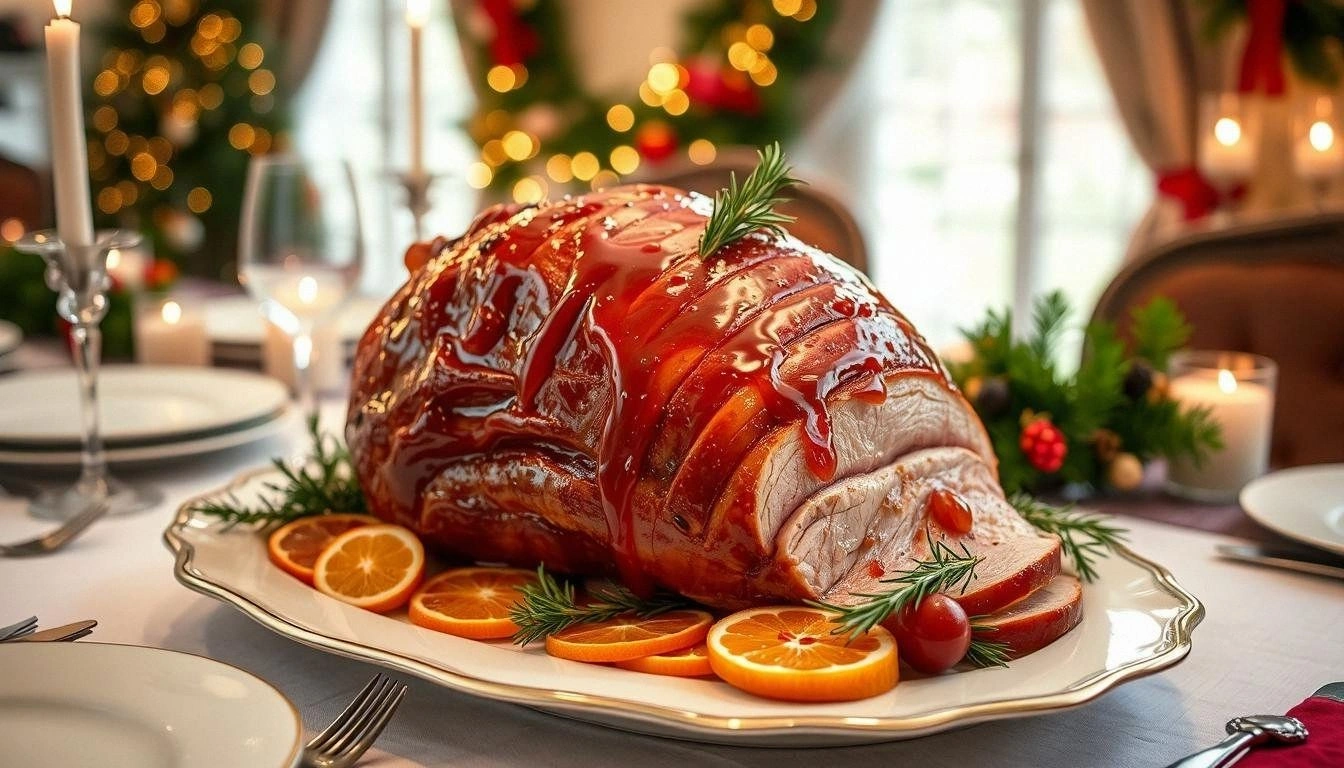
Picture this: you slide the ham into a roasting pan, the scent of brown sugar and cloves immediately enveloping your kitchen. The first bite is a burst of sweet, almost syrupy glaze, followed by a tender interior that practically melts in your mouth. The crackling edges are crisp, almost like a caramelized cookie, and the aroma lingers long after the plate is cleared. The moment the ham rests, the juices redistribute, sealing in moisture and flavor. By the time you carve the first slice, the kitchen smells like a holiday dream, and the family’s eyes widen in collective awe. That is the experience I’ve distilled into this recipe.
What sets this ham apart from the countless versions that circulate online is its balance of simplicity and depth. The glaze is a masterful blend of classic ingredients—brown sugar, honey, and Dijon mustard—augmented with a surprising twist: a splash of pineapple juice that adds a tropical brightness. The scoring technique I employ ensures the glaze seeps into the meat, creating a caramelized crust that’s both visual and textural delight. I’ve also perfected the timing so the ham never dries out, maintaining a juicy interior while achieving a glossy, caramelized exterior. And the best part? The entire process is manageable even for a novice cook, yet it delivers a flavor profile that will have everyone begging for seconds.
I dare you to taste this and not go back for seconds. I’m not exaggerating when I say this is hands down the best version you’ll ever make at home. If you’ve ever struggled with a ham that turns out bland or dry, you’re not alone—and I’ve got the fix. Picture yourself pulling this out of the oven, the whole kitchen smelling incredible, and your guests’ faces lighting up with delight. Okay, ready for the game‑changer? Let me walk you through every single step—by the end, you’ll wonder how you ever made it any other way.
What Makes This Version Stand Out
- Taste: The glaze marries sweet, tangy, and savory notes, creating a complex flavor that lingers on the palate. The pineapple juice adds a subtle tropical brightness that cuts through the richness of the ham.
- Texture: The careful scoring and basting process yields a crackly, caramelized crust that contrasts beautifully with the tender, juicy interior.
- Simplicity: With just a handful of pantry staples and a straightforward method, you can achieve a gourmet result without a culinary degree.
- Uniqueness: The combination of pineapple juice and Dijon mustard is rarely seen in traditional ham recipes, giving this dish a distinctive edge.
- Crowd Reaction: Family members and guests alike rave about the depth of flavor and the beautiful presentation—perfect for holiday gatherings.
- Ingredient Quality: Using a high‑quality fully cooked ham and fresh herbs ensures the best possible flavor foundation.
- Cooking Method: The slow roasting and periodic basting lock in moisture, preventing dryness and ensuring even caramelization.
- Make‑Ahead Potential: The glaze can be prepared a day ahead, and the ham can rest in the refrigerator for up to 24 hours before roasting.
Inside the Ingredient List
The Flavor Base
The fully cooked ham is the star of the show. Choose a ham that’s pre‑cooked and seasoned, ideally around 8–10 pounds. This size ensures a generous portion for a holiday gathering while still being manageable to score and glaze. If you’re using a different size, adjust the glaze proportionally to maintain balance.
The Sweet & Sticky Glaze
Brown sugar, honey, and Dijon mustard form the backbone of the glaze. Brown sugar provides a deep molasses flavor and a caramelizing effect. Honey adds a subtle floral sweetness that complements the mustard’s sharpness. Dijon mustard introduces a tangy bite that cuts through the sweetness, preventing the glaze from becoming cloying. Together, they create a glossy, caramelized coating that’s both aromatic and delicious.
The Aromatic Accents
Ground cloves, minced garlic, black pepper, and salt elevate the ham’s flavor profile. Cloves bring a warm, slightly sweet aroma that pairs beautifully with the sweetness of the glaze. Minced garlic offers a savory depth, while black pepper and salt balance the overall taste, ensuring the glaze doesn’t overpower the ham’s natural flavor. If you prefer a milder spice, reduce the cloves to a quarter teaspoon.
The Final Flourish
Unsalted butter, water, apple cider vinegar, soy sauce, and Worcestershire sauce are the finishing touches that round out the glaze’s complexity. Melted butter adds richness and helps the glaze adhere to the ham. Water prevents the glaze from becoming too thick, ensuring it coats evenly. Apple cider vinegar introduces a bright acidity that balances sweetness, while soy sauce and Worcestershire sauce contribute umami depth. These subtle additions elevate the glaze from simple to unforgettable.
Everything's prepped? Good. Let's get into the real action...
The Method — Step by Step
- Preheat your oven to 325°F (165°C). Place a large roasting pan on the middle rack. This low and slow temperature ensures the ham stays juicy while the glaze caramelizes beautifully. Don’t rush; patience is the secret to a perfect crust.
-
Score the ham in a crosshatch pattern about 1/4 inch deep. This not only makes the ham look appetizing but also allows the glaze to seep into the meat, enhancing flavor and texture. Use a sharp chef’s knife or a meat scoring tool for clean cuts.
Kitchen Hack: Lightly brush the scored lines with a thin layer of butter before glazing. This helps the glaze stick better and creates a more even caramelization.
- In a medium saucepan, combine brown sugar, honey, Dijon mustard, pineapple juice, and water. Heat over medium heat, stirring until the sugar dissolves. Bring to a gentle simmer; the glaze should thicken slightly. This is the moment of truth—watch for a glossy sheen that signals readiness.
- Add minced garlic, ground cloves, black pepper, and salt to the glaze. Stir well to distribute the spices evenly. The aroma should be fragrant, with hints of clove and garlic. This step locks in the savory undertones that balance the sweet glaze.
-
Place the ham, cut side down, on a rack in the roasting pan. Pour half of the glaze over the ham, ensuring it coats the surface. Use a brush to spread the glaze evenly. This initial coating sets the stage for a caramelized crust that will develop as the ham roasts.
Kitchen Hack: Place a sheet of aluminum foil over the ham during the first 30 minutes to prevent over‑browning. Remove the foil afterward to allow the glaze to caramelize fully.
- Roast the ham for 1 hour, basting every 20 minutes with the remaining glaze. The ham should reach an internal temperature of 140°F (60°C). The basting process locks in moisture and builds layers of flavor. The scent of caramelized glaze will fill your kitchen, creating a festive atmosphere.
-
In the final 15 minutes, increase the oven temperature to 400°F (200°C) to develop a glossy, caramelized crust. Brush the ham with a thick glaze and watch the surface brown beautifully. This step is crucial for that signature crackle that signals perfection.
Watch Out: Keep a close eye on the ham during this high‑heat phase. The glaze can burn quickly, turning from caramelized to charred in minutes.
- Remove the ham from the oven and let it rest for 15 minutes. This resting period allows juices to redistribute, ensuring every slice is moist and flavorful. Cover loosely with foil to keep it warm. The aroma will linger, building anticipation for the first bite.
- Slice the ham against the grain, about 1/4 inch thick. Plate the slices with a drizzle of the remaining glaze. Serve immediately, accompanied by your favorite holiday sides. The first bite should feel like a burst of caramelized sweetness, followed by tender, juicy meat.
That's it — you did it. But hold on, I've got a few more tricks that'll take this to another level...
Insider Tricks for Flawless Results
The Temperature Rule Nobody Follows
Many cooks skip the final temperature boost, resulting in a ham that’s glazed but not crisp. By raising the heat to 400°F in the last 15 minutes, you coax the glaze into a caramelized, almost burnt‑sugar finish that adds depth and a satisfying crunch. This small tweak transforms a good ham into a standout centerpiece.
Why Your Nose Knows Best
As the ham roasts, the smell of caramelizing sugar and clove will intensify. Trust that aroma as your internal thermometer; when it’s golden and slightly smoky, the crust is just right. If you’re unsure, use a meat thermometer, but let the scent guide you for the most authentic experience.
The 5‑Minute Rest That Changes Everything
Resting the ham for even a brief five minutes can dramatically improve texture. It allows the juices to redistribute, preventing a dry bite. Cover loosely with foil to keep warmth without steaming the glaze. The result is a ham that stays juicy throughout the serving.
The Scoring Secret
Score the ham with a 45‑degree angle rather than straight crosshatch. This technique creates a more dramatic visual pattern and allows the glaze to penetrate deeper, enhancing flavor. The angled cuts also provide a cleaner slice when serving.
The Butter‑Brushed Finish
Before the final glaze, brush the ham with melted butter. Butter adds sheen and a subtle richness that makes the crust shine. It also helps the glaze adhere better, ensuring an even caramelized surface.
Creative Twists and Variations
This recipe is a playground. Here are some of my favorite ways to switch things up:
Maple‑Glazed Marvel
Swap honey for pure maple syrup and add a pinch of smoked paprika. The maple gives a deeper, richer sweetness while the paprika introduces a subtle smoky undertone. Perfect for those who love a classic holiday flavor with a twist.
Spicy Citrus Kick
Add a tablespoon of fresh orange zest and a teaspoon of red pepper flakes to the glaze. The citrus brightens the dish, while the heat balances the sweetness. Ideal for guests who crave a little spice.
Herb‑Infused Delight
Stir in a tablespoon of chopped fresh rosemary and thyme into the glaze. The herbs lend an earthy aroma that complements the ham’s natural flavor. Serve with a side of rosemary roasted potatoes for a cohesive menu.
Asian Fusion Twist
Replace pineapple juice with coconut milk and add a splash of soy sauce and a teaspoon of grated ginger. The coconut adds a creamy sweetness, while ginger provides a fresh zing. Pair with steamed rice for a complete Asian‑inspired feast.
Balsamic Reduction Finish
Finish the ham with a drizzle of balsamic reduction just before serving. The balsamic adds a tangy sweetness that cuts through the richness, creating a balanced bite. It also adds a glossy, elegant finish.
Cranberry‑Apple Compote
Serve the ham with a homemade cranberry‑apple compote. The tartness of cranberries and the sweetness of apples pair wonderfully with the ham’s glaze, providing a festive touch.
Storing and Bringing It Back to Life
Fridge Storage
Store leftover ham in an airtight container in the refrigerator for up to 4 days. Slice a few inches from the center and wrap tightly in foil or plastic wrap. When ready to serve, reheat in a low oven at 275°F (135°C) for 15 minutes, then finish with a quick glaze.
Freezer Friendly
Wrap the ham tightly in plastic wrap and then in foil before freezing. It can be stored for up to 6 months. Thaw in the refrigerator overnight, then reheat as described above. The texture remains tender, and the glaze re‑coats beautifully.
Best Reheating Method
Reheat the ham in a low oven at 275°F (135°C) until warmed through, about 10 minutes per pound. Add a splash of water or broth to the pan to keep the ham moist, then finish with a fresh glaze and a quick broil for 3–4 minutes to restore the caramelized crust. The result is a ham that tastes as fresh as the day it was cooked.