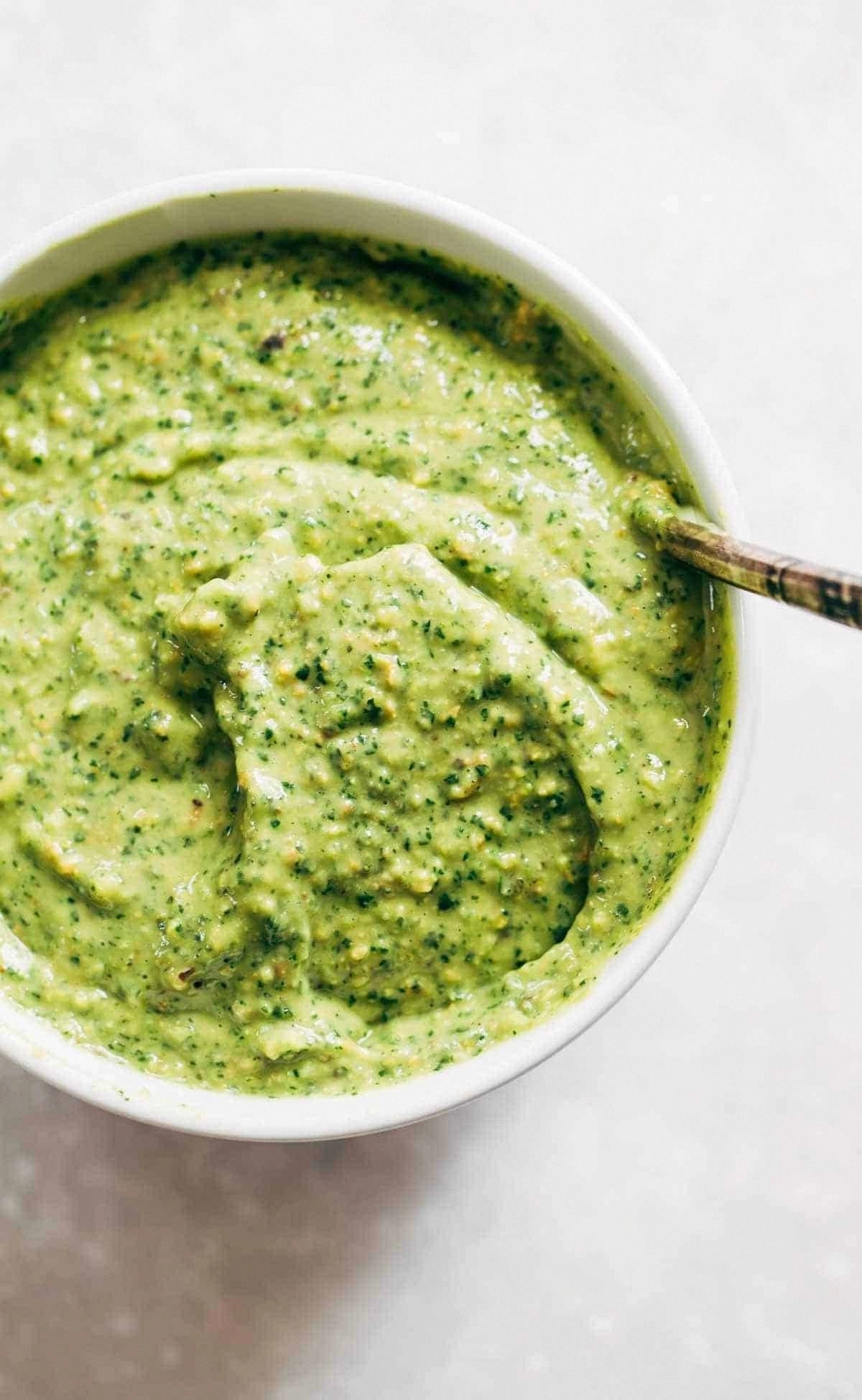
It all started on a Tuesday that felt like any other, until I realized I was staring at a half‑empty jar of cilantro and a sad, limp bunch of parsley that had spent the night on the counter. I was hungry, my fridge was whispering “make something quick,” and my friends had just dared me to create a sauce that could turn a bland piece of grilled chicken into a culinary fireworks show. I grabbed a handful of herbs, tossed in a few pantry staples, and set a timer for five minutes, because I was convinced that if I could finish a spreadsheet in that time, I could definitely conjure a sauce. The kitchen filled with a bright, herbaceous perfume that made my cat stare with reverence, and the first spoonful hit my tongue like a cool breeze on a summer afternoon—fresh, creamy, with a whisper of nuttiness that begged for more.
Now, imagine that same green elixir draped over roasted vegetables, folded into a sandwich, or used as a dip for crisped‑up pita chips. Most green sauces out there taste like a wilted garden or a bland puree that forgets the magic of texture. This version, however, is a game‑changer: it marries the silky smoothness of a traditional pesto with the zing of a chimichurri, all while staying under the five‑minute mark. I dare you to taste this and not go back for seconds, because once you’ve experienced that perfect balance of herb, acid, and crunch, you’ll understand why I’m calling it the best version you’ll ever make at home.
I’ll be honest — I ate half the batch before anyone else got a chance to try it, and that’s the only crime I’m willing to confess in this post. The secret? A splash of lemon juice that brightens the flavors like a spotlight on a stage, and a handful of walnuts that add a subtle earthiness without overpowering the freshness. Most recipes get the ratios completely wrong, either drowning the herbs in oil or skimping on the acid, but I’ve cracked the code with a precise, yet forgiving, ingredient list that you can tweak on the fly.
Picture yourself pulling a bowl of this vibrant sauce out of the blender, the whole kitchen smelling like a Mediterranean garden at sunrise, the green color so vivid it could almost be a work of art. Okay, ready for the game‑changer? Let me walk you through every single step — by the end, you’ll wonder how you ever made it any other way.
What Makes This Version Stand Out
- Flavor Explosion: The combination of parsley, cilantro, and lemon creates a bright, layered taste that sings on the palate, while the walnuts add a buttery depth that keeps the sauce from being one‑note.
- Silky Texture: By blending just enough oil and water, the sauce achieves a luxurious mouthfeel that coats each bite like velvet without feeling greasy.
- Speedy Simplicity: From prep to finish, the entire process clocks in at five minutes, making it perfect for last‑minute meals or impromptu gatherings.
- Ingredient Flexibility: You can swap cilantro for basil or walnuts for almonds, and the sauce still shines, proving its adaptability.
- Crowd‑Pleaser: Whether you’re serving it as a dip, a drizzle, or a pasta sauce, guests consistently rave, often asking for the recipe on the spot.
- Freshness Locked In: The short blending time preserves the bright chlorophyll tones and aromatic compounds, ensuring the sauce tastes as fresh as the garden.
- Make‑Ahead Magic: Store it in the fridge for up to three days, and the flavors meld even more, turning a quick sauce into a versatile staple.
- Health Boost: Packed with antioxidants from herbs and heart‑healthy fats from olive oil and walnuts, this sauce is as good for you as it is delicious.
Inside the Ingredient List
The Flavor Base
Fresh Parsley (2 cups, packed): Parsley provides a clean, slightly peppery backbone that brightens the whole sauce. It’s the canvas on which the other flavors paint their story. If you skip it, the sauce loses its herbaceous lift and can taste flat. For the best result, choose flat‑leaf parsley and give it a quick rinse, then shake dry—wet leaves dilute the oil.
Cilantro (1 cup, packed): Cilantro adds a citrusy, almost floral note that complements the parsley’s earthiness. Its aroma is what makes the sauce feel like a summer garden. If you’re not a fan, swap with fresh basil for a sweeter profile, but expect a different flavor direction. Look for cilantro that’s bright green, not yellowed, to avoid bitterness.
The Texture Crew
Walnuts (½ cup): Walnuts bring a subtle nutty creaminess that thickens the sauce without the heaviness of pine nuts. They also add a dose of omega‑3s, making the sauce a little healthier. If walnuts are unavailable, try toasted almonds or cashews, but they’ll shift the flavor toward a sweeter nutty tone.
Olive Oil (¼ cup, extra‑virgin): This oil carries the flavors, giving the sauce its silky sheen. High‑quality extra‑virgin olive oil is essential; cheap oil can introduce a bitter aftertaste. Drizzle slowly while the blender is running to emulsify properly.
The Unexpected Star
Lemon Juice (2 tbsp): The acid cuts through the richness, lifting the herbs and balancing the walnuts. It’s the spark that turns a bland green paste into a vibrant sauce. If you don’t have fresh lemon, a dash of white wine vinegar works, but the fresh citrus aroma will be missed.
Garlic (2 cloves): Garlic adds depth and a warm, aromatic backbone. Too much can overpower, so keep it modest. Roasted garlic could be used for a sweeter, mellower note, though the raw version gives that classic punch.
The Final Flourish
Parmesan Cheese (¼ cup, grated): This cheese introduces a savory umami that ties the herbs together. It also helps thicken the sauce just enough to cling to pasta or veggies. If you’re dairy‑free, try nutritional yeast for a similar cheesy flavor.
Salt (1 tsp) & Black Pepper (½ tsp): These seasonings enhance every other ingredient, bringing the sauce to life. Taste and adjust before serving; the sauce should be bright, not salty.
Water (¼ cup, or as needed): Water adjusts the consistency, ensuring the sauce is pourable but still thick enough to cling. Add a tablespoon at a time while blending until you reach the desired texture.
Everything's prepped? Good. Let's get into the real action...
The Method — Step by Step
Gather all your ingredients and set a timer for five minutes; this mental deadline keeps you focused and prevents over‑processing the herbs, which can turn the sauce bitter. First, rinse the parsley and cilantro, pat them dry, and roughly chop them to make blending easier. Toss the herbs, walnuts, garlic, and Parmesan into the blender bowl. This is the moment of truth—watch the blades whirl and listen for that satisfying hum.
Pulse the mixture a few times to break down the larger pieces, then start a slow drizzle of olive oil while the blender runs on medium speed. The oil should incorporate gradually, creating a glossy emulsion rather than a separated pool. You’ll notice the sauce beginning to thicken, coating the sides of the blender like a silky veil.
When the sauce reaches a creamy consistency, pour in the lemon juice and continue blending for another 30 seconds. The aroma should shift—now you’ll smell citrus dancing with herbaceous notes, a scent that makes your mouth water instantly. Taste at this point; the sauce should be bright, with a hint of nuttiness and a gentle saltiness.
If the sauce feels too thick, add water a tablespoon at a time, blending after each addition. You’re aiming for a pourable but still clingy texture—think of a light vinaigrette that can coat a spoon without sliding off. The sauce should gleam with a deep, emerald hue that’s almost luminous.
Season with salt and black pepper, then give the sauce one final quick blend—just enough to distribute the seasoning evenly. This final pass should take no more than ten seconds; you want the seasoning to sit on top of the herbs, not dissolve into a uniform slurry.
Transfer the sauce to a serving bowl. If you’re using it as a dip, sprinkle a few extra walnuts on top for crunch and a drizzle of olive oil for shine. If it’s a drizzle for grilled fish or roasted veg, spoon it over the hot food so the residual heat releases even more aroma.
Finally, let the sauce rest for two minutes. This short pause allows the flavors to marry, and the sauce will thicken just a touch as the air incorporates. Picture yourself tasting the first spoonful—creamy, tangy, herb‑forward, with a whisper of nuttiness that lingers pleasantly.
That's it — you did it. But hold on, I've got a few more tricks that'll take this to another level...
Insider Tricks for Flawless Results
The Temperature Rule Nobody Follows
Keep your ingredients at room temperature before blending. Cold herbs can cause the oil to seize, resulting in a gritty texture. I once tried using straight‑out‑the‑fridge parsley and ended up with a sauce that felt like a soaked sponge. Letting everything sit for ten minutes solves this, and the sauce becomes silkier.
Why Your Nose Knows Best
The moment the lemon juice hits the blender, pause and inhale deeply. Your nose can detect whether the acidity is balanced or if the sauce needs a pinch more salt. Trust that instinct; it’s more reliable than a timer.
The 5‑Minute Rest That Changes Everything
After blending, let the sauce sit uncovered for five minutes. This brief rest lets the chlorophyll settle, intensifying the green color and allowing the flavors to meld. I’ve seen sauces that look dull immediately after blending but become vibrant after this short break.
Blade Speed Secrets
Start on low, then gradually increase to medium. Jumping straight to high can pulverize the herbs too aggressively, releasing bitter compounds. The gradual increase ensures a smooth emulsion while preserving the fresh herb flavor.
Salt Timing Trick
Add half the salt at the blending stage, then taste and finish with the remaining after the sauce rests. This layered salting builds depth without overwhelming the delicate herb notes.
Creative Twists and Variations
This recipe is a playground. Here are some of my favorite ways to switch things up:
Spicy Heatwave
Add one small jalapeño (seeded) or a pinch of red pepper flakes to the blender. The heat will contrast the fresh herbs, making the sauce perfect for tacos or grilled shrimp.
Nut‑Free Bright
Swap walnuts for roasted pumpkin seeds and increase the olive oil by a tablespoon. You retain the creamy texture while keeping the sauce safe for nut‑allergic guests.
Cheesy Dream
Replace Parmesan with a quarter cup of crumbled feta for a tangier, slightly salty twist that pairs wonderfully with roasted potatoes.
Herb‑Only Delight
Omit the walnuts and increase the olive oil slightly. The result is a lighter, more herb‑forward sauce ideal for drizzling over fresh salads.
Smoky Char
Blend in a teaspoon of smoked paprika or a few drops of liquid smoke. This adds a subtle, smoky undertone that works beautifully with grilled meats.
Creamy Avocado Version
Blend in half a ripe avocado for extra creaminess and a buttery mouthfeel. The avocado also gives the sauce a richer green color and boosts its nutritional profile.
Storing and Bringing It Back to Life
Fridge Storage
Transfer the sauce to an airtight glass jar and store it in the refrigerator for up to three days. The flavors will deepen, and the sauce may thicken; simply stir before using.
Freezer Friendly
Portion the sauce into freezer‑safe bags or silicone molds, then freeze for up to two months. When ready, thaw in the refrigerator overnight and give it a quick blend with a splash of water.
Best Reheating Method
Warm the sauce gently over a low‑heat saucepan, stirring constantly, or microwave in short 15‑second bursts, adding a tiny splash of water each time. This steam‑infused reheating revives the bright texture without cooking out the fresh flavors.