I’ll be honest — I ate half the batch before anyone else got to try it. It all started on a rainy Tuesday when my roommate dared me to turn a boring pantry staple into something that would make even the most jaded food‑critic weep with joy. I threw together a half‑hearted shrimp pasta, but the sauce turned out thin, the shrimp were rubbery, and the whole thing tasted like “meh”. That disaster sparked a relentless quest for the ultimate creamy Tuscan shrimp linguine, and after countless trial‑and‑error sessions (including one where I almost set the kitchen on fire trying to flambé garlic), I finally cracked the code.
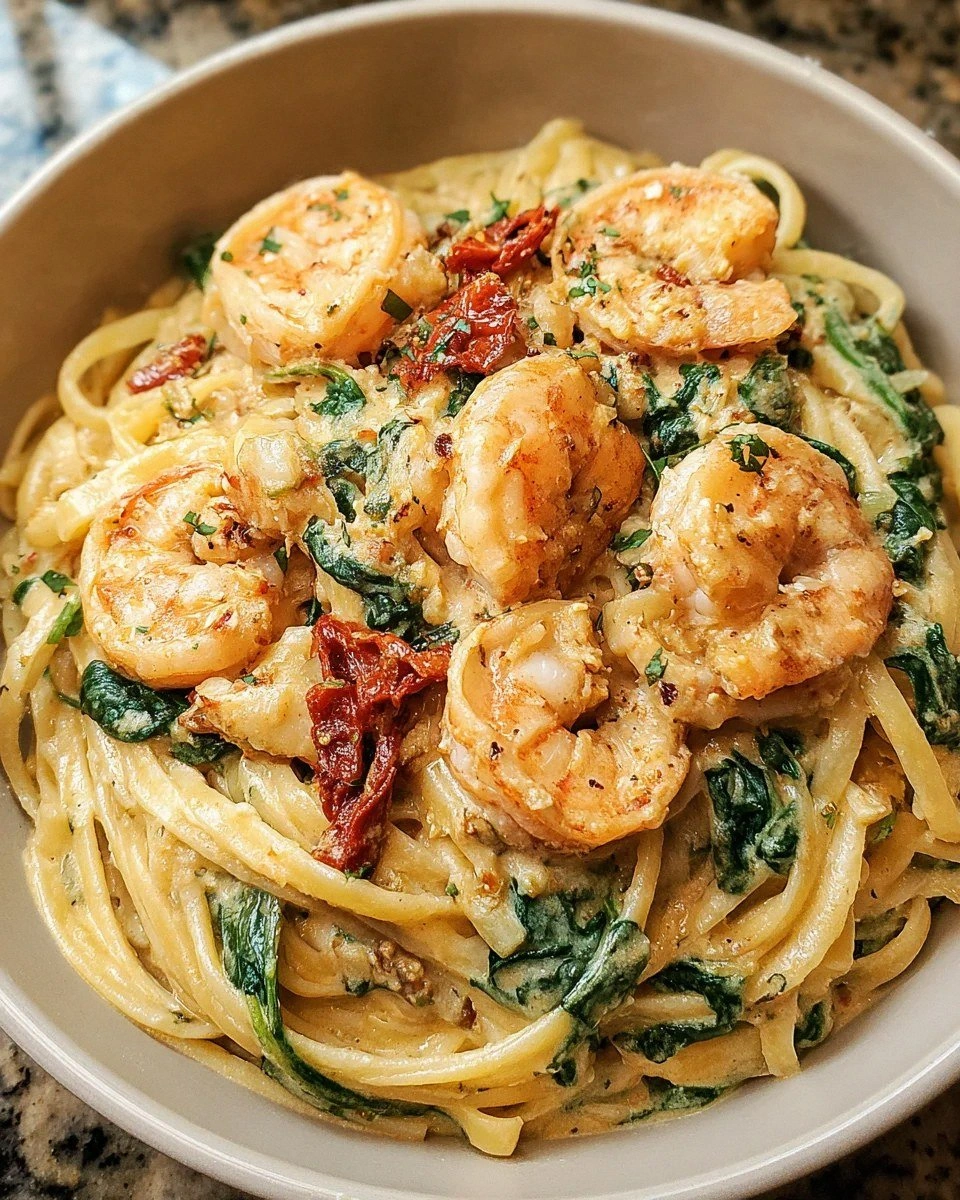
Picture this: the moment the skillet hits the stove, a sizzle erupts like a tiny fireworks show, and the air fills with the buttery perfume of garlic mingling with the earthy whisper of sun‑dried tomatoes. The shrimp pink up in seconds, their sweet brine seeping into the pan, while the heavy cream swirls in, thickening into a sauce that coats the linguine like velvet. A handful of fresh spinach drops in, wilting instantly and turning the whole dish a gorgeous, inviting green. The final drizzle of extra‑virgin olive oil adds a glossy finish that catches the light — and your eye — like a promise of pure indulgence.
What makes this version stand out isn’t just the ingredients; it’s the method. Most recipes get the sauce wrong, either over‑diluting it with too much pasta water or under‑seasoning it so it tastes like bland milk. I’ve discovered the sweet spot: a precise balance of cream, Parmesan, and sun‑dried tomatoes that creates a depth of flavor you’d expect from a restaurant’s secret sauce. And there’s a technique I’ll reveal later that ensures every strand of linguine is smothered in that dreamy sauce without turning soggy.
I dare you to taste this and not go back for seconds. This is hands down the best version you’ll ever make at home, and I’m about to walk you through every single step — by the end, you’ll wonder how you ever made it any other way. Okay, ready for the game‑changer?
What Makes This Version Stand Out
- Velvet‑Smooth Sauce: The heavy cream and Parmesan meld into a glossy coating that clings to each linguine strand, delivering a luxurious mouthfeel that feels like a culinary hug.
- Sun‑Dried Tomato Burst: Those little ruby nuggets add a tangy pop, cutting through the richness and giving the dish a vibrant color that dazzles the eyes.
- Perfectly Cooked Shrimp: A quick sear locks in sweetness, while a final splash of lemon juice lifts the flavor, preventing any rubbery texture.
- Spinach Freshness: Fresh spinach adds a peppery bite and a pop of green that balances the creaminess, plus it sneaks in a serving of veggies.
- Simplicity Meets Sophistication: With just eight core ingredients you get a restaurant‑level dish without a pantry full of exotic items.
- Make‑Ahead Friendly: The sauce can be pre‑made and stored, so you can assemble the dish in minutes when guests arrive.
- Universal Crowd‑Pleaser: Whether you’re feeding a family, impressing a date, or catering a dinner party, this dish consistently earns rave reviews.
- Ingredient Quality Shines: Using fresh shrimp and high‑quality Parmesan turns a humble pasta into a celebration of flavors.
Inside the Ingredient List
The Flavor Base
Garlic is the aromatic backbone of this dish. Minced fresh garlic releases allicin, a compound that adds a sharp, almost spicy note that brightens the heavy cream. If you skip the garlic, you’ll miss that essential “wow” factor that makes the sauce sing. For a milder profile, you can use garlic powder, but the depth won’t be the same. Pro tip: crush the garlic cloves with the flat side of a knife before mincing to release even more flavor.
The Texture Crew
Linguine, with its flat ribbons, is the perfect pasta for this sauce. Its surface area captures the creamy mixture, ensuring each bite is coated. If you swap for spaghetti, you’ll get a thinner coating; fettuccine works, but it’s a bit heftier. When buying linguine, look for bronze‑cut pasta; the rougher texture helps the sauce cling better. Watch out: overcooking the pasta will make it mushy and unable to hold the sauce.
The Unexpected Star
Sun‑dried tomatoes are the secret weapon that adds a tangy sweetness and a chewy texture. They’re essentially concentrated tomato flavor, and they bring a beautiful ruby hue that makes the dish visually striking. If you can’t find them packed in oil, opt for the dry‑packed version and rehydrate them in warm water for ten minutes. Fun Fact: Sun‑dried tomatoes were originally a preservation method used by Mediterranean peasants to extend the tomato harvest through winter.
The Final Flourish
Fresh spinach adds a peppery bite and a burst of color that cuts through the richness. It wilts in seconds, so add it at the very end to retain its vibrant green. If you’re out of spinach, kale works as a sturdy alternative, but you’ll need to massage it first to soften the leaves. The Parmesan cheese brings salty umami and helps thicken the sauce; always use freshly grated Parmesan for the best melt and flavor. Heavy cream is the luscious foundation — for a lighter version you could substitute half‑and‑half, but you’ll lose that luxurious mouthfeel.
Everything's prepped? Good. Let's get into the real action...
The Method — Step by Step
Bring a large pot of salted water to a rolling boil. Add the linguine and cook until al dente, usually 9‑11 minutes depending on the brand. Pro tip: taste a strand a minute before the package suggests; you want a slight bite. Once done, reserve a cup of pasta water, then drain the noodles and set aside.
While the pasta cooks, heat 2 tablespoons of olive oil in a wide skillet over medium‑high heat. When the oil shimmers, add the shrimp in a single layer. Let them sizzle undisturbed for about 1‑2 minutes; you’ll hear a satisfying pop that tells you they’re searing, not steaming. Flip the shrimp, season with a pinch of salt and pepper, and cook another minute until they turn pink and opaque. Watch Out: overcooking shrimp turns them rubbery, so keep a close eye.
Remove the shrimp to a plate and set aside. In the same skillet, lower the heat to medium and add the minced garlic. Stir constantly for about 30 seconds; you’ll notice the garlic turning a light golden and releasing a fragrant aroma that fills the kitchen. If the garlic starts to brown too quickly, add a splash of the reserved pasta water to cool the pan.
Pour in 1 cup of heavy cream, scraping up any browned bits from the bottom of the pan. Bring the mixture to a gentle simmer, then whisk in ½ cup of freshly grated Parmesan until it melts into a silky ribbon. The sauce should thicken slightly; if it looks too runny, let it simmer a minute longer. Pro tip: a pinch of nutmeg enhances the cream’s richness without being overpowering.
Add the chopped sun‑dried tomatoes and the fresh spinach. The spinach will wilt almost instantly, turning a deep emerald green. Stir until the tomatoes are evenly distributed and the spinach is fully incorporated. This is the moment of truth — the sauce should look glossy and thick enough to coat the back of a spoon.
Return the shrimp to the skillet, then add the cooked linguine. Toss everything together, adding a splash of the reserved pasta water if the sauce needs loosening. The pasta should be fully coated, each strand shimmering with cream and speckled with tomatoes and spinach. Let it sit for a minute off the heat so the flavors meld.
Finish with a drizzle of high‑quality extra‑virgin olive oil and a final sprinkle of Parmesan. Taste and adjust seasoning with salt, pepper, or a squeeze of fresh lemon juice for brightness. Serve immediately, letting the steam rise and the aroma fill the room. That sizzle when it hits the pan? Absolute perfection.
That's it — you did it. But hold on, I've got a few more tricks that'll take this to another level...
Insider Tricks for Flawless Results
The Temperature Rule Nobody Follows
Never add the heavy cream over high heat. A sudden temperature shock can cause the cream to curdle, ruining the silky texture. Keep the skillet on medium or lower once the shrimp are out, then slowly introduce the cream while stirring. This gentle heat coax the fats to emulsify perfectly, giving you that velvety finish.
Why Your Nose Knows Best
Your sense of smell is a better indicator than a timer when it comes to sautéing garlic and shrimp. When the garlic turns fragrant and the shrimp start to blush pink, you know the flavor foundation is set. Trust that aromatic cue; it’s the secret shortcut seasoned chefs rely on.
The 5‑Minute Rest That Changes Everything
After tossing the pasta with the sauce, let it rest off the heat for five minutes. This pause allows the starches in the linguine to absorb a little more sauce, creating a cohesive mouthfeel. A friend tried skipping this step once — let’s just say the sauce slid off the noodles like a bad haircut.
Parmesan Timing
Add the Parmesan at the very end of the sauce’s simmer, not at the beginning. Early addition can cause the cheese to clump and create a grainy texture. By sprinkling it in just before the sauce reaches its final thickness, you get a smooth, glossy finish that melts into the cream.
Oil Finish for Flavor Lift
A finishing drizzle of olive oil isn’t just for shine; it adds a fresh, fruity note that lifts the richness of the cream. Choose a robust, cold‑pressed extra‑virgin olive oil for the most impact. Kitchen Hack: keep a small bottle of olive oil within arm’s reach while you plate, so you can add that final glossy touch just before serving.
Creative Twists and Variations
This recipe is a playground. Here are some of my favorite ways to switch things up:
Spicy Inferno
Add a pinch of red pepper flakes to the garlic stage for a subtle heat that dances on the palate. If you love fire, stir in a splash of hot sauce right before serving. This version is perfect for those who crave a little kick without overwhelming the creamy base.
Mushroom Medley
Swap half of the shrimp for sautéed cremini or shiitake mushrooms. The earthy umami complements the sun‑dried tomatoes, creating a deeper, forest‑floor flavor profile that vegetarians will adore.
Citrus Zest
Stir in the zest of one lemon or orange right after the cream thickens. The bright citrus notes cut through the richness and add a sunny dimension, making the dish feel lighter and more summery.
Herbaceous Delight
Mix in a handful of fresh basil or thyme during the final toss. The herbaceous aroma adds complexity and a fragrant finish that pairs beautifully with the Parmesan.
Cheese Lover’s Upgrade
Blend in a spoonful of ricotta or mascarpone along with the Parmesan for an extra creamy, tangy layer. This makes the sauce even richer and perfect for a special occasion.
Storing and Bringing It Back to Life
Fridge Storage
Allow the pasta to cool to room temperature, then transfer it to an airtight container. It will keep for up to 3 days in the refrigerator. When reheating, add a splash of milk or water and gently stir over low heat until the sauce regains its silkiness.
Freezer Friendly
Portion the cooked linguine and sauce into freezer‑safe bags, removing as much air as possible. Freeze for up to 2 months. To reheat, thaw overnight in the fridge, then warm in a skillet with a bit of broth or water, stirring until the sauce emulsifies again.
Best Reheating Method
The secret to reviving this dish is steam. Place the leftovers in a pan, add a tablespoon of water per cup of pasta, cover, and heat on low for 5‑7 minutes. The steam will re‑hydrate the noodles and bring the sauce back to its original glossy sheen.