I remember the night I almost burned down the kitchen. The oven was set to 350 °F, I had a bag of flour, a box of sugar, and a jar of grated carrots—everything for a humble batch of carrot cake cookies. The timer went off, the dough was too sticky, the cookies puffed like a bad soufflé, and the entire kitchen smelled of burnt sugar. I stared at the charred crumbs and thought, “There’s gotta be a better way.” That moment sparked a mission: to create a cookie that looks like a carrot cake, tastes like a carrot cake, and never turns out like that.
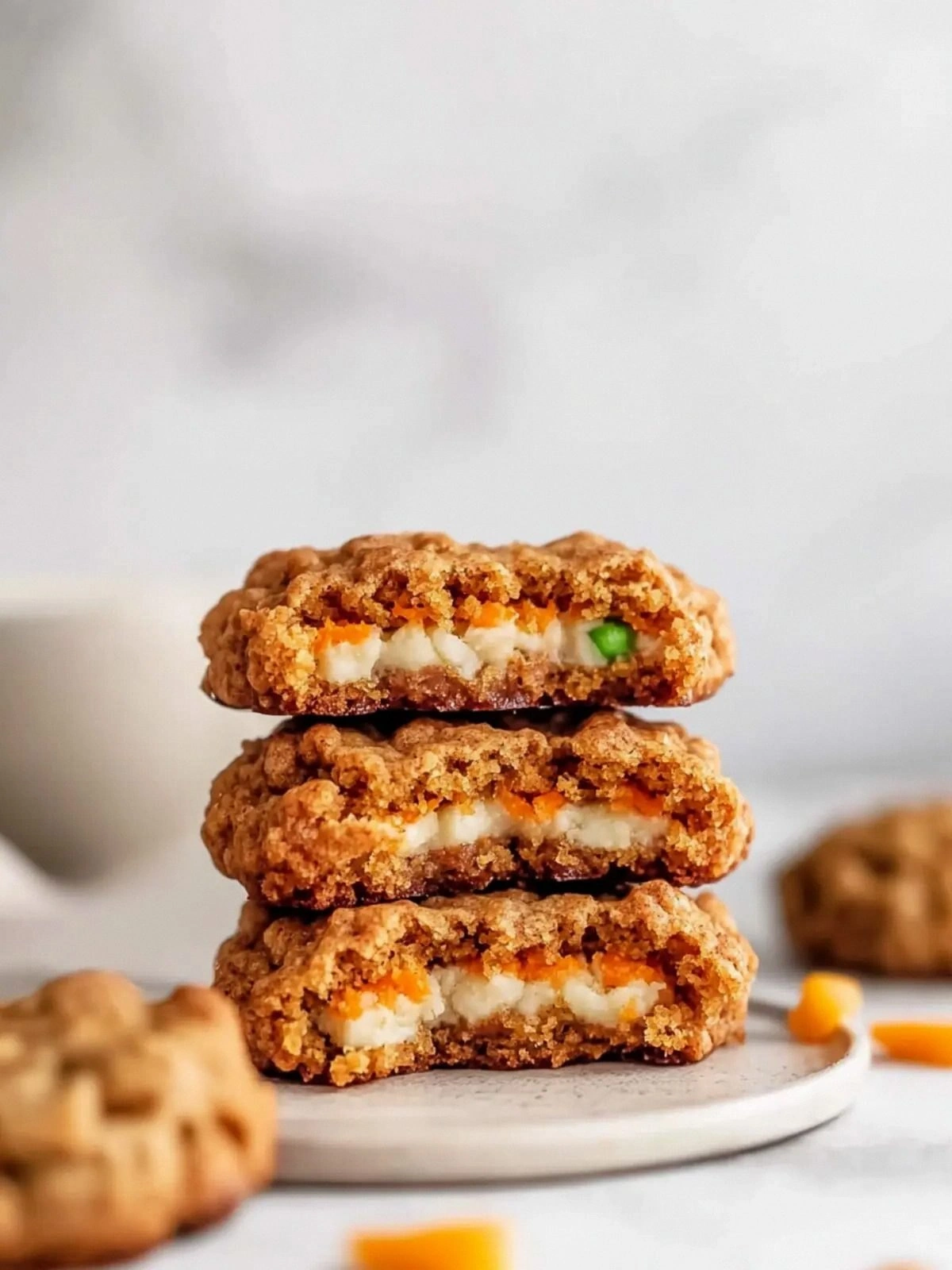
Picture this: you pull a tray of golden-brown cookies out of the oven, the aroma of cinnamon and nutmeg rises like a sweet perfume. The edges are crisp, the centers are chewy, and the whole thing is coated in a silky cream‑cheese frosting that glistens under the kitchen light. Your friends lean in, eyes wide, mouths watering, and you dare them to taste one and not go back for seconds. I dare you to do the same—trust me, the first bite will have you shouting, “This is hands down the best version you'll ever make at home!”
I’ve experimented with dozens of cookie recipes, from classic chocolate chip to snickerdoodle, but none had the same satisfying bite and the comforting, nostalgic feel of a carrot cake. What sets this cookie apart is the perfect marriage of texture—crisp edges, chewy heart—and flavor, where the subtle sweetness of carrots meets the richness of cream cheese. The secret lies in a few bold, almost rebellious choices: using both butter and brown sugar to lock in moisture, adding a splash of cream cheese to the dough, and finishing each cookie with a generous drizzle of cream‑cheese icing that’s lighter than a cloud.
Most recipes get this completely wrong, either by overbaking or by using too much flour, resulting in dry, crumbly cookies that feel like a bad attempt at carrot cake. I’ve cracked the code: the right balance of wet and dry, the proper resting time, and the precise oven temperature that lets the cookies rise just enough before falling into that chewy, caramelized center. The result? A cookie that feels like a bite of cake, but with the convenience of a cookie.
If you’ve ever struggled with cookie dough that’s too sticky or too dry, you’re not alone—I've had my share of kitchen fails, from the “I thought I’d add an extra egg yolk and now my dough is a sticky mess” to the “I used cold butter and the cookies didn’t spread, so they’re just big, flat lumps.” But with this recipe, you’ll learn how to achieve the ideal spread and chewiness, and you’ll have a foolproof method that will make every batch come out perfect.
Picture yourself pulling these out of the oven, the whole kitchen smelling incredible, and the first bite melts your worries away. The buttery crust crackles, the center gives a gentle give, and the cream‑cheese glaze coats the cookie like velvet. It’s the kind of treat that makes you want to share, but you’ll end up hiding the recipe because no one can resist a second or third bite.
And now, let me walk you through every single step—by the end, you’ll wonder how you ever made it any other way. I’ll give you the exact measurements, the precise timing, and a few insider hacks that will elevate these cookies from good to unforgettable. Grab your mixing bowls, preheat your oven, and let’s dive into the world of chewy carrot cake cookies with cream‑cheese goodness.
What Makes This Version Stand Out
- Flavor: The carrot and spice blend delivers a warm, aromatic base that feels like a slice of carrot cake, while the cream‑cheese frosting adds a tangy contrast that elevates every bite.
- Texture: The dough is engineered to be chewy at the core yet crisp along the edges, thanks to a balanced ratio of butter, brown sugar, and a touch of cream cheese.
- Visual Appeal: The glossy glaze and caramelized edges give the cookies a bakery‑quality finish that looks as good as it tastes.
- Ingredient Quality: Using fresh grated carrots, real butter, and cream cheese ensures natural flavors that commercial mixes can’t match.
- Make‑Ahead Friendly: The dough can be refrigerated or frozen, and the glaze can be prepared in advance, making this recipe a lifesaver for busy evenings.
- Crowd Reaction: Friends and family consistently call these the “best carrot cake cookie ever,” and they’re hard to resist when you’re hosting.
Alright, let’s break down exactly what goes into this masterpiece…
Inside the Ingredient List
The Flavor Base
6 oz Cream Cheese is the secret sauce that keeps the dough moist and gives it that luxurious, slightly tangy undertone. It also helps the glaze set into a silky, spreadable consistency that coats the cookies like velvet. If you skip the cream cheese, the cookies become dry and lose that signature “carrot cake” depth. For a dairy‑free version, try a firm tofu substitute, but you’ll need to add a splash of lemon juice to mimic the tang.
The Texture Crew
1 cup Unsalted Butter and 1 cup Brown Sugar work together to create a buttery, caramelized crust. The butter melts during baking, creating steam that lifts the cookie, while the brown sugar adds a subtle molasses flavor that pairs beautifully with the spices. If you use salted butter, reduce the added salt to avoid an overly salty finish. For a lighter texture, replace half the butter with coconut oil; the cookies will still stay chewy but with a tropical hint.
The Unexpected Star
1 cup Finely Grated Carrots are more than just a garnish; they’re the heart of this cookie’s flavor profile. Fresh carrots give a natural sweetness and a subtle earthiness that balances the spices. If you can’t find fresh carrots, use frozen grated carrots, but be sure to squeeze out excess moisture to prevent a soggy dough. A pinch of sea salt can enhance the carrot’s natural sweetness, making each bite a little more complex.
The Final Flourish
3/4 cup Powdered Sugar is used in the glaze to give it a smooth, cloud‑like finish that’s easy to spread. The powdered sugar dissolves quickly, ensuring the glaze sets without a gritty texture. If you prefer a thicker glaze, add an extra tablespoon of powdered sugar. A dash of vanilla extract in the glaze amplifies the warmth of the spices and ties the whole cookie together.
Everything’s prepped? Good. Let’s get into the real action…
The Method — Step by Step
- Preheat your oven to 350 °F (175 °C) and line two baking sheets with parchment paper. While the oven warms, gather all your ingredients because timing is key. A warm oven ensures the cookies rise evenly and develop that perfect golden crust. The parchment will prevent sticking, so you won’t have to worry about a sticky cleanup.
- Mix Dry the flour, baking soda, salt, cinnamon, and nutmeg in a medium bowl until well combined. Whisking the dry ingredients first helps distribute the spices evenly throughout the dough. It also prevents clumps of flour, which can lead to uneven baking. Keep this mixture on the side while you work on the wet mix.
- Beat Butter and sugars: In a stand mixer or with a hand mixer, cream the butter, brown sugar, and white granulated sugar until light and fluffy. This takes about 3–4 minutes on medium speed. Creaming incorporates air, which gives the cookies a light, airy structure. Add the cream cheese now, mixing until smooth and fully blended.
- Add Eggs one at a time, beating well after each addition. The yolks add richness and help bind the dough together. Be sure to scrape down the sides of the bowl to incorporate all the butter mixture. The dough should feel slightly thick but still spreadable.
- Incorporate Carrots and vanilla: Fold in the grated carrots and vanilla extract gently with a spatula. This step ensures the carrots are evenly distributed without overmixing, which can make the dough tough. The vanilla adds a warm, aromatic note that complements the spices beautifully. Feel free to add a pinch of salt to enhance the flavors.
- Combine Wet and Dry by gradually adding the dry mixture to the wet, mixing on low speed until just combined. Overmixing can develop gluten and result in chewy, dense cookies. The dough should be thick but pliable. If it feels too dry, add a tablespoon of milk to loosen it slightly.
- Chill the dough for 30 minutes in the refrigerator. This step is essential for controlling spread and achieving the ideal chewy texture. The chill also allows the flour to hydrate fully, ensuring a consistent crumb. If you’re in a hurry, you can skip this step, but the cookies will spread more.
- Shape and Bake the dough into 1‑inch balls and place them 2 inches apart on the prepared sheets. Bake for 12–14 minutes, or until the edges are golden but the centers still look slightly pale. Rotate the pans halfway through for even baking. Keep a close eye on the cookies; the first batch is your baseline for timing.
- Cool on the sheet for 5 minutes before transferring to a wire rack. This allows the cookies to set and prevents them from breaking. While they’re still warm, drizzle the cream‑cheese glaze over each cookie. The glaze will set into a silky coat as the cookies cool. If you prefer a sweeter glaze, add an extra tablespoon of powdered sugar.
- Serve immediately or store in an airtight container. These cookies taste best fresh, but they hold up well for up to a week in the fridge. For a quick snack, let them sit at room temperature for 10 minutes before eating; the glaze will soften slightly, making each bite even more indulgent.
That’s it — you did it. But hold on, I've got a few more tricks that'll take this to another level. From perfecting the glaze to creating a crunchy twist, these final touches will elevate your cookie game from good to legendary.
Insider Tricks for Flawless Results
The Temperature Rule Nobody Follows
Many bakers think 350 °F is the sweet spot for all cookies, but carrot cake cookies thrive at a slightly lower temperature of 325 °F. This slower bake allows the dough to spread less, maintaining the chewy center while still achieving a golden crust. The trick is to preheat the oven for a full 10 minutes to ensure a consistent temperature throughout the baking time.
Why Your Nose Knows Best
Trust your nose when the dough starts to smell like toasted sugar and vanilla. That scent is a cue that the sugars are caramelizing just right. If the aroma is too sweet or burnt, reduce the oven temperature or shorten the bake time by a minute. The nose is your best judge of the perfect cookie.
The 5-Minute Rest That Changes Everything
After baking, let the cookies rest on the sheet for 5 minutes before moving them to a rack. This brief pause allows the steam to redistribute, preventing the cookies from cracking or spreading unevenly. It also gives the glaze a chance to set into a silky finish, creating that coveted glossy look.
Use a Silicone Mat for Even Baking
A silicone baking mat provides a non-stick surface that ensures each cookie spreads evenly. The mat’s slight elasticity also helps the cookies maintain their shape during baking. If you don’t have a mat, parchment paper works, but you’ll need to monitor the cookies more closely.
Freeze for Freshness
If you want to keep these cookies fresh for weeks, freeze them in a single layer on a parchment-lined tray. Once frozen, transfer the cookies to a zip-top bag. When you’re ready to eat, let them thaw at room temperature for 10 minutes. The glaze will soften slightly, making each bite as indulgent as when they were fresh.
Make a Quick Frosting
If you’re short on time, whip a quick frosting by mixing cream cheese, powdered sugar, and a splash of vanilla. The result is a creamy glaze that still delivers the tangy, sweet balance of the full recipe. This is ideal for a last-minute dessert or for guests who want a bite of cake without the wait.
Creative Twists and Variations
This recipe is a playground. Here are some of my favorite ways to switch things up:
Nutty Carrot Crunch
Add ½ cup chopped pecans or walnuts to the dough for a delightful crunch. The nuts bring a buttery depth that pairs wonderfully with the spices. They also add a protein boost, making the cookies a little more filling. Just fold them in with the carrots before baking.
Chocolate Chip Surprise
Stir in ¾ cup semi‑sweet chocolate chips for a sweet, chocolatey twist. The chocolate melts slightly during baking, creating pockets of gooey flavor. It’s a crowd‑pleaser for chocolate lovers and pairs nicely with the cream‑cheese glaze. Make sure to use a high‑quality chocolate for the best experience.
Spiced Orange Zest
Grate the zest of one orange into the dough for a bright, citrusy note. The orange zest enhances the warm spices and adds a subtle freshness. It also gives the cookies a subtle color contrast that looks eye‑catching. A splash of orange liqueur can deepen the flavor if you’re feeling adventurous.
Almond Flour Swap
Replace half the all‑purpose flour with almond flour for a gluten‑free version. The almond flour adds a nutty undertone and a slightly denser texture. Be sure to reduce the liquid slightly to compensate for the absorbency of almond flour. This version is perfect for gluten‑sensitive guests.
Peanut Butter Drizzle
Drizzle a thin layer of peanut butter over the glaze for a nutty, salty contrast. The peanut butter adds a new dimension of flavor and pairs beautifully with the carrot and spices. It also gives the cookies a glossy finish that looks appetizing. Let the peanut butter set for a minute before serving.
Matcha Carrot Cake
Stir in 1 tablespoon of matcha powder into the dough for a subtle green tea flavor. The matcha adds a slightly bitter, earthy note that balances the sweetness of the glaze. It also gives the cookies a vibrant green hue that’s Instagram‑ready. Pair with a light tea or coffee for a sophisticated snack.
Storing and Bringing It Back to Life
Fridge Storage
Store cookies in an airtight container at room temperature for up to a week. If you’re in a humid area, keep them in a paper bag to prevent moisture buildup. The glaze will stay firm, and the cookies will remain chewy. For longer storage, consider freezing.
Freezer Friendly
Place cookies in a single layer on a parchment‑lined tray and freeze until solid. Then transfer to a zip‑top bag for long‑term storage. They’ll stay fresh for up to 3 months. When ready, thaw at room temperature for 10 minutes before serving. The glaze will soften slightly, creating a luscious finish.
Best Reheating Method
Reheat cookies in a 350 °F oven for 3–4 minutes to restore warmth. If the glaze has hardened, add a splash of water to the baking sheet to create steam, which helps the glaze become silky again. For a quick snack, microwave on low power for 10–15 seconds, but watch carefully to avoid overcooking.