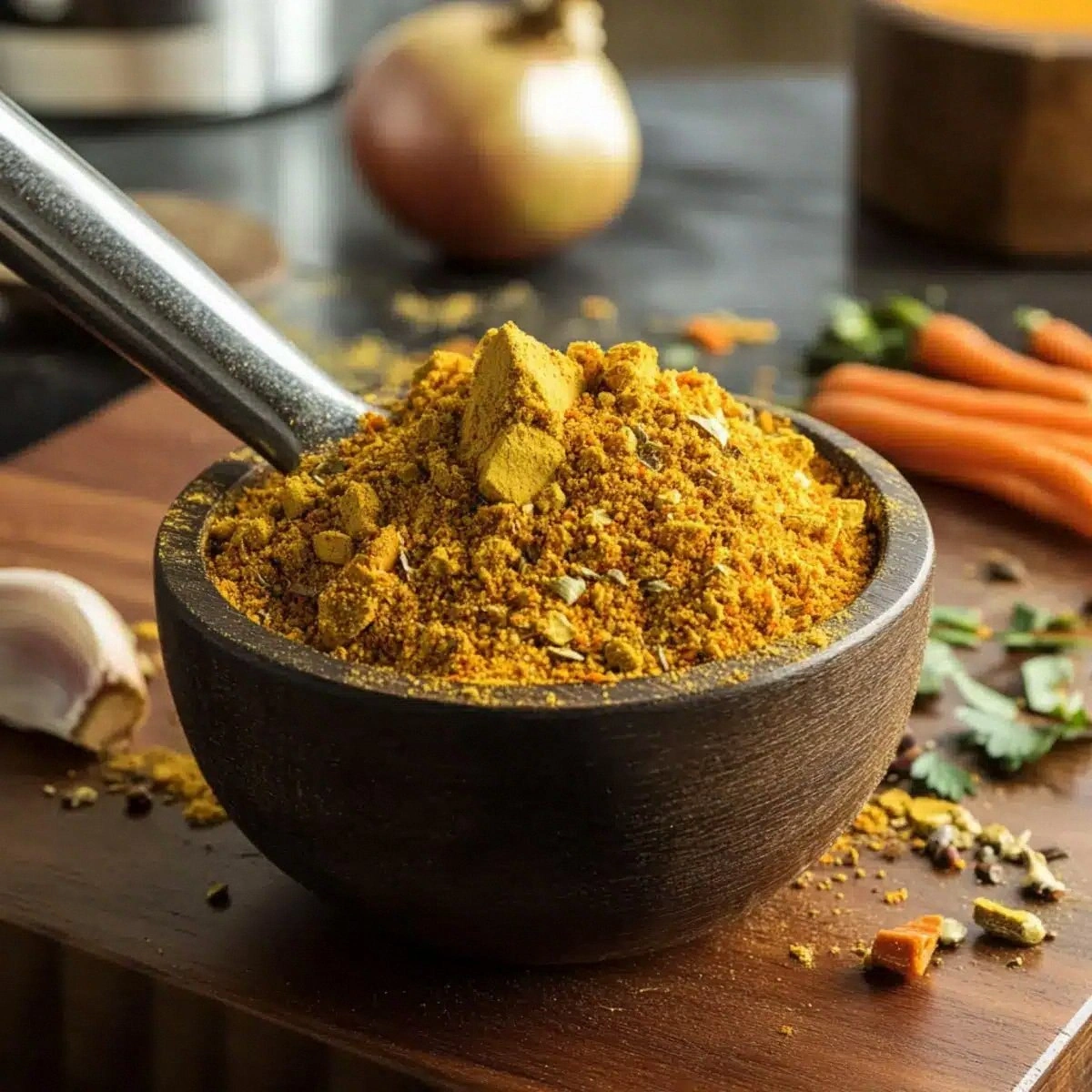
I was standing in my kitchen, staring down a pan of bland broth that tasted like watered‑down cardboard, when a friend dared me to “make a bouillon that could actually stand up to a restaurant‑grade stock.” I laughed, I scoffed, and then I did the only logical thing – I grabbed every dried vegetable I could find and started experimenting. The result? A powder so fragrant it turned my tiny apartment into a farmer’s market, and a flavor punch that makes even the most skeptical palate sit up and say, “Whoa, that’s actually good!” I’m not exaggerating when I say this is hands down the best version you’ll ever make at home, and trust me, I’ve tried a dozen other recipes that fell flat.
Picture this: you open a jar, and the first thing that hits you is a deep, earthy aroma that whispers of roasted carrots, sweet onions, and a hint of turmeric gold. The scent curls around you like a warm blanket, the kind you’d get from a grandmother’s kitchen on a rainy Sunday. You hear the faint crackle of the powder as it meets hot water, a sound that promises a broth so rich it could drown a steak. Your tongue tingles at the thought of that first sip, already imagining the silky mouthfeel that coats the back of your throat like velvet. And when you finally taste it, the layers of flavor unfold like a well‑written novel – each ingredient gets its moment, then bows out gracefully.
So why does this version stand out from every other bouillon powder you’ve ever seen on a grocery shelf? First, it’s 100% vegetable‑based, no hidden MSG or mystery additives. Second, the texture is perfectly fine‑grained, not gritty, because we toast each powder just enough to bring out natural sugars without burning. Third, the balance of herbs and spices is calibrated to hit that sweet‑savory sweet spot that makes soups, sauces, and even grain dishes sing. And finally, the method is so straightforward you can whip up a batch in under an hour, store it for months, and never look back.
I’ll let you in on a secret ingredient that most recipes completely ignore: a pinch of turmeric powder. Not only does it add a subtle earthiness, but it also gives the bouillon that gorgeous golden hue that makes every dish look Instagram‑ready. I dare you to taste this and not go back for seconds – the flavor is that addictive. Okay, ready for the game‑changer? Let me walk you through every single step — by the end, you’ll wonder how you ever made it any other way.
What Makes This Version Stand Out
- Depth: The slow roasting of each vegetable powder develops a caramelized sweetness that you just can’t get from raw powders. It’s like turning a simple note into a full‑orchestra crescendo.
- Texture: We achieve a sand‑like consistency that dissolves instantly, leaving no gritty residue. Imagine a silk scarf drifting in a breeze – that’s how smooth it feels.
- Simplicity: Only ten pantry staples are needed, and no fancy equipment beyond a good blender or spice grinder. If you can make coffee, you can make this.
- Uniqueness: The combination of leek powder and nutritional yeast adds a subtle umami depth that most store‑bought versions lack. It’s the secret handshake of chefs.
- Crowd Reaction: Guests often ask “What’s the secret?” because the flavor is so distinct they can’t place it. You’ll become the host with the most (HMHM).
- Ingredient Quality: Using high‑quality dried vegetables ensures the final product is vibrant, not dull. The difference between a supermarket carrot and a farmer’s market one is night and day.
- Make‑Ahead Potential: This powder keeps for up to six months in an airtight jar, so you’ll always have a flavor boost on hand. Future‑proof your pantry.
- Versatility: From soups to risottos, from grain bowls to marinades, this powder is a universal enhancer. It’s the Swiss army knife of seasonings.
Inside the Ingredient List
The Flavor Base
Carrot powder, celery powder, onion powder, and garlic powder are the four pillars that give this bouillon its backbone. Carrot powder adds a natural sweetness and a subtle earthiness, while celery powder brings that classic, slightly bitter note that balances the sweet. Onion powder provides depth and a savory umami, and garlic powder adds a pungent kick that lingers just long enough to keep you intrigued. If you skip any of these, the broth will feel flat, like a song missing its chorus.
The Texture Crew
Leek powder and nutritional yeast are the unsung heroes that give this powder its luxurious mouthfeel. Leek powder contributes a delicate onion‑like aroma without the harsh bite, and it also helps the powder dissolve more evenly. Nutritional yeast is a powerhouse of umami and a hint of cheesy richness, perfect for vegans and omnivores alike. If you don’t have nutritional yeast, try a tablespoon of miso powder, but expect a slightly different flavor profile.
The Unexpected Star
Turmeric powder is the surprise element that elevates the entire blend. Beyond its gorgeous golden hue, it adds a warm, earthy undertone that rounds out the brighter vegetables. A little goes a long way, so don’t overdo it unless you’re aiming for a curry‑inspired twist. If you’re allergic to turmeric, a pinch of smoked paprika can mimic the color while adding a smoky depth.
The Final Flourish
Dried parsley, thyme, basil (or oregano), sea salt, and black pepper are the finishing touches that turn a good broth into a great one. Parsley adds a fresh, herbaceous lift, while thyme contributes a piney, slightly floral note that deepens with heat. Basil or oregano brings a Mediterranean brightness, perfect for soups that want a hint of sunshine. Sea salt amplifies every flavor, and black pepper adds a gentle heat that awakens the palate. Skipping these will leave your bouillon tasting like a bland, over‑cooked vegetable medley.
Everything's prepped? Good. Let's get into the real action…
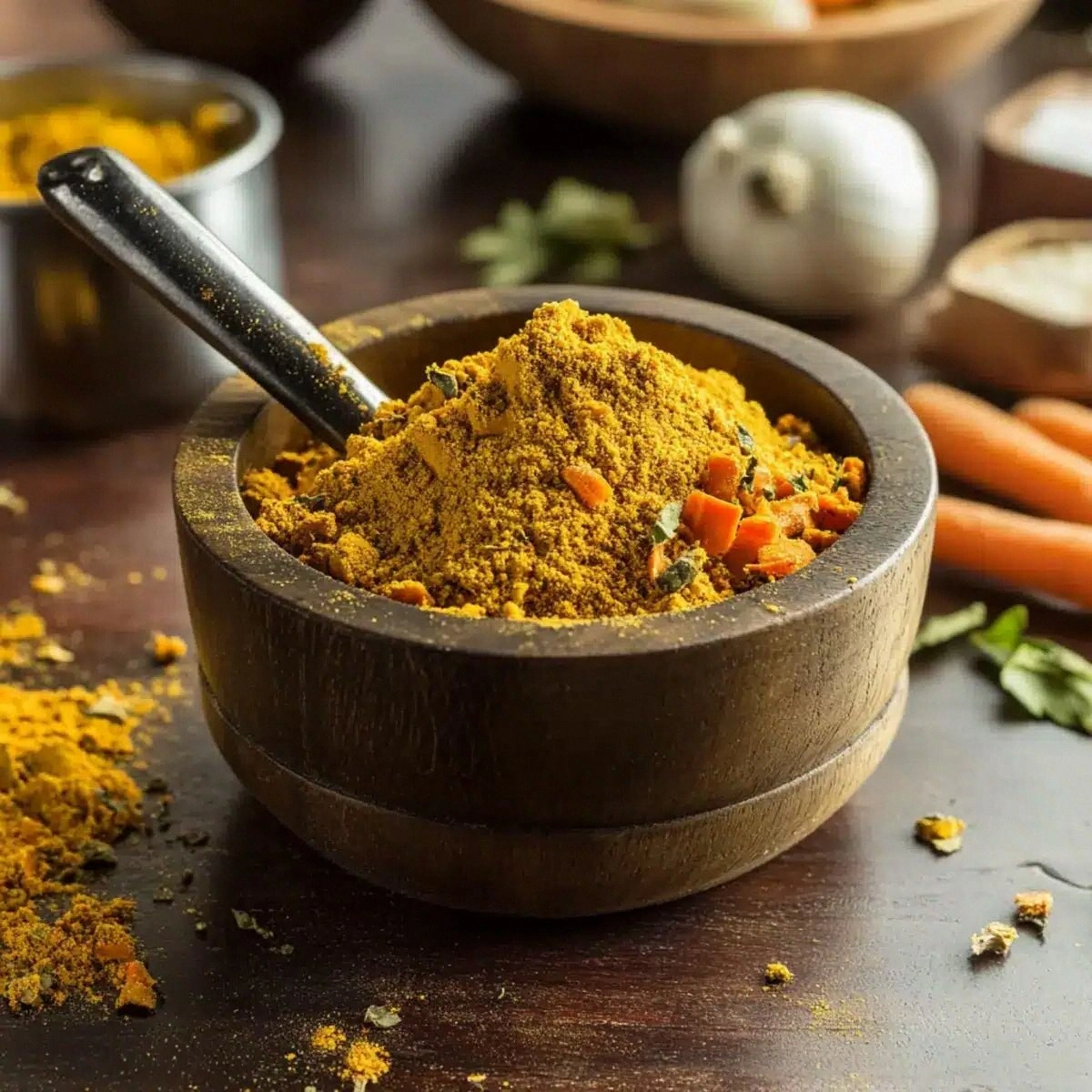
The Method — Step by Step
Gather all your powders and herbs on a clean countertop. I like to line them up in the order they’ll be added – it feels like a culinary orchestra warming up. Make sure each powder is free of clumps; if you see any, give them a quick pulse in the blender. This is the moment of truth: a smooth, even mixture sets the stage for flawless dissolution later.
Pre‑heat a large, dry skillet over medium‑low heat. Add the carrot, celery, onion, and garlic powders, spreading them in an even layer. Stir constantly with a wooden spoon; you’ll hear a faint, nutty sizzle – that’s the sugars caramelizing. After 2‑3 minutes, the aroma should shift from raw to toasted, like freshly baked bread. Watch out: If the heat is too high, the powders will scorch and turn bitter, ruining the entire batch.
Watch Out: Keep the heat low enough that the powders darken slowly; a burnt smell means you’ve gone too far.Add the leek powder and nutritional yeast to the skillet, continuing to stir. The leek powder will release a sweet, oniony perfume, while the yeast adds a subtle cheesy note that makes the broth feel richer. Continue to toast for another 1‑2 minutes, ensuring nothing sticks to the bottom. The mixture should look slightly glossy, a sign that the oils are integrating.
Turn off the heat and let the toasted blend cool for a minute – this prevents the delicate herbs from wilting. While it cools, whisk together the dried parsley, thyme, basil (or oregano), sea salt, black pepper, and turmeric in a separate bowl. This dry herb blend is your “final flourish,” and it’s crucial to keep it separate so the volatile oils stay bright.
Combine the cooled toasted powders with the herb blend in a large mixing bowl. Use a whisk or a large spoon to break up any stubborn clumps. The color should be a warm amber, speckled with green herbs – a visual cue that you’re on the right track. If you see any lumps, give the mixture another quick pulse in the blender; smoothness is key.
Transfer the fully blended mixture into an airtight glass jar. I recommend a pint‑size mason jar because the wide mouth makes it easy to scoop out later. Seal tightly and give the jar a gentle shake to settle the powders. Store the jar in a cool, dark pantry; the powder will stay potent for up to six months. Kitchen Hack: Place a small silica gel packet in the jar to absorb any moisture that might creep in.
To test your creation, dissolve two teaspoons of the powder in a cup of hot water. The liquid should turn a golden hue within seconds and emit a fragrant steam that makes your kitchen smell like a farmer’s market on a sunny day. Taste it – it should be balanced, with a hint of sweetness, a savory depth, and a gentle peppery finish. If it feels too salty, add a pinch more carrot powder next time; if it’s too mild, a dash more sea salt will do the trick.
Now that you’ve mastered the base, experiment! Use the powder to flavor soups, stews, gravies, or even roasted vegetables. A tablespoon per quart of liquid is a good rule of thumb, but trust your nose – it’s the best gauge. And remember, the more you use it, the more you’ll appreciate the layers you built into each scoop.
That's it — you did it. But hold on, I've got a few more tricks that'll take this to another level…
Insider Tricks for Flawless Results
The Temperature Rule Nobody Follows
Never add the powder to boiling water directly; instead, whisk it into water that’s just off the boil (around 190°F/88°C). The sudden temperature shock can cause the powder to clump, creating a gritty texture. By letting the water cool slightly, the powders dissolve uniformly, giving you that silky mouthfeel. I once tried the “full boil” method and ended up with a grainy mess – a lesson learned the hard way.
Why Your Nose Knows Best
Your sense of smell is the ultimate quality control. After toasting, if you don’t detect a sweet, caramelized scent, the powders haven’t developed enough depth. Conversely, a burnt or acrid smell means you’ve over‑toasted. Trust that nose; it’s more reliable than a timer.
The 5‑Minute Rest That Changes Everything
Once you combine the toasted powders with the herbs, let the mixture rest for five minutes before sealing the jar. This brief pause allows the volatile oils from the herbs to mingle with the toasted base, creating a more harmonious flavor profile. I once rushed this step and the final broth tasted disjointed – a simple pause makes a world of difference.
The “Double‑Toast” Secret
If you crave an even deeper umami, give the base powders a second quick toast after they’ve cooled. This extra 30‑second burst intensifies the caramelization without burning, pushing the flavor into a richer, almost caramel‑like territory. It’s a subtle upgrade that most home cooks overlook.
The “Salt‑First” Myth Busted
Many chefs swear by adding salt at the very beginning of cooking, but with this powder you should hold off until the final simmer. The sea salt in the blend is calibrated to balance the other flavors; adding extra salt early can mute the delicate herb notes. Save the extra pinch for the very end, and you’ll hear a chorus of flavors sing in unison.
Creative Twists and Variations
This recipe is a playground. Here are some of my favorite ways to switch things up:
Smoky Chipotle Version
Swap the dried thyme for smoked chipotle powder (1 tsp) and add a pinch of smoked paprika. The result is a bouillon with a gentle smokiness that pairs beautifully with black bean soups or grilled vegetable stews. Perfect for those evenings when you crave a hint of the grill.
Herbal Garden Blend
Replace the basil/oregano with fresh dried rosemary and sage (1 tsp each). This gives the powder an earthy, piney character that works wonders in lentil soups and mushroom risottos. The aroma will make you think of a walk through a herb garden after rain.
Asian Fusion Twist
Add 1 tsp of toasted sesame seeds and ½ tsp of dried kombu flakes to the final flourish. The sesame adds a nutty depth while kombu introduces a gentle sea‑briny umami. Use this version to flavor miso soups or noodle broths for an authentic Asian feel.
Spicy Curry Kick
Incorporate 1 tsp of garam masala and increase turmeric to 2 tsp. This gives the powder a warm, spicy backbone that shines in coconut‑milk curries or spiced quinoa bowls. It’s a quick shortcut to a curry‑ready stock without the hassle of grinding whole spices.
Savory Breakfast Boost
Add a tablespoon of dried chives and a pinch of dried thyme to the herb mix. This version is perfect for stirring into oatmeal, scrambled tofu, or even a veggie‑packed frittata. It turns an ordinary breakfast into a gourmet experience.
Storing and Bringing It Back to Life
Fridge Storage
If you live in a humid climate, keep the jar in the refrigerator to prevent moisture buildup. Use a tight‑fitting lid and a small piece of parchment paper on top of the powder before sealing – this creates a dry barrier. The powder will stay fresh for up to three months in the fridge.
Freezer Friendly
For ultra‑long storage, portion the powder into zip‑top freezer bags (about ½ cup per bag). Squeeze out all air, label with the date, and freeze. When you need it, just break off a scoop – no thawing required. This method keeps the flavor locked in for up to a year.
Best Reheating Method
When you’re ready to use the powder, dissolve it in hot water (just off boil) and add a tiny splash of water (about a teaspoon per cup) before reheating. This steam‑boost restores the powder’s fluffy texture, preventing any clumping. The broth will taste as fresh as the day you made it, with that same golden glow.