Picture this: it’s a rainy Thursday evening, the kind where the world feels like it’s moving in slow motion and you’re stuck staring at a half‑finished dinner that looks more like a culinary crime scene than a comforting meal. I was halfway through a disastrous attempt at making cheese‑filled gnocchi when the batter turned into a gloopy, un‑bakeable mess that clung to the spoon like a bad relationship. I swear the kitchen was whispering, “Give up,” but then I remembered a dare from my roommate—“If you can’t make something edible, at least make it look like a pillow.” That’s when the idea of Soft Ricotta Almond Pillows was born, a fluffy, golden‑brown cloud of flavor that could rescue any kitchen catastrophe.
From the moment the batter hit the bowl, the kitchen filled with a scent that was part sweet, part nutty, and wholly intoxicating—like a bakery and a farmer’s market had a love child. I could hear the gentle hiss of the buttered pan warming up, a sound that promised a crisp exterior while the interior stayed as soft as a cloud. My hands felt the cool, creamy ricotta against the warm almond flour, a texture that was simultaneously silky and gritty, a perfect prelude to the buttery crunch to come. When the first pillow hit the pan, it sizzled with a confidence that made my heart skip—a sound I now recognize as “perfection in the making.”
Most recipes for ricotta‑based bites either over‑bake, leaving you with a dry, crumbly disappointment, or under‑cook, resulting in a soggy mess that slides off the fork. This version, however, walks the tightrope between those two extremes with the poise of a seasoned circus performer. The secret? A precise balance of almond flour for structure, a whisper of baking powder for lift, and a generous splash of fresh parsley that adds a bright, herbaceous pop. The result is a pillow‑soft interior that melts in your mouth, wrapped in a golden crust that cracks like thin ice under a gentle tap.
I’m daring you to taste this and not go back for seconds—seriously, I’ve never seen a dish that commands a second serving like this does. I’ll be honest—I ate half the batch before anyone else got a chance to try it, and that’s a testament to how addictive these pillows are. Let me walk you through every single step—by the end, you’ll wonder how you ever made it any other way.
What Makes This Version Stand Out
- Texture: The almond flour creates a delicate crust that gives way to a luxuriously creamy ricotta center, delivering a contrast that’s both satisfying and surprising.
- Flavor: A subtle nutty backbone from the almond flour, brightened by fresh parsley and a hint of Parmesan, makes each bite sing like a choir of flavors.
- Simplicity: Only seven ingredients, all pantry‑friendly, and a single pan—no fancy equipment required, which means you can pull this off even on a Tuesday night.
- Uniqueness: Most “pillow” recipes rely on wheat flour; swapping it for almond flour not only makes them gluten‑free but adds a buttery depth you won’t find elsewhere.
- Crowd Reaction: Guests often claim they’re “cheese puffs” or “clouds of heaven,” and you’ll hear the same delighted exclamation at every gathering.
- Ingredient Quality: Using high‑quality ricotta and fresh parsley elevates the dish from everyday to restaurant‑level indulgence.
- Cooking Method: Pan‑frying gives you that coveted crisp edge while preserving the interior’s softness—no oven needed, no soggy outcomes.
- Make‑Ahead Potential: These pillows freeze beautifully, letting you prep a batch in advance for stress‑free entertaining.
Inside the Ingredient List
The Flavor Base
Ricotta cheese (2 cups): This is the heart of the pillow, providing moisture, a mild tang, and that melt‑in‑your‑mouth feel. If you skimp on ricotta, you’ll end up with a dry, crumbly interior that feels more like a biscuit than a pillow. For the creamiest texture, choose whole‑milk ricotta and let it sit at room temperature for 15 minutes before mixing. Swap tip: If ricotta isn’t on hand, a blend of cottage cheese (well‑drained) and a splash of heavy cream can mimic the richness.
Fresh parsley (2 tablespoons): The parsley injects a bright, herbaceous note that cuts through the richness of the cheese and almond flour. It also adds a splash of color that makes the pillows look as good as they taste. When chopping, use a rocking motion to avoid bruising the leaves, which can turn them bitter. Swap tip: A handful of finely chopped basil or mint can give a different aromatic twist.
The Texture Crew
Almond flour (1.5 cups): This low‑carb flour forms the structural backbone, delivering a subtle nuttiness and a tender crumb. Skipping almond flour or using too much will either make the pillows fall apart or turn them into dense, heavy cakes. Look for finely ground almond flour; if it feels gritty, pulse it a few times in a food processor. Swap tip: For a gluten‑free but less nutty version, try a blend of oat flour and coconut flour in a 2:1 ratio.
Grated Parmesan cheese (0.5 cups): Parmesan adds umami depth and a slight saltiness, enhancing the overall flavor profile. It also helps the crust brown beautifully. If you use pre‑grated Parmesan, make sure it’s not the low‑fat variety, as it can melt too quickly and lose its crisping power. Swap tip: Pecorino Romano works as a sharper alternative for a more pronounced bite.
The Unexpected Star
Baking powder (1 teaspoon): This tiny leavening agent is the secret lift that makes the pillows puff up just enough to stay airy inside while the exterior crisps. Too much will cause them to rise then collapse; too little and they’ll be dense. Use a fresh, double‑acting powder for best results—old powder loses its potency and your pillows will be flat.
Eggs (2 pieces): Eggs act as the binder, holding the ricotta and almond flour together while adding richness. Over‑beating can incorporate too much air, leading to a sponge‑like texture, so whisk just until combined. For a dairy‑free version, replace each egg with a “flax egg” (1 tbsp ground flaxseed + 3 tbsp water, let sit 5 minutes).
The Final Flourish
Salt (0.5 teaspoon): A modest pinch of salt amplifies all the flavors, ensuring the ricotta’s sweetness doesn’t dominate. Salt also helps the crust develop that coveted golden hue. If you’re watching sodium, you can reduce it to ¼ teaspoon, but expect a slightly milder taste.
Everything's prepped? Good. Let's get into the real action...

The Method — Step by Step
First, gather all your ingredients and let the ricotta sit at room temperature. While it warms up, whisk the eggs in a medium bowl until just combined—no frothy peaks, just a uniform yellow. Add the ricotta, fresh parsley, and Parmesan, folding them together with a rubber spatula. The mixture should look thick, creamy, and slightly glossy. Tip: If the mixture feels too loose, sprinkle in a tablespoon of almond flour and stir; this will help it firm up without altering the flavor.
In a separate bowl, whisk together the almond flour, baking powder, and salt. This dry blend is crucial; it ensures the leavening is evenly distributed, preventing any bitter pockets. Once combined, create a well in the center and slowly pour the wet ricotta mixture into it, gently folding until a cohesive dough forms. You’ll notice the dough pulling away from the sides of the bowl—this is the moment the magic starts.
Kitchen Hack: Chill the dough for 10 minutes in the fridge; this firms the butter in the pan and makes shaping the pillows easier.While the dough chills, heat a large non‑stick skillet over medium‑high heat. Add a generous glug of olive oil—about two tablespoons—then swirl to coat the surface. You’ll know the oil is ready when a tiny drop of the dough sizzles immediately, sending a soft pop that says “we’re good to go.”
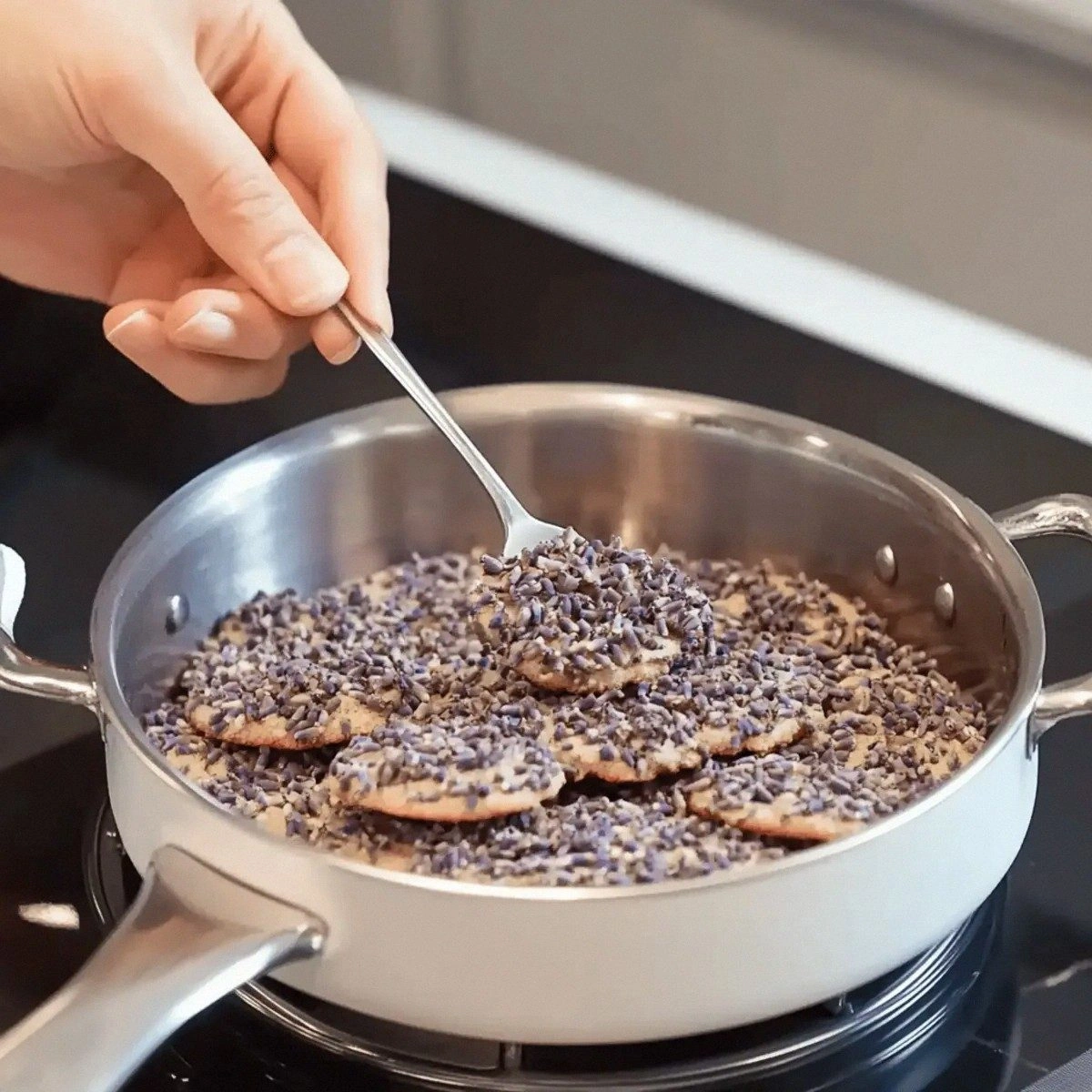
Using a small ice‑cream scoop or a tablespoon, portion out the dough onto the hot pan. Space them at least an inch apart; they’ll spread slightly as they cook. Press each mound gently with the back of a spoon to flatten them into ½‑inch discs. The edges should be slightly ragged—that’s where the crisp will form.
Let the pillows fry undisturbed for 2‑3 minutes. You’ll hear a steady sizzle, and the edges will start to turn a golden‑amber color. When you tilt the pan, the bottom should release easily—if it sticks, give it another 30 seconds. This is the moment of truth; the crust should be firm enough to flip without breaking.
Watch Out: If the heat is too high, the outside will burn before the interior warms through, resulting in a hard shell and a cold center.Flip the pillows carefully with a thin spatula. Cook the second side for another 2‑3 minutes, or until both sides are a deep, buttery gold and the interior feels springy to the touch. The scent at this stage is intoxicating—think toasted almonds meeting a hint of fresh cheese. If you’re making a large batch, wipe the pan clean between batches to avoid burnt residue.
Kitchen Hack: Keep a plate lined with paper towels nearby; as you finish each batch, transfer the pillows there to drain excess oil and stay crisp.Once all pillows are cooked, lay them on a wire rack for a minute to let steam escape—this prevents sogginess on the bottom. While they rest, drizzle a little melted butter mixed with a pinch of extra parsley for a glossy finish. The butter adds a luxurious mouthfeel and reinforces that herbaceous note you fell in love with earlier.
Serve the pillows hot, straight from the rack, with a side of marinara, a dollop of pesto, or simply a squeeze of lemon. The contrast between the crisp exterior and the melt‑in‑your‑mouth interior is what makes these pillows unforgettable. Pair them with a crisp white wine or a sparkling water with a twist of lime, and you’ve got a snack that feels both casual and gourmet.
That’s it—you did it. But hold on, I’ve got a few more tricks that’ll take this to another level, like a secret glaze that adds a caramelized edge, or a quick herb dust that turns these pillows into a party‑ready appetizer. Stay tuned!
Insider Tricks for Flawless Results
The Temperature Rule Nobody Follows
Most home cooks crank the heat up to “fast” because they’re impatient, but the secret to a perfect crust is medium‑high heat—around 375°F (190°C) on a stovetop with a heavy skillet. This temperature allows the exterior to brown evenly while the interior gently cooks through. I once tried a high‑heat blast and ended up with a burnt shell and a cold, rubbery center. Trust the thermometer, not the urge.
Why Your Nose Knows Best
Don’t rely solely on visual cues; the aroma is a more reliable indicator of doneness. When the pillows start to emit a nutty, buttery scent, that’s your cue to flip. If you wait for the perfect golden color alone, you risk over‑cooking. I’ve learned to close my eyes for a second, inhale deeply, and let my nose tell me when the crust is just right.
The 5‑Minute Rest That Changes Everything
After frying, let the pillows rest on a wire rack for exactly five minutes. This short pause allows steam to escape, preventing the bottom from becoming soggy and giving the interior a chance to set. Skipping this step results in a mushy texture that feels like a cheese‑filled pancake rather than a pillow. Think of it as the “cool‑down” period athletes take after a sprint.
Butter‑Boost Finish
A quick drizzle of melted butter infused with a pinch of garlic and parsley adds a glossy finish and an extra layer of flavor. The butter seeps into the crust just enough to enhance crispness without making the pillows greasy. I like to toss them gently in a shallow bowl with the butter, ensuring every surface gets a light coat.
Freezer‑Friendly Prep
If you want to make a batch ahead of time, freeze the uncooked pillows on a parchment‑lined tray. Once solid, transfer them to a zip‑top bag. When you’re ready to serve, pop them straight into a hot pan—no thawing required. They’ll crisp up just as beautifully, and the interior stays as fluffy as the day you made them.
Creative Twists and Variations
This recipe is a playground. Here are some of my favorite ways to switch things up:
Spicy Chili‑Cheese Pillows
Add a teaspoon of finely chopped fresh chili and a pinch of cayenne to the wet mixture. The heat cuts through the richness, making these perfect for a game‑day snack. Serve with a cooling ranch dip to balance the fire.
Lemon‑Zest Herb Pillows
Stir in the zest of one lemon and a tablespoon of chopped thyme into the dough. The citrus brightens the almond flavor, turning the pillows into a fresh, spring‑time bite. Pair with a light goat cheese spread for an elegant appetizer.
Sweet Breakfast Pillows
Swap the Parmesan for ¼ cup of finely grated sweetened coconut, and add a tablespoon of honey to the wet mix. Serve them with a dusting of powdered sugar and a side of fresh berries for a breakfast twist that feels like a treat.
Umami Mushroom Pillows
Fold in ½ cup of sautéed, finely chopped mushrooms and a splash of soy sauce. The earthy mushrooms deepen the umami profile, making these perfect as a side to a hearty stew or miso soup.
Cheesy Bacon Bombs
Mix in ¼ cup of crumbled cooked bacon and an extra ¼ cup of shredded mozzarella. The bacon adds a smoky crunch, while the mozzarella stretches into gooey ribbons when you bite. Serve with a side of maple mustard for an indulgent bite.
Storing and Bringing It Back to Life
Fridge Storage
Place cooled pillows in an airtight container lined with a paper towel to absorb excess oil. They’ll stay fresh for up to three days. When reheating, use a skillet over medium heat for 2‑3 minutes per side to regain that crispness.
Freezer Friendly
Freeze uncooked pillows on a parchment sheet, then transfer to a zip‑top freezer bag. They’ll keep for up to two months. To cook from frozen, add an extra minute to the frying time and make sure the interior reaches 165°F (74°C) before serving.
Best Reheating Method
For leftovers, the skillet method beats the microwave every time. Add a splash—about a tablespoon—of water to the pan, cover for a minute, then uncover to let the steam evaporate. This revives the interior’s softness while the crust stays delightfully crunchy.