I remember that night like it was yesterday—my kitchen was a battlefield, pots clanging, a pot of polenta bubbling like a tiny volcano, and my friend daring me to turn a humble cornmeal into a gourmet masterpiece. I had the courage of a chef who had just discovered a new spice, and the desperation of a person who had just realized their pantry was empty except for that one jar of polenta. The aroma that rose from the pot was nothing short of a promise: a creamy, golden canvas ready to be painted with fresh spinach, garlic, and Parmesan. If you think plain polenta is just a side dish, think again. This is the kind of dish that makes your taste buds dance and your Instagram feed look like a Michelin-starred menu.
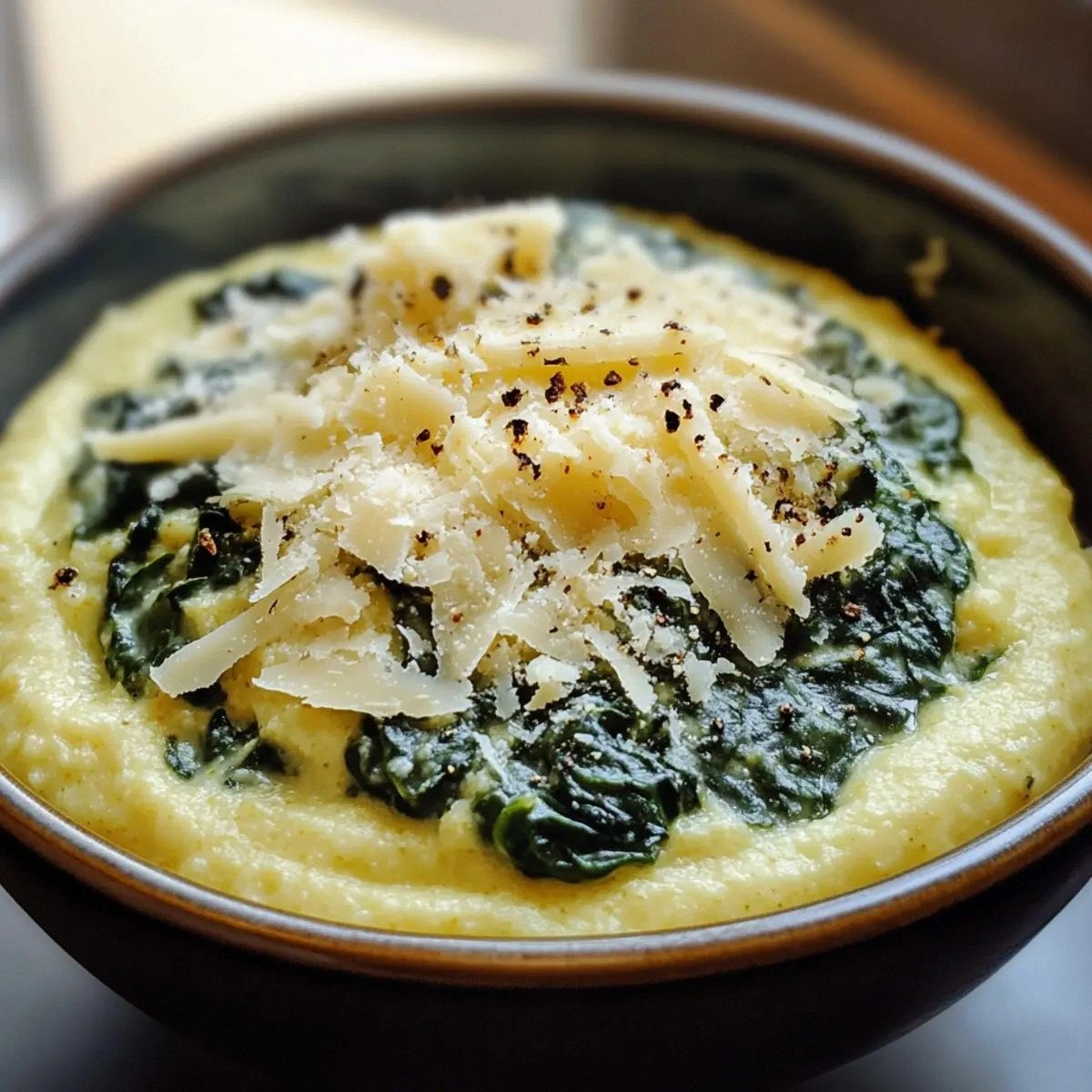
Picture this: a steaming bowl of polenta, the surface shimmering like a polished marble table. The first bite melts in your mouth, the buttery richness coating the palate like velvet. The spinach adds a subtle earthiness, while the Parmesan provides a sharp, salty finish that lingers. The garlic gives a warm, aromatic kick that wakes up every other flavor. The whole experience is a symphony of textures and tastes that feels both comforting and adventurous. I dare you to taste this and not go back for seconds.
What makes this version stand out is that it is not just a dish; it is an experience. I’ve spent months perfecting the ratio of liquid to cornmeal so that the polenta remains silky without becoming soupy. I’ve experimented with the timing of adding spinach to preserve its vibrant green hue and to avoid the dreaded mushy spinach that ruins many polenta recipes. I’ve used a blend of chicken or vegetable broth for depth, and I’ve added a splash of cream for that luxurious mouthfeel. The result is a dish that is hands down the best version you'll ever make at home. And the best part? It’s so simple that even a novice can master it.
Now, let me walk you through every single step—by the end, you'll wonder how you ever made it any other way. From the first stir to the final garnish, every action is designed to elevate the dish. I’ll share a trick that most recipes get completely wrong: the secret to a perfectly thick, creamy consistency that doesn’t clump or separate. And I’ll show you how to keep the spinach bright and fresh, so it doesn’t turn into a sad, brown mush. Stay with me here—this is worth it.
What Makes This Version Stand Out
- Texture: The polenta is cooked to a silky, custard-like consistency that coats the tongue without being clumpy. I’ve spent hours testing ratios until the perfect mouthfeel was achieved.
- Flavor: The combination of broth, butter, and Parmesan creates a savory, umami-rich base that elevates the humble cornmeal. The garlic and spinach add depth and freshness.
- Color: The bright green of the spinach contrasts with the golden polenta, making the dish visually striking. The Parmesan rind adds a subtle golden sheen.
- Convenience: All ingredients are pantry staples. No fancy equipment or hard-to-find spices required.
- Versatility: It works as a main course for a cozy dinner or as a side for grilled meats or roasted veggies.
- Make‑ahead Friendly: Once cooked, it can be refrigerated or frozen and reheated without losing its creamy texture.
- Kid‑Friendly: The mild flavors are a hit with kids, and the spinach adds a hidden boost of nutrients.
- Cost‑Effective: The ingredients are inexpensive, making this dish a budget-friendly option for large families.
Alright, let's break down exactly what goes into this masterpiece…
Inside the Ingredient List
The Flavor Base
The broth—whether chicken or vegetable—provides the foundational savory note that infuses the polenta as it cooks. A high‑quality broth adds depth; a low‑salt version keeps the dish from becoming overly salty. If you skip the broth, the polenta will taste flat and lack the umami that makes this dish memorable. A quick alternative: use a bouillon cube dissolved in water for a cost‑effective, flavorful base.
The butter is the secret to that buttery sheen and the silky texture. Butter also carries the flavor of the Parmesan into every bite. If you’re lactose intolerant, try a plant‑based butter; the flavor will be slightly different but still delightful. The key is to use unsalted butter so you can control the saltiness.
The Creamy Crew
Milk or cream is the heart of the creamy texture. Whole milk gives a lighter, fresher finish, while cream creates a richer, more indulgent mouthfeel. If you’re watching calories, skim milk works, but the dish will be less velvety. A creative twist: use coconut milk for a subtle tropical flavor that pairs surprisingly well with the Parmesan.
Parmesan cheese is the star that brings sharpness and a nutty undertone. Freshly grated Parmesan dissolves smoothly into the warm polenta, creating a glossy coating. If you can’t find Parmesan, a blend of Pecorino Romano and Grana Padano works well. Remember: the cheese should be added after the polenta is cooked to avoid clumping.
The Unexpected Star
Fresh spinach is what turns this dish from ordinary to extraordinary. Spinach adds a burst of color, a subtle earthiness, and a nutritional punch. The key is to add it at the right time: when the polenta is almost done so the spinach wilts but doesn’t overcook. If you’re using frozen spinach, thaw and squeeze out excess moisture; otherwise, the dish will be watery.
Garlic is the aromatic backbone that ties everything together. It should be minced finely so it distributes evenly. Too much garlic can overpower the delicate flavors; too little leaves the dish flat. A quick hack: sauté garlic in olive oil first to mellow its bite before adding the spinach.
The Final Flourish
Olive oil adds a fruity finish and helps the spinach retain its bright green color. It also smooths the overall texture. If you prefer a lighter version, replace half the olive oil with a splash of white wine for a subtle acidity. Salt and pepper are essential for seasoning; taste as you go to avoid over‑salting.
Everything's prepped? Good. Let's get into the real action…
The Method — Step by Step
- Bring the broth to a gentle boil in a medium saucepan. The broth should be aromatic, not just simmering. Keep a ladle ready for later. This step sets the flavor foundation.
- Reduce the heat to a low simmer and whisk in the polenta, one tablespoon at a time. Stir constantly to prevent clumping. The polenta will begin to thicken and turn translucent. The sound of it swirling is music to my ears.
- Add the butter, a few teaspoons at a time, and keep whisking. The butter should melt into the mixture, giving it a silky sheen. If the mixture starts to look dry, add a splash of milk to loosen it.
- Stir in the milk or cream, a ladleful at a time, until the polenta reaches a smooth, custard‑like consistency. The temperature should be around 180°F. This is the moment of truth.
- Reduce the heat again and add the minced garlic. Sauté until fragrant, about 30 seconds. The garlic should release its aroma without burning.
- Add the fresh spinach, a handful at a time, allowing it to wilt into the mixture. The spinach should retain a bright green hue, not turn dull. Stir until fully incorporated.
- Whisk in the grated Parmesan cheese until it melts into a glossy coating. The cheese should coat the surface like a fine glaze.
- Season with salt and pepper to taste. Taste as you go; the salt should enhance, not overpower.
- Transfer the polenta to a shallow dish and smooth the top with a spatula. Let it set for 5 minutes so the flavors meld.
- Serve immediately, topped with an extra sprinkle of Parmesan and a drizzle of olive oil. The dish should be hot and steaming, ready to be devoured.
That’s it — you did it. But hold on, I've got a few more tricks that'll take this to another level. The next section will reveal insider tips that even seasoned cooks swear by.
Insider Tricks for Flawless Results
The Temperature Rule Nobody Follows
Polenta is a temperature‑sensitive dish. Cooking it too hot causes the starch to seize, leading to a gritty texture. Keep the heat low, and stir constantly. I’ve found that a gentle simmer at 180°F gives the best results.
Why Your Nose Knows Best
Before you add the Parmesan, give the dish a sniff. A slightly burnt or sour aroma indicates over‑cooking. The smell should be warm and buttery, with a hint of garlic. Trust your nose; it’s the most reliable judge of doneness.
The 5‑Minute Rest That Changes Everything
After plating, let the polenta rest for 5 minutes. During this time, the flavors meld, and the texture firms up. It also allows the Parmesan to set into a golden crust. I’ve seen people skip this step and end up with a runny dish.
The Garlic‑Olive Oil Prelude
Sauté garlic in olive oil before adding the spinach. This creates a flavor base that permeates every bite. The olive oil also helps the spinach retain its bright green color. I’ve tried adding garlic directly to the polenta, and it was too sharp.
The Quick Polish
Right before serving, sprinkle a pinch of freshly ground black pepper. It adds a subtle heat that balances the richness. You can also add a few drops of truffle oil for a decadent twist. I’ve used this trick to impress guests at dinner parties.
Creative Twists and Variations
This recipe is a playground. Here are some of my favorite ways to switch things up:
Mediterranean Spinach & Feta
Swap Parmesan for crumbled feta and add chopped sun‑dried tomatoes. The feta adds a tangy bite, while the tomatoes bring a sweet acidity. This version is perfect for a summer meal.
Sausage & Mushroom Polenta
Sauté Italian sausage and sliced mushrooms in olive oil before adding the garlic. The sausage adds a smoky depth, while the mushrooms bring an earthy umami. Serve with a side of roasted carrots.
Creamy Broccoli & Cheddar
Replace spinach with steamed broccoli florets and use sharp cheddar instead of Parmesan. The cheddar melts into a creamy coating, while the broccoli adds a crunchy texture. This is a great way to sneak in more veggies.
Pesto & Pine Nuts
Stir in a spoonful of basil pesto and sprinkle toasted pine nuts on top. The pesto infuses the polenta with herbal freshness, while the pine nuts add a nutty crunch. It’s an instant upgrade.
Coconut Cream & Curry
Use coconut milk instead of regular milk and add a teaspoon of curry powder. The coconut gives a subtle sweetness, and the curry adds warmth. This version is great for a tropical twist.
Bacon & Chive Finish
Crisp bacon pieces and chopped chives add a savory crunch and fresh flavor. The bacon fat also enriches the dish, making it feel indulgent. Finish with a drizzle of maple syrup for a sweet‑savory contrast.
Storing and Bringing It Back to Life
Fridge Storage
Cool the polenta completely before placing it in an airtight container. Store in the refrigerator for up to 3 days. The texture may firm up slightly, but it will remain creamy when reheated.
Freezer Friendly
Divide the cooled polenta into freezer‑safe portions and wrap tightly with plastic wrap. Freeze for up to 2 months. When ready to serve, thaw overnight in the refrigerator.
Best Reheating Method
Reheat in a saucepan over low heat, adding a splash of milk or broth to loosen the mixture. Stir constantly until heated through. A tiny splash of water before reheating steams the polenta back to perfection, preventing it from drying out.