Picture this: you’re halfway through a Sunday brunch, the kitchen smells like vanilla and roasted sweet potatoes, and your friends start asking what’s cooking. I was scrambling to keep my cupcakes from turning into a sticky mess when a sudden craving for something sweet and comforting hit me. I pulled out my trusty sweet potato, a splash of milk, and a handful of pantry staples, and the next thing I knew I had a batter that tasted like a warm hug in a paper cup. I dare you to taste this and not go back for seconds.
I’m talking about a cupcake that isn’t just a dessert— it’s a full sensory experience. The first bite gives you that buttery, almost cake‑like texture, followed by a burst of caramelized sweet potato sweetness that lingers on your tongue. The subtle tang from the vinegar cuts through the richness, creating a balance that feels like a perfectly timed punch of flavor. The cinnamon and a whisper of ginger add warmth, while the vanilla’s floral note ties everything together, making each cupcake feel like a little celebration.
What makes this version stand out from every other sweet potato cupcake recipe you’ve ever seen? The answer is simple: I didn’t just follow a recipe, I rewrote the rulebook. I used a precise blend of leavening agents that keeps the cupcakes light and airy, I swapped out some oil for extra puree to keep them moist, and I added a dash of vinegar to activate the baking soda for a lift that’s both chemical and delicious. The result? A cupcake that’s hands down the best version you’ll ever make at home.
If you’ve ever struggled with cupcakes that come out dense or too sweet, you’re not alone—and I’ve got the fix. Picture yourself pulling this out of the oven, the whole kitchen smelling incredible, and knowing that you’re about to serve a crowd‑pleaser that will have everyone begging for the recipe. Let me walk you through every single step—by the end, you’ll wonder how you ever made it any other way.
What Makes This Version Stand Out
- Flavor: The natural sweetness of the sweet potato replaces sugar’s heaviness, creating a caramelized depth that’s impossible to resist. The subtle tang from vinegar gives the batter a bright lift, preventing it from feeling flat or overly sweet.
- Texture: A precise mix of baking soda and baking powder keeps the cupcakes airy while the puree keeps them moist, giving you a crumb that’s tender yet firm enough to hold frosting.
- Ingredient Simplicity: Only twelve ingredients, all pantry staples, mean you can whip these up on a whim without hunting for obscure items.
- Versatility: The base recipe can be tweaked with extra spices, dried fruit, or a swirl of chocolate, making it a playground for flavor experimentation.
- Make‑Ahead Potential: The cupcakes bake fully and stay fresh for days; you can even freeze them for a quick dessert later.
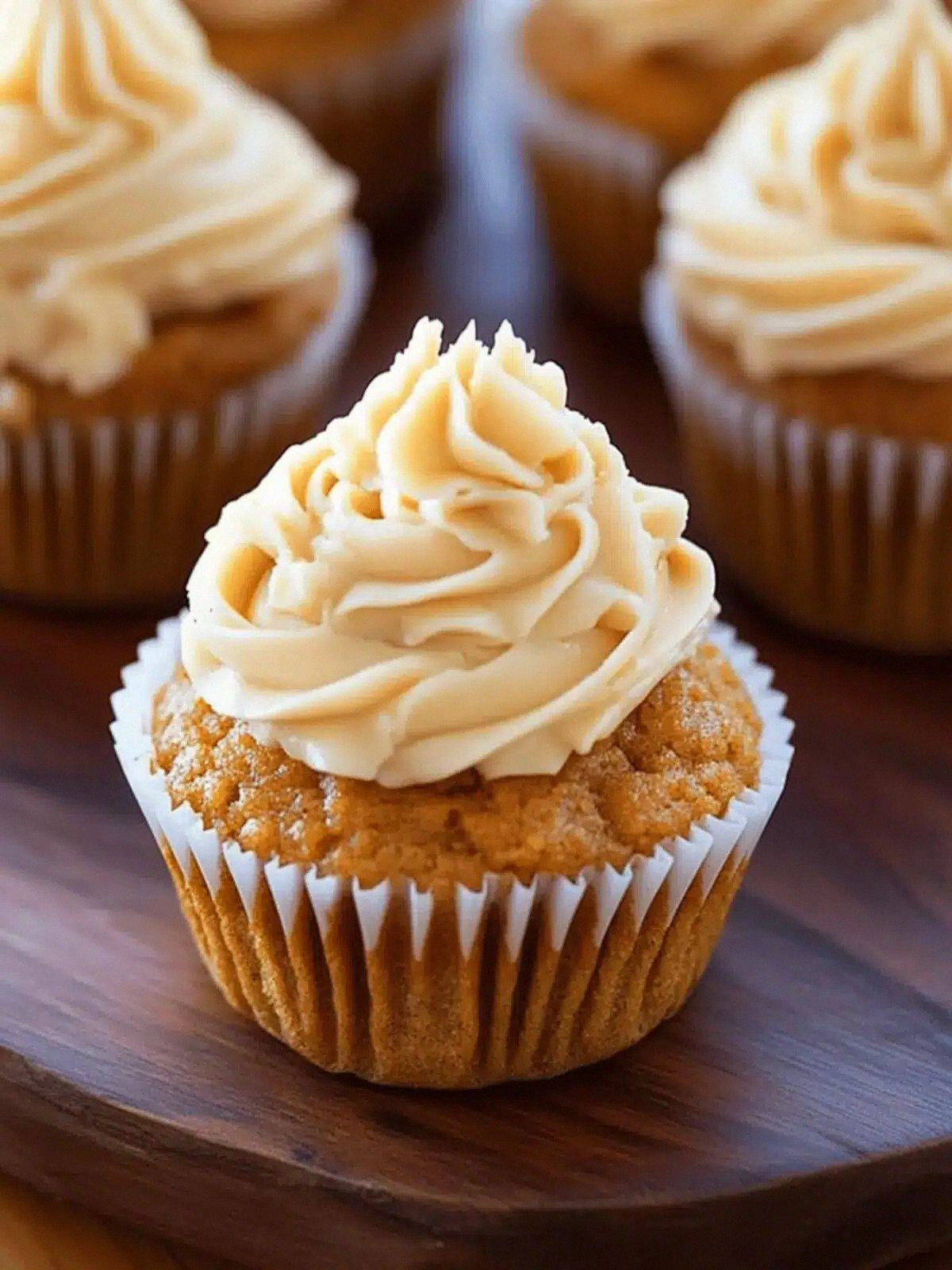
- Visual Appeal: The golden tops with a slight caramelization look like a miniature loaf of bread, and the frosting adds a creamy contrast that’s almost too pretty to eat.
- Health Conscious: By using sweet potato puree instead of refined flour, you add fiber and micronutrients while still delivering a satisfying treat.
Alright, let's break down exactly what goes into this masterpiece. And before we dive into the ingredients, here’s a quick Kitchen Hack that will elevate your baking game.
Inside the Ingredient List
The Flavor Base
Sweet potato puree is the star of the show, providing natural sweetness, a subtle earthiness, and a silky texture that keeps the cupcakes moist. If you skip it, the cupcakes lose their signature caramelized flavor and become a plain, dry cake. For a richer taste, steam the sweet potato until it’s soft, then mash it with a fork or blend it until smooth. If you’re short on time, you can use a pre‑made puree from a grocery store; just make sure it’s unsweetened.
The Texture Crew
The combination of 1/3 cup oil (or an extra splash of puree) and 1/2 cup milk (or a non‑dairy alternative) creates a batter that’s silky and cohesive. The oil keeps the cupcakes from drying out, while the milk adds a subtle tang that balances the sweetness. If you prefer a dairy‑free version, coconut milk or oat milk works beautifully and adds a hint of nutty flavor.
The Unexpected Star
White vinegar or cider vinegar might look like an odd choice for a cupcake, but it’s a secret leavening booster. The acidity reacts with the baking soda, creating carbon dioxide bubbles that give the cupcakes a lift without relying solely on baking powder. Don’t be tempted to skip it; the cupcakes will be noticeably denser and less fluffy.
The Final Flourish
Flour, sugar, cinnamon, salt, baking soda, baking powder, vanilla, and optional ginger are the classic baking trio that turns batter into a delightful treat. The cinnamon adds warmth, the ginger offers a gentle kick, and the vanilla ties everything together. If you’re looking for a gluten‑free option, swap the all‑purpose flour for a spelt or a gluten‑free blend; just keep the same quantity.
Everything's prepped? Good. Let's get into the real action.
The Method — Step by Step
- Preheat your oven to 350°F (175°C). Line a 12‑cup muffin tin with paper liners, then set aside. This step ensures even baking and makes cleanup a breeze. If you’re in a hurry, you can use a silicone liner instead for a reusable option.
- In a medium bowl, whisk together the flour, sugar, cinnamon, salt, baking soda, baking powder, and optional ginger. This dry mix is the backbone of the cupcake’s structure. Make sure you sift the spices to avoid clumps; a smooth batter means a smoother crumb.
- In a separate bowl, combine the sweet potato puree, oil (or extra puree), milk, vanilla, and vinegar. Whisk until the mixture is glossy and free of lumps. The glossy sheen is a sign that the fats and liquids are properly emulsified.
- Pour the wet mixture into the dry mixture and stir gently with a spatula until just combined. Be careful not to overmix; a few streaks are fine. Overmixing can develop gluten, leading to a tougher cupcake.
- Fill each paper liner about two‑thirds full with batter. This gives the cupcakes room to rise without overflowing. A good rule of thumb is to fill to the 1¾ inch mark on the liner.
- Place the tin in the preheated oven and bake for 20 minutes. The cupcakes should have a golden top and a toothpick inserted into the center should come out clean. This early check prevents overbaking and keeps the cupcakes moist.
- Reduce the oven temperature to 325°F (165°C) and bake for an additional 10–12 minutes, or until the tops are slightly crisp and the cupcakes have risen fully. Watch the edges—they should pull away from the paper liners, a sign of a perfect rise.
- Remove the cupcakes from the oven and let them cool in the tin for 5 minutes. Then transfer them to a wire rack to cool completely. Cooling is essential; frosting on a hot cupcake can melt and slide off.
- While the cupcakes cool, whip the frosting of your choice—cream cheese, buttercream, or a simple powdered sugar glaze. If you’re using cream cheese frosting, chill it until it’s firm enough to pipe.
- Once the cupcakes are cool, pipe or spread the frosting on top. Add a dusting of cinnamon or a few chopped pecans for an extra touch of flavor. Serve immediately or store in an airtight container.
That's it — you did it. But hold on, I've got a few more tricks that'll take this to another level. These insider tips will help you avoid common pitfalls and elevate the flavor profile even further.
Insider Tricks for Flawless Results
The Temperature Rule Nobody Follows
Many bakers bake sweet potato cupcakes at 375°F, but that can cause the tops to brown too quickly while the centers remain undercooked. Lowering the temperature to 350°F allows the cupcakes to rise evenly and develop a golden crust without scorching. I’ve baked at 350°F for 20 minutes, then lowered to 325°F for the final 10 minutes to finish the bake.
Why Your Nose Knows Best
The moment the cupcakes hit the oven, they’ll emit a sweet, caramelized aroma that signals the batter is in the right spot. Trust that smell; if it feels like it’s baking too fast, lower the oven temperature by 10–15°F. Your nose is the best judge of doneness.
The 5‑Minute Rest That Changes Everything
Letting the cupcakes rest for 5 minutes in the tin after removing them from the oven allows the structure to set. This brief pause prevents the cupcakes from collapsing or cracking as they cool. A quick rest is a small step that pays off in texture.
Frosting Timing Is Key
Frosting a cupcake that’s still warm can cause the frosting to melt and slide off. Wait until the cupcakes are completely cool, or chill them for 15 minutes in the fridge before frosting. This ensures a smooth, stable frosting that stays put.
Storing for Freshness
Store cupcakes in an airtight container at room temperature for up to 3 days, or freeze them for up to 3 months. To refreeze after thawing, let them sit at room temperature for 30 minutes before frosting again. This keeps the cupcakes fresh and fluffy.
Adding a Sweet Surprise
Stir in a handful of dried cranberries or chocolate chips into the batter for an extra burst of flavor. The sweet, tart cranberries complement the sweet potato’s natural sweetness, while chocolate chips add a classic chocolatey twist.
Creative Twists and Variations
This recipe is a playground. Here are some of my favorite ways to switch things up:
Caramelized Banana Swirl
Fold in mashed ripe banana and a drizzle of maple syrup into the batter before baking. The banana adds natural sweetness and a subtle tropical note that pairs beautifully with the cinnamon.
Chocolate Chip Delight
Stir in ½ cup of semi‑sweet chocolate chips into the batter. The chips melt into pockets of chocolatey goodness that contrast with the sweet potato’s mellow flavor.
Nutty Crunch
Add a handful of chopped pecans or walnuts into the batter, and top the cupcakes with a sprinkle of toasted nuts. The crunch adds texture and a buttery nutty flavor.
Spiced Citrus Twist
Add the zest of one orange or lemon to the batter and replace the vanilla with orange liqueur. The citrus brightens the sweet potato’s earthiness and gives the cupcakes a fresh, lively finish.
Mocha Magic
Replace half of the sugar with instant espresso powder and add a pinch of cocoa powder to the dry mix. The mocha flavor pairs perfectly with the sweet potato’s natural sweetness, creating a dessert that feels like a coffee shop treat.
Almond Joy Version
Swap the vanilla for almond extract, fold in shredded coconut, and top the cupcakes with a drizzle of melted chocolate. This variation is a nod to the classic candy bar, with a healthier, homemade twist.
Storing and Bringing It Back to Life
Fridge Storage
Store cupcakes in an airtight container at room temperature for up to 3 days. Keep them away from direct sunlight to avoid melting. If you plan to serve them the next day, let them sit at room temperature for 20 minutes before frosting.
Freezer Friendly
Place cupcakes in a freezer‑safe container or zip‑lock bag, separating them with parchment paper to prevent sticking. Freeze for up to 3 months. Thaw in the refrigerator overnight before frosting.
Best Reheating Method
To revive frozen cupcakes, preheat your oven to 300°F (150°C). Place the cupcakes on a baking sheet and heat for 8–10 minutes, or until warmed through. Add a tiny splash of water to the batter before reheating to steam back to perfection.