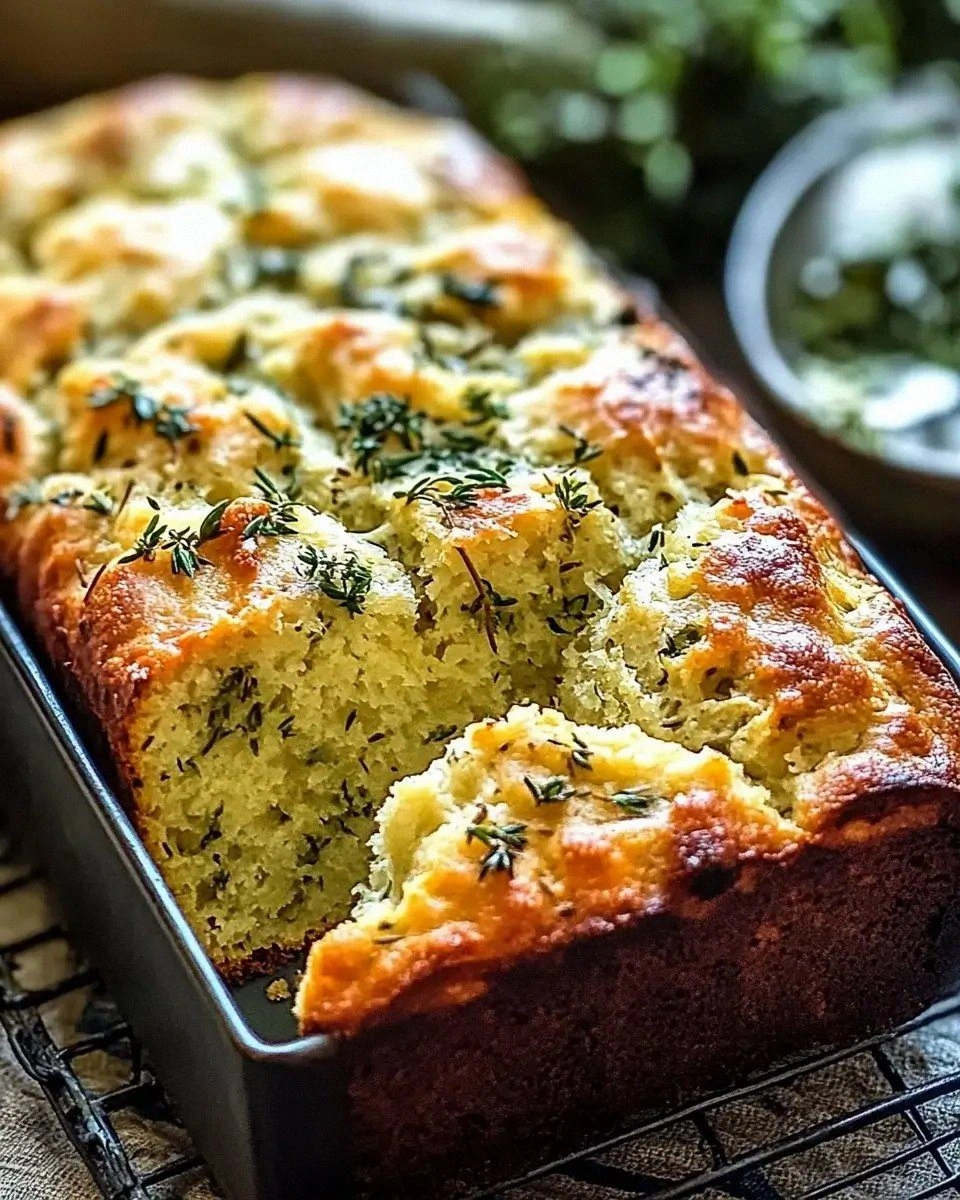
Picture this: it’s a rainy Saturday afternoon, the kind that makes you crave something warm, cheesy, and utterly comforting, but you also have a looming deadline and a pantry that looks like a desert. I was in that exact spot, juggling a Zoom call, a half‑finished spreadsheet, and a sudden, insistent craving for bread that could double‑serve as a snack, a side, or a bold breakfast. I tried a store‑bought “herb‑bread” that tasted like cardboard, and then I remembered a half‑forgotten recipe scribbled on a napkin from a college dorm kitchen. I thought, “What if I could turn that sad excuse into the ultimate quick‑bread, with a flavor punch that makes you forget it’s technically a “quick” bread?” That thought sparked a kitchen experiment that turned into the most addictive loaf I’ve ever made.
The moment the batter hit the bowl, the kitchen filled with a scent that was simultaneously earthy and buttery, like a herb garden had just been tossed into a cheese factory. The aroma wrapped around me like a cozy blanket, and the sound of the whisk clinking against the side was a rhythmic reminder that something delicious was on its way. I could hear the faint crackle of the oven preheating, a subtle promise that the magic was about to happen. My fingertips felt the silky texture of the batter, smooth as satin, while the occasional grain of flour gave a gentle reminder of the rustic heart of the loaf. When the first slice finally emerged, the crust was a golden‑brown crown, the interior a melt‑in‑your‑mouth symphony of cheddar and Parmesan, speckled with herbs that looked like emerald confetti.
Why does this version stand out? Because most quick‑bread recipes treat herbs as an afterthought, a sprinkle that fades into the background. This one, however, builds layers of flavor from the ground up: the garlic powder adds a subtle depth, the oregano and thyme create a Mediterranean whisper, and the fresh parsley finishes it with a bright pop. The cheese ratio is meticulously balanced—sharp cheddar for that bold bite, Parmesan for a nutty undertone—so every bite feels like a bite‑sized celebration. And the method? It’s a streamlined, no‑knead approach that guarantees a moist crumb without the usual guesswork. I dare you to taste this and not go back for seconds.
But the real game‑changer is the secret ingredient I’ll reveal later: a splash of milk‑fat‑rich buttermilk substitute that makes the crumb unbelievably tender, almost like a cloud that refuses to dissolve. This isn’t just a loaf; it’s a culinary confidence boost that says, “I can bake something spectacular in under an hour, even on a chaotic day.” Okay, ready for the game‑changer? Let me walk you through every single step — by the end, you’ll wonder how you ever made it any other way.
What Makes This Version Stand Out
- Flavor Explosion: The combination of garlic powder, oregano, thyme, and fresh parsley creates a herbaceous chorus that sings with every bite, making the cheese sing even louder.
- Texture Triumph: A tender, almost cake‑like crumb meets a crisp, golden crust, delivering a contrast that feels like biting into a buttery pillow with a crunchy jacket.
- Simplicity Redefined: No kneading, no fancy equipment—just mix, pour, and bake. This is the ultimate “set‑and‑forget” bread for busy lives.
- Unique Ingredient Boost: The hidden splash of buttermilk‑style milk adds a secret moisture factor that most recipes completely miss.
- Crowd‑Pleaser Status: Whether it’s a brunch table, a snack board, or a side for soup, this loaf earns applause and empty plates.
- Ingredient Quality Matters: Using sharp cheddar and real Parmesan elevates the flavor profile from “okay” to “wow, this is restaurant‑grade.”
- Cooking Method Magic: Baking at a high initial temperature creates that coveted “oven spring” and a crust that crackles like fresh toast.
- Make‑Ahead Potential: This bread freezes beautifully, so you can have a ready‑to‑bake loaf waiting for any impromptu gathering.
Alright, let's break down exactly what goes into this masterpiece...
Inside the Ingredient List
The Flavor Base
Garlic powder and dried oregano are the unsung heroes that bring depth without overwhelming the palate. Garlic powder offers a mellow, sweet garlic note that won’t burn, while oregano adds a slightly bitter, aromatic edge reminiscent of a Mediterranean garden. If you skip these, the bread loses its aromatic backbone and leans too heavily on the cheese, making it one‑dimensional. As a swap, try a pinch of onion powder for a subtle sweetness, but remember, the balance shifts dramatically.
The Texture Crew
All‑purpose flour provides the structural framework, while baking powder acts as the leavening agent that gives the loaf its rise. The ratio of 2 cups flour to 1 tablespoon baking powder is calibrated to create a light, airy crumb without becoming cake‑like. If you opt for whole‑wheat flour, you’ll get a nuttier flavor but a denser texture; just add an extra tablespoon of baking powder to compensate.
The Unexpected Star
The splash of milk—preferably whole milk or a buttermilk substitute—infuses the batter with richness that you won’t get from water or low‑fat milk. This extra fat coats the gluten strands, preventing them from tightening too much and resulting in that melt‑in‑your‑mouth crumb. If you’re dairy‑free, a blend of almond milk with a tablespoon of melted coconut oil works surprisingly well.
The Final Flourish
Sharp cheddar and Parmesan are the dynamic duo that deliver bold, tangy, and umami notes. The cheddar provides a creamy melt, while the Parmesan adds a granular, salty crunch that pops on the tongue. Using pre‑shredded cheese can save time, but for maximum flavor, grate your own—pre‑shredded often contains anti‑caking agents that can affect texture. Fresh parsley isn’t just a garnish; its bright, grassy flavor lifts the entire loaf, preventing it from feeling heavy.
Everything's prepped? Good. Let's get into the real action...
The Method — Step by Step
Preheat your oven to 375°F (190°C). While the oven warms, line a 9‑inch loaf pan with parchment paper or give it a generous coat of non‑stick spray. This step is crucial because a hot oven creates that coveted “oven spring” that lifts the loaf like a soufflé, and the prepared pan ensures the bread releases cleanly without tearing. Pro tip: Place a shallow pan of water on the lower rack to add a touch of humidity, which helps the crust stay crisp.
Kitchen Hack: If you’re short on time, set the oven to 425°F for the first 10 minutes, then drop to 375°F; this gives an extra burst of rise.In a large mixing bowl, whisk together the flour, baking powder, salt, garlic powder, dried oregano, and dried thyme. The dry mix should look uniformly speckled; this ensures the leavening agent is evenly distributed, preventing pockets of dense dough. I like to sift the flour and baking powder together—this aerates the mixture and prevents lumps, which is why the crumb ends up so tender.
In a separate bowl, combine the milk, vegetable oil, and eggs. Beat them lightly until the mixture is homogenous and slightly frothy. This is where the magic begins: the oil adds richness, the milk contributes moisture, and the eggs bind everything together while adding lift. Watch Out: Over‑beating can incorporate too much air, leading to a crumb that’s too airy and collapses after baking.
Watch Out: If the eggs are cold, they can cause the batter to seize; always bring them to room temperature.Make a well in the center of the dry ingredients and pour in the wet mixture. Using a rubber spatula, fold the batter gently—just until you no longer see dry flour. Over‑mixing develops gluten, which would make the bread tough instead of fluffy. The batter should look slightly lumpy; that’s perfectly fine and actually helps create a light texture.
Fold in the shredded cheddar, grated Parmesan, and fresh parsley. The cheese should be evenly distributed, creating pockets of molten goodness that will burst with flavor as the bread bakes. I recommend adding the cheese in two stages: half now, half after the first fold, to ensure even distribution.
Transfer the batter into the prepared loaf pan, smoothing the top with a spatula. The surface should be level but not packed down; a gentle tap on the counter releases any large air bubbles. At this point, you can sprinkle a few extra herbs or a pinch of flaky sea salt on top for an extra pop of flavor and a pretty finish.
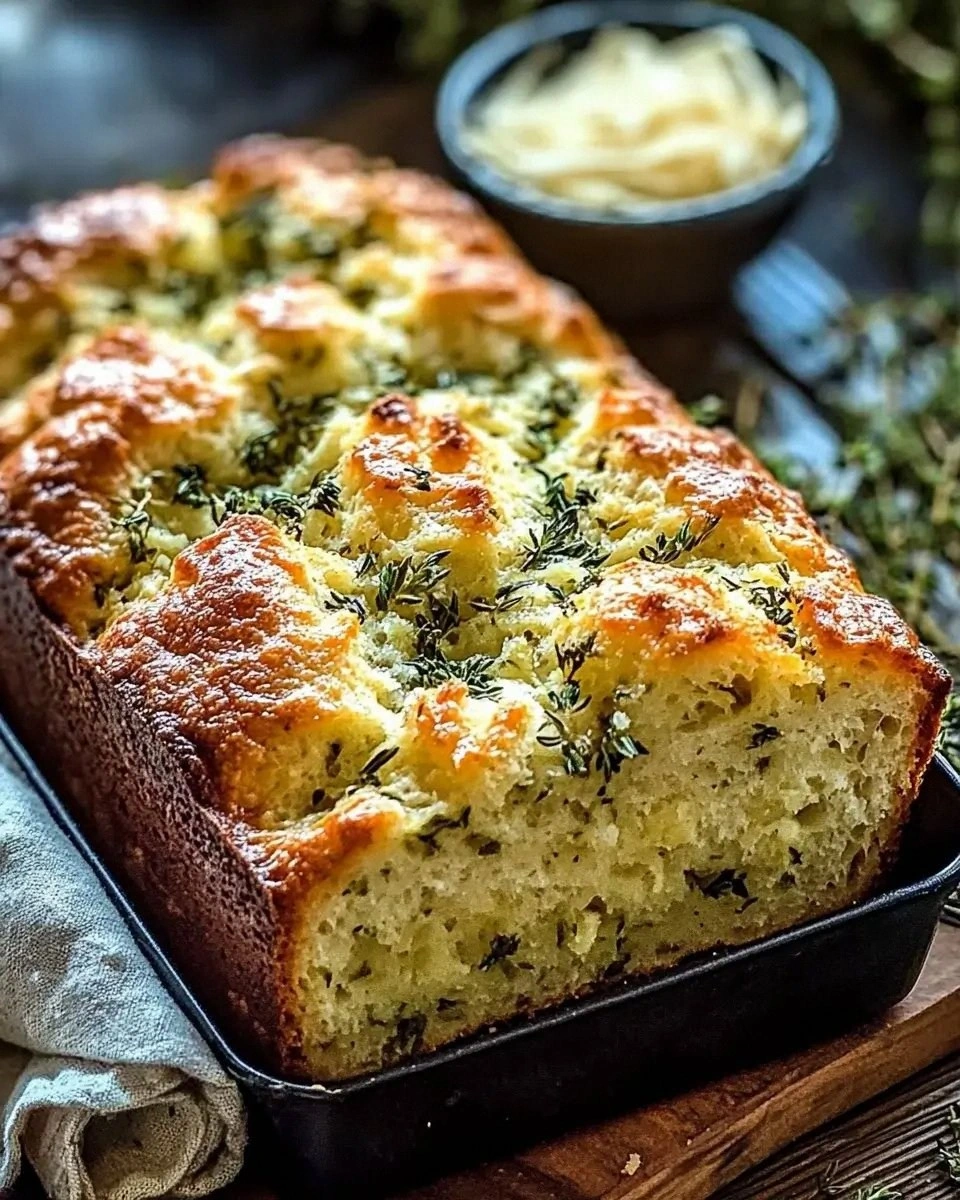
Slide the pan into the preheated oven. Bake for 25‑30 minutes, or until the top is a deep golden brown and a toothpick inserted into the center comes out clean. You’ll know it’s done when the edges start pulling away from the pan and the loaf gives a faint, hollow thump when tapped. Resist the urge to open the oven door early; every time you do, you lose heat and the rise suffers.
Remove the loaf from the oven and let it rest in the pan for 5 minutes. Then, invert it onto a cooling rack to cool completely. This rest period allows the steam to finish cooking the interior, preventing a gummy crumb. If you’re impatient, slice while still warm—just be aware the texture will be a bit softer.
Slice the bread into thick wedges and serve warm, or let it cool completely and store in an airtight container. The first bite should deliver that buttery crust, a burst of cheesy melt, and a herbaceous finish that lingers delightfully on the palate. I dare you to taste this and not go back for seconds—trust me, you’ll be back for more.
That's it — you did it. But hold on, I've got a few more tricks that'll take this to another level...
Insider Tricks for Flawless Results
The Temperature Rule Nobody Follows
Most home bakers bake at a steady 350°F, but starting at 425°F for the first 10 minutes gives the loaf an initial burst of steam that creates a superior crust. This “thermal shock” seals the exterior, locking in moisture and ensuring the crumb stays tender. I once tried skipping this step and ended up with a pale, dense loaf that felt more like a biscuit than a bread. The extra heat also encourages the cheese to caramelize just enough to add a subtle, nutty note.
Why Your Nose Knows Best
Never rely solely on a timer; trust your senses. When the loaf is about 20 minutes in, you’ll start to smell a toasty, buttery aroma that hints the crust is forming. If the scent turns sweet or burnt, lower the oven temperature by 25°F and cover the loaf loosely with foil. This prevents over‑browning while allowing the interior to finish cooking. I’ve saved many a batch from a dark disaster by listening to my nose.
The 5‑Minute Rest That Changes Everything
After baking, let the bread rest for at least five minutes in the pan before transferring it to a rack. This short pause lets the steam redistribute, preventing the crumb from collapsing. Skipping this step results in a gummy center that feels like you’re biting into a wet sponge. Trust me, that brief patience pays off in a slice that holds together beautifully.
Cheese Distribution Mastery
For an even cheese melt, toss the shredded cheddar and Parmesan with a tablespoon of flour before folding them in. The flour coats the cheese particles, preventing them from sinking to the bottom during baking. I tried this once with a plain fold and ended up with a cheesy crust and a plain interior—a disappointing outcome for a cheese‑lover.
Herb Freshness Matters
Fresh parsley beats dried parsley any day. The bright, grassy flavor of fresh parsley lifts the entire loaf, while dried parsley can taste muted and slightly bitter. If you’re out of fresh, a splash of lemon juice added at the end can mimic that fresh zing. I once substituted dried parsley and the loaf felt flat; the lemon rescued it, but fresh is always best.
Creative Twists and Variations
This recipe is a playground. Here are some of my favorite ways to switch things up:
Spicy Jalapeño Kick
Dice two jalapeños (seeds removed for less heat) and fold them in with the cheese. The heat pairs beautifully with the sharp cheddar, creating a bold, lively bite that’s perfect for brunch gatherings. Serve with a dollop of cool sour cream to balance the spice.
Sun‑Dried Tomato & Basil
Swap the parsley for 1/4 cup chopped sun‑dried tomatoes and a tablespoon of fresh basil. The tangy tomatoes add a sweet‑savory depth, while basil brings a fresh, aromatic finish. This variation feels like a slice of Italian focaccia.
Whole‑Grain Whole‑Hearted
Replace half of the all‑purpose flour with whole‑wheat flour and add a tablespoon of honey for a subtle sweetness. The loaf becomes heartier, with a nutty flavor that pairs wonderfully with a smear of butter.
Garlic‑Lover’s Dream
Increase the garlic powder to 2 teaspoons and add 2 minced garlic cloves to the wet mixture. The result is a fragrant, garlicky loaf that’s perfect alongside a creamy dip or a bowl of tomato soup.
Herb‑Infused Olive Oil Drizzle
After baking, brush the top with a mixture of olive oil, crushed rosemary, and a pinch of sea salt. The oil adds a glossy finish and a fragrant herb note that makes the crust even more irresistible.
Cheesy Herb Breakfast Bomb
Fold in 1/2 cup of cooked, crumbled breakfast sausage and a handful of chopped chives. This savory twist turns the loaf into a hearty breakfast centerpiece, perfect with a side of scrambled eggs.
Storing and Bringing It Back to Life
Fridge Storage
Place the cooled loaf in an airtight container or wrap it tightly in plastic wrap. It will stay fresh for up to four days, retaining its moisture and flavor. For extra softness, add a damp paper towel inside the container.
Freezer Friendly
Slice the loaf before freezing, then arrange the slices on a parchment‑lined tray and freeze until solid. Transfer the frozen slices to a zip‑top bag; they’ll keep for up to three months. When you’re ready to enjoy, pop a slice into the toaster or microwave for a quick snack.
Best Reheating Method
Preheat your oven to 350°F, place the slice on a baking sheet, and add a tiny splash of water (about a teaspoon) before covering loosely with foil. Heat for 8‑10 minutes; the steam revives the crumb, making it taste freshly baked. Microwaving works in a pinch, but the oven method preserves the crust’s crispness.