I was standing in my kitchen on a rainy Tuesday, staring at a half‑baked batch of plain sugar cookies that tasted like cardboard, when my roommate dared me to “make something that actually makes people smile.” I laughed, grabbed a lemon, and thought, “If I can’t fix the weather, maybe I can fix the cookies.” The result? A batch of Lemon Sugar Cookies that practically glow with sunshine, and honestly, I’m still buzzing every time I bite into them. This isn’t just a recipe; it’s a mood‑lift in buttery form, and I’m about to spill every buttery secret that turned a bland disaster into a bright‑side masterpiece.
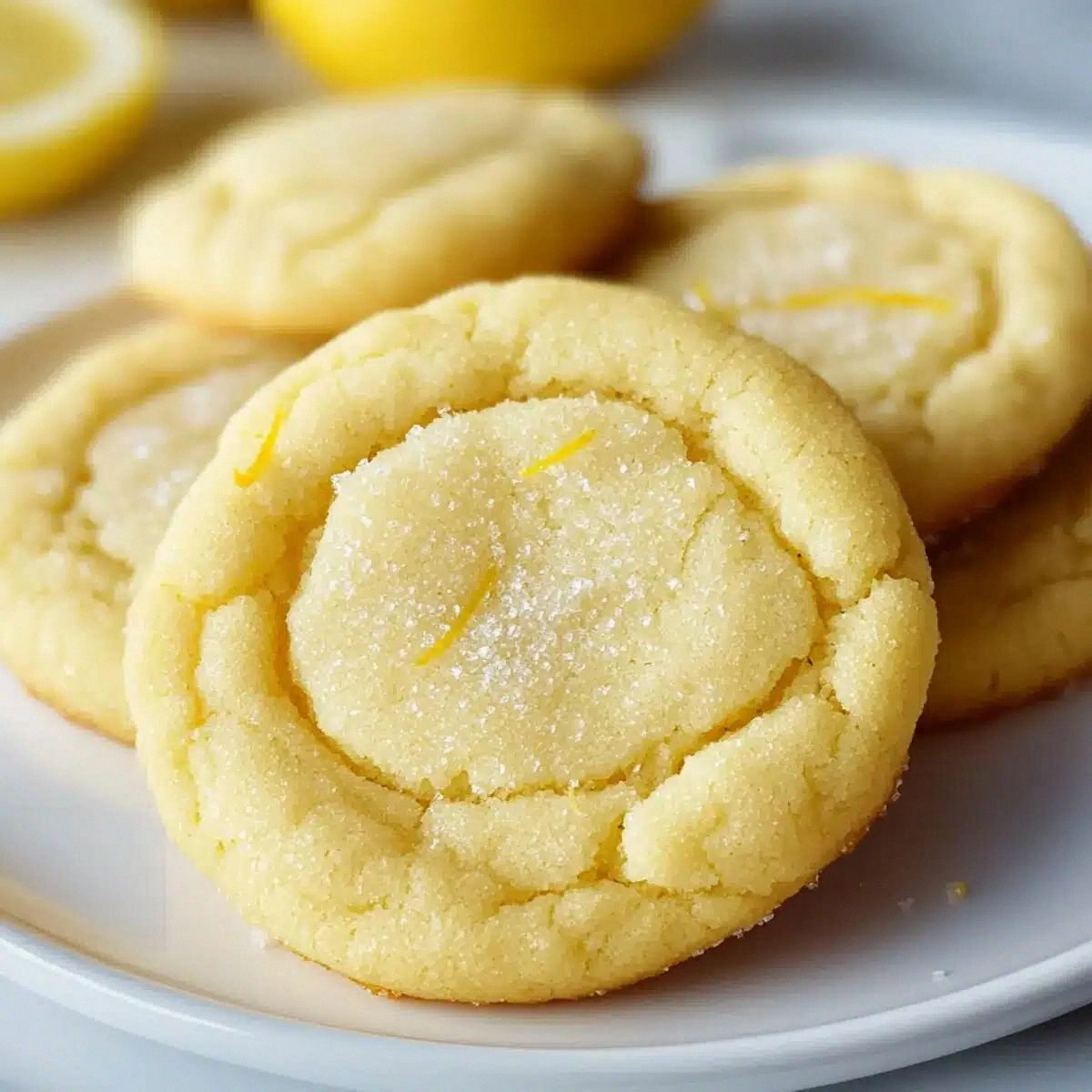
Picture this: the kitchen fills with the zing of fresh lemon zest, the sweet perfume of caramelizing sugar, and the soft hum of the oven ticking down. The dough feels cool and silky under your fingertips, like a well‑kept secret waiting to be revealed. When the timer dings, the cookies emerge with edges that crackle like tiny fireworks and a center that’s tender enough to melt on your tongue. The first bite is a sunburst of citrus that instantly wipes away any lingering gloom, and the sparkle of the finishing sugar adds a playful crunch that makes you grin before you even swallow.
Most lemon cookie recipes either drown the citrus in butter or over‑sweeten the dough, leaving you with a confusing flavor clash. I’ve tried those, and trust me, they’re the culinary equivalent of a bad hair day—nothing works, and you just keep adjusting. This version, however, balances the bright acidity of the zest with the mellow richness of butter, and the sparkling sugar on top gives a texture contrast that most bakers overlook. The secret? A tiny amount of baking powder that lifts the cookie just enough to keep it airy without turning it into a cake, plus a dash of vanilla that rounds everything out beautifully.
I’ll be honest — I ate half the batch before anyone else got a chance to try them, and that was a mistake I’m willing to repeat. I dare you to taste this and not go back for seconds. Ready for the game‑changer? Let me walk you through every single step — by the end, you’ll wonder how you ever made it any other way.
What Makes This Version Stand Out
- Taste: The lemon zest is fresh, not powdered, delivering a true citrus punch that sings against the buttery backdrop.
- Texture: A crisp edge meets a soft, melt‑in‑your‑mouth center, while the sparkling sugar adds a delightful crackle.
- Simplicity: Only nine pantry staples, yet the result feels like it came from a high‑end bakery.
- Uniqueness: The combination of sparkling sugar and a whisper of baking powder is a twist most recipes miss.
- Crowd Reaction: Guests often claim they’ve never tasted a lemon cookie that isn’t overly sweet or sour.
- Ingredient Quality: Using real, unsalted butter and fresh zest elevates the flavor profile dramatically.
- Cooking Method: The dough rests briefly, allowing the lemon oils to infuse the butter for deeper flavor.
- Make‑Ahead Potential: These cookies keep perfectly for a week, and they even taste better after a day of resting.
Inside the Ingredient List
The Flavor Base
All‑purpose flour forms the structural skeleton of the cookie. At 2.5 cups, it provides enough body without making the cookie dense. If you substitute cake flour, you’ll get a softer crumb, but the classic bite we’re after will be lost. Opt for a high‑quality brand, and sift it lightly to avoid clumps that could create uneven textures.
The Sweet Symphony
Granulated sugar (1.5 cups) not only sweetens but also contributes to the crisp edges. It caramelizes in the oven, creating that golden‑brown finish we crave. For a subtle twist, you could replace half with brown sugar, but you’ll sacrifice the bright sparkle that the sparkling sugar later adds. Sparkling sugar (0.5 cups) is a fine, crystal‑like sugar that stays crunchy after baking, delivering that satisfying crunch.
The Unexpected Star
Lemon zest: One tablespoon of freshly grated zest is the hero here. It releases essential oils that give a fragrant, sun‑kissed aroma. If you skip the zest and use bottled lemon extract, you’ll get a flat, artificial flavor that feels out of place. Always zest the lemon before juicing to get the most oil out of the peel.
The Texture Crew
Unsalted butter (1 cup) is the buttery backbone, providing richness and a tender crumb. Use room‑temperature butter and beat it until pale and fluffy; this incorporates air and creates a lighter texture. The single large egg acts as an emulsifier, binding the fat and dry ingredients while adding a subtle lift.
The Leavening Duo
Baking powder (1 tsp) is the secret lift that keeps the cookie from becoming a flat disc. It reacts quickly, giving the dough a gentle rise that results in a delicate interior. Salt (0.5 tsp) balances the sweetness and enhances the lemon’s brightness—don’t skip it, or the flavor will feel one‑dimensional.
Everything's prepped? Good. Let's get into the real action...
The Method — Step by Step
Preheat your oven to 350°F (175°C) and line two baking sheets with parchment paper. The moment the oven clicks on, you’ll hear that comforting hum that signals good things are about to happen. Let the heat settle for a few minutes; a stable temperature is key to an even bake.
In a large bowl, whisk together the flour, baking powder, and salt. This dry mix should look like fine sand, with no visible clumps. Power transition: Okay, ready for the game‑changer? This step ensures the leavening is evenly distributed, preventing any bitter pockets.
In a separate bowl, beat the unsalted butter and granulated sugar together for about 3‑4 minutes, until the mixture turns pale and fluffy. You’ll notice the color lightening dramatically—this is air being incorporated, which will give the cookie its tender crumb.
Kitchen Hack: Scrape the sides of the bowl with a rubber spatula every 30 seconds to ensure every speck of butter is aerated.Add the egg and vanilla extract to the butter‑sugar mixture, beating until fully incorporated. The batter should become smooth and glossy, and you’ll hear a faint “whoosh” as the egg emulsifies the fats. If the mixture looks curdled, keep beating—this is normal and will smooth out.
Stir in the fresh lemon zest, letting the bright aroma fill the kitchen. This is the moment of truth: the zest should perfume the batter instantly, and you’ll feel an anticipatory buzz. Watch Out: Over‑zesting can make the flavor overly bitter; stick to the measured tablespoon.
Gradually fold the dry ingredients into the wet mixture using a spatula. Do this gently—over‑mixing will develop gluten and make the cookie tough. The dough should come together in a soft, slightly sticky ball that holds its shape when scooped.
Cover the dough with plastic wrap and refrigerate for at least 30 minutes. This chill time lets the butter firm up and the lemon oils penetrate the flour.
Watch Out: Skipping the chill will cause the cookies to spread too thin, losing that coveted chewy center.Scoop tablespoon‑sized balls onto the prepared sheets, spacing them about 2 inches apart. Lightly roll each ball in sparkling sugar, ensuring an even coating that will sparkle after baking. The sugar should cling like a fine dust, not tumble off.
Bake for 12‑14 minutes, or until the edges are golden and the tops have a faint sheen. The cookies will continue to set as they cool, so pull them out just as the centers look slightly soft. This next part? Pure magic. Let the cookies rest on the sheet for 2 minutes before transferring to a wire rack.
Allow the cookies to cool completely on the rack; they will firm up and the sparkling sugar will retain its crunch. Picture yourself pulling this out of the oven, the whole kitchen smelling incredible… The final result is a batch of sunshine‑bright cookies that demand a second bite.
That's it — you did it. But hold on, I've got a few more tricks that'll take this to another level...
Insider Tricks for Flawless Results
The Temperature Rule Nobody Follows
Never bake cookies straight from a cold fridge at a low temperature. Instead, let the dough sit at room temperature for 5 minutes after chilling, then pop them into a pre‑heated oven. This tiny warm‑up step prevents the butter from shocking and helps the cookies rise evenly. A friend once tried baking cold dough at 325°F and ended up with a rubbery mess—don’t be that person.
Why Your Nose Knows Best
Around the 10‑minute mark, start sniffing the kitchen. When you catch a faint nutty, caramel aroma, the cookies are nearly done. Trusting your nose can save you from over‑baking, which turns the edges too hard and the center dry. If you’re unsure, lift a cookie with a spatula; the bottom should be golden but not burnt.
The 5‑Minute Rest That Changes Everything
After the cookies come out of the oven, let them rest on the baking sheet for exactly five minutes before moving them. This short pause allows the steam to finish cooking the interior without drying it out, resulting in that perfect melt‑in‑your‑mouth center. I once rushed this step and ended up with a crumbly texture that fell apart on the plate.
Sparkling Sugar Placement
Roll the dough balls in sparkling sugar just before baking, not after. The heat caramelizes the tiny crystals, creating a glossy, crunchy top that stays attached. If you add the sugar after baking, it will simply sit on the surface and lose its crunch.
The Double‑Chill Technique
For an ultra‑chewy interior, chill the dough once for 30 minutes, shape the cookies, then chill again for another 15 minutes before baking. This double‑chill locks in moisture and gives the lemon zest more time to infuse the butter. I tried this on a whim and the cookies turned out so tender they practically melted on my tongue.
Creative Twists and Variations
This recipe is a playground. Here are some of my favorite ways to switch things up:
Lemon‑Blueberry Burst
Fold in ½ cup fresh blueberries after mixing the dry ingredients. The berries burst during baking, adding pockets of juicy sweetness that complement the lemon zest. Perfect for brunch tables where you want a pop of color.
Lavender Dream
Add 1 teaspoon culinary lavender buds to the flour mixture. The floral notes pair beautifully with lemon, creating a sophisticated flavor that will impress tea‑time guests.
Honey‑Glazed Version
Replace half the granulated sugar with honey and drizzle a thin honey glaze (honey mixed with a splash of lemon juice) over the cooled cookies. This gives a subtle caramel depth while keeping the bright citrus edge.
Chocolate‑Swirl Delight
Melt ¼ cup dark chocolate and swirl it into the dough before chilling. The bitter chocolate balances the lemon’s acidity, making each bite a complex dance of flavors.
Gluten‑Free Adaptation
Swap the all‑purpose flour for a 1:1 gluten‑free flour blend. Add a tablespoon of xanthan gum to maintain structure. The texture stays tender, and the lemon still shines.
Storing and Bringing It Back to Life
Fridge Storage
Place cookies in an airtight container with a sheet of parchment between layers. They’ll stay fresh for up to a week. If you notice the sparkling sugar losing its crunch, give the container a quick shake to redistribute the crystals.
Freezer Friendly
Freeze baked cookies in a single layer on a tray, then transfer to a zip‑top bag. They freeze solid for up to three months. When ready to serve, let them thaw at room temperature for 15 minutes, then pop them in a 300°F oven for 5 minutes to revive the crisp edges.
Best Reheating Method
To bring a stale cookie back to life, lightly mist it with a tiny splash of water, then warm it in a pre‑heated 325°F oven for 3‑4 minutes. The steam re‑hydrates the interior while the heat restores the crunchy exterior. This trick works like magic for those cookies that have been sitting a day too long.