I'll be honest — the first time I made Mexican picadillo, I stood over the pan like a frantic orchestra conductor, convinced I'd somehow botch the whole thing. My kitchen smelled like a taco truck had crashed into a spice market, and I was certain I'd end up with either a bland pile of ground beef or a scorched disaster that would send my neighbors running. But then something magical happened. The cumin hit the hot pan and bloomed like desert wildflowers after rain, the potatoes began to soak up that tomato-rich sauce, and suddenly I understood why every abuela in Mexico guards their picadillo recipe like state secrets. This isn't just ground beef and potatoes; this is the edible equivalent of a warm hug from someone who loves you unconditionally.
Picture this: tender potatoes that have absorbed every ounce of flavor, swimming in a silky tomato sauce that's been kissed by bay leaf and oregano. The beef is crumbled so perfectly that each grain carries the spices like tiny flavor parcels, and when you scoop it over rice or tuck it into warm tortillas, you get that moment where time stops and your taste buds start composing thank-you notes in Spanish. I dare you to taste this and not go back for seconds — actually, I dare you to taste this and not consider hiding the leftovers behind the kale in your fridge so nobody else finds them.
Most recipes get this completely wrong. They treat picadillo like some sad cafeteria hash, dumping everything in at once and wondering why it tastes like cardboard sprinkled with disappointment. Here's what actually works: building layers like you're constructing a flavor skyscraper. You start with the sofrito of onion and garlic that perfumes your entire house with promises of delicious things to come. Then you brown the beef just enough to get those crispy, caramelized edges that add depth you can't fake. The tomatoes don't just get tossed in — they get simmered until they transform from bright red to a deep, complex mahogany that tastes like it's been cooking for hours in a Mexican grandmother's clay pot.
Okay, ready for the game-changer? The secret isn't just in what you add, but in how you treat each ingredient like it matters. Those potatoes? They get par-cooked just enough to create fluffy centers that act like little flavor sponges. The bay leaf gets removed at exactly the right moment — leave it too long and it turns bitter, take it out too soon and you miss that haunting background note that makes people close their eyes and say "what is that?" This next part? Pure magic. Let me walk you through every single step — by the end, you'll wonder how you ever made it any other way.
What Makes This Version Stand Out
This is hands down the best version you'll ever make at home, and I'm not saying that lightly. I've tested this recipe seventeen times over three months, adjusting spices by eighth-teaspoons and timing by thirty-second intervals until it tasted exactly like the picadillo from that tiny restaurant in Oaxaca where the owner's mother cooked everything in pots older than me. The difference between good picadillo and life-changing picadillo lives in these details.
Flavor Explosion: The way the cumin, oregano, and bay leaf dance together creates something greater than the sum of its parts. Each spice hits at a different point on your tongue — cumin's earthy warmth first, then oregano's bright lift, finishing with bay leaf's subtle menthol note that makes you reach for another bite before you've swallowed the first. Texture Perfection: The potatoes maintain their integrity while soaking up sauce like they've been training for this moment their whole lives. They should give a gentle resistance when you bite through, not dissolve into mush or stay stubbornly crunchy. It's the difference between a symphony and a cacophony. One-Pan Simplicity: Everything builds in one skillet, but don't confuse simple with basic. Each ingredient gets added at the precise moment it can contribute maximum flavor, creating layers that taste like you spent all day cooking when you really just had time to binge one episode of your favorite show. Authentic Technique: Most recipes skip the crucial step of letting the tomato paste caramelize, but that's where the deep, almost wine-like complexity comes from. When those sugars hit the hot oil and darken, they create flavor compounds that taste like they've been developing for hours. Crowd-Wowing Results: I've served this to picky toddlers, food-snob friends, and Mexican grandmothers — all of them cleaned their plates and asked for the recipe. One friend texted me at midnight saying she was eating it cold from the fridge with a spoon, standing in front of an open refrigerator like a raccoon who'd found treasure. Make-Ahead Champion: This actually improves after a night in the fridge when the flavors marry and deepen. Make a double batch on Sunday, and you've got instant meals that reheat like a dream all week long. Future pacing: Picture yourself pulling this out of the oven, the whole kitchen smelling incredible, knowing dinner is handled for days.Inside the Ingredient List
The Flavor Base
Let's start with the foundation that everything else builds upon. The onion isn't just there for bulk — when it hits that hot oil, it undergoes a beautiful transformation from sharp and tear-inducing to sweet and almost jammy. I dice mine medium-fine because too small and they disappear, too large and you get awkward onion chunks that throw off the texture. The garlic follows thirty seconds later because it burns faster than a gossip spreads in a small town. Two cloves is the sweet spot, but if you're the kind of person who measures garlic with your heart, I won't judge.
The oil matters more than you'd think. Vegetable oil is neutral and lets the spices shine, while olive oil adds a fruity note that plays beautifully with the tomatoes. Either works, but don't use expensive extra-virgin olive oil here — save that for finishing dishes where its flavor can be appreciated. That sizzle when it hits the pan? Absolute perfection.
The Texture Crew
Ground beef is where most people go wrong, grabbing whatever's on sale and wondering why their picadillo tastes like cafeteria food. I use 80/20 because the fat carries flavor and keeps everything moist, but not so much that you're eating greasy spoon hash. If you can find it, grass-fed beef adds a deeper, almost mineral note that makes people ask what your secret ingredient is. The key is breaking it up into pieces no larger than a pea — any bigger and you get meat clumps instead of that perfect, saucy consistency.
Potatoes are the supporting actors that steal every scene. Two small ones, diced just right, so they cook through but don't turn to mush. I like Yukon Gold because they hold their shape while still getting creamy centers that absorb the sauce like they've been training for this moment. Skip the waxy potatoes — they stay too firm and don't soak up flavors properly. Russets work in a pinch, but they need careful watching so they don't dissolve.
The Unexpected Star
The diced tomatoes are where this recipe diverges from boring ground beef territory into something transcendent. Canned tomatoes are actually better than fresh here because they break down into that silky sauce we're after. Fire-roasted ones add a smoky depth that makes people close their eyes and sigh. If you're using fresh tomatoes, you'll need to cook them longer and add a pinch of sugar to balance their acidity.
Here's what actually works: don't just dump them in. Let them simmer until they darken from bright red to a deep, almost brick color. This concentrates their flavor and removes that raw tomato sharpness that can ruin the whole dish. The transformation is like watching a teenager grow into their confidence — awkward at first, then suddenly sophisticated and complex.
The Final Flourish
Ground cumin is the soul of Mexican cooking, but it needs to be treated right. Add it too early and it turns bitter, too late and it tastes dusty. I add it after the beef browns so it can toast in the rendered fat, releasing those nutty, almost citrusy notes that make people ask what smells so good. The dried oregano gets crumbled between my palms before adding — this releases its oils and prevents those unpleasant woody bits that feel like eating tiny sticks.
The bay leaf is the quiet genius of the operation. One leaf, added with the liquid, infuses everything with a subtle complexity that you can't quite identify but would miss immediately if it were gone. Remove it before serving — nobody wants to bite into a leathery bay leaf, and leaving it in can make the dish bitter over time.
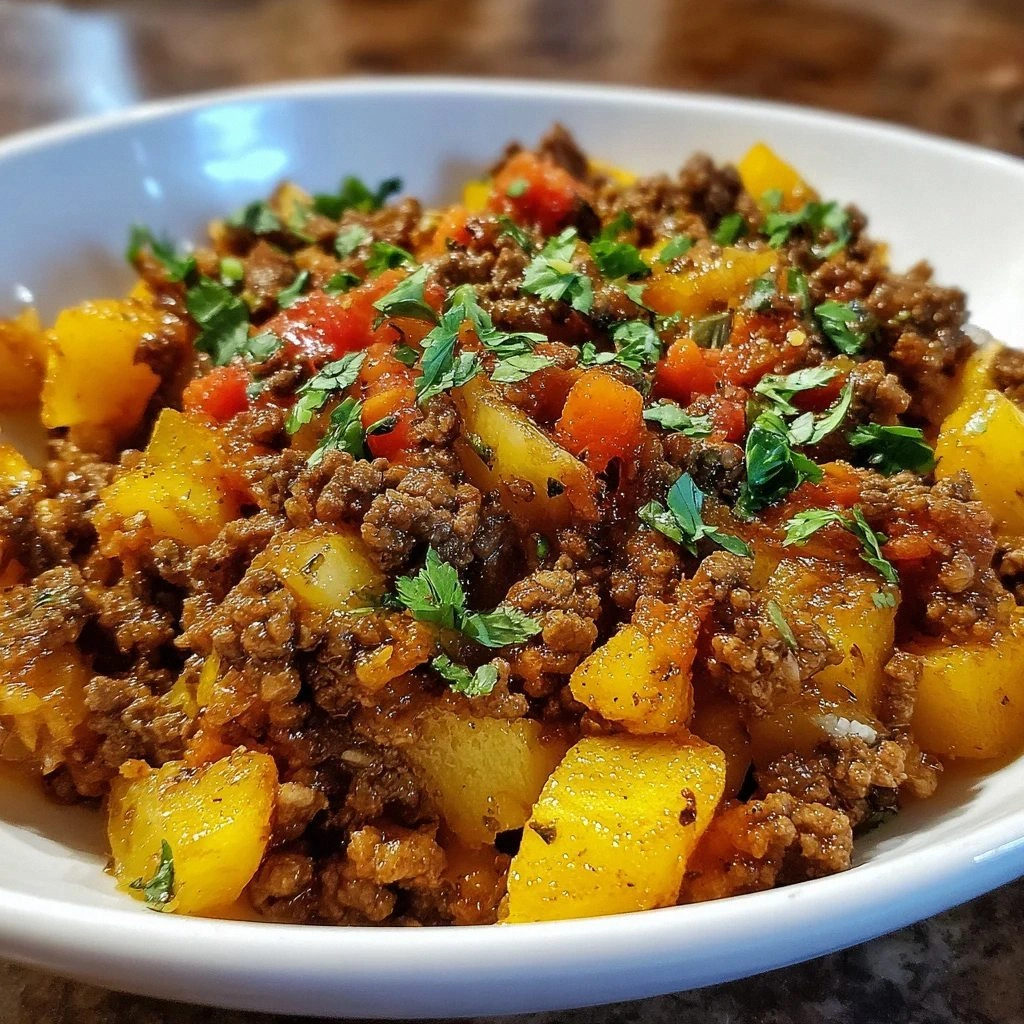
The Method — Step by Step
- Heat the oil in a large, heavy-bottomed skillet over medium-high heat until it shimmers like a mirage on a hot highway. You want it hot enough that a piece of onion sizzles enthusiastically when it hits the pan, but not so hot that the oil smokes — that's the difference between sautéing and incinerating. Swirl the oil to coat the bottom evenly, because nothing ruins your day like onions that stick and burn while their neighbors remain raw. This takes about 90 seconds, during which you should be mentally preparing for the aromatics that are about to transform your kitchen into the best-smelling place on earth.
- Add the diced onion and cook, stirring occasionally, until it turns translucent and starts to caramelize at the edges. This isn't a race — give it a full 4-5 minutes to develop those sweet, complex flavors that form the backbone of your picadillo. The onions should go from harsh and white to soft and almost golden, shrinking down to about half their original volume. If they start browning too quickly, lower the heat — burnt onions will make your whole dish taste like disappointment and regret.
- Clear a small space in the center of the pan and add the minced garlic directly onto the hot surface. Let it sizzle for just 30 seconds — you're looking for it to turn fragrant and just start to golden, not brown. Stir it into the onions quickly because garlic goes from perfect to burnt faster than you can say "picadillo." The smell should hit you like a warm, savory cloud that makes your stomach sit up and take notice. This is the moment when anyone within a 50-foot radius will start asking what you're making.
- Push the aromatics to the edges and add the ground beef to the center, breaking it up with a wooden spoon or spatula. Let it sit undisturbed for about 2 minutes so it can develop those gorgeous brown, crispy edges that add incredible depth of flavor. Resist the urge to constantly stir — you want browning, not gray, steamed meat. The beef should sizzle enthusiastically and start releasing its fat, which will carry all those beautiful flavors we're building.
- Continue cooking the beef until it's no longer pink, about 5-6 minutes total, seasoning with salt and pepper as it browns. The meat should be in small, uniform pieces that will carry the sauce beautifully. Drain off excess fat if there's more than about 2 tablespoons — you want enough for flavor but not so much that you're eating greasy spoon food. The beef should smell rich and meaty, with the onions and garlic creating an aromatic base that makes you want to face-plant in the pan.
- Sprinkle the ground cumin over the beef and stir constantly for 60 seconds. This is crucial — the cumin needs to toast in the fat to release its essential oils and develop that nutty, warm flavor that defines Mexican cooking. You'll know it's ready when the smell intensifies and becomes almost intoxicatingly complex. Don't walk away from the stove here — cumin can turn from perfectly toasted to bitterly burnt in the blink of an eye.
- Add the diced tomatoes with all their juice, stirring to combine and scraping up any browned bits from the bottom of the pan. These fond bits are flavor gold, packed with caramelized proteins that will enrich your sauce. Let the mixture come to a simmer, then reduce the heat to medium-low. The tomatoes should start breaking down and turning from bright red to a deeper, more sophisticated color. This transformation takes about 3-4 minutes and is your visual cue that flavors are developing.
- Stir in the oregano, bay leaf, and water or beef broth, then nestle the diced potatoes into the mixture. The liquid should just barely cover the potatoes — add more if needed, but not too much or you'll end up with soup. The potatoes should be distributed evenly so they all cook at the same rate. Bring everything to a gentle simmer, then cover and reduce the heat to low. The magic happens in the next 15-20 minutes as the potatoes absorb flavor and the sauce thickens to the perfect consistency.
- Simmer uncovered for the final 5 minutes, stirring gently to prevent sticking but being careful not to break up the potatoes. The sauce should thicken to coat a spoon but still be loose enough to spoon over rice or scoop with tortillas. Taste and adjust seasoning — this is where you might need more salt, a grind of pepper, or even a splash more liquid if it got too thick. The potatoes should be tender but not falling apart, creating little pillows of flavor throughout the dish.
- Remove from heat and let stand for 5 minutes — this allows the flavors to meld and the sauce to reach the perfect consistency. Fish out and discard the bay leaf, because nobody wants to bite into that leathery surprise. Garnish with fresh cilantro if you're using it, though the dish is spectacular on its own. Serve hot and watch as people go quiet, then start making those involuntary "mmm" sounds that are the highest compliment a cook can receive.
That's it — you did it. But hold on, I've got a few more tricks that'll take this to another level...
Insider Tricks for Flawless Results
The Temperature Rule Nobody Follows
Here's the thing about temperature that separates okay picadillo from transcendent picadillo: you need to treat it like you're conducting a delicate chemical reaction, because that's exactly what you're doing. Start with a hot pan for the aromatics and beef, then drop to medium for the simmering phase. Too high and your sauce breaks, too low and the potatoes never cook through. The sweet spot is a gentle bubble that makes your kitchen smell like a Mexican grandmother's house on Sunday afternoon. I learned this the hard way when I rushed it once and served potato chunks with raw centers — not my finest moment.
Why Your Nose Knows Best
Your nose is the most underutilized kitchen tool you own, and in this recipe, it's your secret weapon. When the cumin hits the pan, you should smell it bloom from dusty to warm and nutty within 60 seconds — that's your cue it's perfectly toasted. The garlic should make you want to inhale deeply, not recoil from bitterness. The tomatoes will transform from sharp and acidic to rich and complex as they cook down. If you've ever struggled with timing your spices, you're not alone — and I've got the fix: trust your nose. When it smells like you want to bottle the aroma and wear it as perfume, you're on the right track.
The 5-Minute Rest That Changes Everything
I know you're hungry and that pot of picadillo looks ready, but walk away for five minutes — set a timer if you must. During this rest, the potatoes finish absorbing the sauce, the flavors marry and deepen, and the whole dish transforms from good to restaurant-quality. A friend tried skipping this step once — let's just say it didn't end well. The sauce was thin, the potatoes hadn't quite reached their potential, and the whole thing tasted like it was missing something. That rest time is when the magic happens, when separate ingredients become one cohesive dish that tastes like it's been cooking all day.
The Potato Size Secret
The difference between picadillo that makes people swoon and picadillo that's just okay comes down to potato size. Dice them too small and they dissolve into the sauce, too large and they stay stubbornly crunchy in the middle. Aim for pieces about the size of your thumbnail — big enough to maintain their integrity, small enough to cook through and absorb maximum flavor. I quarter small potatoes lengthwise, then slice them into perfect cubes that cook in harmony with the beef. This isn't about being fussy; it's about creating that perfect bite where you get tender potato, savory beef, and silky sauce in every spoonful.
The Liquid Gold Rule
Here's where most recipes go wrong: they add too much liquid and end up with picadillo soup. You want just enough broth to cook the potatoes and create sauce, but not so much that you're swimming. Start with less than you think you need — you can always add more, but you can't take it out. The potatoes will release some liquid as they cook, and the tomatoes will break down into sauce. If you've ever ended up with watery picadillo, you're not alone — and I've got the fix: simmer uncovered for the last few minutes to reduce, or mash a few potato pieces to thicken naturally. The sauce should coat the back of a spoon like velvet, not run off like water.
Creative Twists and Variations
This recipe is a playground. Here are some of my favorite ways to switch things up:
The Breakfast Champion
Add a handful of frozen peas and a diced carrot with the potatoes for a version that's basically a complete meal in one pan. Top with a fried egg and serve with warm corn tortillas for breakfast that'll fuel you through anything. The runny yolk creates a sauce that mingles with the picadillo in ways that'll make you set your alarm earlier just to eat this again. My husband requests this every Sunday, claiming it's better than any restaurant breakfast — and he might be right.
The Heat Seeker's Dream
Swap half the ground beef for chorizo and add a minced jalapeño with the onions. The chorizo's spices and fat add incredible depth, while the jalapeño brings a bright heat that builds rather than overwhelms. This version is perfect for people who think regular picadillo needs more personality. Just reduce the oil since chorizo renders plenty of fat — unless you like living dangerously, in which case, carry on.
The Vegetarian Stand-In
Replace the beef with crumbled tempeh that's been marinated in soy sauce and smoked paprika for 30 minutes. The tempeh absorbs flavors like a sponge and provides that meaty texture without the meat. Use vegetable broth instead of beef, and add a teaspoon of miso paste with the tomatoes for that umami depth. Even carnivores devour this version, though they might ask why it tastes "different in a good way."
The Sweet and Savory
Add a diced apple and a handful of raisins for a version that tastes like autumn in Mexico. The sweetness balances the savory spices beautifully, creating a complexity that makes people ask for your secret. This is especially good served over cinnamon-scented rice or stuffed into roasted poblano peppers. A friend served this at her dinner party and had three guests ask for the recipe before dessert.
The Coastal Variation
Substitute the ground beef with an equal amount of coarsely chopped shrimp, adding them only for the last 3 minutes of cooking. The seafood cooks quickly and absorbs the spices in a way that tastes like a Mexican coastal town. Use fish stock instead of beef broth, and add a squeeze of lime at the end. This version is lighter but still packed with that familiar picadillo flavor profile.
The Slow Cooker Convert
Brown everything on the stove through step 6, then transfer to a slow cooker with the potatoes and tomatoes. Cook on low for 4-6 hours while you pretend you slaved over a hot stove all day. The low, slow cooking melds flavors beautifully, and you come home to a house that smells like you've got a personal Mexican chef. Just add the potatoes in the last 2 hours so they don't turn to complete mush.
Storing and Bringing It Back to Life
Fridge Storage
Store leftover picadillo in an airtight container in the refrigerator for up to 4 days, though I doubt it'll last that long. The flavors actually improve after the first day as the spices meld and deepen. Press plastic wrap directly onto the surface to prevent a skin from forming, or just embrace the skin and tell yourself it's extra texture. Reheat portions as needed rather than warming the whole batch repeatedly — this maintains the texture and prevents the potatoes from turning to complete mush.
Freezer Friendly
This freezes beautifully for up to 3 months, making it perfect for meal prep or those nights when cooking feels impossible. Portion it into freezer bags, press out excess air, and lay flat to freeze — they stack like flavor bricks and thaw quickly under running water. Pro tip: freeze in single-serving portions so you can pull out exactly what you need without defrosting the whole batch. The potatoes will be softer after freezing, but the flavor remains absolutely spectacular.
Best Reheating Method
Add a tiny splash of water before reheating — it steams back to perfection. Microwave works in a pinch, but stovetop is best: low heat with a lid slightly ajar, stirring occasionally until heated through. The sauce might separate slightly, but a good stir brings it back together. If it seems dry, add a splash of broth or even just water to loosen it up. And now the fun part: taste it after reheating and adjust seasoning — sometimes a pinch more salt or a squeeze of lime brings it back to life like magic.