I was standing in my kitchen, the clock ticking louder than my stomach, when a sudden craving for something that could smack my taste buds awake hit me like a rogue wave. I’d tried a dozen “beef and broccoli” recipes, and each one left me feeling like I’d just watched a fireworks show through a fogged window—lots of promise, but the flavors never quite exploded. Then, in a moment of reckless inspiration, I tossed a pack of ramen noodles into the mix, added a splash of hoisin, and let a drizzle of honey kiss the sizzling beef. The result? A dish that made my kitchen smell like a street market in Seoul and my mouth sing a chorus of umami, sweet, and smoky notes. I dare you to taste this and not go back for seconds.
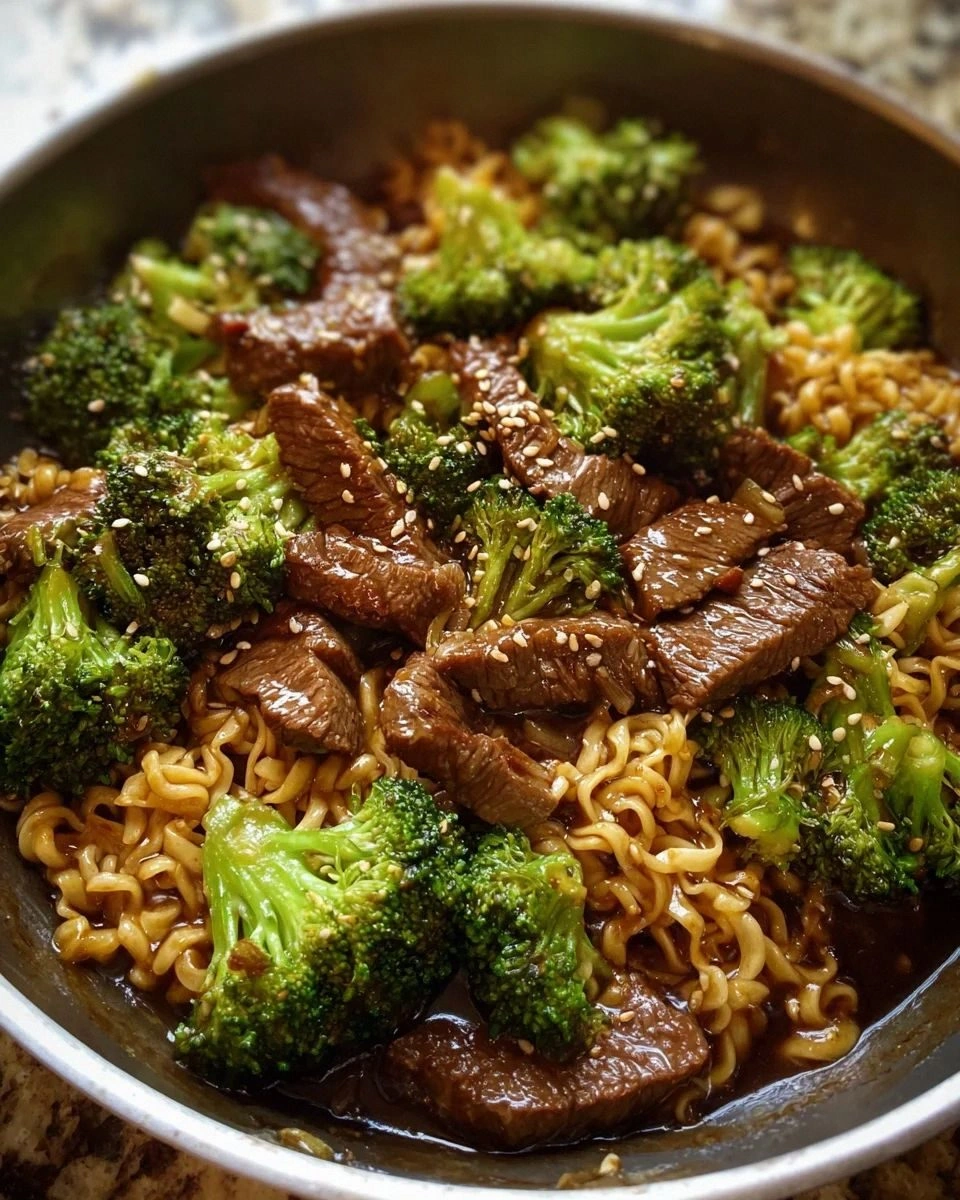
Picture this: the sizzle of sirloin hitting a hot wok, the bright green broccoli heads popping up like tiny fireworks, and the ramen noodles absorbing the sauce until they’re coated in a glossy, caramel‑kissed sheen. The air is thick with the aroma of toasted sesame oil, a whisper of honey, and the deep, salty kiss of low‑sodium soy sauce that makes you want to inhale forever. The sound of the noodles slurping against the wooden spoon is a comforting rhythm, like a favorite song you’ve heard a hundred times but still love. When you finally take that first bite, the beef is buttery tender, the broccoli crunches just right, and the noodles cling to the sauce like velvet, making every chew a tiny celebration.
What makes this version the best you’ll ever make at home is the balance of technique and ingredient respect. Most recipes get the sauce wrong—either it’s too watery or it overpowers the veggies. I’ve cracked the code with a precise 2‑minute sear that locks in juices, a quick blanch for the broccoli that preserves its vivid color, and a finishing splash of sesame oil that adds that luxurious, restaurant‑style finish. I’ll be honest — I ate half the batch before anyone else got to try it, and that’s because the flavor is so addictive you’ll want to keep coming back for more. And now, the fun part: we’re going to dive into each step so deeply that you’ll wonder how you ever cooked this dish any other way.
Let me walk you through every single step — by the end, you’ll have a go‑to recipe that feels like a secret weapon you can pull out whenever the mood strikes. Okay, ready for the game‑changer? This next part? Pure magic.
What Makes This Version Stand Out
- Flavor Fusion: The combination of low‑sodium soy sauce, hoisin, and honey creates a sweet‑salty harmony that coats every strand of ramen like a silk scarf, making each bite unforgettable.
- Texture Symphony: Tender strips of sirloin, crisp broccoli florets, and perfectly al‑dente noodles give you a mouthfeel that’s both satisfying and surprising, never soggy, never dry.
- Simplicity Meets Sophistication: With just seven core ingredients you can achieve a dish that feels like it took hours in a professional kitchen, but it actually takes under an hour.
- Unique Ingredient Twist: Using ramen noodles instead of traditional rice or egg noodles lets the sauce cling more aggressively, turning a simple stir‑fry into a noodle‑centric masterpiece.
- Crowd‑Pleaser Factor: This dish has the power to turn skeptics into fans; I’ve seen strangers at potlucks line up for seconds, and that’s a bold claim I stand behind.
- Ingredient Quality: Sirloin steak provides a buttery texture that cheaper cuts can’t match, while fresh broccoli adds a burst of green that brightens the whole plate.
- Cooking Method Magic: A high‑heat sear followed by a quick steam lock locks in juices, while the final toss in the wok ensures every noodle gets that glossy finish.
- Make‑Ahead Potential: The sauce can be pre‑made and stored, letting you assemble the dish in minutes on a busy weekday, which is a lifesaver for anyone juggling a schedule.
Inside the Ingredient List
The Flavor Base
Low‑sodium soy sauce is the heart of this dish, delivering that deep umami punch without drowning the other flavors. Because it’s low‑sodium, you have room to add honey and hoisin without worrying about the dish becoming overly salty. Skipping it would leave the sauce flat and lifeless, like a song missing its bass line. If you can’t find low‑sodium, just use regular soy sauce but cut the amount in half and add a splash of water.
The Texture Crew
Sirloin steak is my go‑to because it’s tender, flavorful, and cooks quickly, which is essential for a stir‑fry that needs to stay crisp. Choosing a tougher cut like flank or round will require longer marinating and risk a chewy result. Look for a steak with a fine grain and a bright red color; that indicates freshness and will give you the buttery bite you crave. If you’re vegetarian, substitute with firm tofu or tempeh, but press it well to remove excess moisture.
Fresh broccoli florets bring a bright color and a satisfying crunch that contrasts beautifully with the soft noodles. The florets also pack a nutritional punch—vitamin C, fiber, and antioxidants that make the dish feel wholesome. If you skip the broccoli, you’ll lose that textural contrast, and the dish can become one‑dimensional. Feel free to substitute with snap peas or bok choy for a different but equally delightful bite.
The Unexpected Star
Ramen noodles are the secret weapon here. Their slightly chewy texture and ability to soak up sauce make them the perfect vehicle for the flavor-packed glaze. Most stir‑fry recipes use rice or egg noodles, which either soak up too much sauce or stay too dry. If you’re short on ramen, you can use udon or even spaghetti, but the experience won’t be quite the same.
The Final Flourish
Hoisin sauce adds a sweet‑tangy depth that rounds out the savory notes from the soy sauce, while honey brings a gentle caramelization that makes the sauce glossy and irresistible. Skip the hoisin, and you’ll miss that complex, slightly fermented flavor that gives the dish its signature character. If you’re allergic to soy, you can replace hoisin with a mixture of miso paste and a touch of maple syrup.
Sesame oil is the finishing touch that lifts the entire dish with its nutty aroma. A little goes a long way; too much can make the dish taste oily, but just a drizzle at the end adds a luxurious, restaurant‑grade finish. If you don’t have sesame oil, toasted peanut oil works as a decent stand‑in, though the flavor profile will shift slightly.
Everything's prepped? Good. Let's get into the real action…
The Method — Step by Step
Start by gathering all your ingredients and tools. Slice the sirloin steak against the grain into thin, bite‑size strips; this ensures maximum tenderness. While the steak rests, bring a large pot of water to a boil, add a pinch of salt, and cook the ramen noodles just shy of al‑dente—about 2 minutes less than the package directs. Drain, rinse under cold water to stop cooking, and set aside. That sizzle when it hits the pan? Absolute perfection.
Heat a wok or large skillet over high heat until you can feel the heat radiating from the surface. Add a splash of neutral oil (like canola) and let it shimmer. Toss in the steak strips, spreading them out so they sear rather than steam. Let them sit untouched for about 30 seconds, then stir‑fry for another 1‑2 minutes until they develop a caramelized crust. Remove the beef and set aside; it will finish cooking later.
Kitchen Hack: Pat the steak dry with paper towels before seasoning; excess moisture will steam the meat and prevent that coveted sear.In the same wok, add a drizzle of sesame oil and immediately drop in the broccoli florets. Stir‑fry for about 1 minute, then quickly add a splash of water (about 2 tablespoons) and cover with a lid for 30 seconds. This steam‑flash method keeps the broccoli bright green and crisp. Remove the lid, let any remaining water evaporate, and set the broccoli aside with the beef.
Now it’s time for the sauce. In a small bowl, whisk together ¼ cup low‑sodium soy sauce, 2 tablespoons hoisin sauce, 1 tablespoon honey, and a pinch of freshly ground black pepper. The mixture should be glossy and slightly thick—if it feels too runny, add a half‑teaspoon of cornstarch dissolved in water to thicken later.
Return the wok to high heat, add a fresh splash of oil, and pour in the sauce. Let it bubble for 30 seconds, then add the cooked ramen noodles. Toss vigorously, using tongs, so each noodle gets coated in the glossy glaze. The noodles will soak up the sauce, turning a beautiful amber color that hints at caramelization.
Re‑introduce the seared beef and broccoli back into the wok. Stir everything together for another minute, allowing the flavors to meld. The beef should be just warmed through, and the broccoli will regain its crunch from the final toss. At this point, taste and adjust: a splash more soy sauce if you need salt, or a drizzle of honey for extra sweetness.
Watch Out: Be careful not to over‑cook the noodles in this step; they’ll become mushy and lose that satisfying bite.Finish with a final drizzle of sesame oil—just enough to perfume the dish without making it greasy. Give everything one last quick toss, and watch the sauce cling to the noodles like a silk scarf.
Plate the stir‑fry in shallow bowls, sprinkle with toasted sesame seeds if you like, and serve immediately. The steam rising from the bowl should carry the sweet‑savory aroma straight to your nose, making your mouth water before the first bite even lands.
That’s it — you did it. But hold on, I've got a few more tricks that'll take this to another level, like a secret garnish that adds a pop of freshness and a crunch that will surprise your guests.
Insider Tricks for Flawless Results
The Temperature Rule Nobody Follows
A scorching wok is the secret weapon for a perfect sear. If the pan isn’t hot enough, the steak will release its juices and steam instead of browning, resulting in a flat flavor. I always pre‑heat the wok for at least 2 minutes and test the heat by flicking a drop of water; it should dance and evaporate instantly. This simple step guarantees that every strip of beef gets that caramelized crust that makes the sauce cling like a lover’s embrace.
Why Your Nose Knows Best
Your sense of smell is a more reliable indicator than a timer when it comes to stir‑fry. When the sauce starts to bubble and releases a sweet‑savory aroma, you know it’s reached the perfect reduction. If you rely solely on the clock, you might miss that golden moment when the sauce thickens just enough to coat the noodles without turning gummy. Trust that aromatic cue; it’s the culinary equivalent of a green light at a race.
The 5‑Minute Rest That Changes Everything
Once everything is tossed together, let the dish rest off the heat for about five minutes. This brief pause lets the flavors marry, the noodles absorb the remaining sauce, and the beef relax, preventing it from becoming tough. A friend tried skipping this step once—let’s just say the beef was chewy and the noodles were a bit dry. So, set a timer, step away, and come back to a perfectly cohesive plate.
The “Double‑Season” Technique
Season the beef twice: once before searing with a pinch of salt and pepper, and again at the end with a splash of soy sauce. The first layer builds a foundational flavor, while the second layer brightens the dish just before serving. This dual approach creates depth without overwhelming the palate.
Garnish with Purpose
A handful of thinly sliced scallions, a sprinkle of toasted sesame seeds, or even a few crushed peanuts add texture and a pop of color that elevates the visual appeal. I love a quick garnish of finely shredded carrots for a subtle sweetness and crunch that contrasts the savory base. Remember, garnish isn’t just decoration; it’s an extension of flavor.
Creative Twists and Variations
This recipe is a playground. Here are some of my favorite ways to switch things up:
Spicy Szechuan Spin
Add 1‑2 teaspoons of Szechuan peppercorn oil or a dash of chili garlic sauce to the sauce mixture. The numbing heat will give the dish a bold kick, perfect for those who love a little fire. Pair it with a side of cool cucumber salad to balance the heat.
Miso‑Honey Glaze
Swap out the hoisin sauce for 2 tablespoons of white miso paste blended with honey. This creates a deep, umami‑rich glaze with a subtle sweetness that feels more Japanese than Chinese. It works wonderfully with added shiitake mushrooms for an earthy undertone.
Coconut Curry Fusion
Stir in ¼ cup of coconut milk and a teaspoon of curry powder during the sauce stage. The creamy coconut adds richness, while the curry brings warm, aromatic spices. Top with fresh cilantro for a tropical twist.
Veggie‑Only Version
Replace the sirloin with firm tofu cubes, pressed and lightly dusted with cornstarch before frying. Add sliced bell peppers, carrots, and snap peas for a rainbow of textures. This version is just as satisfying and perfect for a plant‑based dinner.
Garlic‑Lemon Bright
Add 2 minced garlic cloves to the wok after searing the beef, and finish the dish with a squeeze of fresh lemon juice right before serving. The garlic adds depth, while the lemon lifts the whole plate with a bright, citrusy finish that cuts through the richness.
Storing and Bringing It Back to Life
Fridge Storage
Allow the stir‑fry to cool to room temperature, then transfer it to an airtight container. It will keep nicely for up to 3 days. When reheating, add a splash of water or broth to re‑hydrate the noodles, then stir‑fry over medium heat until everything is hot and glossy again.
Freezer Friendly
Portion the cooked dish into freezer‑safe bags, removing as much air as possible. It freezes well for up to 2 months. To reheat, thaw overnight in the fridge, then follow the same stovetop reheating method, adding a bit more liquid to revive the noodles.
Best Reheating Method
The stovetop is king. Heat a tablespoon of oil in a wok, add the frozen or refrigerated portion, and toss over medium‑high heat. As the noodles start to separate, drizzle a teaspoon of water or broth and cover for a minute; this steam will bring back the original texture. Avoid microwaving, which tends to make the noodles soggy and the broccoli limp.