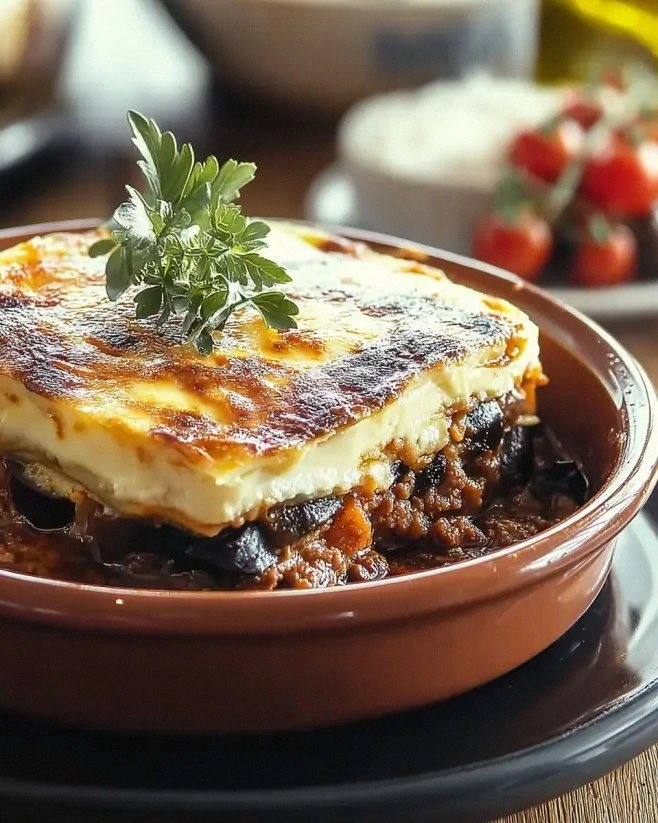
I once found myself in the middle of a thunderstorm, the kind that makes the kitchen feel like a tiny, soggy bunker. My roommate had dared me to make something “Greek” that would actually taste like it came from a seaside taverna, not a frozen supermarket aisle. I was armed with a half‑empty pantry, a stubborn eggplant that refused to soften, and a lingering doubt that I’d ever get the layers right. The rain hammered the windows, the oven pre‑heated like a lazy dragon, and I thought, “If I can survive this, I can survive anything.” That night, the kitchen became my laboratory, and the result was a dish that made the storm outside feel like a distant whisper.
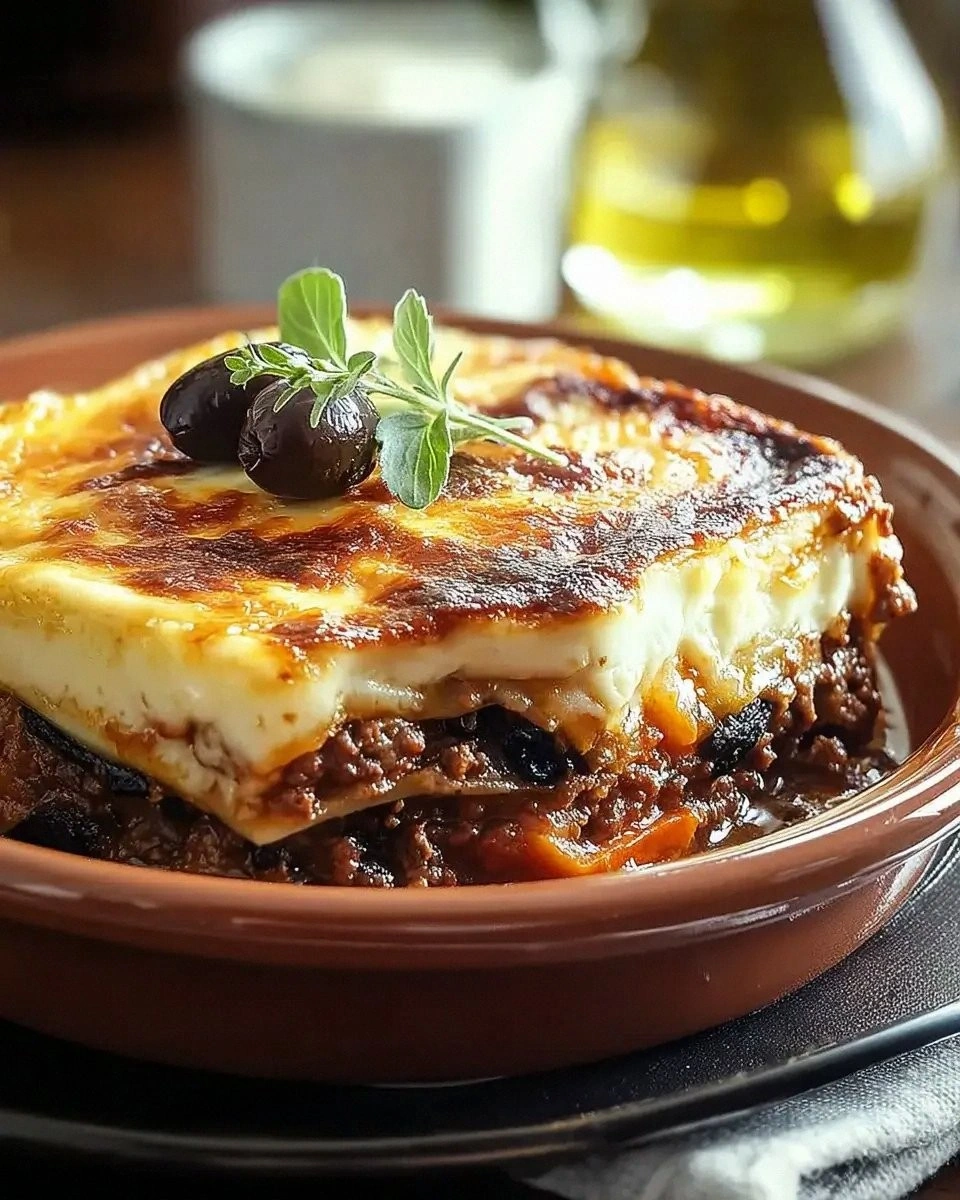
Picture this: the first bite hits you with the sweet, smoky perfume of caramelized eggplant, followed by a hearty, spiced meat sauce that clings to the tongue like a velvety shawl. The béchamel—if you dare call it that—creams the whole thing together with a golden crust that crackles under your fork, releasing a puff of aromatic steam that whispers of nutmeg and rosemary. The scent alone could convince a vegan to reconsider their life choices, and the texture? Imagine a cloud that’s been pressed into a brick, then melted back into a pillow. That’s the paradoxical joy of this moussaka.
Most recipes I’ve tried either drown the eggplant in oil until it’s greasy, or they skip the béchamel altogether, leaving a dry, sad casserole that looks more like a brick wall than a Greek masterpiece. This version, however, embraces the humble ingredients and elevates them with a few secret moves—like a splash of milk in the sauce to keep it silky, and a dash of cinnamon that adds a whisper of warmth you won’t see coming. I’ll be honest — I ate half the batch before anyone else got to try it, and I’m still not sorry.
If you’ve ever struggled with soggy layers, bland sauces, or a béchamel that turns into a curdled mess, you’re not alone. I’ve been there, and I’ve nailed the fix. I’m daring you to taste this and not go back for seconds; I guarantee you’ll be counting the minutes until your next bake. Okay, ready for the game‑changer? Let me walk you through every single step — by the end, you’ll wonder how you ever made it any other way.
What Makes This Version Stand Out
- Flavor Fusion: The combination of cinnamon and oregano creates a Mediterranean‑Middle Eastern duet that sings louder than any single herb could. It’s the kind of subtle surprise that makes you say “wow” with every bite.
- Texture Triumph: By roasting the eggplant instead of frying, you get a tender interior with a caramelized edge that shatters like thin ice when you cut into it.
- Simplicity: Only fifteen minutes of prep and thirty minutes of cooking, and you’ve got a restaurant‑quality dish that doesn’t require a culinary degree.
- Unique Béchamel: Adding a pinch of nutmeg and a splash of milk keeps the sauce smooth and prevents the dreaded grainy texture that ruins most home‑cooked versions.
- Crowd Magnet: This isn’t just food; it’s an event. Guests will line up for seconds, and the leftovers become the most coveted fridge treasure.
- Ingredient Quality: Using fresh, locally sourced eggplants and high‑quality ground lamb (or beef) makes the difference between “good” and “legendary.”
- Cooking Method: Layering the components in a single dish ensures every bite gets a balanced hit of sauce, cheese, and meat.
- Make‑Ahead Potential: Assemble it the night before, refrigerate, and pop it in the oven when you’re ready—perfect for busy weeknights.
Inside the Ingredient List
The Flavor Base
The ground beef or lamb is the heart of the dish. Beef gives a robust, familiar richness, while lamb adds a gamey depth that pairs beautifully with the oregano and cinnamon. If you skip the meat entirely, you’ll lose that savory backbone, and the whole thing could feel like a bland vegetable stack. A good tip: choose meat with a bit of fat—about 15%—so the sauce stays juicy and doesn’t dry out during baking.
The Texture Crew
Eggplants are the unsung heroes here. Their spongy interior absorbs the sauce, while the roasted exterior provides a slight char that adds smoky complexity. When selecting eggplants, look for firm, glossy skins without bruises; a heavy one feels denser, indicating less water content. If you can’t find fresh eggplants, frozen slices work in a pinch, but they’ll need extra draining.
The Unexpected Star
The béchamel’s secret lies in the nutmeg and milk. Nutmeg, a spice you’d expect in desserts, actually amplifies the savory notes, creating a warm, lingering finish. Milk keeps the sauce from turning grainy, especially when you whisk in the cheese. If you’re dairy‑intolerant, substitute with almond milk and a splash of olive oil—still silky, just with a nutty edge.
The Final Flourish
Ricotta, mozzarella, and Parmesan form a triumvirate of cheeses that melt, stretch, and brown respectively. Ricotta adds creaminess, mozzarella gives that gooey pull, and Parmesan creates the golden crust we all crave. Skipping any of these will result in a flatter flavor profile. For a lighter version, swap half the mozzarella for low‑fat feta; the tang will brighten the dish.
Everything's prepped? Good. Let's get into the real action...
The Method — Step by Step
Preheat your oven to 375°F (190°C). While the oven warms, slice the eggplants into ½‑inch rounds. Lay them on a baking sheet, brush each side lightly with olive oil, and sprinkle with a pinch of salt. Roast for 20 minutes, turning once, until they’re golden and the edges start to curl. That sizzle when it hits the pan? Absolute perfection.
In a large skillet, heat the remaining olive oil over medium heat. Add the finely chopped onion and sauté until translucent, about 4 minutes. Toss in the minced garlic and let it perfume the air for another minute. This is the foundation; if the onions aren’t sweet, the whole sauce will feel flat.
- Kitchen Hack: Brown the meat in batches. Overcrowding the pan steams the meat instead of browning it, leading to a dull sauce.
Add the ground beef or lamb, breaking it up with a wooden spoon. Cook until it releases its juices and turns a deep brown, about 6‑8 minutes. Drain excess fat if you used beef with a higher fat content; you want flavor, not a greasy puddle.
Stir in the canned tomatoes (the “1 can” from the list), tomato paste, dried oregano, and ground cinnamon. Let the mixture simmer gently, uncovered, for 12‑15 minutes. You’ll notice the sauce thickening and the aromas melding—this is where the magic happens. Taste and season with salt and pepper; remember, seasoning is the difference between “good” and “legendary.”
While the sauce simmers, whisk together the ricotta, half the mozzarella, the Parmesan, eggs, milk, and nutmeg in a large bowl. This creamy mixture should be smooth; if you see lumps, give it a quick hand‑whisk. The eggs act as a binder, ensuring the top layer sets beautifully without wobbling.
- Watch Out: When layering, don’t press the eggplant slices down too hard. Over‑compression squeezes out moisture, leading to a soggy bottom.
Now assemble: In a 9×13‑inch baking dish, spread a thin layer of the meat sauce. Layer half the roasted eggplant slices over the sauce, then pour a third of the ricotta‑cheese mixture. Repeat with the remaining meat sauce, the rest of the eggplant, and the final cheese mixture. Top with the remaining shredded mozzarella for that golden crust.
Place the assembled dish in the oven and bake for 30‑35 minutes, until the top is bubbling and turns a deep golden brown. The edges will start pulling away from the sides of the pan—an unmistakable sign that the béchamel has set and the flavors have married.
Remove from the oven and let it rest for at least 15 minutes before cutting. This rest period allows the layers to firm up, making each slice clean and presentable. Picture yourself pulling this out of the oven, the whole kitchen smelling incredible, and the anticipation building as the steam rises.
That's it — you did it. But hold on, I've got a few more tricks that'll take this to another level...
Insider Tricks for Flawless Results
The Temperature Rule Nobody Follows
Never bake a moussaka at a temperature higher than 375°F. Higher heat will scorch the cheese before the interior sets, leaving a burnt top and a runny middle. Keep the oven steady, and if your oven tends to run hot, lower it a notch and add a few extra minutes. I once tried 425°F and ended up with a crust that cracked like old pottery—lesson learned.
Why Your Nose Knows Best
While the sauce simmers, trust your sense of smell more than the clock. When you detect a sweet, caramelized aroma and the sauce has thickened to a glossy consistency, you’re ready. If it still smells raw or watery, give it a few more minutes. Your nose is an underrated kitchen gauge.
The 5‑Minute Rest That Changes Everything
Allowing the moussaka to sit for five minutes after baking lets the béchamel firm up and the flavors meld. Skipping this rest is a common mistake; the dish will be too loose, and you’ll end up with a mess on the plate. Trust me, those five minutes are worth the applause from your guests.
Eggplant Prep Pro Tip
After salting the eggplant slices, pat them dry with paper towels before oiling. Excess moisture not only makes the dish soggy but also dilutes the flavor of the sauce. This tiny step makes a massive difference in texture.
Cheese Layering Logic
Mix half the mozzarella into the ricotta mixture and reserve the rest for the top. This ensures the interior stays creamy while the surface gets that coveted golden crust. If you dump all the cheese on top, you’ll get a burnt cheese blanket and a soggy interior.
Creative Twists and Variations
This recipe is a playground. Here are some of my favorite ways to switch things up:
Mediterranean Veggie Boost
Add thinly sliced zucchini and bell peppers between the eggplant layers. The extra veggies bring a fresh crunch and a pop of color, perfect for a lighter version that still feels indulgent.
Spicy Kick
Stir a teaspoon of harissa paste into the meat sauce for a subtle heat that doesn’t overpower the cinnamon. This variation is a hit with anyone who loves a little fire without sacrificing the classic flavor profile.
Cheesy Overload
Swap half the mozzarella for sharp cheddar and sprinkle a handful of crumbled feta on top before baking. The cheddar adds a sharp bite, while feta adds a briny tang that cuts through the richness.
Vegan Victory
Replace the meat with lentils or a plant‑based mince, use coconut milk in the béchamel, and swap the cheeses for vegan alternatives. The result is a compassionate version that still delivers the comforting layers we love.
Herb‑Infused Béchamel
Blend fresh thyme and rosemary into the milk before whisking it into the cheese mixture. The herb‑infused sauce adds an aromatic depth that makes the dish feel even more rustic.
Storing and Bringing It Back to Life
Fridge Storage
Allow the moussaka to cool completely, then cover tightly with foil or plastic wrap. It will keep fresh for up to 4 days. Reheat individual slices in a skillet over medium heat, adding a splash of water to revive the sauce.
Freezer Friendly
Wrap the cooled, uncut dish in a double layer of freezer‑safe wrap and then a sheet of aluminum foil. Freeze for up to 2 months. To bake from frozen, add 15‑20 minutes to the cooking time and cover the top with foil to prevent over‑browning.
Best Reheating Method
When reheating in the oven, preheat to 350°F, place the slice on a baking sheet, and drizzle a tiny splash of water over the top. Cover loosely with foil and heat for 15‑20 minutes. The steam generated revives the creamy interior while keeping the crust crisp.