Picture this: I’m standing in my tiny kitchen, the timer on the stove ticking down like a countdown to disaster, and the smell of burnt garlic wafting through the air. I had promised my roommate a “fancy dinner” after a long week, but the only thing I could find in the fridge was a couple of chicken breasts and a lonely block of Parmesan. I tried a quick skillet recipe I’d seen on a food blog, but the sauce turned out thinner than my patience and the chicken was as dry as a desert. I swear, I was on the brink of ordering pizza when a sudden burst of inspiration hit me – what if I could recreate that silky, restaurant‑style chicken alfredo that I love from my favorite Italian bistro, right in my own stovetop?
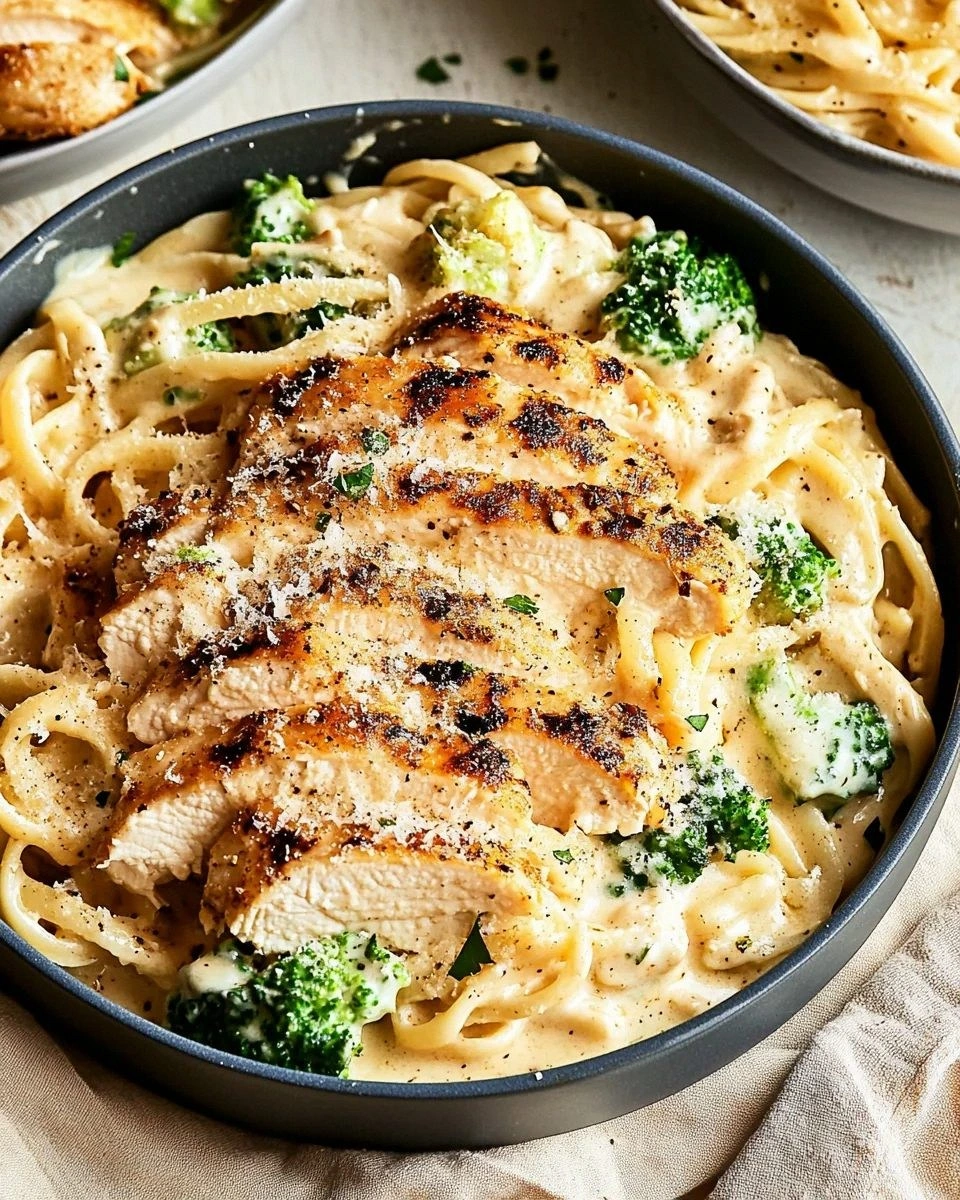
The kitchen transformed into a sensory playground. The sizzle of olive oil hitting a hot pan was like a drumroll announcing the main act. The aroma of garlic and butter mingled with the faint nutty perfume of Parmesan, making my nose do a happy dance. My hands felt the weight of the fettuccine as I tossed it in the pot, the water bubbling like a lively conversation. When the sauce finally came together, it clung to each noodle like a luxurious velvet blanket, and the chicken pieces glistened with a caramelized crust that promised crunch with every bite. I could already taste the creamy richness, the subtle kick of paprika, and the fresh pop of parsley that would finish it off.
What makes this version truly stand out? I’ve tried every alfredo recipe under the sun, from the “add a splash of milk” shortcuts to the “cook the sauce forever” marathon methods. Most of them either end up greasy, bland, or just plain boring. This one, however, hits the sweet spot of flavor, texture, and simplicity – no fancy equipment, no secret pantry items, just honest ingredients that sing together. The secret? A tiny dash of paprika that adds a warm, smoky depth, and a precise technique for emulsifying the cream and cheese without curdling. Trust me, this is hands down the best version you'll ever make at home.
Okay, ready for the game‑changer? I’m about to walk you through every single step — by the end, you’ll wonder how you ever made it any other way. I dare you to taste this and not go back for seconds. Let’s dive in and turn your kitchen into a five‑star Italian eatery.
What Makes This Version Stand Out
- Taste: The sauce delivers a buttery richness balanced by a subtle smoky note from paprika, making every bite unforgettable.
- Texture: Creamy, silky, and perfectly coating the fettuccine – it clings like velvet without being heavy.
- Simplicity: Only twelve ingredients, all pantry‑friendly, and no need for a sous‑vide or a heavy hand‑mixer.
- Uniqueness: A pinch of garlic powder and paprika adds depth that most restaurant copies miss.
- Crowd Reaction: Even the picky eaters at the table beg for the recipe, and the leftovers disappear in minutes.
- Ingredient Quality: Using fresh parsley and real Parmesan elevates the dish from “homey” to “restaurant‑grade.”
- Cooking Method: One‑pan sauce technique prevents curdling and saves on cleanup.
- Make‑Ahead Potential: The sauce freezes beautifully, so you can prep in bulk and reheat later.
Alright, let's break down exactly what goes into this masterpiece...
Inside the Ingredient List
The Flavor Base
2 boneless chicken breasts – The star protein. Choosing skinless, boneless breasts gives you a clean canvas for the sauce to shine. If you overcook them, they become rubbery, so a quick sear followed by a gentle finish is key. You can swap for thighs if you prefer juicier meat, but watch the cooking time.
1 tbsp olive oil – This is your non‑stick hero. It adds a subtle fruitiness and raises the pan temperature without burning the garlic. For a richer flavor, you could use a mix of olive oil and a dab of butter, but keep the ratio balanced.
½ tsp salt & ¼ tsp black pepper – The classic duo that awakens all the other flavors. Season the chicken early; it helps create a flavorful crust. If you’re watching sodium, reduce the salt slightly, but don’t skip it – the sauce needs that backbone.
The Texture Crew
10 oz fettuccine pasta – Wide, flat noodles are perfect for holding onto that luscious sauce. Cook al dente; you want a slight bite that will continue to absorb the sauce as it rests. If you’re gluten‑free, try a brown rice or chickpea fettuccine – the texture changes, but the experience stays delicious.
2 tbsp butter – Butter is the silk in our sauce. It emulsifies the cream and cheese, creating that glossy sheen. Use unsalted butter so you can control the salt level later.
2 cloves garlic, minced – Fresh garlic gives a punch that garlic powder alone can’t match. Mince it finely so it releases its oils quickly and distributes evenly.
The Unexpected Star
½ tsp garlic powder – This adds a lingering background note that keeps the garlic flavor from overpowering. It’s the secret that many restaurants use to maintain consistency.
½ tsp paprika – A whisper of smoky warmth that lifts the sauce from ordinary to extraordinary. It also gives the chicken a beautiful golden hue. If you love heat, try smoked paprika for an extra layer.
The Final Flourish
1 ½ cups heavy cream – The backbone of the alfredo. Its high fat content prevents curdling and gives that luxurious mouthfeel. If you’re looking for a lighter version, you can substitute half-and-half, but expect a thinner sauce.
½ cup Parmesan cheese, freshly grated – Freshly grated cheese melts smoothly, releasing its umami. Pre‑grated cheese contains anti‑caking agents that can make the sauce grainy.
½ tsp Italian seasoning – A blend of herbs that adds depth without overwhelming the dish. Feel free to customize with a pinch of dried oregano or basil.
Salt & pepper to taste – The final seasoning checkpoint. Taste the sauce before serving and adjust accordingly.
2 tbsp fresh parsley, chopped – Bright green, fresh, and aromatic. It adds a pop of color and a refreshing finish that cuts through the richness.
Everything's prepped? Good. Let's get into the real action...
The Method — Step by Step
Start by bringing a large pot of salted water to a rolling boil. Once it’s bubbling, add the fettuccine and cook according to the package instructions until al dente, usually 9‑11 minutes. That sizzle when the pasta hits the water? Absolute perfection. Drain the pasta, reserving about a cup of the starchy cooking water, then set aside. This water will be your secret weapon for a silky sauce later.
While the pasta cooks, heat a large skillet over medium‑high heat and add 1 tbsp olive oil. Pat the chicken breasts dry with paper towels, then season both sides with ½ tsp salt, ¼ tsp black pepper, ½ tsp garlic powder, and ½ tsp paprika. Place the chicken in the hot pan; you should hear a satisfying sizzle that signals a good sear.
Kitchen Hack: Press the chicken gently with a spatula while it cooks – this ensures even contact and a uniform golden crust.Cook for about 4‑5 minutes per side, or until the internal temperature reaches 165 °F. Once done, transfer the chicken to a cutting board and let it rest for five minutes; this locks in juices and makes slicing easier.
In the same skillet, reduce the heat to medium and add 2 tbsp butter. As the butter melts, toss in the minced garlic. Stir constantly for about 30 seconds; you’ll notice the garlic turning a light golden color and releasing a fragrant aroma that fills the kitchen.
Now comes the crucial part: the sauce. Pour in 1 ½ cups heavy cream, stirring constantly. Let the mixture simmer gently – do NOT let it boil aggressively, or you’ll risk curdling. As it warms, you’ll see the edges start to pull away from the pan, a visual cue that the cream is thickening.
Watch Out: If the sauce starts to bubble too hard, immediately lower the heat and add a splash of the reserved pasta water to calm it down.After a minute, sprinkle in the ½ cup freshly grated Parmesan cheese and ½ tsp Italian seasoning. Stir until the cheese melts completely, creating a glossy, velvety coat. Taste and adjust with a pinch of salt & pepper if needed.
Slice the rested chicken into thin strips or bite‑size pieces, whichever you prefer. Add the chicken back into the skillet, letting it mingle with the sauce for another minute. This step allows the meat to absorb the creamy flavors, making each bite harmonious.
Now, bring the cooked fettuccine into the pan. Toss everything together, using tongs or two large forks. If the sauce looks a touch thick, drizzle in a little of the reserved pasta water, a tablespoon at a time, until you achieve a silky, coat‑every‑noodle consistency. The starches in the water act like a natural thickener.
Kitchen Hack: Finish the dish with a final knob of butter; it adds shine and a buttery finish that looks restaurant‑ready.Turn off the heat and sprinkle 2 tbsp chopped fresh parsley over the top. Give it one last gentle toss to distribute the green specks evenly. The parsley not only adds a fresh pop of color but also a subtle herbaceous note that balances the richness.
Plate the alfredo immediately. Use a wide, shallow bowl to showcase the sauce coating every strand of pasta. Serve with extra grated Parmesan on the side for those who love an extra cheesy kick. Picture yourself pulling this out of the oven, the whole kitchen smelling incredible, and your guests reaching for seconds before you even finish your own forkful. I dare you to taste this and not go back for seconds.
That's it — you did it. But hold on, I've got a few more tricks that'll take this to another level...
Insider Tricks for Flawless Results
The Temperature Rule Nobody Follows
Never let the cream boil. A gentle simmer keeps the fat from separating, ensuring a smooth sauce. If you hear a rapid boil, instantly drop the heat and add a splash of pasta water. I once tried to speed things up by cranking the heat, and the sauce turned grainy – a lesson learned the hard way.
Why Your Nose Knows Best
Before you taste, trust your nose. The moment the garlic turns fragrant and the butter starts to foam is your cue that the flavor base is ready. If you can smell the buttery aroma, the sauce is on point. This sensory shortcut saves you from over‑seasoning.
The 5‑Minute Rest That Changes Everything
After you combine the pasta and sauce, let it sit off the heat for about five minutes. This rest allows the noodles to absorb the sauce, resulting in a cohesive dish where every bite feels unified. Skipping this step leaves the sauce sliding off the pasta like a wet floor.
Butter Finish for Shine
Adding a final knob of butter right before serving creates a glossy sheen that looks restaurant‑grade. It also mellows any sharp edges from the cheese, rounding out the flavor profile.
Seasoning in Layers
Season at each stage – the chicken, the sauce, and the final dish. Layered seasoning builds depth and prevents a flat taste. If you only salt at the end, the flavors never fully develop.
Choosing the Right Parmesan
Freshly grated Parmigiano‑Reggiano melts cleanly, while pre‑grated cheese can introduce anti‑caking agents that make the sauce gritty. Invest in a good block; it’s worth every penny for that authentic taste.
Creative Twists and Variations
This recipe is a playground. Here are some of my favorite ways to switch things up:
Spicy Chipotle Alfredo
Add a teaspoon of chipotle in adobo sauce to the cream for a smoky heat. The spice pairs beautifully with the Parmesan, creating a bold, unexpected kick that will wow spice lovers.
Mushroom Medley
Sauté a mix of cremini, shiitake, and oyster mushrooms in the butter before adding the garlic. The earthy umami deepens the sauce and adds a hearty texture that makes the dish feel even more substantial.
Lemon‑Zest Brightness
Stir in the zest of one lemon just before serving. The citrus lifts the richness, giving the alfredo a fresh, summer‑ready vibe. Garnish with a thin slice of lemon for visual flair.
Spinach Power
Fold in a couple of handfuls of baby spinach during the final toss. The greens wilt quickly, adding color, nutrients, and a mild earthy note that balances the creaminess.
Garlic‑Infused Oil Drizzle
Finish the plate with a drizzle of garlic‑infused olive oil. It adds an aromatic layer and a glossy finish that looks as good as it tastes.
Protein Swap
Replace chicken with succulent shrimp or tender strips of beef. Adjust cooking times accordingly – shrimp only need 2‑3 minutes per side, while beef benefits from a quick sear and a brief finish in the sauce.
Storing and Bringing It Back to Life
Fridge Storage
Cool the leftovers to room temperature, then transfer to an airtight container. Store in the refrigerator for up to three days. When reheating, add a splash of milk or water and gently warm over low heat, stirring constantly to restore the sauce’s silkiness.
Freezer Friendly
Portion the alfredo into freezer‑safe bags or containers, leaving a little headspace for expansion. Freeze for up to two months. Thaw overnight in the fridge, then reheat on the stovetop with a drizzle of cream or water to revive the texture.
Best Reheating Method
The secret to a perfect reheated alfredo is gentle heat and moisture. Place the sauce and pasta in a skillet over low‑medium heat, add a tablespoon of water per cup of pasta, and stir until the sauce coats the noodles again. The added water creates steam, bringing the sauce back to life without turning it greasy.