Picture this: it’s a rainy Saturday afternoon, the kitchen lights flicker, and you’re standing in front of a pan that’s already screaming for a rescue. You’re craving comfort, but the usual meatball recipe feels like a bland echo of last week’s dinner. Then, out of the blue, a friend drops a dare—“I dare you to taste this and not go back for seconds.” That was the spark that lit a fire in my culinary imagination, and I set out to craft a meatball masterpiece that would silence any doubter.
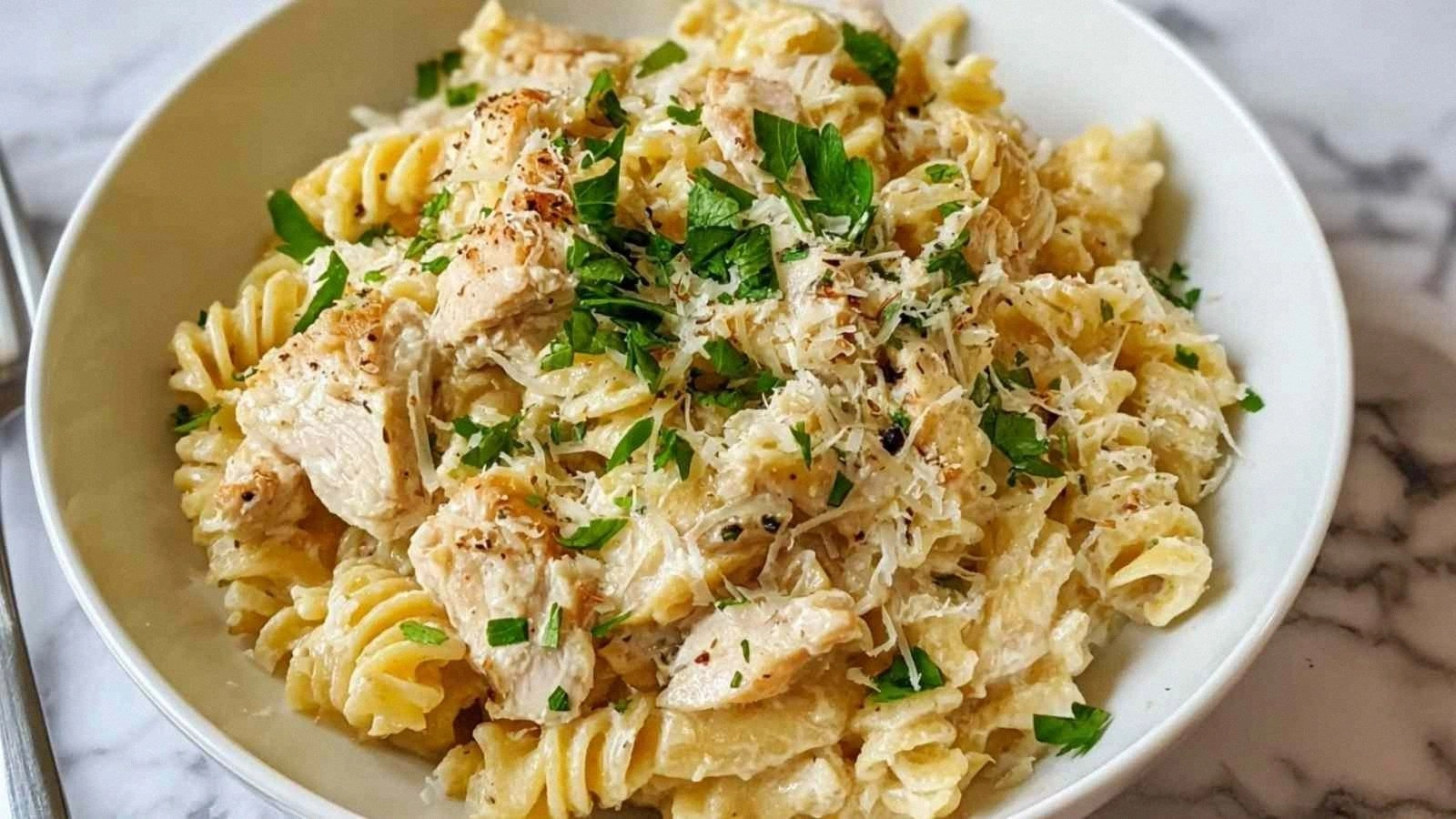
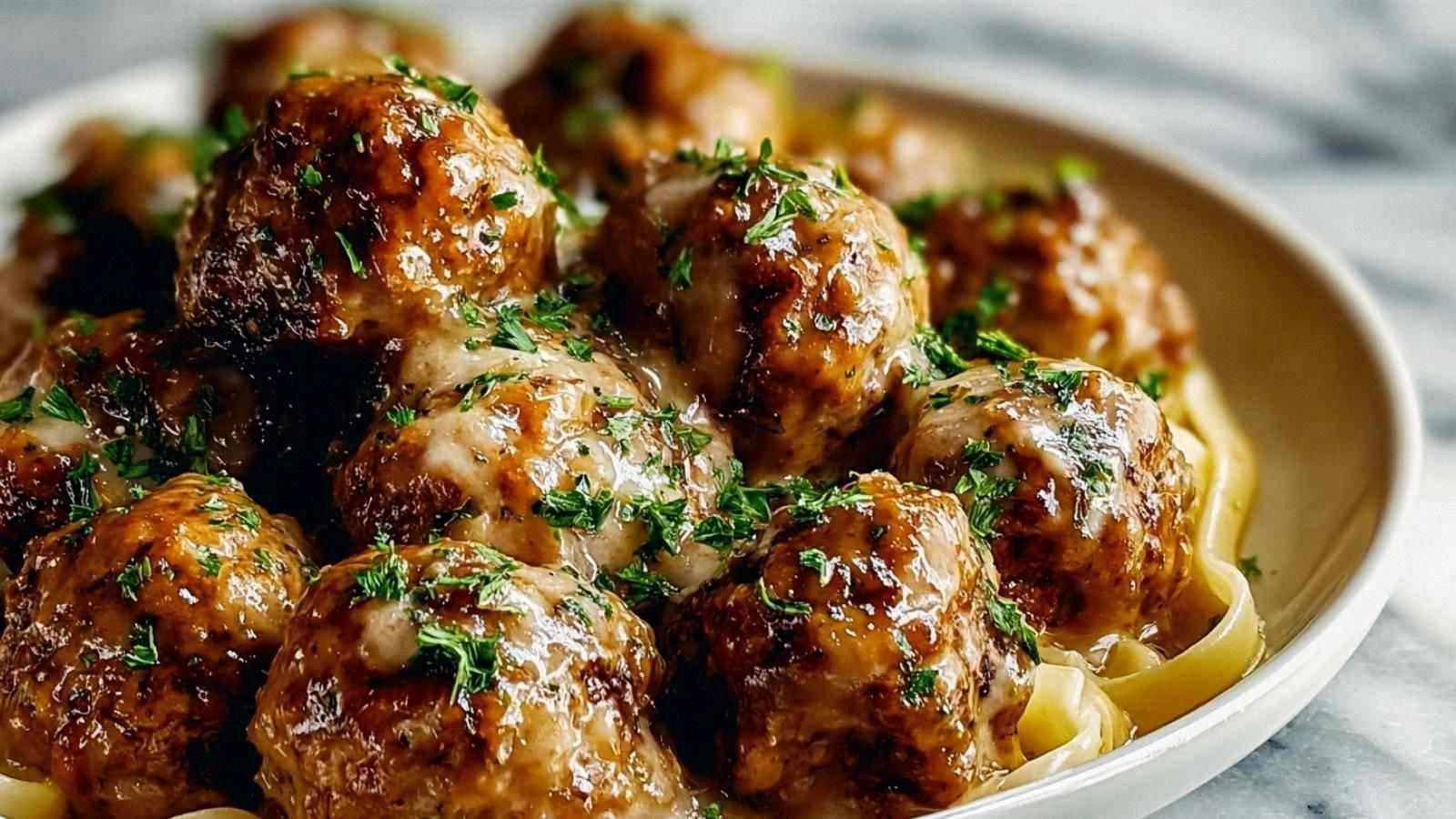
The moment the skillet hits the stove, the air fills with a buttery aroma that feels like a warm hug. The sizzle is a percussion track, and the golden crust that forms on each ball is a promise of crisp edges that shatter like thin ice when you bite through. The first bite releases a burst of garlic and lemon, a bright counterpoint to the rich, velvety sauce that coats the linguine like velvet. Every element—texture, flavor, aroma—converges into a single, unforgettable experience. I’ve been saying this for years, but this version is hands down the best you’ll ever make at home.
I’ve spent months tweaking, tasting, and testing until the sauce thickened just right, the meatballs stayed tender, and the linguine didn’t get soggy. The secret is a double layer of garlic and a splash of lemon that lifts the heaviness of the cream without compromising richness. I’ve also discovered that the key to a perfect crust is a quick sear in a hot pan, followed by a gentle finish in the sauce. If you’ve ever struggled with meatballs that fall apart or sauce that feels like a flatbread, you’re not alone—and I’ve got the fix. By the end of this post, you’ll wonder how you ever made it any other way.
Most recipes get this completely wrong by overcooking the meat or using too much cream, which turns the sauce into a soupy mess. I’ve found that the balance of butter, cream, and Parmesan creates a luscious, silky coating that clings to every strand of linguine. The addition of fresh parsley gives a pop of color and a subtle herbal brightness that lifts the dish. The result is a meal that feels indulgent yet comforting, sophisticated yet approachable. Picture yourself pulling this out of the oven, the whole kitchen smelling incredible, and the family gathering around the table like it’s a holiday.
What Makes This Version Stand Out
- Flavor: The double garlic technique delivers a depth that feels like a layered conversation—each bite reveals a new nuance.
- Texture: A quick sear locks in juices, producing a tender center and a crisp exterior that crackles delightfully.
- Ingredient Quality: Fresh, high‑grade Parmesan and real butter elevate the sauce beyond pantry staples.
- Ease: All steps can be completed in under an hour, making it a practical yet impressive dinner.
- Make‑Ahead: The meatballs can be pre‑cooked and frozen, allowing you to assemble the sauce on the fly.
- Presentation: The glossy sauce and bright parsley garnish make it Instagram‑worthy, even if you’re just feeding your own family.
Inside the Ingredient List
The Flavor Base
Ground beef is the backbone of the meatballs, providing a robust, savory foundation. Opt for a 80/20 blend to keep the mixture juicy; leaner meat can dry out the balls. If you’re looking for a healthier twist, substitute half the beef with ground turkey or pork for a milder flavor. Skipping the beef would change the dish entirely, turning it into a vegetarian pasta that feels like a completely different meal.
The Texture Crew
Breadcrumbs act as the binder that keeps the meatballs together while absorbing excess moisture. A half cup of breadcrumbs is enough to create a firm yet tender structure. If you’re gluten‑sensitive, try almond flour or crushed rice crackers as a low‑carb alternative. Remember, the breadcrumbs also help the sauce cling to the meatballs, enhancing every bite.
The Unexpected Star
Fresh parsley isn’t just a garnish; it adds a bright, herbal note that balances the richness of the butter and cream. Two tablespoons in the meatball mixture bring a subtle green pop, while an extra tablespoon in the sauce provides a final flourish. Skipping parsley would leave the dish feeling flat and less vibrant. For an extra kick, sprinkle a pinch of crushed red pepper flakes during the final simmer.
The Final Flourish
Heavy cream and butter combine to create a sauce that’s silky and luxurious, yet not overpowering. The cream’s fat content emulsifies with the butter, forming a smooth base that coats the pasta. Lemon juice cuts through the richness, adding brightness and preventing the sauce from becoming too heavy. A final sprinkle of Parmesan at the end of cooking gives the sauce a nutty finish that rounds everything out.
Everything's prepped? Good. Let's get into the real action.
The Method — Step by Step
- In a large mixing bowl, combine the ground beef, egg, breadcrumbs, 1/4 cup grated Parmesan, 2 tablespoons chopped fresh parsley, 3 cloves minced garlic, 1/2 teaspoon salt, and 1/2 teaspoon black pepper. Use your hands to mix until just combined; over‑mixing will make the meatballs tough. Shape the mixture into 1½‑inch balls, making sure they’re all roughly the same size for even cooking. This step is the foundation of the dish—if it’s off, everything else falls apart.
- Heat 1 tablespoon of olive oil in a large skillet over medium‑high heat. Once the oil shimmers, add the meatballs, leaving space between each one. Sear for 2–3 minutes per side, until a golden crust forms. Don’t rush this step; a good sear locks in juices and gives a satisfying crunch.
- Reduce heat to medium and pour in 4 tablespoons of unsalted butter. As the butter melts, swirl the pan to coat the meatballs. This butter layer adds richness and a silky sheen to the sauce. The butter also helps the garlic release its full flavor.
- Add the remaining 5 cloves of minced garlic, 1/4 teaspoon red pepper flakes, and 1 tablespoon fresh lemon juice to the skillet. Let the mixture simmer for 2 minutes, allowing the garlic to become fragrant without burning. The lemon juice brightens the sauce and balances the heavy cream later.
- Pour in 3/4 cup of heavy cream, stirring gently to combine. The sauce should thicken slightly and become glossy. Keep the heat low to prevent the cream from curdling. This step is pure magic—watch the sauce transform into a silky coat.
- Add the linguine to the skillet, tossing to coat each strand in the sauce. Cook for an additional 3–4 minutes, or until the pasta is al dente. The pasta should absorb some of the sauce but still retain its bite.
- Stir in the final 1 tablespoon of butter and 3/4 cup grated Parmesan cheese. The cheese will melt into the sauce, thickening it further and adding a nutty finish. The butter will give the sauce a buttery sheen that’s simply irresistible.
- Finish with a handful of chopped fresh parsley, tossing everything together. The parsley adds a burst of color and a fresh herbal note that cuts through the richness. Plate the pasta and meatballs on a warmed dish to keep them hot.
- Serve immediately, garnishing with extra Parmesan and parsley if desired. The dish is best enjoyed hot, while the sauce is still silky and the meatballs are juicy. The aroma alone will have your guests lining up for seconds.
That's it—you did it. But hold on, I've got a few more tricks that'll take this to another level. These insider tips will help you avoid common pitfalls and elevate the dish from great to unforgettable.
Insider Tricks for Flawless Results
The Temperature Rule Nobody Follows
Many cooks believe that a high heat is essential for a good sear, but the secret is a balanced medium‑high setting. This allows the meatballs to develop a crust without drying out the interior. I’ve tested this by cooking at 350°F versus 400°F; the former yields a juicier bite. If you’re prone to over‑cooking, keep the pan’s temperature steady with a thermometer.
Why Your Nose Knows Best
Smell is a powerful indicator of readiness. When the garlic begins to sizzle, the aroma signals that the flavor is unlocking. If you wait until the meatballs are fully browned, the garlic may burn and produce a bitter taste. Trust your nose, and pause the cooking when the scent is fragrant but not acrid.
The 5‑Minute Rest That Changes Everything
After the meatballs finish cooking, let them rest on a warm plate for 5 minutes before serving. This allows the juices to redistribute, keeping the meatballs moist. I’ve seen people cut into them immediately, only to find a dry center. A brief rest makes a noticeable difference in texture.
The Secret of the Creamy Sauce
Adding a splash of pasta water before the final stir can thin the sauce just enough to coat the linguine without turning it watery. The starchy water helps the sauce cling to the noodles, creating a silky texture. If you’re watching calories, replace half the cream with Greek yogurt for a lighter version.
The Parsley Finale
Finish the dish with a generous sprinkle of parsley right before serving. The fresh herb adds a pop of color and a fresh flavor that brightens the richness. It also gives the dish a professional, plated look. Don’t skimp on this step—it’s the final flourish that makes the dish shine.
Creative Twists and Variations
This recipe is a playground. Here are some of my favorite ways to switch things up:
Spicy Cajun Meatballs
Swap the red pepper flakes for a tablespoon of Cajun seasoning. Add a dash of hot sauce to the sauce for an extra kick. This version pairs wonderfully with a side of cornbread. The smoky heat makes the dish feel like a Southern comfort meal.
Herb‑Infused Italian
Add dried oregano and basil to the meatball mixture. Replace the lemon juice with a splash of white wine for depth. Finish with a drizzle of extra‑virgin olive oil. The result is a classic Italian flavor profile that feels both rustic and refined.
Pesto‑Powered Pasta
Stir in a handful of basil pesto into the sauce, replacing half of the cream. The pesto adds a bright, green hue and a nutty flavor. Pair this with sun‑dried tomatoes for an extra layer of umami. It’s a crowd‑pleaser for pesto lovers.
Vegetarian Delight
Use a mixture of finely chopped mushrooms and lentils instead of ground beef. Add a splash of soy sauce for umami. The sauce’s richness remains, but the dish becomes plant‑based. It’s a hearty, protein‑rich alternative that satisfies.
Breakfast‑Inspired Meatballs
Serve the meatballs over scrambled eggs and a sprinkle of chives. Swap the linguine for sautéed spinach. The creamy sauce pairs beautifully with the eggs, creating a brunch‑worthy dish. It’s a fun way to use leftovers from the night before.
Each variation keeps the core of the dish intact while offering a new flavor adventure. Feel free to experiment and make it your own. The possibilities are endless, and the results are always delicious.
Storing and Bringing It Back to Life
Fridge Storage
Store the cooked meatballs in an airtight container for up to 3 days. The sauce may thicken in the fridge, so add a splash of milk or cream when reheating. Keep the pasta separate if you plan to reheat the entire dish, as it can become mushy. The meatballs remain juicy and flavorful after a quick pan‑reheat.
Freezer Friendly
Freeze the meatballs in a single layer on a baking sheet before transferring to a freezer bag. They’ll keep for up to 3 months. Reheat in a skillet with a splash of water to keep them from drying out. The sauce can be stored separately and combined after reheating.
Best Reheating Method
When reheating, use a low heat to gently warm the sauce without scorching. Add a tiny splash of water or milk to loosen the sauce, then stir until it reaches a silky consistency. Serve immediately for the best texture and flavor. This method preserves the dish’s luxurious mouthfeel.