Picture this: I was standing in my cramped kitchen, staring at a sad, wilted salad that had seen better days. The air smelled like burnt toast and disappointment, and my taste buds were screaming for something bold, something that could turn a culinary disaster into a triumph. Then, out of nowhere, a friend texted, "I dare you to try this one-pan Monterey chicken." I laughed, knowing that this challenge would lead to a dish that would make even the most skeptical foodie swoon. I grabbed my skillet, a handful of ingredients, and a sense of reckless confidence. By the end, I was shaking my head, realizing that the simplest recipe can become a showstopper.
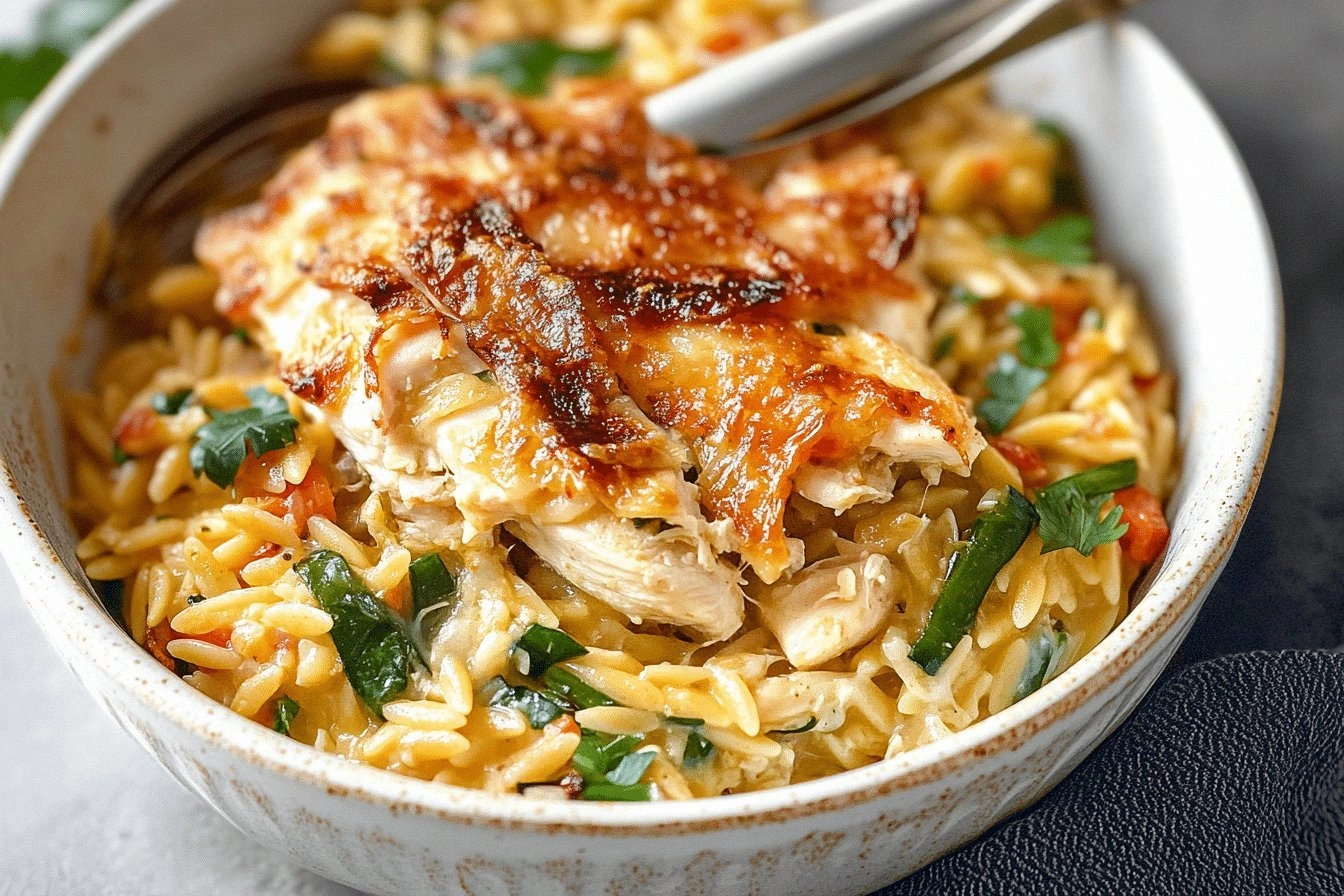
The first thing you notice is the aroma: a buttery sizzle as olive oil kisses the pan, followed by a fragrant chorus of garlic and onion that turns the kitchen into a fragrant theater. The colors are a riot of crimson peppers, emerald herbs, and golden orzo that glistens like a sunrise. The texture feels almost cinematic – the chicken starts with a crisp, caramelized crust that gives way to a tender, juicy center. The sauce, once the broth and tomatoes mingle, thickens into a silky velvet that clings to every grain of orzo. The taste is a layered symphony of savory, slightly sweet, and herbaceous notes that dance on the tongue. You’ll be tempted to taste it and not go back for seconds, but I dare you to resist the temptation.
What makes this version stand out is that it’s not just a recipe; it’s a culinary revelation that flips the script on traditional chicken dishes. The entire meal is cooked in a single pan, which means no more juggling pots or worrying about overcooked pasta. The orzo absorbs the broth and herbs, creating a creamy, comforting texture that feels like a hug on a plate. The chicken, when seared to a golden brown, locks in moisture and develops a subtle smokiness that elevates every bite. The finish, with a generous swirl of Parmesan, adds a nutty depth that turns simple ingredients into a gourmet experience. The result is a dish that feels both indulgent and approachable, making it the perfect crowd-pleaser for dinner parties or a cozy night in.
I also discovered a secret twist that most recipes overlook: adding a splash of lemon zest right before serving. This bright, citrusy note cuts through the richness and lifts the entire flavor profile. The dish becomes a harmonious balance of savory, buttery, and tangy, like a well-balanced orchestra. The technique is so simple that even novice cooks can master it with a single glance at the recipe. The final result feels like a culinary victory that you can brag about to anyone who asks. Let me walk you through every single step – by the end, you'll wonder how you ever made it any other way.
What Makes This Version Stand Out
- Taste Explosion: The combination of garlic, onion, and a splash of lemon zest creates a flavor profile that feels both comforting and adventurous, turning a simple chicken dish into a memorable experience.
- Texture Harmony: The orzo soaks up the broth, turning into a silky, creamy base that contrasts perfectly with the crispy edges of the chicken.
- One-Pan Simplicity: Cooking everything together eliminates cleanup and keeps the kitchen organized, making it ideal for busy evenings.
- Fresh Herb Finish: A final sprinkle of parsley or basil adds a burst of green freshness that lifts the entire dish.
- Quick Prep: With a prep time of just 15 minutes, you can have a restaurant-quality meal on the table in under an hour.
- Versatile Base: The recipe can be easily adapted for dietary preferences, such as swapping orzo for quinoa or using low-sodium broth.
- Colorful Presentation: The vibrant reds and greens make the dish visually appealing, ensuring it looks as good as it tastes.
- Make-Ahead Friendly: Leftovers keep well and can be reheated without losing flavor or texture.
Inside the Ingredient List
The Flavor Base
Garlic and onion form the aromatic backbone of this dish, releasing sweet, savory notes that mingle with the broth to create a rich foundation. A pinch of salt is essential to bring out the natural flavors of the chicken and vegetables. If you’re watching sodium, a low-sodium chicken broth will keep the dish balanced without sacrificing depth. Skipping the aromatics will leave the dish flat and lifeless, so keep them in the mix. The onion’s sweetness caramelizes when sautéed, adding a subtle caramel note that complements the orzo’s nuttiness. Fresh garlic cloves, minced finely, distribute evenly across the pan, ensuring every bite is infused with that classic garlic punch.
The Texture Crew
Orzo pasta is the star of the texture game, offering a tender yet al dente bite that absorbs the broth and herbs beautifully. The pasta’s small, rice-like shape makes it perfect for holding onto the sauce, creating a creamy mouthfeel. If you prefer a gluten-free version, swap the orzo for cauliflower rice or a gluten-free pasta alternative. The chicken breasts are the main protein source; they should be trimmed of excess fat to keep the dish lean. Slicing the chicken into uniform pieces ensures even cooking and prevents dry spots. The broth acts as the liquid medium, allowing the orzo to cook while infusing the entire dish with savory depth.
The Unexpected Star
Bell peppers or cherry tomatoes bring a burst of color and a hint of sweetness that cuts through the richness of the sauce. Their natural sugars caramelize slightly when cooked, adding a subtle sweet undertone that balances the savory notes. If you’re in the mood for a twist, try adding sliced zucchini or spinach for extra nutrition and a pop of green. The choice between bell peppers and tomatoes depends on your texture preference: peppers offer a firm bite, while tomatoes release more juice. Including both can create a layered flavor profile that’s both sweet and savory. Don’t skip this component; it’s what gives the dish its signature Mediterranean flair.
The Final Flourish
Parmesan cheese is the finishing touch that adds a salty, nutty richness, turning the sauce into a velvety coating for the orzo. Grated Parmesan melts smoothly, creating a silky texture that clings to every grain. A pinch of freshly ground black pepper brightens the dish, adding a subtle heat that complements the lemon zest. Fresh herbs like parsley or basil add a bright, green freshness that lifts the entire flavor profile. If you’re vegan, substitute nutritional yeast for Parmesan to maintain the cheesy flavor. The final sprinkle of herbs is the last flourish that turns a good meal into a great one.
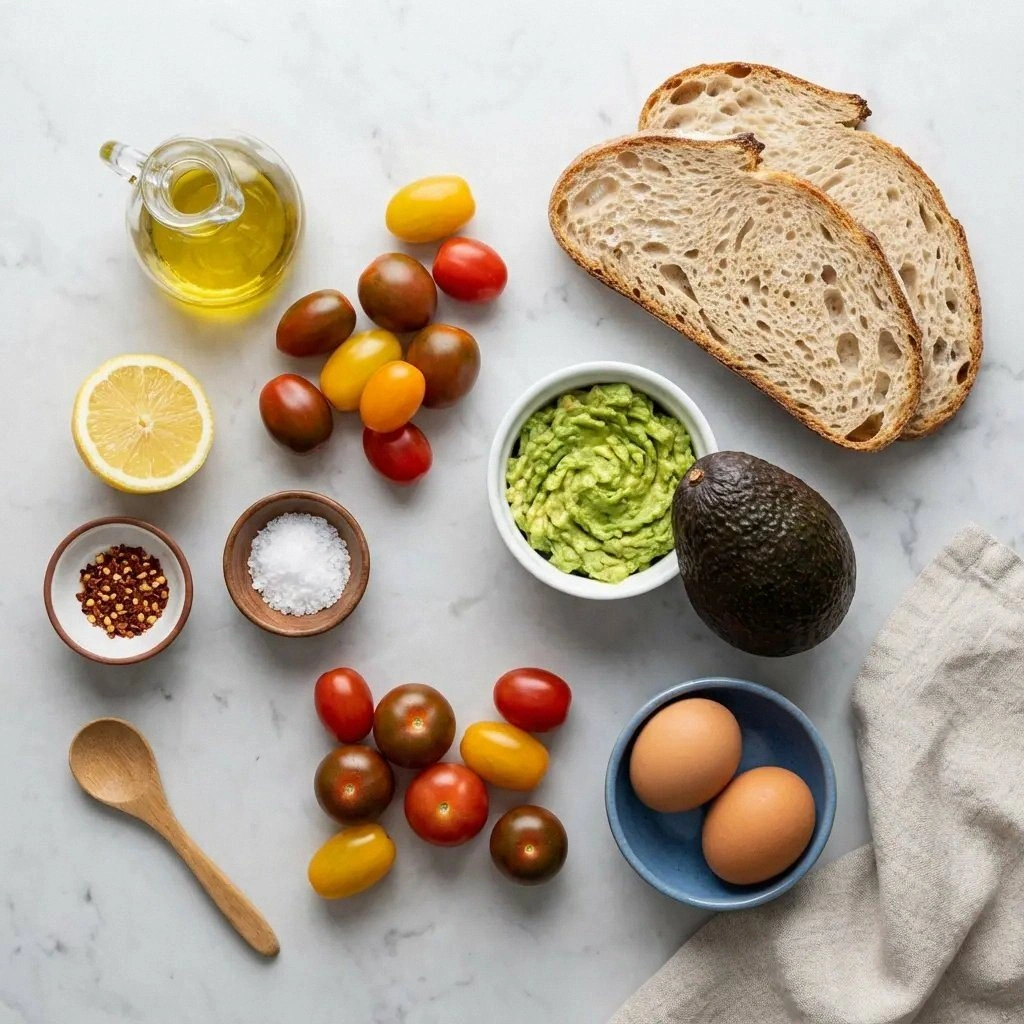
Everything's prepped? Good. Let's get into the real action.
The Method — Step by Step
- Heat a large skillet over medium-high heat and add 2 tablespoons of olive oil, swirling to coat the surface. Once the oil shimmers, place the boneless chicken breasts in the pan, making sure they’re not crowded. Sear the chicken for 3-4 minutes on each side until a golden-brown crust forms, releasing a caramelized aroma that fills the kitchen. Flip the chicken carefully to avoid tearing the skin, and set the pan aside on a plate. This step locks in juices and builds a flavorful base for the sauce. The seared chicken will later reheat in the sauce, ensuring every bite stays moist.
- In the same skillet, reduce the heat to medium and add a finely minced onion. Sauté until translucent, about 2 minutes, stirring frequently to prevent sticking. Add 2 minced garlic cloves, cooking for an additional 30 seconds until fragrant. The garlic releases a warm, earthy scent that signals the dish is getting delicious. Be careful not to let the garlic burn, as it will turn bitter. Once the aromatics are ready, you’re set to introduce the pasta.
- Stir in 1 cup of orzo, tossing to coat it in the oil and aromatics. Pour in 2 cups of chicken broth, ensuring the pasta is fully submerged. Bring the mixture to a gentle boil, then reduce the heat to a simmer. This allows the orzo to absorb the broth and develop a silky texture. Keep the lid off to let excess liquid evaporate, creating a concentrated sauce. The orzo will start to soften, signaling that the base is ready for the next step.
- Return the seared chicken breasts to the skillet, nestling them into the bubbling mixture. Cover the pan with a lid and let everything simmer for 10 minutes, allowing the chicken to finish cooking and the flavors to meld. The chicken should reach an internal temperature of 165°F (74°C). While the chicken rests, the sauce thickens and the orzo becomes tender. This simmering stage is crucial for a cohesive flavor profile. The aroma during this time will have you craving dinner before the timer even hits.
- Add 1 cup of chopped bell peppers or cherry tomatoes to the pan, stirring gently to incorporate. The vegetables should soften in 4-5 minutes, releasing their natural sugars and brightening the dish. Watch for the peppers to wilt but keep them slightly crisp for texture contrast. The tomatoes will burst, adding a juicy burst that balances the savory sauce. This step is where the dish transitions from a simple chicken and pasta to a vibrant, colorful plate. If you like a bit of heat, a pinch of red pepper flakes can be tossed in.
- Stir in 0.5 cup of grated Parmesan cheese, allowing it to melt into the sauce for a creamy finish. Sprinkle 2 tablespoons of chopped fresh herbs, such as parsley or basil, to add a bright green pop. Remove the lid and let the sauce reduce for an additional 2 minutes, creating a luscious coating on the orzo. Taste the dish and adjust seasoning with salt and pepper if needed. This final touch elevates the dish from good to unforgettable. The cheese and herbs lock in the flavors, making every bite a savory delight.
- Let the skillet rest for 3 minutes off the heat, allowing the chicken to reabsorb some of the sauce. This rest period helps the juices redistribute, ensuring the meat stays juicy when sliced. While the dish rests, the sauce thickens slightly, making it easier to coat the orzo evenly. The aroma will intensify, creating anticipation for the first bite. This pause is essential for achieving the perfect mouthfeel. The rest also allows the flavors to meld even further.
- Serve the dish hot, spooning the creamy sauce over the chicken and orzo. Garnish with an extra sprinkle of fresh herbs for a vibrant finish. Pair with a crisp white wine or a chilled glass of sparkling water for a balanced meal. Enjoy the harmonious blend of textures and flavors that will leave you craving a second plate. This simple yet sophisticated dish is perfect for impressing guests or treating yourself after a long day. Remember, the key to success is patience and attention to detail.
Insider Tricks for Flawless Results
The Temperature Rule Nobody Follows
Many cooks assume that high heat is always better, but the secret to juicy chicken lies in medium heat during the sear. Start with a hot pan to get that golden crust, then reduce the heat to medium for the simmer. This prevents the exterior from burning while the interior remains undercooked. The gradual temperature change also helps the orzo absorb the broth without becoming mushy. A thermometer can be handy, but visual cues like the color change in the pan are reliable. Consistency in temperature means consistency in flavor and texture.
Why Your Nose Knows Best
Before you even taste the dish, close your eyes and inhale the aroma. The smell of garlic, onion, and Parmesan will tell you if the sauce is ready. If it’s too sharp, let it simmer longer; if it’s too mild, add a pinch of salt or a splash of lemon. Your nose is your first quality control, often catching issues before they become taste problems. Trust that instinct; it’s a seasoned chef’s secret weapon. A well-balanced aroma translates into a well-balanced bite.
The 5-Minute Rest That Changes Everything
After the skillet rests off the heat, the chicken’s juices redistribute, making it far less dry. A 5-minute pause also allows the sauce to thicken slightly, ensuring it coats the orzo perfectly. Skipping this step can leave the dish watery and unappetizing. The rest period is especially important when serving a crowd, as the flavors meld further over time. Think of it as a small but powerful encore in your culinary performance. The result is a dish that tastes even better a few minutes after cooking.
Keep the Pan Clean, Keep the Flavor
Sticking to a single pan means you’ll need to manage residue carefully. Use a silicone spatula to scrape the bottom after cooking; it’s gentle on the pan and effective at lifting stuck bits. Avoid using abrasive scrubbers that can damage the skillet’s finish. A quick rinse with warm water and a mild soap will keep the pan in prime condition for future dishes. Cleanliness also prevents unwanted flavors from creeping into the next meal. A clean pan is a happy pan, and a happy pan means a happy dish.
Don’t Forget the Final Touch
The last sprinkle of fresh herbs and a dusting of Parmesan can make a dramatic difference. Fresh herbs add brightness that cuts through richness, while Parmesan adds depth and a savory finish. Timing is key; add them after removing the pan from heat to preserve their flavor. This final flourish turns a good dish into a memorable one. It’s the small detail that chefs swear by, and you’ll notice it immediately. Trust the process, and let the finishing touches shine.
Creative Twists and Variations
Spicy Southwestern Edition
Swap the bell peppers for a mix of roasted corn and diced jalapeños to add a smoky, spicy kick. Incorporate a tablespoon of chipotle in adobo sauce for a smoky heat that pairs with the Parmesan. Serve over a bed of cilantro-lime rice for an extra burst of freshness. This variation adds a bold, Tex-Mex flavor profile that’s perfect for summer gatherings. The corn’s natural sweetness balances the heat, creating a harmonious taste experience. Guests will love the unexpected fusion of flavors.
Vegan Delight
Replace the chicken with marinated tofu cubes, seasoned with garlic and herbs before sautéing. Use vegetable broth instead of chicken broth for a lighter, plant-based option. Sprinkle nutritional yeast in place of Parmesan for a cheesy, umami flavor. Add a handful of spinach or kale for added nutrition and color. This version is free from animal products yet still delivers the creamy, comforting texture of the original. It’s a crowd-pleaser for both vegans and non-vegans alike.
Seafood Surprise
Swap the chicken for a mix of shrimp and scallops, cooking them just until pink for a quick, luxurious finish. Add a splash of white wine to the broth for depth and acidity. Incorporate diced fennel for a subtle anise flavor that complements the seafood. Finish with a drizzle of lemon butter for richness and brightness. The seafood version turns the dish into an elegant main course suitable for special occasions. The combination of textures—from the tender orzo to the succulent shrimp—creates a memorable dining experience.
Herb-Infused Mediterranean
Add a handful of sun-dried tomatoes for a chewy, sweet burst that pairs beautifully with oregano and thyme. Use a pinch of smoked paprika to introduce a subtle smokiness that elevates the dish. Replace the orzo with couscous to give a lighter, grainy texture. Finish with a drizzle of extra-virgin olive oil and a squeeze of fresh lemon juice for a bright, vibrant finish. This variation emphasizes Mediterranean flavors, making it perfect for a summer lunch or a light dinner. The result is a dish that feels both authentic and modern.
Breakfast Kickstart
Add diced bacon or pancetta for a savory, smoky base that pairs well with eggs. Instead of orzo, use diced potatoes or hash browns for a comforting, hearty texture. Fold in a beaten egg into the simmering sauce to create a creamy, custard-like consistency. Top with a sprinkle of chives and a dash of hot sauce for a brunch-ready dish. This breakfast twist transforms the classic recipe into a protein-packed, satisfying start to the day. It’s a playful take that will surprise your family.
Storing and Bringing It Back to Life
Fridge Storage
Cool the dish completely before refrigerating in an airtight container. Store in the fridge for up to 3 days, ensuring it’s sealed to prevent odors from seeping in. When ready to eat, reheat gently on the stovetop, stirring occasionally to maintain moisture. Add a splash of water or broth if the sauce has thickened too much. The dish retains its flavor and texture when reheated properly, making it a convenient make-ahead option. Always check the temperature to ensure it reaches 165°F before serving.
Freezer Friendly
Divide the dish into portion-sized containers, leaving a small space for expansion. Freeze for up to 2 months, ensuring the container is tightly sealed to avoid freezer burn. When thawing, do so overnight in the refrigerator to preserve texture. Reheat on the stovetop with a splash of broth to revive the sauce. This method keeps the dish fresh and flavorful, ready for a quick dinner when time is scarce. The freezer-friendly option allows you to enjoy this comfort food whenever inspiration strikes.
Best Reheating Method
The key to reheating is gentle heat and moisture. Use a low-medium setting on the stove, stirring frequently to prevent sticking. Add a tiny splash of water or broth to steam the dish back to life, preventing it from drying out. Cover the pan for the first few minutes to trap steam, then remove the lid to let excess liquid evaporate. This technique restores the sauce’s silky texture and keeps the orzo from becoming mushy. Reheated properly, the dish tastes just as fresh as when it was first cooked.