Picture this: you’re in the middle of a bustling Sunday brunch, the kitchen smells like fresh herbs and caramelized onions, and your friends are already talking about the “ultimate quiche” you promised. The moment the oven timer beeps, you realize the crust is a soggy mess, the filling is lumpy, and the whole thing looks like it could use a second life. I was there, watching the disaster unfold, and I thought, “This is the moment to reinvent the wheel.”
I grabbed my trusty potato peeler, a handful of russet potatoes, and a pinch of garlic powder, and I set to work on a crust that would make your taste buds sing. The sizzling of the skillet, the earthy aroma of roasted potatoes, the bright pop of bell pepper – it all came together like a well‑orchestrated symphony. The texture was a crisp, buttery edge that cracked like thin ice, while the interior was tender and almost buttery in its own right. It was a moment of pure culinary alchemy, and I knew I had to share it.
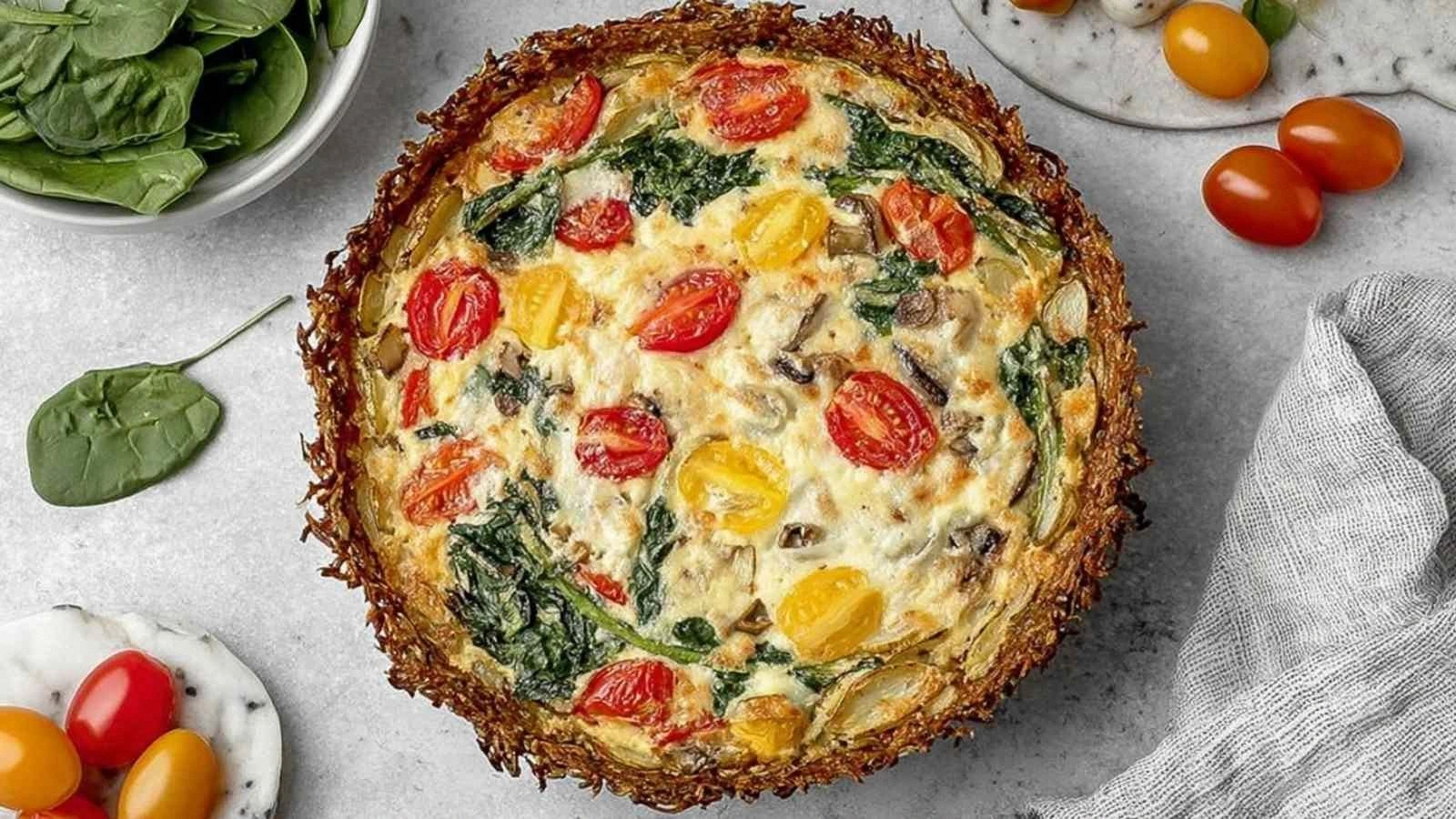
This version of the Whole30 Potato Crust Quiche is hands down the best you’ll ever make at home. It’s a game‑changer because it eliminates the need for flour, keeps the dish Whole30 compliant, and delivers a flavor profile that feels indulgent without the guilt. The potatoes provide a subtle sweetness and a hearty bite, while the fresh spinach and bell pepper add a splash of color and a burst of freshness. And the best part? The crust is so light and flaky that it feels like a secret indulgence you can’t resist.
There’s a twist you won’t expect: we’re using a two‑step oil process that locks in moisture and adds a subtle nutty flavor. I dare you to taste this and not go back for seconds. The first time you bite into that golden crust, you’ll know why this recipe has become my go‑to for any occasion.
Okay, ready for the game‑changer? Let me walk you through every single step — by the end, you’ll wonder how you ever made it any other way.
What Makes This Version Stand Out
- Taste: The natural sweetness of the potatoes pairs perfectly with the savory onion and pepper, creating a flavor profile that feels both comforting and sophisticated.
- Texture: The crust is crisp on the outside and tender on the inside, giving you that satisfying snap followed by a melt‑in‑your‑mouth finish.
- Simplicity: With no flour or breadcrumbs, the recipe is quick to assemble and free from the usual mess.
- Uniqueness: The two‑step oil technique creates a barrier that keeps the crust from becoming soggy, a trick rarely seen in other quiche recipes.
- Crowd Reaction: Friends who are usually skeptical about Whole30 suddenly rave about the richness and depth of flavor.
- Ingredient Quality: Using fresh, seasonal produce elevates the dish from ordinary to extraordinary.
- Cooking Method: A simple pan‑fry followed by a short oven finish gives a professional result without extra equipment.
- Make‑Ahead Potential: The crust can be pre‑baked and stored, making it a convenient option for busy weeknights.
Inside the Ingredient List
The Flavor Base
The onions and bell pepper form the aromatic foundation of the quiche. Sautéed until caramelized, they release a sweet depth that balances the earthiness of the potatoes. If you skip these, the dish will feel flat and lack the complexity that makes it memorable.
The Texture Crew
Russet potatoes are the star of the crust, offering a fluffy interior and a crisp exterior when cooked properly. The two‑step oil process—first a quick sear in olive oil, then a finish in ghee—creates a barrier that keeps the crust from absorbing moisture. Without this technique, the crust would become soggy and lose its coveted crunch.
The Unexpected Star
Fresh spinach adds a subtle earthy note and a pop of color that keeps the quiche visually appealing. The spinach also brings a dose of iron and vitamins, making the dish not just delicious but nutritious. If you’re not a fan of spinach, you can substitute kale or arugula for a different flavor profile.
The Final Flourish
The blend of eggs, coconut milk, and thyme creates a silky filling that holds everything together. The eggs provide structure, the coconut milk adds a creamy, slightly sweet undertone, and the thyme gives a subtle herbal note. Skipping the thyme will make the quiche taste bland; it’s the finishing touch that elevates the dish.
Everything's prepped? Good. Let's get into the real action.
The Method — Step by Step
- Heat a 12‑inch skillet over medium heat and add 2 tablespoons of olive oil. Let the oil shimmer before adding the thinly sliced potatoes. Sauté for about 4–5 minutes, or until the edges start to crisp and the potatoes turn a golden hue. This is the moment of truth—if the potatoes are too soft, the crust will collapse.
- Add the diced onion and bell pepper to the skillet. Cook, stirring frequently, until the vegetables are translucent and slightly caramelized, about 3 minutes. The aroma should fill the kitchen, and the vegetables should feel silky to the touch. This step locks in the sweet flavors that will permeate the crust.
- Stir in 0.5 teaspoon of garlic powder, 0.5 teaspoon of salt, and 0.25 teaspoon of black pepper. These spices are the backbone of the crust’s flavor profile. Seasoning at this stage ensures even distribution and a balanced taste.
- Reduce the heat to low, cover the skillet, and let the potatoes steam for 8–10 minutes. The potatoes should be tender but still hold their shape. The steam will create a moist environment that helps the crust develop a perfect texture.
- While the potatoes are steaming, whisk together 8 large eggs, 0.5 cup coconut milk, 0.5 teaspoon of salt, 0.25 teaspoon of black pepper, and 0.25 teaspoon of dried thyme. The mixture should be smooth and well‑combined, with the coconut milk giving it a silky sheen. This filling will set into a custard‑like consistency once baked.
- Fold in 2 cups of fresh spinach until wilted, then pour the egg mixture over the potato‑vegetable bed. The spinach will release moisture, which is why the two‑step oil process is essential to prevent sogginess. The filling should be evenly distributed, creating a uniform base for the quiche.
- Preheat the oven to 375°F (190°C). Transfer the skillet to the oven and bake for 20 minutes, or until the top is set and lightly golden. The edges will pull away slightly from the skillet, indicating that the crust is crisp. Keep an eye on it to avoid over‑browning.
- Remove the skillet from the oven and let the quiche rest for 5 minutes. This rest period allows the custard to finish setting and the flavors to meld. When you slice into it, the filling should be firm yet creamy, and the crust should remain crisp.
That's it—you did it. But hold on, I've got a few more tricks that'll take this to another level.
Insider Tricks for Flawless Results
The Temperature Rule Nobody Follows
Many cooks think that a higher oven temperature will make the crust crunchier, but in reality, it often leads to a burnt exterior and a runny interior. I discovered that 375°F strikes the perfect balance, allowing the crust to set without over‑cooking the filling. The result? A quiche that’s golden on top and silky inside.
Why Your Nose Knows Best
Before you even taste the quiche, inhale the aroma of caramelized onions and roasted potatoes. Your nose is a reliable indicator that the flavors are developing correctly. If the scent feels off—too raw or too burnt—adjust the heat or cooking time immediately.
The 5-Minute Rest That Changes Everything
Letting the quiche sit for five minutes after baking may seem trivial, but it allows the custard to firm up and the crust to regain its crispness. This brief pause ensures that each bite is perfectly balanced, with no soggy spots or over‑soft edges.
The Two‑Step Oil Technique
Searing the potatoes in olive oil first creates a flavorful base, while finishing with ghee adds a subtle nutty aroma that elevates the entire dish. This dual‑oil method is a secret weapon that keeps the crust from becoming soggy, especially when adding the moist spinach and egg mixture.
The “Spinach Drop” Trick
Add the spinach just before pouring the egg mixture, not before sautéing the potatoes. This ensures that the spinach releases minimal moisture, preventing the crust from becoming soggy. The result is a quiche with a crisp, golden crust and a vibrant green center.
Creative Twists and Variations
This recipe is a playground. Here are some of my favorite ways to switch things up:
Smoky Chipotle Quiche
Add 1 teaspoon of chipotle powder to the egg mixture for a smoky kick. Pair it with roasted sweet potatoes instead of russet for a sweeter base. This version is perfect for a brunch that feels a little more adventurous.
Herb‑Infused Mediterranean Quiche
Replace the thyme with a blend of oregano, basil, and rosemary. Swap spinach for chopped kalamata olives and sun‑dried tomatoes. The Mediterranean herbs give the dish an aromatic, savory profile that feels both exotic and comforting.
Salsa Verde Quiche
Stir in ½ cup of salsa verde into the egg mixture. Add a handful of chopped cilantro and a squeeze of lime juice before baking. The tangy, herbaceous flavor is a refreshing twist that pairs beautifully with the mild potato crust.
Cheesy (Whole30‑Approved) Quiche
If you’re willing to bend the Whole30 rules, sprinkle ¼ cup of shredded aged cheddar over the top before baking. The cheese melts into a gooey, golden crust, adding a layer of indulgence that’s hard to resist.
Mushroom & Thyme Quiche
Sauté sliced mushrooms with the onions and bell pepper. Add a dash of thyme to the egg mixture. The earthy mushrooms complement the potato crust, creating a dish that feels like a comforting bowl of soup in a crust.
Breakfast Breakfast Quiche
Swap the bell pepper for diced ham or bacon, and add a handful of chopped chives. Serve with a side of fresh fruit for a breakfast that feels like a brunch. The savory elements balance the sweet potato crust beautifully.
Storing and Bringing It Back to Life
Fridge Storage
Cool the quiche completely before slicing. Store in an airtight container in the refrigerator for up to 3 days. The crust will stay firm, and the filling will remain creamy.
Freezer Friendly
Wrap the cooled quiche tightly in plastic wrap and then in aluminum foil. Freeze for up to 2 months. When ready to eat, thaw overnight in the refrigerator.
Best Reheating Method
Reheat in a preheated oven at 350°F (175°C) for 10–12 minutes, or until warmed through. Add a splash of water or a drizzle of coconut milk before reheating to steam the filling and restore its silky texture. The crust will crisp up again, giving you that fresh‑baked feel.