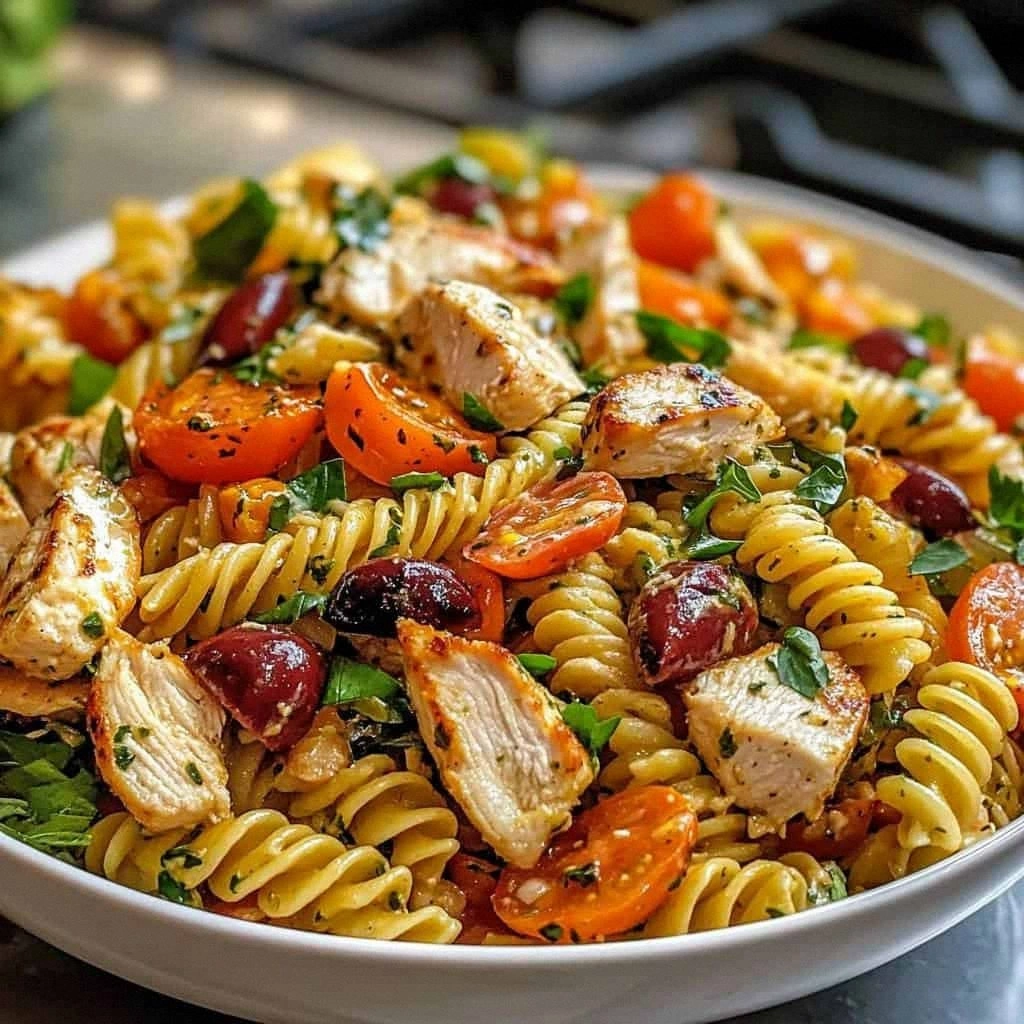
I remember the night my kitchen turned into a battlefield: a rogue chicken breast slipped into the pan, splattering oil like a tiny volcano, and the pasta I was supposed to cook was already halfway through boiling. I stared at the chaos, wondering if I could salvage the meal, and the idea of a creamy, velvety sauce coating every strand of pasta popped into my head like a bright spark. That moment sparked a quest—one that led me to discover a version of creamy chicken pasta that not only salvaged the disaster but turned it into a triumph of flavor and texture.
Picture this: the air is thick with the aroma of garlic sizzling in butter, the gentle hiss of cream bubbling to a glossy sheen, and the sight of pasta swimming in a luscious, golden sauce that looks like it could be a piece of art. The sound of the pot clanking against the stove is punctuated by the occasional splash of a spoon stirring, the feel of the wooden spoon sliding through the thick mixture, and the anticipation of tasting something that feels like a hug in a bowl. Every sense is engaged, and the anticipation builds until the first bite arrives—soft pasta, tender chicken, a buttery sauce that coats each noodle like velvet, and a hint of lemon zest that brightens the richness.
What sets this version apart from every other recipe you’ve tried? It’s the meticulous balance of ingredients, the secret technique of caramelizing garlic in butter before adding cream, and the subtle addition of sun‑dried tomatoes that give a burst of umami. It’s also the way the sauce is thickened just enough to cling to the pasta without becoming heavy, and how a splash of pasta water is used to fine‑tune the consistency. And I dare you to taste this and not go back for seconds; it’s that addictive.
I’ll be honest—when I first made it, I ate half the batch before anyone else even had a chance to try a spoon. That was a moment of pure triumph, but it also proved that this dish is worth sharing. If you’ve ever struggled with a sauce that turns out too thin or a chicken that ends up dry, you’re not alone, and I’ve got the fix. The next part of this post is going to walk you through every single step, from the first sear to the final flourish of parsley, and by the end, you’ll wonder how you ever made it any other way.
What Makes This Version Stand Out
- Taste: The sauce’s richness is tempered by a bright citrus note and a subtle hint of sun‑dried tomato, creating a layered flavor profile that lingers on the palate.
- Texture: The pasta is al dente, the chicken is juicy, and the sauce clings like a silk glove, giving a silky mouthfeel that feels luxurious.
- Simplicity: With only a handful of pantry staples and a single pan, you can achieve a restaurant‑style dish in under an hour.
- Uniqueness: The caramelized garlic‑butter base and the final splash of lemon zest set this recipe apart from the usual creamy pasta.
- Crowd Reaction: Friends and family rave about the “wow” factor; it’s a conversation starter at dinner parties.
- Ingredient Quality: Using fresh chicken, high‑quality parmesan, and fresh herbs elevates the dish to gourmet status.
- Cooking Method: The technique of sautéing the chicken in a hot pan before adding the sauce locks in juices and creates a caramelized crust.
- Make‑Ahead Potential: The sauce can be made ahead and reheated without losing its silky texture.
Inside the Ingredient List
The Flavor Base
Garlic, butter, and olive oil form the aromatic foundation of the sauce. The garlic is minced finely to release maximum flavor, and the butter is melted until it turns a light golden hue, signaling that it’s ready for the garlic. If you skip the butter, the sauce will feel flat and less indulgent; the butter adds a subtle nutty depth that balances the richness of the cream. Swap butter for ghee if you’re avoiding dairy—just be mindful that ghee has a higher smoke point, so you’ll need to watch the temperature.
The olive oil is a finishing touch that adds a peppery brightness. It also helps prevent the sauce from thickening too quickly. When selecting olive oil, choose a cold‑pressed extra‑virgin variety for the best flavor. If you’re on a budget, a lighter olive oil works fine, but the taste will be slightly muted.
The Texture Crew
Chicken breast is the star protein; it should be sliced into bite‑sized pieces to ensure even cooking. When you sear the chicken, aim for a golden crust—this caramelization locks in moisture and adds a savory depth that plain cooking can’t match. If you’re using boneless, skinless chicken, keep the pieces uniform to avoid some becoming overcooked while others remain underdone.
Pasta is the canvas that holds the sauce. I recommend using penne or fettuccine because their ridges and grooves trap the sauce beautifully. Boil the pasta until it’s just shy of al dente, as it will continue cooking in the sauce. If you prefer a lighter dish, switch to whole‑wheat pasta for added fiber.
Heavy cream provides the silky body of the sauce, but you can use half‑and‑half or a dairy‑free alternative if you’re watching calories. The key is to keep the cream at a gentle simmer; a rolling boil will cause it to separate. If you need a thicker sauce, a tablespoon of flour or cornstarch mixed with cold water can be added at the end.
The Unexpected Star
Sun‑dried tomatoes bring an intense burst of umami and a sweet, slightly tangy flavor that cuts through the richness. They also add a pop of color that makes the dish visually appealing. If you don’t have sun‑dried tomatoes on hand, chopped fresh tomatoes or a spoonful of tomato paste can substitute, though the flavor profile will shift slightly.
A splash of lemon zest brightens the dish, adding a citrusy lift that balances the cream. Use a microplane to grate the zest, and avoid the bitter white pith. If you’re not a fan of lemon, a touch of white wine vinegar can provide a similar acidity.
The Final Flourish
Parmesan cheese is grated fresh to release its nutty flavor. The cheese melts into the sauce, adding a subtle salty depth that enhances every bite. If you’re lactose intolerant, try a vegan parmesan made from nutritional yeast and nuts for a similar flavor.
Fresh parsley adds a green, herbaceous note that lightens the dish and adds a fresh aroma. Chop it finely and sprinkle it over the finished pasta just before serving. If you don’t have parsley, basil or chives can work as a substitute, each bringing its own unique aroma.
Everything’s prepped? Good. Let’s get into the real action.
The Method — Step by Step
- Heat a large skillet over medium‑high heat and add 2 tablespoons of olive oil. Once hot, add the sliced chicken breast in a single layer. Let it sear without moving for about 3 minutes, then flip and cook the other side for another 3 minutes. The chicken should develop a golden crust and be cooked through. This step locks in juices and builds flavor; don’t rush it.
- Remove the chicken and set aside. In the same skillet, reduce the heat to medium and add 2 tablespoons of butter. As the butter melts, sprinkle in 3 minced garlic cloves. Sauté for about 30 seconds until the garlic turns fragrant and just starts to brown—this is where the caramelization begins. The aroma will be intoxicating, and that’s a good sign.
- Pour in 1 cup of heavy cream and stir to combine with the butter‑garlic mixture. Bring to a gentle simmer, letting the sauce thicken slightly. Keep the heat low; a rolling boil will cause the cream to curdle. As it simmers, add ½ cup of chopped sun‑dried tomatoes and 1 tablespoon of lemon zest. The tomatoes soften, releasing their sweet juices, and the lemon zest brightens the sauce. Watch for the sauce to reach a silky consistency.
- Return the chicken to the skillet, nestling it into the sauce. Reduce the heat to low and let everything steam together for 5 minutes. The chicken will finish cooking and absorb the flavors, while the sauce thickens further. This is the moment of truth—taste a spoonful to check for seasoning.
- Add 12 ounces of cooked pasta directly to the skillet, tossing to coat each strand with the sauce. If the sauce feels too thick, add a splash of pasta water to loosen it. The starch in the pasta water helps the sauce cling to the noodles. Stir until everything is evenly mixed and heated through.
- Stir in 1 cup of freshly grated parmesan cheese and 2 tablespoons of chopped parsley. The cheese melts into the sauce, creating a creamy, cheesy finish. The parsley adds a fresh, green burst that cuts through the richness. Taste and adjust the seasoning with salt and pepper as needed.
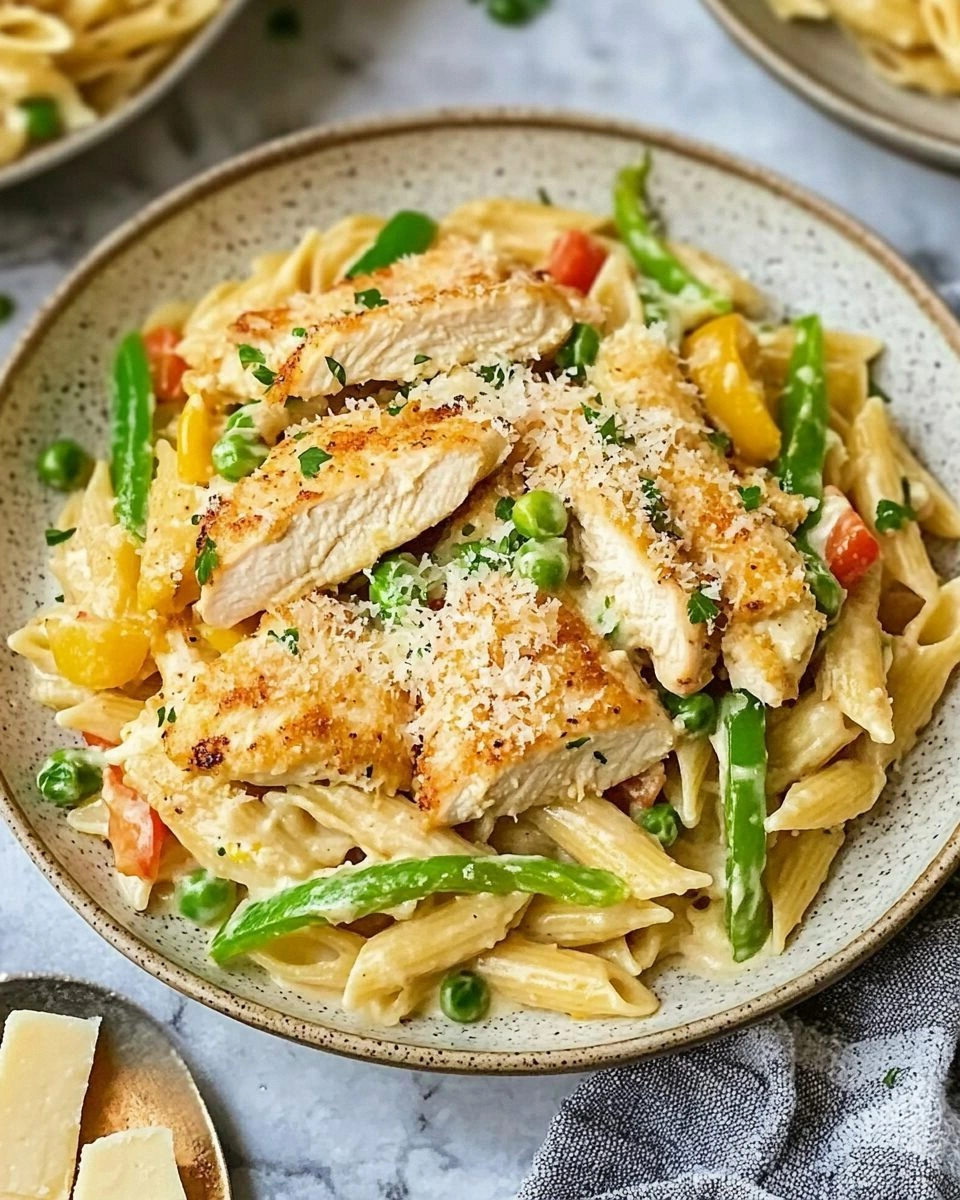
- Serve hot, optionally garnished with extra parmesan or a drizzle of olive oil. The dish should look glossy, with a golden sauce that coats every noodle. The aroma will be heavenly, and the first bite will be a revelation.
- Enjoy your masterpiece! If you’re feeling adventurous, try adding a splash of white wine during the sauce step for a subtle depth. Remember, the key to this dish is the balance of richness and brightness; each element should complement the others.
That’s it—you did it. But hold on, I’ve got a few more tricks that will take this to another level. These insider tips will help you perfect the sauce, avoid common pitfalls, and elevate the dish to a truly memorable experience.
Insider Tricks for Flawless Results
The Temperature Rule Nobody Follows
Many cooks believe that a higher heat cooks faster, but that can lead to uneven cooking and burnt garlic. Keep the skillet at medium‑low when adding cream, allowing the sauce to develop without scorching. A gentle simmer lets the flavors meld and the sauce thicken naturally. If you’re in a hurry, a quick burst of high heat can be used to sear the chicken first, but never for the sauce.
Why Your Nose Knows Best
When the garlic starts to brown, the aroma will change from sweet to nutty. That scent is a clear indicator that the flavor base is ready. Trust your nose: if it smells like toasted almonds, you’re in the sweet spot. Don’t wait until the garlic turns black; that will ruin the sauce’s bright character.
The 5‑Minute Rest That Changes Everything
After adding the cheese, let the dish rest for 5 minutes before serving. This allows the cheese to melt fully and the sauce to settle, resulting in a smoother texture. A friend once skipped this step and ended up with a sauce that separated. The rest period is simple but essential.
The Secret of the Sun‑Dried Tomatoes
If you want a more pronounced tomato flavor, soak the sun‑dried tomatoes in warm water for 10 minutes before chopping. This rehydrates them, making them juicier and less chewy. The extra moisture also adds to the sauce’s body without diluting the richness.
The Final Splash of Lemon
Add the lemon zest at the very end, right before serving. This preserves the bright, fresh citrus note that lifts the dish. If you add it too early, the zest’s oils can evaporate, leaving a muted flavor. A quick zesting right before plating ensures maximum aroma.
Creative Twists and Variations
This recipe is a playground. Here are some of my favorite ways to switch things up:
Pesto‑Infused Cream
Swap the heavy cream for a swirl of basil pesto. The pesto adds green color and a fresh, herbal flavor that pairs beautifully with the chicken. Keep the rest of the recipe unchanged for a quick swap.
Mushroom Medley
Add sliced mushrooms to the skillet when searing the chicken. The mushrooms release their umami juices, creating a deeper sauce. They also add a meaty texture that complements the chicken.
Spinach‑Loaded Version
Stir in a handful of fresh spinach just before adding the pasta. The spinach wilts into the sauce, adding color, nutrients, and a slight earthiness that balances the richness.
Spicy Kick
Incorporate red pepper flakes or a dash of hot sauce when sautéing the garlic. The heat adds a lively contrast to the creamy base, making it a perfect dinner for spice lovers.
Lemon‑Zest Parmesan Blend
Mix lemon zest into the parmesan cheese before adding it to the sauce. This creates a citrusy cheese layer that infuses every bite with bright flavor.
Chicken Thigh Variation
Use boneless, skinless chicken thighs instead of breasts for a richer, slightly fatty bite. Thighs stay juicy and add a subtle depth of flavor that complements the creamy sauce.
Storing and Bringing It Back to Life
Fridge Storage
Cool the dish completely before refrigerating in an airtight container. Store for up to 3 days. The sauce may thicken slightly in the fridge; a splash of milk or cream when reheating will restore its silky texture.
Freezer Friendly
Divide the pasta and sauce into separate freezer‑safe containers. Freeze the sauce and pasta separately to prevent the noodles from becoming mushy. When ready, thaw overnight in the fridge and reheat gently.
Best Reheating Method
Reheat the sauce on low heat, stirring frequently. Add a tiny splash of water or milk to loosen the sauce, then stir in the pasta just before serving. This technique keeps the sauce from drying out or separating.