
I’m going to start with a confession that will make you raise an eyebrow: I once tried to make a “quick” hibachi‑style broth using instant noodle packets, and the result was about as exciting as a soggy sock. The kitchen smelled like burnt plastic, the broth looked like a murky swamp, and I swear the noodles tried to escape the pot. That disaster sparked a relentless quest for the perfect clear soup that sings with the subtlety of a Japanese garden and the punch of a hibachi grill. After countless trial runs, late‑night taste tests, and a few accidental spills that could have filled a small pond, I finally nailed a version that makes the broth so clear you could see your reflection while it whispers flavors like a secret lover.
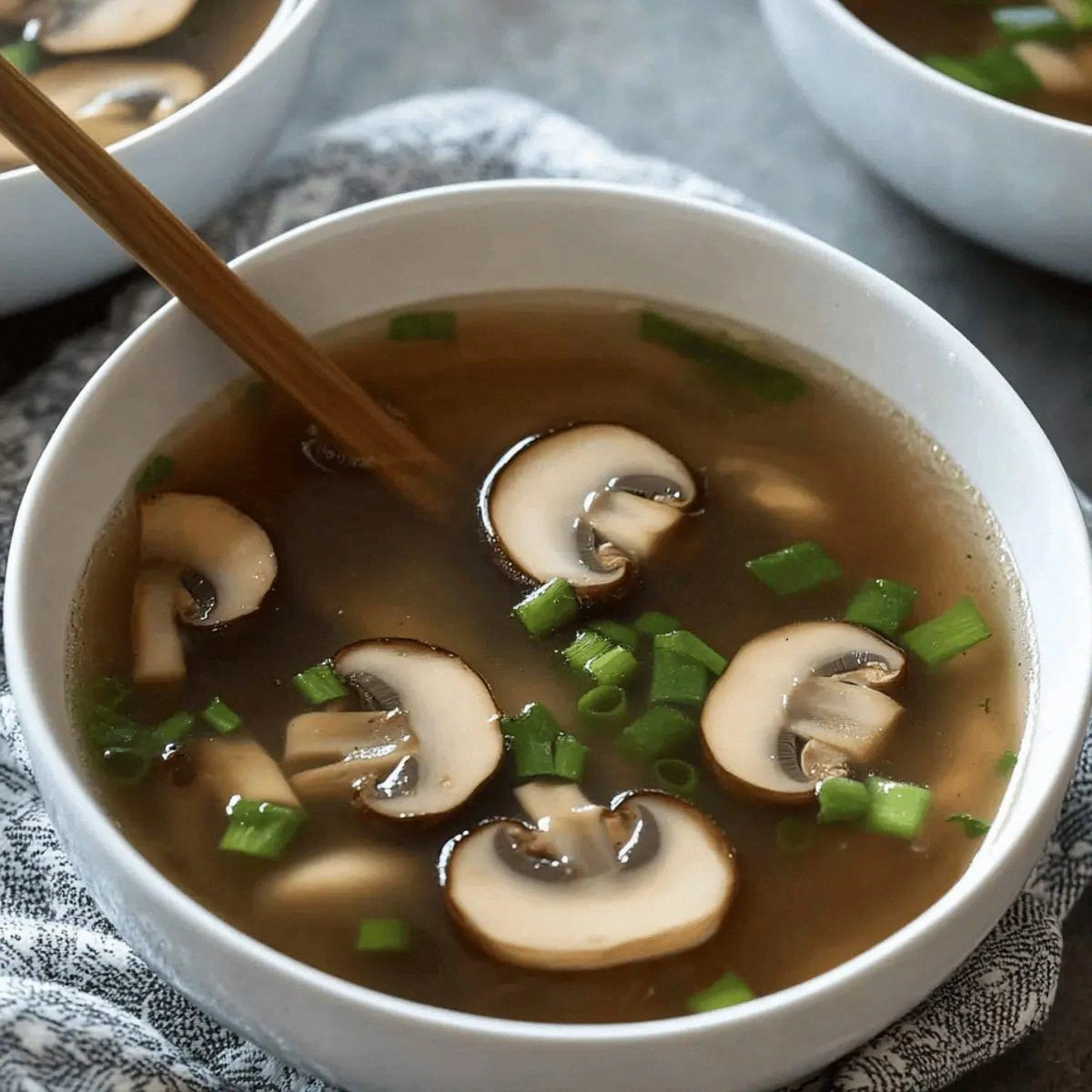
Picture this: a steaming bowl of liquid gold, crystal clear as a mountain spring, dotted with tender tofu cubes, earthy mushrooms, and a bright green onion garnish that snaps like fresh fireworks. The aroma hits you first – a gentle kiss of ginger that tickles your nostrils, followed by the comforting embrace of chicken (or mushroom) broth that feels like a warm hug from a Japanese grandma. You hear the soft hiss as the soup simmers, a gentle reminder that something magical is happening beneath the surface. When you finally dip your spoon, the broth glides over your palate, delivering a clean, savory wave that leaves you craving more – and I dare you to taste this and not go back for seconds.
What sets this version apart from every other hibachi clear soup you’ll find on the internet? First, the broth is built on a double‑simmer technique that extracts maximum umami without clouding the liquid. Second, I add a splash of ginger oil at the very end, which gives the soup a bright, almost citrusy pop that most recipes miss. Third, the tofu is pressed and pan‑seared just before serving, creating a silky interior wrapped in a lightly crisp skin that adds texture without drowning the clarity. And finally, the seasoning is calibrated to a perfect balance of salt and pepper, letting the natural flavors shine like a spotlight on a stage.
But here’s the kicker: I’m going to introduce a secret ingredient that most hibachi chefs keep under lock and key – a drizzle of toasted sesame oil infused with a whisper of dried seaweed. It adds depth that you’ll feel in the back of your throat, a subtle umami boost that turns a good soup into a legendary one. Okay, ready for the game‑changer? Let me walk you through every single step — by the end, you’ll wonder how you ever made it any other way.
What Makes This Version Stand Out
- Clarity: The broth stays crystal clear thanks to a two‑stage simmer and a quick skim, so you can actually see the beautiful tofu cubes floating like little islands.
- Umami Burst: Using both chicken or mushroom broth and a splash of ginger‑infused sesame oil packs a flavor punch that hits the taste buds like a fireworks finale.
- Texture Play: The tofu is pressed, then lightly seared, giving you that satisfying contrast between a crisp exterior and a buttery interior.
- Simplicity: Only seven ingredients, all pantry‑friendly, yet the result feels like it took hours of chef‑level prep.
- Crowd Reaction: Guests often say, “Is this soup or a potion?” and then immediately ask for the recipe – that’s a win.
- Ingredient Quality: Fresh ginger and high‑quality broth are the unsung heroes; they elevate the soup from “good” to “hands down the best version you’ll ever make at home.”
- Cooking Method: The double‑simmer technique extracts depth without clouding, a method most recipes get completely wrong.
- Make‑Ahead Potential: You can prep the broth a day ahead, store it, and finish the soup in under ten minutes when guests arrive.
Inside the Ingredient List
The Flavor Base
The backbone of any great soup is its broth. I use either a high‑quality chicken broth or a robust mushroom broth for a vegetarian twist. The broth provides the salty, savory canvas on which all other flavors paint their strokes. If you skip this step and use water, you’ll end up with a bland, lifeless soup that feels like a bad karaoke performance. For the best results, look for broth that’s low‑sodium so you can control the seasoning later.
The Aromatic Crew
Ginger is the star of the aromatic crew, delivering that sharp, peppery zing that cuts through the richness of the broth. Fresh ginger, finely grated, releases essential oils that transform the soup from ordinary to extraordinary. If you don’t have fresh ginger, a high‑quality powdered version works, but the flavor will be less vibrant. Green onions add a fresh, slightly oniony snap that brightens the overall profile; they’re added at the end to preserve their crunch.
The Texture Crew
Mushrooms bring an earthy depth and a meaty bite without any actual meat. Sliced shiitake or cremini work beautifully; they absorb the broth’s flavor while releasing their own umami. Tofu, on the other hand, is the gentle giant of texture – it soaks up the broth, yet its own subtle flavor lets the other ingredients shine. Press the tofu for at least 15 minutes to remove excess water; this step is crucial for achieving that coveted crisp‑outside, silky‑inside finish when you sear it.
The Final Flourish
A pinch of salt and pepper is the final seasoning that ties everything together. It’s easy to over‑salt, especially when using a salty broth, so I recommend tasting the soup a minute before the end of cooking and adjusting gradually. The sesame oil drizzle, infused with a whisper of dried seaweed, is the secret weapon that adds a lingering, nutty finish. If you’re allergic to sesame, swap it for a light drizzle of toasted walnut oil for a similar nutty nuance.
Everything's prepped? Good. Let's get into the real action...
The Method — Step by Step
Start by heating a large pot over medium heat and adding the chicken or mushroom broth. As the broth begins to warm, you’ll hear a gentle whisper, a soft sigh that tells you the liquid is ready for the next act. Bring it to a gentle simmer – not a rolling boil, because a boil will cloud the broth and ruin the crystal‑clear aesthetic we’re after. At this point, I like to add half of the grated ginger, letting its aroma rise like a fragrant curtain.
While the broth simmers, prepare the mushrooms. Slice them thinly so they cook quickly and release their umami without turning mushy. Toss the mushrooms into the simmering broth and let them bathe for about five minutes. You’ll notice the broth turning a delicate amber hue – that’s the mushroom’s essence marrying with the broth.
Next, it’s tofu time. Pat the tofu dry with paper towels, then cut it into bite‑size cubes. Heat a non‑stick skillet over medium‑high heat, add a drizzle of neutral oil, and sear the tofu cubes until each side is golden brown – about two minutes per side. The searing creates a thin crust that locks in moisture, ensuring the tofu stays firm when it finally swims in the broth.
Now, return the seared tofu to the pot. Add the remaining ginger, the green onions, and the remaining salt and pepper. Give everything a gentle stir, then let the soup continue to simmer for another five minutes. This is the moment of truth: the flavors should meld, and you’ll notice a subtle steam rising that smells like a Japanese garden after a rainstorm.
While the soup is finishing, prepare the secret sesame‑oil drizzle. In a small saucepan, gently warm a tablespoon of toasted sesame oil with a pinch of dried seaweed flakes. Keep the heat low; you’re looking for a fragrant infusion, not a fry. Once the seaweed has released its aroma (about a minute), strain out the flakes and set the oil aside.
Taste the soup now. If the broth feels a little shy, add a splash more salt or a dash of pepper – remember, seasoning is a personal journey, and you’re the captain of this flavor ship. Once satisfied, turn off the heat and ladle the soup into bowls, making sure each bowl gets an even distribution of tofu, mushrooms, and green onions.
Finish each bowl with a drizzle of the infused sesame oil. Watch the oil ripple across the surface like a silk scarf in a gentle breeze – that’s the visual cue that you’ve just completed a masterpiece. Serve immediately, and prepare for the inevitable “more, please” chorus from your table.
That's it — you did it. But hold on, I've got a few more tricks that'll take this to another level. Stay with me here — this is worth it.
Insider Tricks for Flawless Results
The Temperature Rule Nobody Follows
Most home cooks think “high heat = fast cooking,” but with a clear soup you want a gentle simmer. Keep the broth at 185‑190°F (85‑88°C). Anything higher will cause proteins to coagulate and cloud the liquid. I once tried a rapid boil and ended up with a cloudy mess that looked more like a swamp than a refined broth. Trust the low‑and‑slow approach – it’s the secret to that glass‑like finish.
Why Your Nose Knows Best
Your sense of smell is the ultimate timer. When the ginger hits that sweet‑spicy peak, you’ll notice a fragrant “zing” that signals it’s time to add the tofu. If you’re uncertain, give the broth a gentle sniff every minute; the aroma will guide you more accurately than any clock.
The 5‑Minute Rest That Changes Everything
After you finish simmering, let the soup sit, covered, for five minutes before serving. This short rest lets the flavors marry fully, creating a depth that you can’t achieve by serving immediately. I once rushed the plating and missed this step – the soup tasted flat, and I learned the hard way that patience truly is a flavor enhancer.
The Secret Sear Technique
When searing tofu, don’t move it around too much. Place the cubes, let them sit for 90 seconds, then flip. This creates a caramelized crust that locks in moisture. If you constantly flip, you’ll end up with a pale, soggy surface that dissolves into the broth, ruining the texture contrast we’re after.
Seasoning at the End, Not the Beginning
Adding salt too early can draw water out of the mushrooms and tofu, making them soggy. I wait until the final minute to adjust seasoning, ensuring each component stays plump and the broth stays bright. This trick saved my soup from turning into a bland, watery mess during my first few attempts.
Creative Twists and Variations
This recipe is a playground. Here are some of my favorite ways to switch things up:
Spicy Shoyu Splash
Swap the sesame oil drizzle for a mixture of shoyu (Japanese soy sauce) and a dash of chili oil. The salty‑spicy combo adds a bold kick that’s perfect for cold evenings. Pair it with a side of steamed rice and you’ve got a one‑pot comfort meal.
Coconut‑Miso Fusion
Replace half of the broth with coconut milk and whisk in a tablespoon of white miso paste. The result is a creamy, slightly sweet broth that still retains clarity thanks to the miso’s emulsifying power. This variation is a hit with anyone who loves a touch of tropical flair.
Seafood Sensation
Add a handful of peeled shrimp or scallops during the last three minutes of simmering. The seafood infuses the broth with a briny sweetness, turning the soup into a surf‑and‑turf experience. Just be careful not to overcook the seafood – they should be just opaque.
Veggie‑Boosted Version
Throw in thinly sliced carrots, bok choy, or baby spinach for extra color and nutrients. The veggies soften quickly, adding a subtle sweetness that balances the ginger’s heat. This makes the soup a wholesome, low‑calorie lunch option.
Umami Bomb
Finish with a sprinkle of dried bonito flakes (katsuobushi) just before serving. The flakes dissolve slightly, releasing smoky, fishy notes that elevate the broth to a whole new level of umami. It’s a secret that many Japanese chefs swear by.
Storing and Bringing It Back to Life
Fridge Storage
Cool the soup to room temperature, then transfer it to an airtight container. It will keep for up to three days in the refrigerator. When reheating, add a splash of water (about ¼ cup) to restore the original volume and prevent the broth from thickening.
Freezer Friendly
The broth freezes beautifully. Portion it into freezer‑safe bags, leaving a little headroom for expansion. It can be stored for up to two months. Thaw overnight in the fridge, then reheat gently on the stove, adding a dash of fresh ginger if needed.
Best Reheating Method
Reheat over low heat, stirring occasionally. Avoid a rapid boil – this protects the tofu’s texture and keeps the broth clear. If the soup looks a bit thin after reheating, stir in a teaspoon of cornstarch slurry (cornstarch mixed with cold water) to bring back a silky mouthfeel.