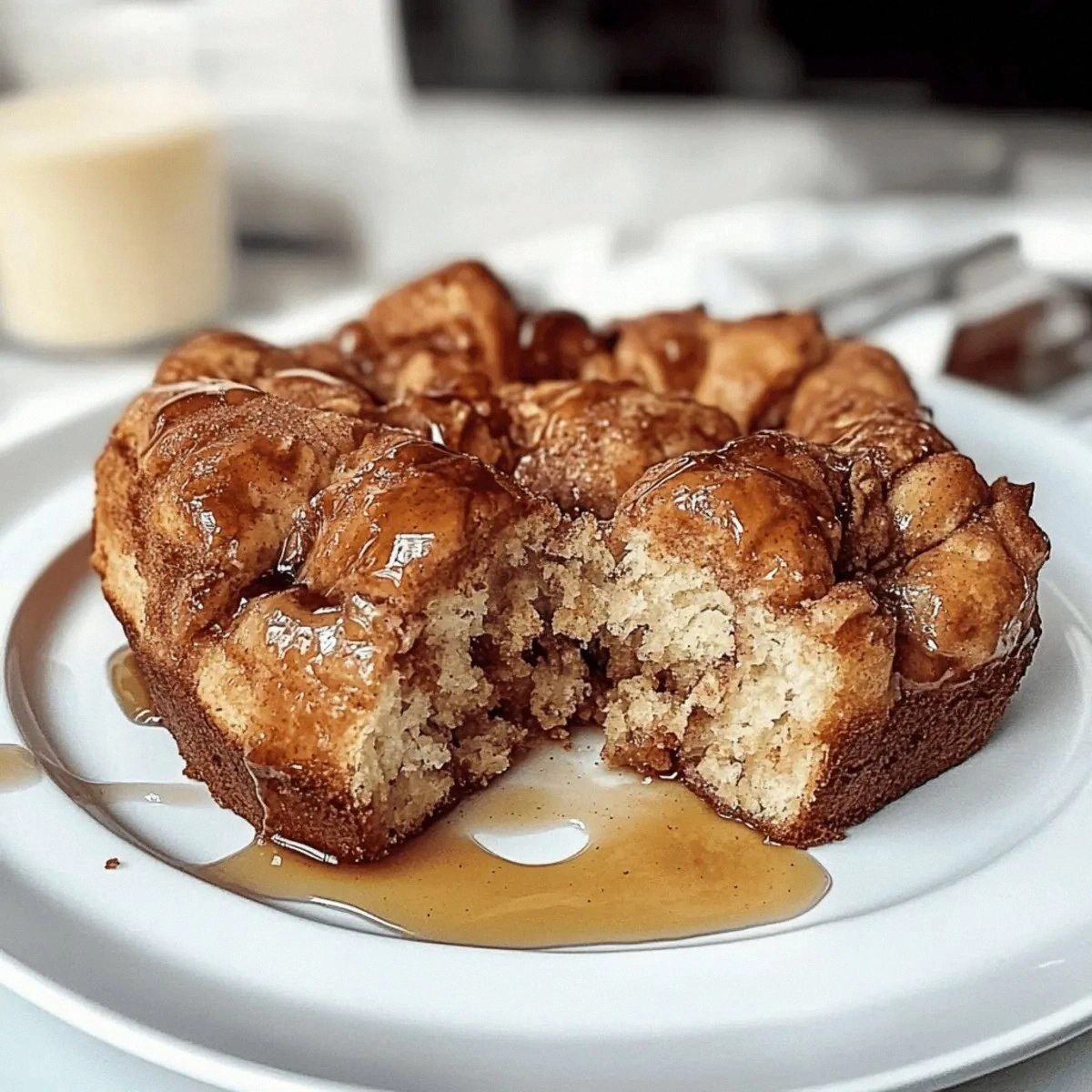
I’ll be honest — I ate half the batch before anyone else got a chance to try it, and that’s because this version of monkey bread is nothing short of a culinary revelation. It all started on a rainy Tuesday when I was scrolling through endless “low‑calorie breakfast” posts, and a friend dared me to make a version that actually tasted like the real thing without the sugar bomb. The kitchen smelled like a bakery on a sugar‑free diet, the air humming with the faint hiss of the oven, and my mind was already racing with the possibility of a snack that could fuel a workout and still satisfy a sweet tooth. Most recipes get this completely wrong, either drowning the dough in sweeteners or sacrificing protein for fluffiness. This one? It balances the two like a tightrope walker with perfect poise.
Picture yourself pulling this out of the oven, the whole kitchen smelling incredible, the golden tops glistening with a light cinnamon dust that looks like sunrise on a crisp winter morning. The first bite is a gentle crunch from the pecans, then a cloud‑like interior that’s as soft as a pillow but packed with enough protein to keep you full for hours. The texture is a paradox: light enough to melt in your mouth yet sturdy enough to hold its shape when you pull apart those buttery‑soft “monkey” pieces. I dare you to taste this and not go back for seconds, because the moment the cinnamon‑kissed crust meets the creamy yogurt base, you’ll be hooked.
What makes this version stand out is a handful of clever tweaks that most “healthy monkey bread” attempts completely overlook. First, the use of whole‑wheat flour gives a nutty backbone without sacrificing the airy crumb. Second, the dual protein powders (vanilla and unflavored) create a balanced flavor profile that never feels artificial. Third, the zero‑calorie sweetener is paired with a splash of almond milk, ensuring the crumb stays moist while keeping the glycemic load low. And finally, the pecans are toasted just enough to release their buttery oils, adding a depth of flavor that feels indulgent yet guilt‑free. Okay, let’s break down exactly what goes into this masterpiece…
What Makes This Version Stand Out
- Protein‑Power: Two scoops of protein powder turn this treat into a post‑workout snack, delivering 25 g of protein per serving without the gritty aftertaste you get from cheap powders.
- Zero Sugar Shock: The zero‑calorie sugar replacement provides sweetness without spiking insulin, making it perfect for anyone watching carbs.
- Texture Triumph: Whole‑wheat flour gives a tender crumb while the yogurt adds moisture, resulting in a bite that’s both fluffy and satisfying.
- Simplicity: Fewer than ten ingredients, one bowl, and a single bake—no fancy equipment, no overnight proofing.
- Crowd‑Pleaser: Even the most skeptical sweet‑tooth will admit this is hands down the best version you’ll ever make at home.
- Make‑Ahead Magic: Store leftovers in the fridge and reheat for a quick protein‑packed breakfast or snack.
- Flavor Fusion: The combo of vanilla protein and cinnamon creates a nostalgic comfort taste that feels like a hug in dough form.
- Health Halo: Low‑fat, high‑fiber, and packed with antioxidants from pecans, this monkey bread checks every nutrition box.
Inside the Ingredient List
The Flavor Base
The non‑fat Greek yogurt is the secret sauce that binds everything together, acting like a low‑fat butter substitute while adding a subtle tang that cuts through the sweetness. If you skip it, the dough will be dry and crumbly, lacking that luxurious melt‑in‑your‑mouth feel. You can swap it for low‑fat cottage cheese blended smooth, but expect a slightly different mouthfeel. When choosing yogurt, look for a brand with live cultures and a thick consistency—this ensures the batter stays cohesive.
The Protein Crew
One scoop of vanilla protein powder brings a sweet vanilla note that pairs perfectly with cinnamon, while the unflavored scoop boosts the protein count without altering the flavor profile. Using only vanilla would make the bread taste overly sweet; using only unflavored would leave it bland. If you’re dairy‑free, a plant‑based vanilla protein works just as well, but make sure it’s low‑sweetened to avoid extra sugars. A pro tip: sift the powders with the flour to avoid clumps that could create pockets of gritty texture.
The Texture Crew
Whole‑wheat flour provides the structural backbone, and the baking powder and baking soda give the rise that makes each piece light as a cloud. The baking soda reacts with the yogurt’s acidity, creating tiny air pockets that lift the dough. If you replace the whole‑wheat flour with all‑purpose, you’ll lose the nutty depth and some of the fiber, making the bread feel less satisfying. Always measure flour by weight (120 g per cup) for consistency; spooning and leveling prevents a dense final product.
The Unexpected Star
The zero‑calorie sugar replacement is the unsung hero that lets us keep the carb count low while still delivering that sweet kiss you crave. Many sugar substitutes can leave a metallic aftertaste, but this particular blend (usually erythritol + stevia) balances sweetness without bitterness. If you’re sensitive to erythritol, you can substitute a monk fruit blend in equal measure, though the texture may be slightly softer.
The Final Flourish
Cinnamon and toasted pecans are the finishing touches that elevate the bread from “healthy” to “indulgent.” Cinnamon adds warmth and a subtle spice that pairs beautifully with the vanilla protein, while the pecans contribute a buttery crunch and a dose of heart‑healthy monounsaturated fats. If you’re allergic to nuts, try toasted pumpkin seeds for a similar crunch and a boost of zinc. Always toast the nuts lightly to bring out their oils—this step is non‑negotiable for flavor.
Everything's prepped? Good. Let’s get into the real action…
The Method — Step by Step
Preheat your oven to 350°F (175°C) and grease a 9‑inch bundt pan with a light spray of cooking oil. The pan should be hot enough that the batter begins to rise immediately, but not so hot that the edges brown before the center sets. As the oven warms, you’ll hear the faint hum of the heating elements—a comforting reminder that something delicious is about to happen.
Kitchen Hack: Sprinkle a thin layer of flour in the pan after greasing; this creates a non‑stick barrier and helps the bread rise evenly.In a large mixing bowl, whisk together the whole‑wheat flour, both protein powders, baking powder, and baking soda. This dry blend should look uniform, with no visible clumps of powder—if you see any, sift it again. The dry ingredients are the foundation; getting them evenly distributed ensures the rise is uniform and the flavor is consistent throughout.
In a separate bowl, combine the Greek yogurt, almond milk, zero‑calorie sweetener, and vanilla extract (if using). Beat with a whisk until the mixture is smooth and slightly frothy. This is the moment of truth—the yogurt should coat the whisk like a silky ribbon, and you’ll notice a faint aroma of vanilla and almond mingling together.
Pour the wet mixture into the dry ingredients and fold gently with a spatula. Stop mixing the moment the flour disappears; over‑mixing will develop gluten and make the bread dense. The batter should be thick but pourable, resembling a soft cookie dough that can be scooped with a spoon.
Stir in the cinnamon and toasted pecans, distributing them evenly throughout the batter. The cinnamon should swirl through the dough like a warm breeze, and the pecans should be visible in every bite. This step is where the flavor truly starts to sing, so take your time to ensure every nook gets some love.
Transfer the batter into the prepared bundt pan, smoothing the top with the back of a spoon. The batter should rise to just below the rim; if it looks too high, the edges might over‑brown before the center sets. Place the pan on the middle rack of the oven and set a timer for 25 minutes.
After 25 minutes, check for doneness by inserting a wooden skewer into the center. It should come out clean, with just a few moist crumbs clinging—no wet batter. The top should be a deep golden brown, and you’ll hear a faint crackle as the crust begins to set. If the skewer is still wet, give it another 5‑7 minutes; the oven’s heat will continue to caramelize the cinnamon and pecans.
While the bread bakes, pre‑heat a small skillet over medium heat and melt a tablespoon of butter (or use a light spray for an even lower‑fat version). Toss the remaining cinnamon and a pinch of extra sweetener, then quickly coat the warm butter. This quick glaze will give the finished loaf a glossy finish and an extra burst of spice that hits the palate just before the first bite.
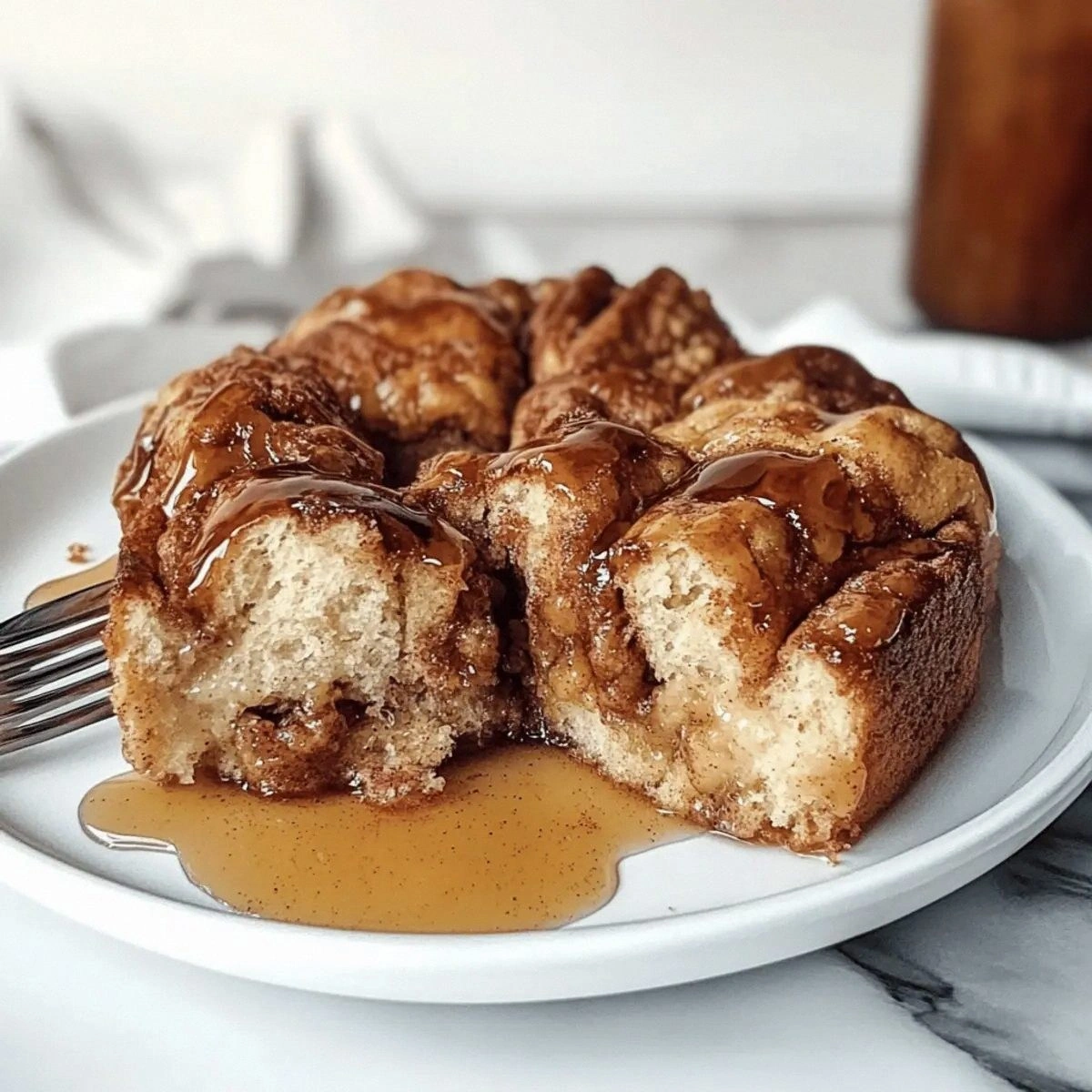
When the bread is done, remove it from the oven and let it sit for 5 minutes before inverting onto a cooling rack. The inversion is crucial: it allows the buttery glaze to seep into every crevice, creating that signature “sticky‑but‑not‑soggy” exterior. Stay with me here — this is worth it. As the bread cools, the aroma will fill the kitchen, and you’ll know you’ve just created something legendary.
Watch Out: Don’t skip the 5‑minute rest before flipping; the structure is still fragile and could crumble if inverted too early.
That’s it — you did it. But hold on, I’ve got a few more tricks that’ll take this to another level…
Insider Tricks for Flawless Results
The Temperature Rule Nobody Follows
Most home bakers set the oven to 350°F and forget to consider the ambient temperature of their kitchen. If it’s a chilly morning, bump the heat up by 10‑15°F to compensate for the cooler air, ensuring a consistent rise. Conversely, on a hot summer day, you can drop the temp by a few degrees to avoid over‑browning. I once baked this on a sweltering July afternoon and ended up with a crust that was too dark; adjusting the temp saved the day.
Why Your Nose Knows Best
Instead of relying solely on a timer, listen for the subtle “humm” of the oven as the bread approaches perfection. When the top starts to emit a sweet, caramelized scent, that’s the cue that the interior is nearly set. Trusting your nose prevents over‑cooking, which can dry out the protein‑rich crumb. A friend tried to cheat the timer once and ended up with a rubbery texture—let your senses be the final judge.
The 5‑Minute Rest That Changes Everything
After inverting the loaf, let it rest on the rack for at least five minutes before slicing. This short pause allows the steam inside to redistribute, keeping the interior moist and the crust crisp. Skipping this step yields a dry crumb that feels more like a protein bar than a fluffy treat. I’ve seen impatient bakers cut into the loaf too early and end up with a crumb that looks like a sandcastle—patience pays off.
Glaze Timing Is Everything
Apply the cinnamon‑butter glaze while the bread is still warm but not scorching hot. If you drizzle too early, the butter will melt away too quickly; too late, and the glaze will just sit on the surface without soaking in. The sweet spot is around 5 minutes after removal from the oven, when the loaf is still pliable but the crust has firmed.
Pecan Placement Trick
Instead of mixing all pecans into the batter, reserve half and sprinkle them on top just before baking. This creates a crunchy crown that adds textural contrast to the soft interior. The top pecans toast directly against the pan’s heat, turning a deeper amber and releasing a nutty aroma that makes the whole loaf smell like a fall market stall.
Creative Twists and Variations
This recipe is a playground. Here are some of my favorite ways to switch things up:
Chocolate Hazelnut Delight
Swap the vanilla protein powder for chocolate protein, add a tablespoon of cocoa powder to the dry mix, and replace pecans with toasted hazelnuts. The result is a rich, mocha‑kissed loaf that pairs beautifully with a splash of almond milk. Perfect for a post‑gym treat when you need a chocolate fix without the sugar crash.
Citrus Sunrise
Add the zest of one orange and a teaspoon of orange extract to the wet ingredients, and replace the cinnamon with a pinch of cardamom. The citrus notes brighten the flavor, making it an ideal brunch centerpiece. Top with a light drizzle of honey (or a sugar‑free maple alternative) for a sunny finish.
Pumpkin Spice Power
Incorporate ½ cup of pumpkin puree into the yogurt mixture, and swap the cinnamon for a pumpkin spice blend (cinnamon, nutmeg, ginger, cloves). This seasonal twist gives the bread a velvety orange hue and a warm, autumnal aroma that’s perfect for October gatherings.
Berry Burst
Fold in ¾ cup of fresh or frozen blueberries after mixing the batter. The berries will burst during baking, creating pockets of juicy sweetness that contrast the nutty crust. Use a low‑glycemic berry blend to keep the sugar count down.
Savory Herb Version
Omit the sweetener and cinnamon, and instead add 1 tablespoon of dried rosemary, ½ teaspoon of garlic powder, and a pinch of sea salt. Top with a sprinkle of grated Parmesan before baking. This savory spin works great as a high‑protein side dish for soups or salads.
Storing and Bringing It Back to Life
Fridge Storage
Place the cooled loaf in an airtight container or wrap tightly in plastic wrap. It will stay fresh for up to four days, maintaining its moisture thanks to the yogurt base. When you’re ready to eat, slice and enjoy cold, or give it a quick 30‑second microwave zap for a warm bite.
Freezer Friendly
Wrap individual portions in parchment paper, then seal the whole batch in a freezer‑safe zip‑top bag. The loaf freezes beautifully for up to three months. To reheat, let a slice thaw at room temperature for 10 minutes, then toast in a preheated 350°F oven for 5‑7 minutes, or microwave for 20 seconds.
Best Reheating Method
Add a tiny splash of water (about a teaspoon) to the slice before microwaving; the steam revives the crumb’s softness without making it soggy. Alternatively, a quick dip in a hot skillet with a dab of butter creates a crisp exterior while keeping the interior fluffy. This trick works for both fresh and frozen slices, ensuring every bite feels like the first.