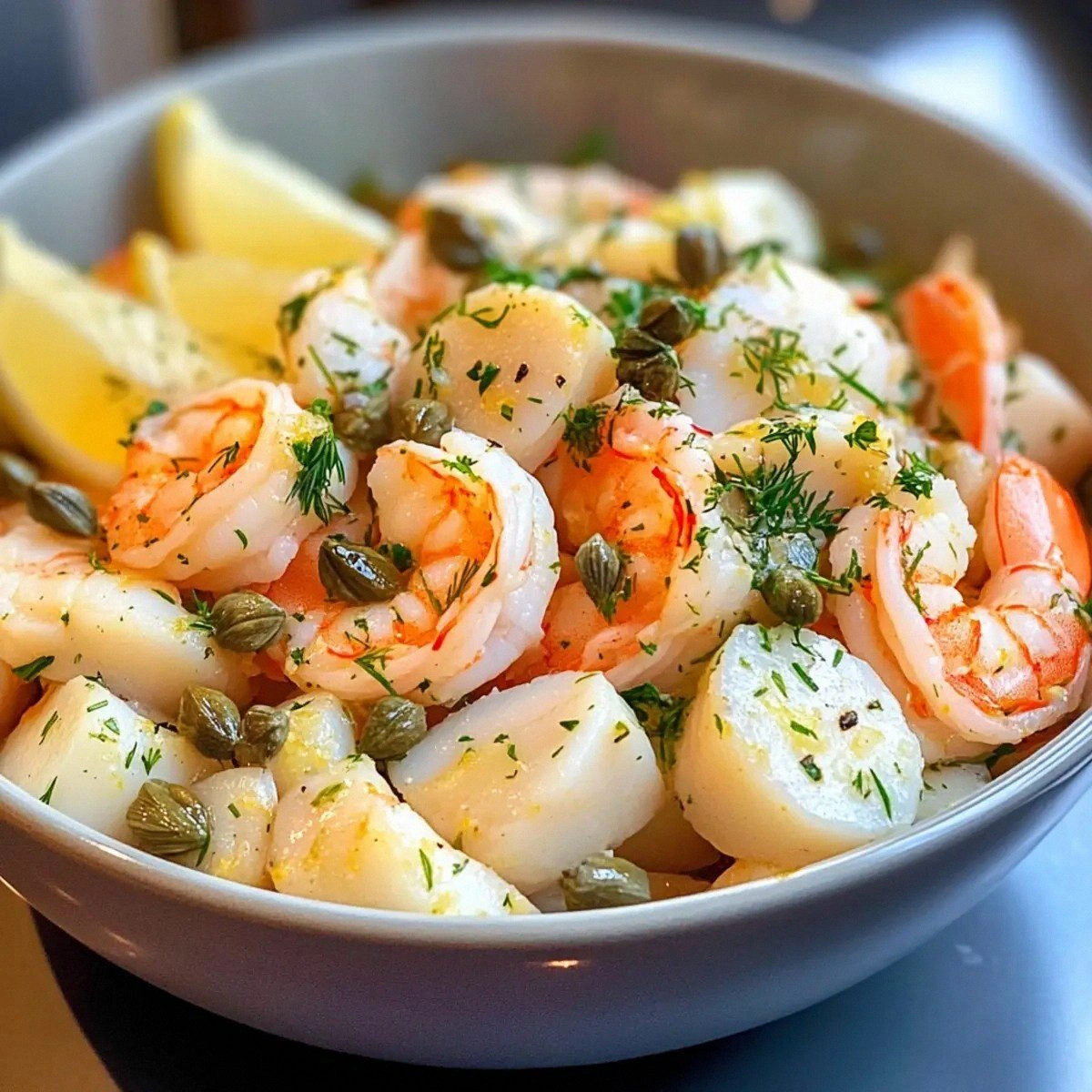
Picture this: I’m standing in my cramped kitchen, the clock ticking louder than a metronome, and a sudden craving for something that feels both luxurious and effortless hits me like a wave. I grabbed the nearest pan, tossed in whatever seafood I could find, and ended up with a soggy mess that tasted like regret. That disaster sparked a mission—find a foolproof way to poach seafood that keeps each bite tender, juicy, and bursting with flavor, then dress it in a sauce so bright it could power a lighthouse. This is the moment where I swore I’d never settle for mediocre again, and I dared my friends to try this version and not beg for seconds. Spoiler alert: they all begged.
The moment you open the pot, the kitchen fills with the delicate perfume of the sea, a whisper of brine that instantly transports you to a breezy pier at sunrise. The shrimp turn a perfect shade of coral, the scallops blush pink, and the squid ribbons curl like tiny sea serpents ready to dive into the bowl. As the lemon‑dill sauce swirls in, you hear a gentle sigh—like the ocean exhaling—while the fresh dill releases an herbaceous perfume that makes your nose do a tiny happy dance. The texture? Imagine biting into a cloud that’s been lightly kissed by sunshine; each morsel is firm yet buttery, and the sauce clings like silk, coating every curve without drowning the delicate flavors.
What makes this version a total game‑changer? For starters, I’m poaching the seafood in a lightly seasoned court bouillon that infuses the meat from the inside out, something most recipes completely skip. Then I’m blending sour cream, mayo, and a splash of lemon for a tangy, creamy base that balances the richness of the seafood without turning cloying. The addition of celeriac root adds an earthy crunch that most salads lack, while the capers and caraway seeds introduce a pop of briny brightness and subtle nuttiness that makes every forkful an adventure. And let’s not forget the finishing touch—a pinch of Maldon salt that crackles like tiny fireworks on your tongue.
Okay, ready for the game‑changer? I’m about to walk you through every single step—by the end, you’ll wonder how you ever made this dish any other way. I’ll spill the beans on the secret poaching broth, the exact timing that guarantees perfect texture, and the trick to a lemon‑dill sauce that stays glossy and doesn’t separate. Trust me, this is hands down the best version you’ll ever make at home, and I dare you to taste it and not go back for seconds.
What Makes This Version Stand Out
- Flavor Explosion: The combination of citrus, dill, and capers creates a bright, layered taste that dances on the palate, while the poaching broth adds depth you won’t find in a simple boiled version.
- Texture Harmony: Each seafood component retains its natural snap—shrimp stay firm, scallops buttery, squid tender—thanks to precise poaching times and a gentle simmer.
- Simplicity Meets Sophistication: Despite the gourmet vibe, the ingredient list is short, the steps are straightforward, and the whole thing can be assembled in under an hour.
- Unique Ingredient: Celeriac root adds a subtle nutty crunch that elevates the salad from ordinary to extraordinary, a surprise that guests love.
- Crowd‑Pleaser Factor: The bright lemon‑dill sauce is visually stunning and universally appealing, making it perfect for dinner parties, brunches, or a fancy lunch.
- Ingredient Quality: Using fresh, sustainably sourced seafood ensures each bite is clean, sweet, and free of any fishy aftertaste.
- Cooking Method: Poaching in a seasoned broth preserves moisture and infuses flavor without the harshness of high‑heat grilling or frying.
- Make‑Ahead Potential: The sauce can be prepared a day ahead, and the poached seafood keeps beautifully in the fridge, ready to be tossed together when you need it.
Inside the Ingredient List
The Flavor Base
Fresh Dill: This herb is the star of the sauce, delivering that signature herbaceous zing. If you skip it, the sauce loses its bright, garden‑fresh character and becomes just another creamy dressing. A good swap is chopped parsley, but expect a milder flavor profile.
Lemon: The juice provides acidity that cuts through the richness of the mayo and sour cream. Without it, the sauce would feel heavy. If lemons are out of season, a splash of good‑quality rice vinegar works in a pinch.
Capers: These briny buds add a salty pop that mimics the sea’s natural flavor. Leaving them out makes the dish flatter; try green olives as a substitute for a different yet still salty note.
The Texture Crew
Large Shrimp, Scallops, Squid: Each brings its own textural nuance—shrimp’s firm bite, scallops’ buttery melt, squid’s delicate chew. Using only one type would make the salad one‑dimensional. If any are unavailable, replace squid with firm white fish like cod, but expect a softer mouthfeel.
Small Salad Shrimp: These tiny gems add a surprise burst of sweetness and a visual contrast. They’re optional but highly recommended for that “wow” factor.
Celeriac Root: This root vegetable adds a subtle earthiness and a crisp bite that balances the soft seafood. If you can’t find celeriac, try thinly sliced jicama for a similar crunch.
The Creamy Cohesion
Sour Cream & Mayonnaise: The duo creates a luscious, tangy base that coats the seafood without overwhelming it. Using only mayo would be too rich; only sour cream would be too sharp. Adjust the ratio to taste, but keep the total volume at 1½ cups for perfect consistency.
Salt & Maldon Salt: Regular salt seasons the broth and sauce, while Maldon adds a delicate crunch that finishes the dish with a burst of flavor. Skipping the Maldon would miss that satisfying textural contrast.
The Final Flourish
Caraway Seeds: These tiny specks introduce a subtle anise‑like note that elevates the sauce from ordinary to sophisticated. If you’re not a fan, you can omit them, but the sauce will lose a layer of complexity.
White Pepper: It adds a gentle heat without the black specks that could mar the sauce’s smooth appearance. A dash of regular black pepper works, but the visual aesthetic changes.
Maldon Salt (pinch) & White Pepper (pinch): These final seasonings are added at the very end to preserve their texture and aroma. Over‑seasoning early can mask the delicate flavors of the seafood.
Everything's prepped? Good. Let’s get into the real action…
The Method — Step by Step
Start by preparing the poaching broth: in a large pot, combine 6 cups of cold water, a splash of white wine, 1 tablespoon of salt, a handful of fresh dill stems, and a few cracked peppercorns. Bring it to a gentle simmer—no rolling boil—because a calm broth keeps the seafood from turning rubbery. You’ll hear a soft bubbling, like a whisper, which tells you the temperature is just right. Let the broth stay at a steady 180°F (82°C) before you add anything.
While the broth is warming, rinse the large shrimp, scallops, and squid under cold water, pat them dry with paper towels, and set them aside on a plate. This step ensures any surface grit is removed, preventing a gritty bite later. I like to give the shrimp a quick sprinkle of sea salt—just a dust—to enhance their natural sweetness before they meet the broth.
Once the broth reaches the perfect simmer, gently lower the shrimp first; they need only 2‑3 minutes. You’ll see them curl into a tight “C” shape—this is the visual cue that they’re done. Using a slotted spoon, fish them out and set aside. Then add the scallops; they need about 1‑2 minutes, turning opaque and firm. Finally, tumble in the squid rings; they cook in a flash—about 45 seconds—so keep a close eye. Overcooking any of these will result in a rubbery texture, which is why timing is everything.
Watch Out: If the broth starts to boil, lower the heat immediately; a vigorous boil will shock the proteins and make them tough.Transfer the poached seafood to an ice bath for 30 seconds—this stops the cooking process and locks in that perfect tenderness. The water should be just cold enough to make the seafood firm up without becoming icy. This “shock” also helps the seafood retain its bright color, making the final presentation pop.
While the seafood cools, start the lemon‑dill sauce. In a medium bowl, whisk together 1 cup sour cream, ½ cup mayonnaise, the juice of 2 tablespoons fresh lemon, and 1 tablespoon finely chopped dill. The mixture should become smooth and glossy, like a silk scarf draped over a marble table. Add the capers and caraway seeds, then season with 1 teaspoon salt, a pinch of Maldon salt, and a pinch of white pepper. Taste and adjust; the sauce should have a bright tang, a hint of herb, and a whisper of brine.
Now, dice the celeriac root into tiny, uniform cubes—about ¼‑inch pieces. Toss them with a drizzle of olive oil, a pinch of salt, and a quick 10‑minute roast at 400°F (200°C) while you finish the sauce. The roasting brings out a caramelized sweetness that contrasts beautifully with the tangy sauce. If you’re short on time, you can blanch the celeriac instead; just make sure it stays crisp.
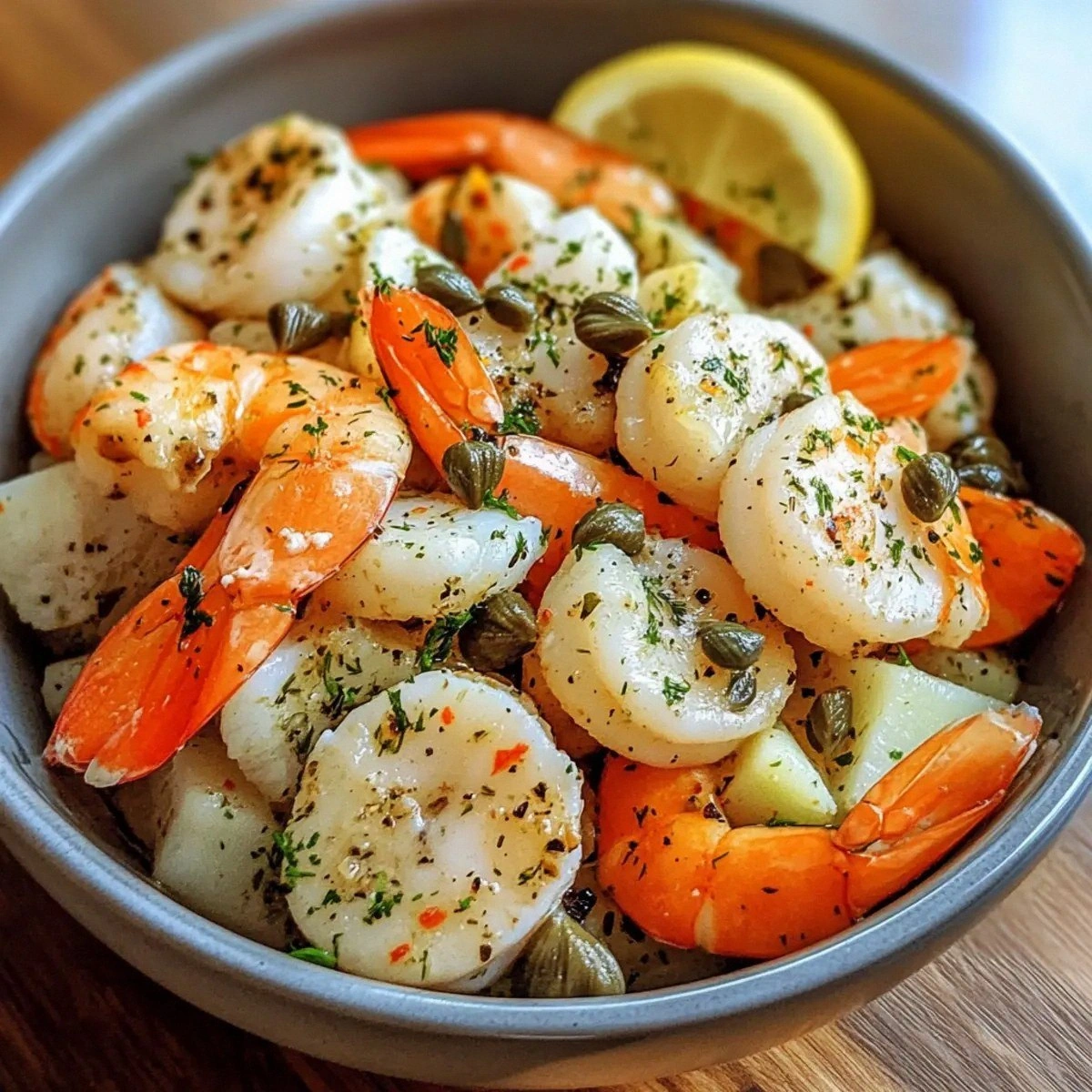
Combine everything: in a large serving bowl, arrange the chilled seafood, sprinkle the roasted celeriac cubes over the top, and gently fold in the small salad shrimp. Drizzle the lemon‑dill sauce over the entire mixture, letting it cascade like a waterfall of green‑gold. Toss lightly—just enough to coat each piece without breaking the delicate seafood. The sauce should cling like a second skin, shimmering under the light.
Finish with a final flourish: scatter a few extra dill fronds, a sprinkle of Maldon salt, and a thin lemon zest ribbon for aroma. Serve immediately on a chilled platter, or cover and refrigerate for up to two hours to let the flavors meld. The dish is ready to wow—picture yourself presenting this at a dinner party, the whole kitchen smelling incredible, guests leaning in for that first bite.
That's it — you did it. But hold on, I've got a few more tricks that'll take this to another level…
Insider Tricks for Flawless Results
The Temperature Rule Nobody Follows
Most home cooks think “high heat = fast cooking,” but with seafood, the secret is low and slow. Keep your poaching broth at a steady 180°F (82°C). Anything higher will contract the proteins too quickly, resulting in a rubbery bite. I once tried a rapid boil and ended up with shrimp that felt like chewing on a rubber band. Trust the thermometer; it’s your best friend.
Why Your Nose Knows Best
The aroma of the broth is a reliable indicator of readiness. When the dill and lemon start to perfume the air, you know the flavor base is fully infused. If the scent is weak, give the broth an extra minute; a stronger nose means a richer sauce later. This is the same principle chefs use in fine dining—if you can smell it, you can taste it.
The 5‑Minute Rest That Changes Everything
After poaching, let the seafood sit in the ice bath for exactly 30 seconds, then transfer to a clean towel and rest for another 5 minutes before mixing. This rest allows the juices to redistribute, preventing a dry mouthfeel. Skipping this step is the fastest way to a disappointing salad.
Capers vs. Olives: The Brine Battle
Capers bring a sharp, vinegary bite that olives can’t replicate. If you substitute olives, add a splash of white wine vinegar to mimic that tang. I tried this once and the sauce felt flat—capers are the unsung heroes here.
Final Salt Finish
Never finish a dish with regular table salt; the flaky Maldon adds texture and a burst of flavor that dissolves slowly on the palate. Sprinkle it right before serving for that satisfying crunch.
Creative Twists and Variations
This recipe is a playground. Here are some of my favorite ways to switch things up:
Spicy Kick
Add a teaspoon of finely chopped jalapeño or a dash of smoked paprika to the sauce. The heat pairs beautifully with the cool cream base, creating a pleasant contrast that’ll make spice lovers swoon.
Herb Medley
Swap half the dill for fresh tarragon or chervil. This changes the flavor profile from purely lemon‑dill to a more complex herb garden, perfect for spring gatherings.
Asian Fusion
Replace the lemon with yuzu juice, add a splash of soy sauce, and toss in a handful of toasted sesame seeds. The result is a bright, umami‑rich salad that feels both familiar and exotic.
Veggie‑Heavy
Boost the crunch factor by adding thinly sliced radishes, cucumber ribbons, or even pickled carrots. These vegetables add color, texture, and a fresh bite that balances the richness of the sauce.
Smoked Delight
Give the seafood a quick smoke infusion using a handheld smoker before poaching. The smoky aroma adds depth, making the dish feel like a coastal barbecue.
Vegan Version
Swap the seafood for grilled king oyster mushrooms and marinated tofu cubes. Use a plant‑based mayo and a dollop of cashew cream in place of sour cream. The texture changes, but the lemon‑dill sauce remains the star.
Storing and Bringing It Back to Life
Fridge Storage
Transfer the salad to an airtight container, keeping the sauce separate if you plan to store it for more than a day. It will stay fresh for up to 48 hours. When ready to serve, gently fold the sauce back in.
Freezer Friendly
While seafood salads aren’t ideal for long‑term freezing, you can freeze the poached seafood alone for up to 2 months. Thaw in the fridge overnight, then re‑poach briefly in warm broth to revive the texture before adding fresh sauce.
Best Reheating Method
Place the seafood in a shallow pan, add a splash of water (or leftover poaching broth), and cover loosely. Warm over low heat for 2‑3 minutes, just until heated through. The added moisture steams the seafood back to perfection without drying it out.