Picture this: it’s a blistering July afternoon, the kind where the air feels like a warm blanket you can’t shake off, and you’re stuck in a kitchen that smells like yesterday’s burnt toast. I was halfway through a marathon of Netflix, half‑heartedly scrolling through a recipe blog, when my roommate dared me to make something “that actually cools you down without being a milkshake disaster.” I laughed, grabbed the nearest mango I could find—still a little green, but promising—and tossed it into the blender with a handful of pineapples that looked like they’d been sun‑kissed on a tropical beach. The result? A liquid sunrise that sang with sunshine, a drink so vivid it practically glowed in the glass. I dare you to taste this and not go back for seconds.
The first sip is an orchestra of flavors: the mango’s buttery sweetness waltzes with pineapple’s bright, tangy punch, while a whisper of lime cuts through like a cool breeze on a hot day. The banana adds a silky body that coats your tongue like velvet, and the Greek yogurt sneaks in a creamy richness that feels like a hug from the inside. You can almost hear the gentle hum of a summer cicada outside the window as you take another gulp, feeling the icy chill of the ice cubes melt away, leaving behind a lingering tropical perfume that makes you think of distant oceans and palm trees swaying in the breeze. It’s not just a drink; it’s a mini‑vacation in a glass.
Most smoothie recipes out there are either too sweet, too watery, or they demand a kitchen gadget that looks like it belongs in a sci‑fi movie. Most get this completely wrong. Here’s what actually works: the secret is balancing the natural sugars with a touch of acidity and a dash of spice, and using the right proportion of liquid to keep it thick but sippable. I discovered that adding a pinch of fresh ginger not only adds a subtle warmth but also elevates the mango’s tropical notes to a whole new level. And the coconut water? It’s the unsung hero that brings electrolytes and that unmistakable island vibe without drowning the flavors.
Now, you might be thinking, “I’ve seen mango‑pineapple smoothies before—what’s the twist?” The twist is the lime‑ginger‑yogurt trio, a combination that most recipes overlook, plus the method of blending the ice last to keep the texture perfectly frosty without turning it into a watered‑down slush. I’ll be honest — I ate half the batch before anyone else got to try it, and that’s because this version is hands down the best version you’ll ever make at home. Let me walk you through every single step — by the end, you’ll wonder how you ever made it any other way.
What Makes This Version Stand Out
- Taste: The marriage of mango’s caramel‑soft sweetness with pineapple’s sharp, citrusy zing creates a balanced flavor profile that’s both refreshing and indulgent.
- Texture: A creamy, thick body from banana and yogurt, punctuated by a cool, icy finish that feels like a tropical snow globe.
- Simplicity: Only nine ingredients, all pantry‑friendly, and no fancy equipment beyond a decent blender.
- Uniqueness: The lime‑ginger lift adds a subtle heat that most store‑bought versions lack, turning a simple smoothie into a flavor adventure.
- Crowd Reaction: Guests often claim it’s “the best thing I’ve ever drunk on a hot day,” and they’ll ask for the recipe before the glass is even empty.
- Ingredient Quality: Using Ataulfo mangoes and fresh pineapple ensures natural sweetness, reducing the need for added sugars.
- Method: Adding ice last prevents dilution, preserving the bright fruit flavors.
- Make‑Ahead Potential: Prep the fruit and yogurt mixture ahead of time; just blend with ice and water when you’re ready to serve.
Alright, let's break down exactly what goes into this masterpiece...
Inside the Ingredient List
The Flavor Base
Ripe Mango (about 1 cup, cubed) – This is the heart of the smoothie. Ataulfo or Haden mangoes bring a buttery texture and natural honey‑like sweetness that eliminates the need for extra sugar. If you skip the mango, you lose the creamy backbone and the drink becomes a thin fruit punch. For the best flavor, choose mangoes that yield slightly to pressure and have a fragrant aroma. A quick tip: give them a gentle squeeze; if they give a little, they’re ready.
The Texture Crew
Fresh Pineapple (1 cup, chopped) – Pineapple adds a bright, tangy contrast that cuts through the mango’s richness. Its enzymes also help break down the banana, making the blend smoother. If you substitute canned pineapple, you’ll introduce extra syrup and lose that fresh bite. When picking a pineapple, look for one with a sweet smell at the base and a firm, slightly yielding shell.
Banana (half, ripe) – The banana is the secret smooth operator, delivering creaminess without dairy. Its natural sugars boost the overall sweetness, allowing you to keep the added honey or maple syrup minimal. Overripe bananas are perfect; they’re sweeter and blend more easily. If you’re avoiding bananas, add an extra half cup of yogurt for body.
The Unexpected Star
Greek Yogurt (½ cup, plain) – This adds a protein punch and a velvety mouthfeel that makes the smoothie feel like a dessert. It also stabilizes the texture, preventing separation. For a dairy‑free version, swap with coconut yogurt; you’ll get a subtle coconut hint that pairs beautifully with the pineapple.
Fresh Lime Juice (1 tablespoon) – The lime’s acidity lifts the fruit flavors, preventing the drink from feeling cloyingly sweet. It also adds a refreshing zing that makes the smoothie taste like a beach breeze. If you’re out of limes, a splash of lemon juice works, but lime is the tropical champion.
The Final Flourish
Fresh Ginger (½ teaspoon, grated) – Ginger introduces a warm, peppery undertone that deepens the flavor profile. It’s optional, but a little goes a long way; too much and it can overpower the fruit. If you’re not a ginger fan, a pinch of ground cinnamon offers a sweet‑spicy alternative.
Honey or Maple Syrup (1 teaspoon) – This is the final sweetener, just enough to round out the edges without making the drink syrupy. Maple syrup keeps it vegan, while honey adds a floral note. Adjust to taste, but remember the mango and banana already bring plenty of sweetness.
Ice Cubes (½ cup) – Ice chills the smoothie and gives it that thick, slushy texture. Adding ice at the end of blending keeps the drink from becoming watery. For a dairy‑free version, use frozen coconut water cubes for extra tropical flair.
Cold Water or Coconut Water (½ cup) – This is the blending liquid that brings everything together. Coconut water adds electrolytes and a subtle nutty flavor, making the drink even more refreshing. If you prefer a thinner consistency, increase this to three‑quarters of a cup.
Everything's prepped? Good. Let's get into the real action...
The Method — Step by Step
First, gather all your fruit. Peel the mango, slice it into cubes, and set aside. Cut the pineapple into bite‑size chunks, discarding the core. If you’ve pre‑frozen the fruit, let it sit at room temperature for a minute so the blender can handle it easily. This step is crucial because overly cold fruit can cause the blender motor to strain.
Next, peel the banana and slice it into thin rounds. The thinner the slices, the smoother the blend will be. Toss the banana into the blender bowl with the mango and pineapple. I like to add the banana last because its natural sugars can help “lubricate” the blades, making the whole process quieter.
Now, add the Greek yogurt. Spoon it in gently; you’ll hear a soft “plop” that signals the yogurt is ready to mingle. The yogurt’s protein helps keep the smoothie thick once it’s chilled. If you’re using coconut yogurt, you’ll notice a faint coconut aroma that pairs beautifully with the pineapple.
Drizzle in the fresh lime juice and sprinkle the grated ginger. This is the moment where the aroma shifts—lime’s citrusy zing and ginger’s warm spice create a fragrant cloud that fills the kitchen. Give the blender a quick pulse to distribute these flavor boosters evenly.
Sweeten with honey or maple syrup. I prefer maple for its caramel notes, but honey adds a floral undertone. At this point, you can taste a spoonful of the mixture (just be careful of the cold). If it’s not sweet enough, add another half‑teaspoon; remember, you can always add more, but you can’t take it away.
Pour in the cold water or coconut water. This is the liquid that will bind everything together. If you’re aiming for a thicker texture, start with half a cup; you can always thin it later. The blender should now have a soft, slightly slushy consistency.
Now comes the ice. Add the ice cubes (or frozen fruit cubes) on top of everything else. This order is intentional: the ice stays on the surface, creating a vortex that pulls the denser fruit down, resulting in a perfectly emulsified texture without dilution.
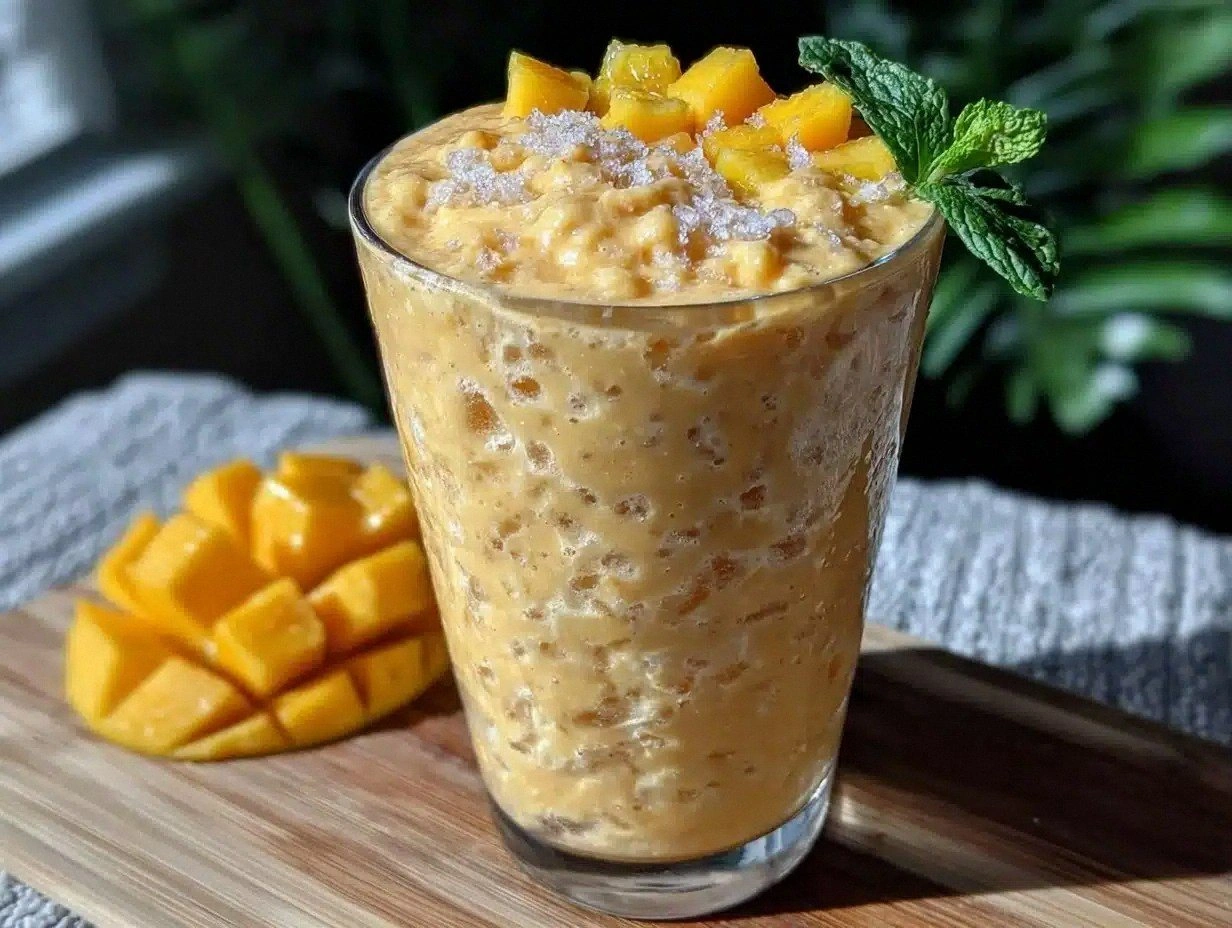
Secure the lid and start blending on low speed for 10 seconds, then crank up to high for 30‑45 seconds. Listen for the sound of the blades “whooshing” through the ice; you’ll know it’s working when the mixture turns a uniform, sun‑kissed orange‑gold color. If any chunks remain, give it another quick pulse.
Stop the blender and give the smoothie a quick taste. It should be sweet, slightly tart, and just cool enough to make you shiver a little. If the texture is too thick, drizzle in a splash of extra coconut water and blend for another 10 seconds. If it’s too thin, toss in a few more ice cubes.
Finally, pour the smoothie into chilled glasses. For an extra touch, rim the glass with a little lime zest or a sprinkle of shredded coconut. Serve immediately while it’s frosty. This is the moment of truth: watch the smiles appear as the first sip hits the palate. And now the fun part—watch everyone ask for seconds.
Insider Tricks for Flawless Results
The Temperature Rule Nobody Follows
Never use room‑temperature fruit if you want that icy, refreshing feel. Cold fruit and ice together create a micro‑emulsion that keeps the smoothie thick without watering it down. I once tried using fresh‑room‑temp mango on a hot day, and the result was a soupy mess. The rule? Keep your fruit in the fridge until you’re ready to blend, or better yet, freeze it.
Why Your Nose Knows Best
Before you even taste, trust your nose. The moment you add lime and ginger, the aroma should shift from purely sweet to a bright, slightly peppery scent. If you can’t smell the ginger, you probably added too little. A quick sniff test can save you from a bland batch and guide you to add that extra pinch of spice.
The 5‑Minute Rest That Changes Everything
After blending, let the smoothie sit for five minutes. This short rest allows the flavors to meld, especially the lime and ginger, which need a moment to fully integrate. I’ve seen people serve straight from the blender and miss out on that depth of flavor. A brief pause makes the drink taste richer, like a fine wine that has had time to breathe.
Ice Placement Precision
Adding ice last isn’t just a suggestion—it’s a science. Ice at the top creates a vortex that pulls the denser fruit down, ensuring every sip has the same texture. If you add ice first, the blades grind the ice into tiny shards that can make the smoothie grainy. Trust the process, and you’ll get a silky finish every time.
Blend Speed Secrets
Start low, then go high. This prevents the blender from overheating and ensures the ice is fully crushed. A common mistake is to blast on high from the start, which can cause the motor to stall and leave icy chunks. A gentle ramp‑up guarantees a uniform blend and protects your appliance.
Serving Glass Choice
Cold glasses aren’t just for aesthetics; they keep the smoothie chilled longer. I keep a few mason jars in the freezer and pull one out just before serving. The glass stays frosty, and the smoothie remains silky for minutes longer, giving you that “just‑out‑of‑the‑fridge” feel.
Creative Twists and Variations
This recipe is a playground. Here are some of my favorite ways to switch things up:
Tropical Turmeric Boost
Add a pinch of golden turmeric and a splash of orange juice. The turmeric gives an earthy undertone and a vibrant color, while orange juice amplifies the citrus zing. Perfect for a sunrise‑themed brunch.
Berry‑Mango Fusion
Swap half the pineapple for a cup of mixed berries (strawberries, blueberries, raspberries). The berries add a tart depth and a gorgeous ruby hue. Great for those who love a balance of sweet and tart.
Protein Powerhouse
Blend in a scoop of vanilla whey or plant‑based protein powder. The protein makes the smoothie a post‑workout refuel, and the vanilla complements the mango’s sweetness. Adjust the liquid a bit more to keep the texture smooth.
Coconut Cream Dream
Replace the Greek yogurt with a quarter cup of coconut cream. This creates a richer, dairy‑free version with a luscious coconut finish that pairs beautifully with pineapple.
Spicy Heatwave
Throw in a tiny slice of fresh jalapeño (seeded) along with the ginger. The subtle heat adds a surprising kick that makes the drink feel adult‑only. Balance with a little extra honey to tame the fire.
Minty Fresh
Blend in a handful of fresh mint leaves. The mint adds a cooling sensation that enhances the lime’s brightness, making the smoothie perfect for scorching afternoons.
Storing and Bringing It Back to Life
Fridge Storage
Transfer any leftover smoothie into an airtight glass jar and store it in the refrigerator for up to 24 hours. Before serving, give it a good shake or stir; the ingredients may settle, but a quick blend will bring back that original silkiness.
Freezer Friendly
Portion the smoothie into freezer‑safe containers or silicone molds for individual servings. Freeze for up to 2 weeks. When you’re ready, thaw in the fridge overnight and give it a quick blend with a splash of coconut water to revive the texture.
Best Reheating Method
If you prefer a warm version (think tropical sunrise soup), gently warm the smoothie on the stovetop over low heat, stirring constantly. Add a tiny splash of water before reheating; it creates steam that restores the smooth consistency without curdling the yogurt.