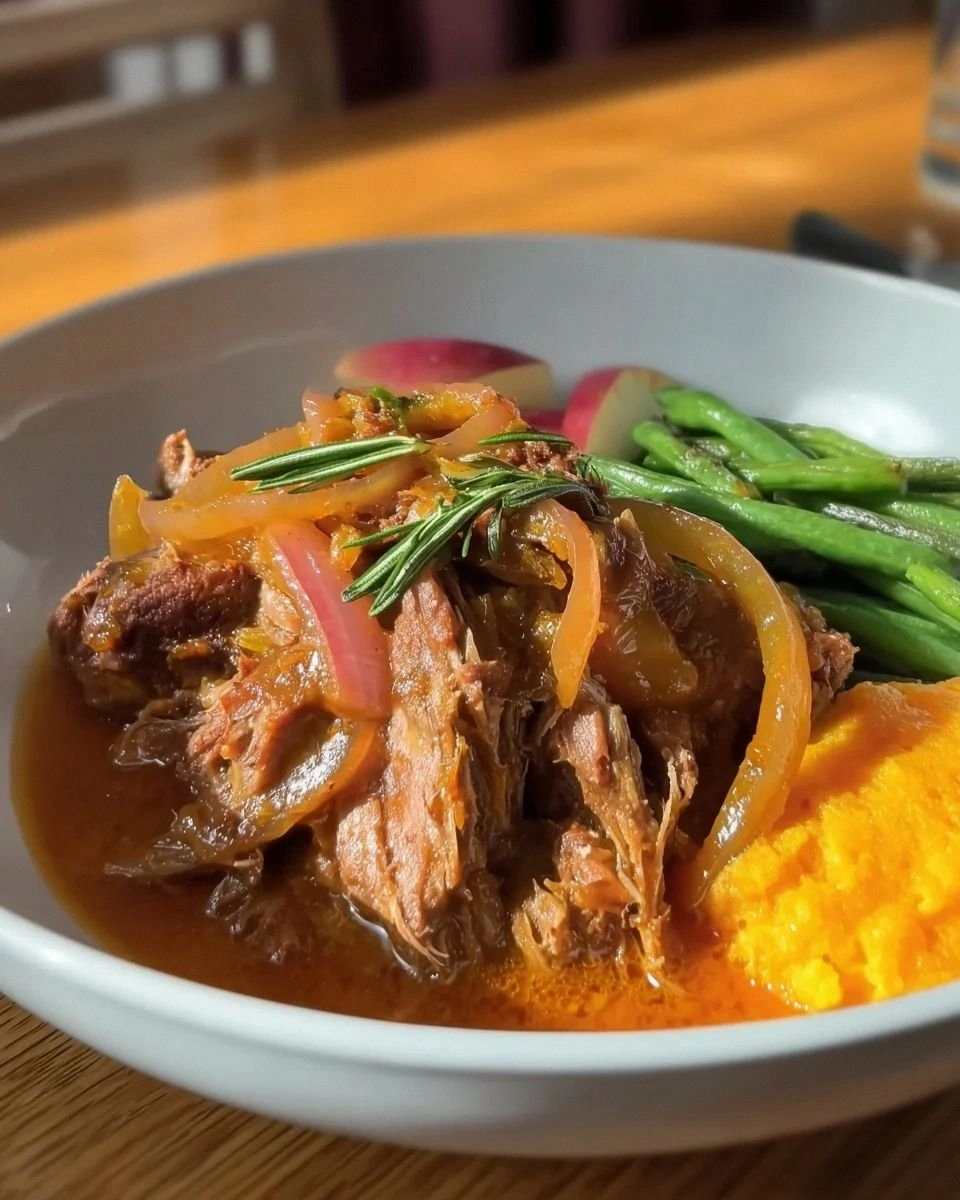
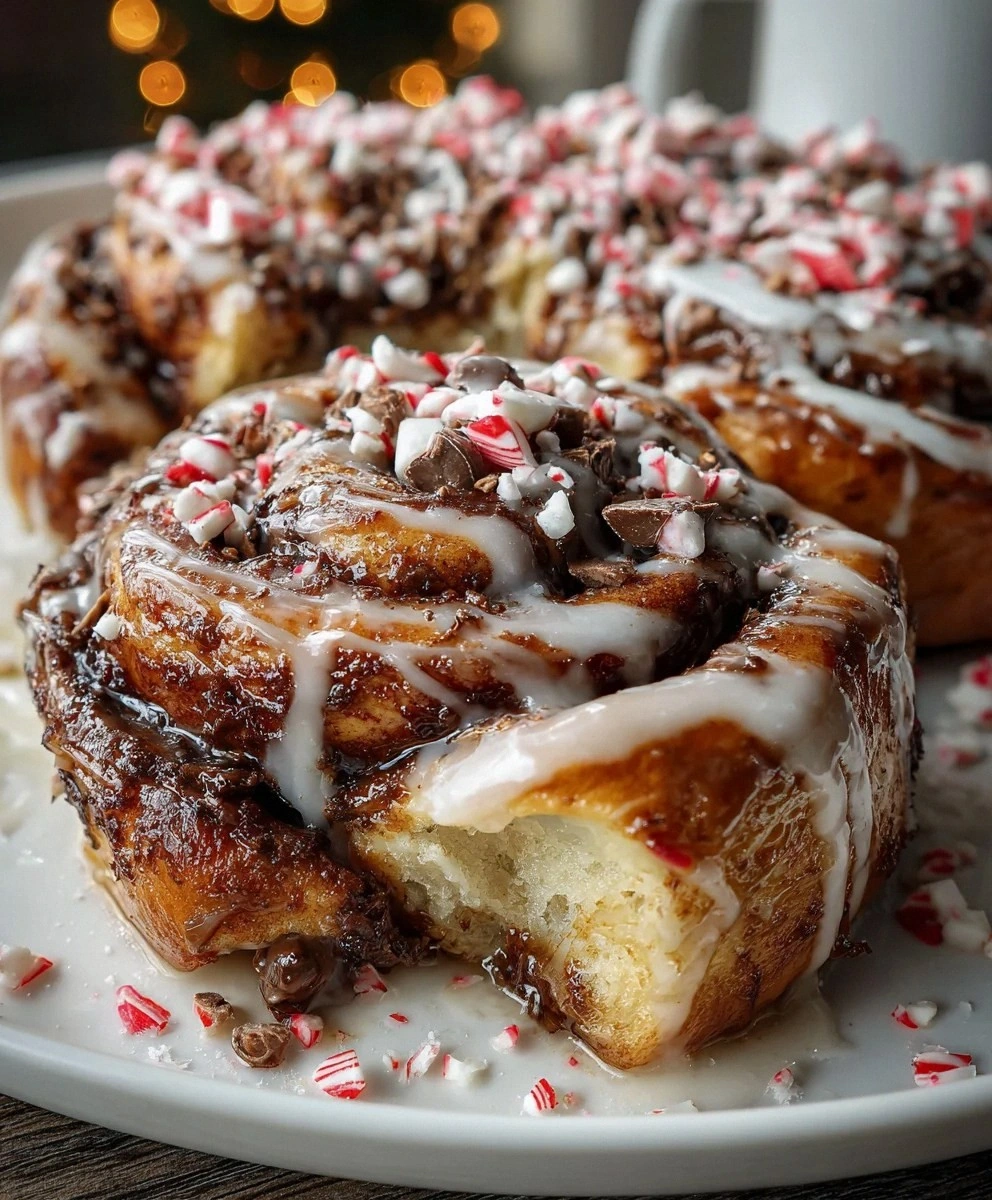
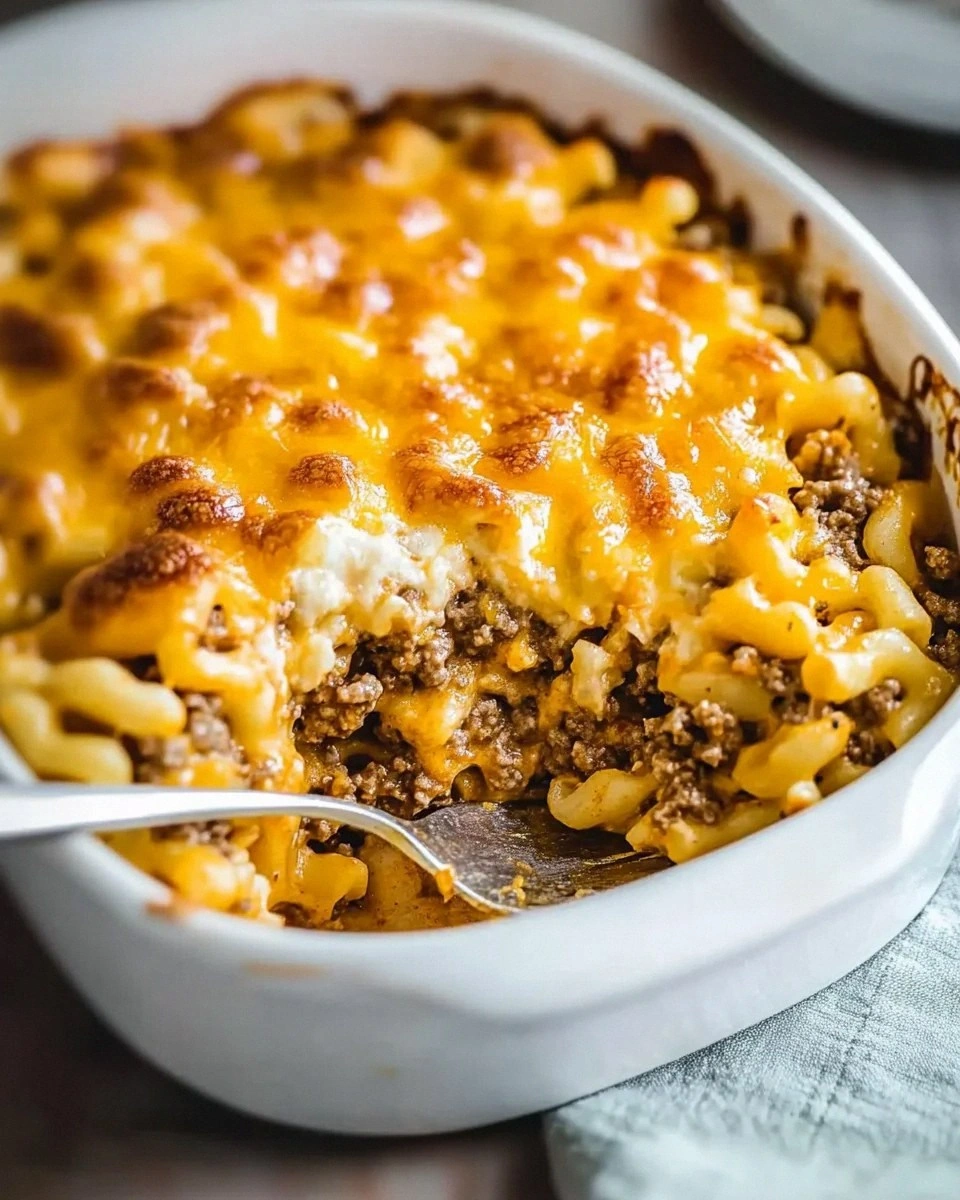
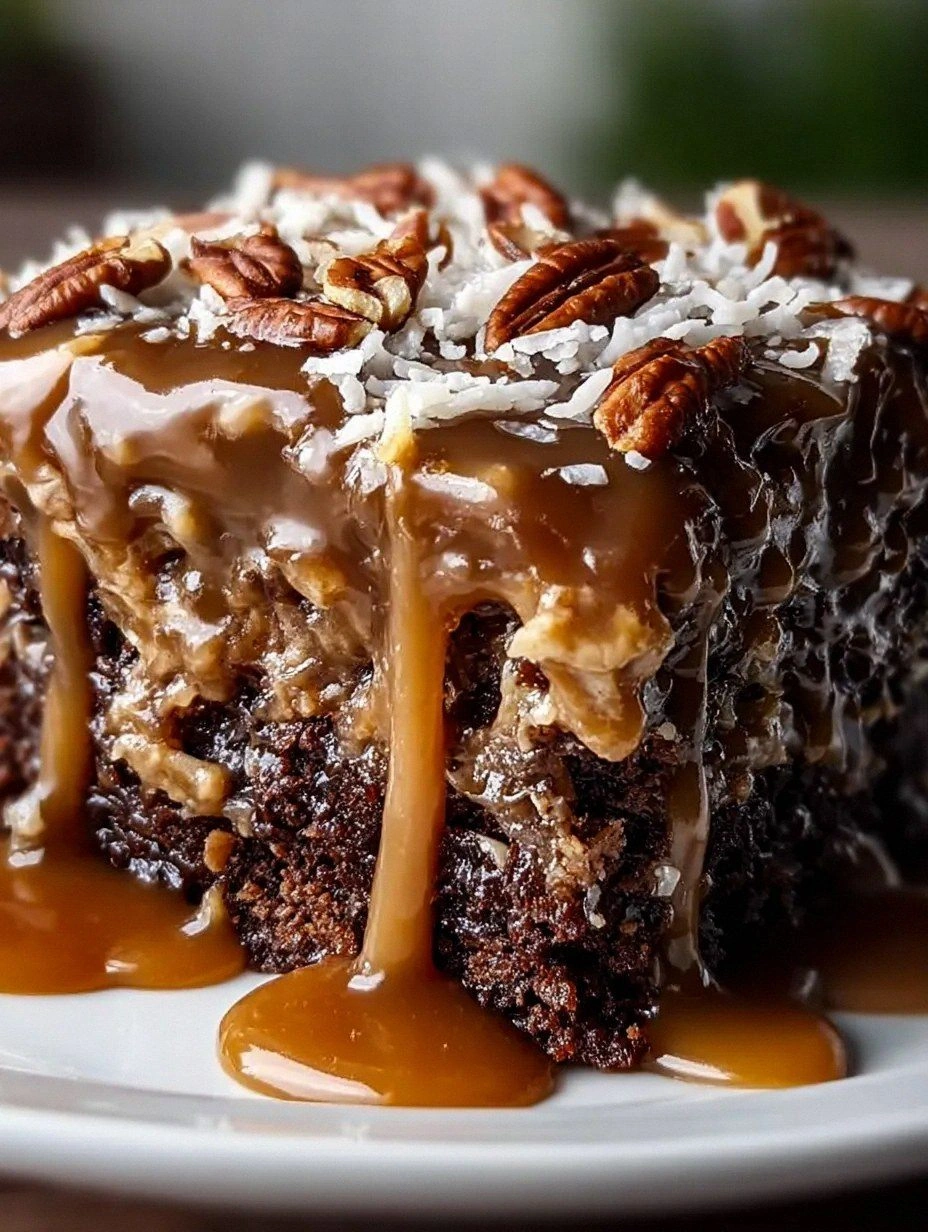
I’ll be honest — I ate half the batch before anyone else got to try it, and that’s because this German Chocolate Poke Cake with Gooey Caramel Pecan Topping is nothing short of a culinary love‑affair. Picture this: a moist, chocolate‑kissed sponge that’s been riddled with a grid of tiny holes, each one a tiny well ready to soak up a river of caramel‑pecan bliss. The moment you cut into it, the topping oozes out like molten gold, coating every crumb, every forkful, every hopeful bite. If you’ve ever struggled with a dry, crumbly German chocolate cake that feels more like a brick than a dessert, you’re not alone — and I’ve got the fix.
It all started on a rainy Tuesday when my roommate dared me to “make a cake that can survive a tornado of cravings.” I laughed, grabbed the nearest pantry staples, and set out to prove that a poke cake could be the ultimate crowd‑pleaser. The kitchen filled with the sweet perfume of cocoa and butter, the oven humming like a contented cat, and the sound of the caramel bubbling in the pan was a siren song I couldn’t ignore. The first whiff made my eyes water, the second made my heart race, and the third? That’s when I realized I’d stumbled onto something that would forever change my dessert game.
What makes this version stand out? Most German chocolate recipes treat the topping as an afterthought, a drizzle that sits on top like a lazy river. Not this one. I’m talking about a topping that’s thick enough to hold its own, yet fluid enough to seep into every poke‑hole, creating a texture that’s simultaneously silky and crunchy. The secret? A pinch of sea salt that lifts the caramel, a splash of bourbon‑kissed vanilla that adds depth, and toasted pecans that bring a smoky crunch. And the “poke” part? It’s not just for show — those little holes are the highways that channel flavor straight to your palate, making every bite a surprise party.
Now, I’m about to walk you through every single step — by the end, you’ll wonder how you ever made a German chocolate cake any other way. I dare you to taste this and not go back for seconds. Ready? Let’s dive into the magic.
What Makes This Version Stand Out
- Flavor Explosion: The caramel‑pecan topping is infused with a whisper of bourbon, turning ordinary sweetness into a sophisticated, layered experience that dances on the tongue.
- Texture Symphony: Moist, tender crumb meets a glossy, gooey sauce and a crunchy nutty crown — three textures in perfect harmony.
- Simplicity Meets Sophistication: You only need a single pan, a few basic tools, and a handful of pantry heroes to achieve bakery‑level results.
- Unique Poke Technique: The deliberate grid of holes ensures every slice gets an even distribution of caramel, eliminating the dreaded “dry corner” syndrome.
- Crowd Magnet: Guests will swear you’ve hired a professional pastry chef; the first bite is always “wow,” the second is “more, please.”
- Ingredient Quality: We use real German chocolate (the brand that gives the cake its name) and premium pecans, because flavor is never compromised.
- One‑Pan Wonder: No messy stovetop chaos, no multiple bowls — just a single bowl, a pan, and a spoon, making cleanup a breeze.
- Make‑Ahead Friendly: The cake can be assembled a day ahead; the topping stays luscious, and the flavors meld even further.
Alright, let's break down exactly what goes into this masterpiece...
Inside the Ingredient List
The Flavor Base
All-purpose flour (2 cups) forms the structural backbone of the cake. It’s the canvas that lets the chocolate and buttermilk mingle without turning gummy. If you substitute cake flour, expect a finer crumb but a slightly less sturdy cake, which can collapse under the weight of the topping.
Unsweetened cocoa powder (½ cup) brings the deep, bittersweet chocolate flavor that balances the sweetness of the caramel. Opt for a high‑quality Dutch‑process cocoa for a smoother mouthfeel; cheap cocoa can taste chalky and leave a lingering aftertaste.
Buttermilk (1 cup) is the unsung hero. Its acidity reacts with the baking soda, creating lift and a tender crumb. If you’re out of buttermilk, whisk together 1 cup milk with 1 tablespoon lemon juice and let it sit for five minutes — it’ll work just as well.
The Texture Crew
Granulated sugar (1 cup) sweetens the batter and helps create a fine, airy structure when creamed with butter. Using superfine sugar can speed up the creaming process, but regular granulated works fine.
Unsalted butter (½ cup, softened) adds richness and moisture. Make sure it’s truly softened, not melted, because melted butter can cause the cake to spread too thin in the pan.
Eggs (2 large) act as emulsifiers, binding the fat and liquid together. If you’re allergic, a flax‑egg (1 tbsp ground flaxseed + 3 tbsp water) can replace each egg, though the texture will be slightly denser.
Vanilla extract (1 tsp) adds a fragrant backdrop that rounds out the chocolate’s edge. For a twist, use bourbon‑infused vanilla — it’ll echo the caramel’s depth.
The Unexpected Star
German chocolate (1 cup, chopped or chips) is the defining ingredient. It’s sweeter and milkier than regular semisweet chocolate, giving the cake its signature caramel‑nutty flavor. If you can’t find it, a mix of milk chocolate plus a pinch of salt will mimic the taste.
Shredded sweetened coconut (1 cup) and chopped pecans (1 cup) are folded into the topping, providing chewiness and crunch. Toast the pecans for 5 minutes at 350°F for a smoky note that elevates the entire dish.
Evaporated milk (12 oz can) forms the liquid base of the caramel sauce, delivering a silky texture without the thinness of regular milk. It also adds a subtle caramel flavor that intensifies as the sauce reduces.
The Final Flourish
Brown sugar (1 cup) is the sweetener for the caramel topping; its molasses content deepens the flavor, creating that gooey, amber hue you see in the final product.
Butter for the topping (½ cup) gives the sauce a glossy sheen and a velvety mouthfeel. Use the same unsalted butter you used in the batter for consistency.
Sea salt (a pinch) is the secret whisper that makes the caramel sing. It cuts through the sweetness and brings out the nutty undertones of the pecans.
Everything's prepped? Good. Let's get into the real action...
The Method — Step by Step
Preheat your oven to 350°F (175°C) and grease a 9‑inch square baking pan, then line it with parchment paper, leaving an overhang on two sides for easy removal. The parchment acts like a non‑stick superhero, ensuring the cake slides out without a single crumb stuck to the pan. Let the pan sit while you gather your ingredients; this moment of anticipation is the calm before the flavor storm.
In a large mixing bowl, whisk together the flour, cocoa powder, baking soda, and salt. This dry blend is your “foundation” — think of it as the solid ground before we build a flavor skyscraper. Whisk for about 30 seconds to aerate the mixture; you’ll notice a faint, earthy perfume that hints at the chocolatey goodness to come.
In a separate bowl, cream the softened butter and granulated sugar until the mixture is light, fluffy, and pale yellow — about 3‑4 minutes on medium speed. This is the point where the butter starts to trap air, creating pockets that will later expand into a tender crumb. If you’re using a stand mixer, keep the paddle attachment; a whisk can work but will be slower.
Add the eggs one at a time, beating well after each addition, then stir in the vanilla. The eggs should blend in smoothly, giving the batter a glossy sheen. Pro tip: If the batter looks curdled, keep mixing — the emulsification will happen as you continue.
Kitchen Hack: Add a splash of buttermilk (about 2 tbsp) when creaming butter and sugar; it helps the sugar dissolve faster and yields a smoother batter.Gradually add the dry ingredients to the wet mixture, alternating with the buttermilk, beginning and ending with the dry side. This “stop‑start” method prevents the batter from becoming over‑mixed, which can make the cake tough. As you stir, you’ll see the batter turn from a thick paste to a silky, glossy batter that pours easily.
Fold in the chopped German chocolate, shredded coconut, and half of the chopped pecans. The chocolate should melt slightly from the batter’s heat, creating specks of molten goodness throughout.
Watch Out: Over‑folding can break down the air you just created; gently fold until just combined.Pour the batter into the prepared pan, spreading it evenly with a spatula. Using the back of a spoon, gently tap the pan on the counter three times to release any large air bubbles. Then, with a wooden skewer or the handle of a wooden spoon, poke a grid of holes about 1‑inch apart across the surface. This is the game‑changer: those holes become the highways for the caramel sauce, ensuring each slice is drenched.
Slide the pan into the oven and bake for 30‑35 minutes, or until a toothpick inserted into a non‑poked area comes out clean. The edges should start pulling away from the pan, and the top will have a faint, crackly crust — that’s the sign of a perfectly baked cake. Resist the urge to open the oven early; the steam inside is crucial for a moist crumb.
While the cake bakes, prepare the caramel‑pecan topping. In a medium saucepan, melt the ½ cup butter over medium heat. Once melted, whisk in the brown sugar, evaporated milk, and a pinch of sea salt. Bring the mixture to a gentle boil, then reduce the heat to low and let it simmer for 8‑10 minutes, stirring occasionally. You’ll notice the sauce thickening and turning a deep amber color; that sizzle when it hits the pan? Absolute perfection.
When the sauce is ready, remove it from the heat and stir in the remaining chopped pecans and the vanilla (or bourbon‑vanilla). Let it sit for a couple of minutes; it will continue to thicken slightly. Once the cake is out of the oven, let it cool in the pan for 10 minutes, then carefully pour the warm caramel over the top, making sure it seeps into every poke‑hole. The sauce will cascade like a waterfall, filling each well and creating a glossy, sticky crown.
Kitchen Hack: Warm the caramel sauce just enough to stay pourable; if it cools too quickly, reheat gently over low heat while stirring.Allow the cake to set for at least 20 minutes so the topping firms up just enough to hold its shape but remains gooey enough to melt in your mouth. Then, using the parchment overhang, lift the cake onto a cutting board, slice, and serve. The first forkful will be a cascade of caramel, chocolate, coconut, and pecan — pure decadence. That moment when the sauce pools on your plate? That’s the payoff for every minute you spent poking and waiting.
That's it — you did it. But hold on, I've got a few more tricks that'll take this to another level...
Insider Tricks for Flawless Results
The Temperature Rule Nobody Follows
Always bring your butter and eggs to room temperature before you start. Cold butter will create lumps, and cold eggs will cause the batter to seize, resulting in a dense cake. I once tried to rush the process by using chilled butter straight from the fridge; the cake turned out flat and rubbery. Letting ingredients sit for 30 minutes on the counter makes a world of difference.
Why Your Nose Knows Best
The moment the caramel sauce begins to bubble, trust your nose. A fragrant, buttery caramel aroma signals that the sugars have dissolved fully and the sauce is ready. If you rely solely on a timer, you risk over‑cooking, which can turn the sauce bitter. When the scent hits that deep, toasted sugar note, you know it’s perfect.
The 5‑Minute Rest That Changes Everything
After you pour the caramel, let the cake rest for exactly five minutes before cutting. This short pause lets the sauce settle into the poke‑holes without spilling over the edges. Skipping this step leads to a messy plate and a loss of that gorgeous glossy finish.
Don’t Over‑Mix the Batter
Once you add the dry ingredients, mix just until combined. Over‑mixing develops gluten, which makes the cake tough. A good visual cue: the batter should look slightly streaky before you finish the final stir — those streaks will disappear as you fold gently.
Use a Light Hand with the Poke‑Tool
When you poke the grid, apply just enough pressure to create a hole without tearing the batter. Too much force creates ragged edges that leak caramel unevenly. A wooden chopstick works wonders because it’s sturdy yet forgiving.
Creative Twists and Variations
This recipe is a playground. Here are some of my favorite ways to switch things up:
Salted Caramel Espresso
Swap half the brown sugar for dark brown sugar and add a tablespoon of instant espresso powder to the caramel. The coffee note deepens the chocolate flavor and pairs beautifully with the sea‑salt garnish.
White Chocolate Coconut Dream
Replace the German chocolate with white chocolate chips and double the shredded coconut. The result is a tropical, buttery cake that feels like a beach vacation in every bite.
Spiced Pecan Crunch
Toast the pecans with a pinch of cinnamon, nutmeg, and a dash of cayenne before folding them into the topping. The warm spices add a cozy autumn vibe, perfect for holiday gatherings.
Gluten‑Free Almond Flour Version
Swap the all‑purpose flour for a blend of almond flour and gluten‑free oat flour (2 cups total). The cake will be denser but richer, and the almond flavor will complement the caramel beautifully.
Vegan Delight
Replace butter with coconut oil, use flax eggs, and swap evaporated milk for coconut milk evaporated (or a thick soy milk). The caramel will have a subtle coconut undertone, making it a vegan crowd‑pleaser.
Mini Poke Cakes
Divide the batter among a muffin tin, poke each mini cake, and pour caramel over each individually. These bite‑size versions are perfect for potlucks and look stunning on a dessert platter.
Storing and Bringing It Back to Life
Fridge Storage
Cover the cooled cake tightly with plastic wrap or store it in an airtight container. It will stay fresh for up to 4 days. The caramel may thicken a bit; simply microwave a slice for 10‑15 seconds to bring back its gooey texture.
Freezer Friendly
Wrap the whole cake (still on the parchment) in a double layer of foil, then place it in a freezer‑safe bag. It freezes beautifully for up to 2 months. When you’re ready to serve, thaw overnight in the fridge, then let it sit at room temperature for 30 minutes before reheating a slice.
Best Reheating Method
Preheat your oven to 300°F (150°C), place a slice on a baking sheet, and warm for 8‑10 minutes. Add a tiny splash of water (about a teaspoon) to the slice before reheating; the steam revives the caramel, making it as glossy as the day it was poured.