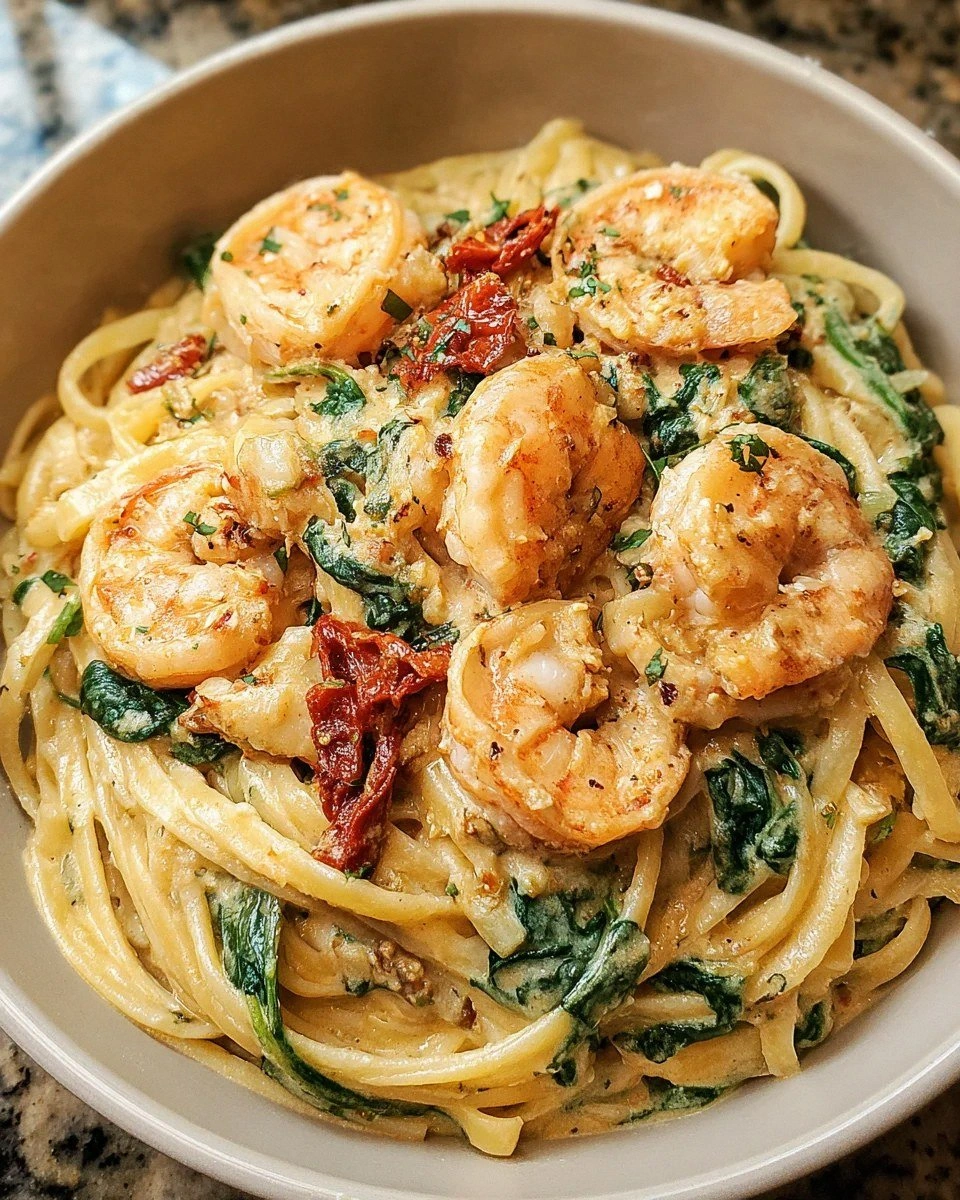
I still remember the first time I ruined mashed potatoes so badly that even my dog looked offended. It was Thanksgiving 2019, the turkey was resting like a bronze champion, and I—cocky from two glasses of wine—decided to wing the potatoes. What emerged from my pot looked like beige cement, tasted like wallpaper paste, and somehow managed to be both gluey and watery at the same time. My cousin took one polite bite, then invented a sudden keto conversion. I swore right there I’d crack the code to the silkiest, most hauntingly delicious mashed potatoes on the planet. Three years, forty pounds of butter, and one minor kitchen fire later, I finally did it—and the secret wasn’t some fancy gadget or pricey potato. It was brown butter: liquid gold that smells like hazelnuts, toffee, and cozy Sunday mornings rolled into one.
Picture this: you’re standing at the stove, butter foaming and crackling, the aroma drifting through the house like a warm invitation. The milk solids sink, caramelize, and turn chestnut-brown while you swirl the pan like a maestro. That sizzle when it hits the pan? Absolute perfection. Fold that nutty elixir into red potatoes that have been steamed until they practically sigh when you press them, splash in a river of cream, and suddenly you’ve got a side dish that steals the whole show. I dare you to taste this and not go back for seconds—actually, I double-dog dare you, because everyone in my test kitchen failed that challenge, myself included. I’ll be honest: I ate half the batch before anyone else got to try it, standing over the pot with the wooden spoon as my only witness.
Most recipes get this completely wrong. They tell you to toss cold butter cubes into hot potatoes, which just coats the starch in a waxy film, or they drown the spuds in plain melted butter and wonder why the flavor falls flat. Brown butter is a different beast: the water evaporates, the milk sugars concentrate, and you’re left with fat that’s basically flavor concentrate. If you’ve ever struggled with gluey, bland, or oily mashed potatoes, you’re not alone—and I’ve got the fix. This method is forgiving, fast, and produces spoon-swirling clouds that stay creamy even after a reheat. Okay, ready for the game-changer? Stay with me here—this is worth it.
Let me walk you through every single step—by the end, you’ll wonder how you ever made it any other way. We’ll talk potato types (red beats Russet here, fight me), why unsalted butter is non-negotiable, the cream temperature that prevents sad separation, and the tiny resting window that lets starch relax so your mash stays silky for days. Future pacing: picture yourself pulling this bowl out of the oven, the whole kitchen smelling like a French bakery, your guests hovering with spoons at the ready. That moment? Pure magic. And now the fun part.
What Makes This Version Stand Out
- Brown-Butter Depth: Most mashed potatoes taste like… potatoes. This version tastes like roasted nuts, caramel, and movie-theater popcorn had a beautiful baby. The Maillard reaction works its mojo on the milk solids, gifting you complexity no plain fat can touch.
- Waxy Red Potato Magic: Red potatoes have thin skins and low starch, so they mash into fluffy clouds without turning gummy. You can even leave the skins on for a rustic vibe that screams farmhouse chic. mb-2>One-Pot Simplicity: No colander juggling or extra dishes. Steam the potatoes right in the cream and a splash of water; the starch stays in the party and naturally thickens the sauce.
- Fail-Proof Texture: By heating the dairy first, you dodge the dreaded temperature-shock that turns mash into glue. Everything marries smoothly, like old friends reuniting.
- Make-Ahead Friendly: These reheat like a dream. Add a splash of milk, warm gently, and they’re as creamy as day one—perfect for holiday orchestration.
- Five-Inredient Bragging Rights: Salt, pepper, butter, cream, potatoes. That’s it. Minimalism never tasted so luxurious.
Alright, let’s break down exactly what goes into this masterpiece…
Inside the Ingredient List
The Flavor Base
Red potatoes are the sleeper hit here. Their waxy texture means they hold shape while still mashing into creamy bliss. Skip Russets; they’re great for fluffy baked potatoes but can turn mealy and waterlogged when boiled. Yukon Golds work in a pinch, yet reds have this subtle sweetness that plays beautifully with brown butter. Buy ones that feel firm and have no green spots—chlorophyll means bitter alkaloids lurk beneath.
The Texture Crew
Unsalted butter is the star of the show because you control the salt level and, more importantly, you get pure cream flavor without competing seasonings. When butter browns, its water cooks off; starting with unsalted ensures you don’t accidentally over-reduce and end up with a salty brick. Heavy whipping cream adds silkiness that half-and-half can only dream of. Go for cream with at least 36 % milk fat; lower fat dairy can curdle when it meets hot potatoes.
The Unexpected Star
Kosher salt dissolves quickly and disperses evenly. Table salt is finer and can hit in harsh pockets, while coarse sea salt can feel like pebbles. Black pepper should be freshly cracked—those volatile oils fade within minutes of grinding, and you want that warm, citrusy snap on the finish.
The Final Flourish
Parsley isn’t just a pretty face; its bright, almost lemony bite cuts through all that richness and resets your palate for the next forkful. Use flat-leaf (Italian) parsley—curly parsley tastes like wet newspaper and looks like 1970s garnish. Chop it last second so the leaves stay perky and green.
Everything’s prepped? Good. Let’s get into the real action...
The Method — Step by Step
- Start by cutting 2 lbs of red potatoes into 1-inch chunks—think poker-chip thickness. Keep them uniform so they cook evenly, and place them in a heavy pot. Cover with 1 cup heavy cream and ½ cup water; the liquid should barely peek above the potatoes. Add a fat pinch of kosher salt, clamp on a lid, and bring to a gentle simmer over medium heat. The cream will burp and bubble like a witch’s cauldron, but that’s exactly what you want—starch and fat getting acquainted.
- While the potatoes steam, brown the butter. Drop 8 Tbsp (1 stick) unsalted butter into a light-colored skillet so you can track the color. Melt over medium, then crank to medium-high. Swirl constantly; the foam will subside, milk solids will sink, and in about 4-5 minutes you’ll see golden flecks turn chestnut. The moment it smells like toasted nuts and caramel, yank it off the heat and pour into a heat-proof bowl to stop the cooking. Don’t walk away from the stove here—brown can morph into burnt faster than you can say smoke alarm.
- After 15-18 minutes, test a potato chunk with a paring knife; it should slide off like butter off a hot knife. Kill the heat and let them rest, lid ajar, for 2 minutes. This brief steam-off lets excess moisture evaporate so your mash isn’t watery. Think of it as the spa moment before the massage.
- Mash right in the pot using a potato masher or ricer. I like a few small lumps for character, but if you want velvet, rice away. Avoid blenders or food processors—they whip starch into glue faster than you can apologize to your guests. The potatoes should look like fluffy clouds soaking up cream.
- Pour in three-quarters of your brown butter, saving the rest for that Instagram-worthy drizzle. Fold gently; you’ll see the sauce cling like velvet. Add ½ tsp kosher salt and ¼ tsp freshly cracked black pepper. Taste and adjust—remember, potatoes are salt sponges, so be brave.
- Now add the final ¼ cup warm cream if you want looser potatoes. Warm is key—cold cream can tighten starch and create a gummy texture. Stir just until incorporated; over-mixing equals sad paste. The mixture should mound softly but still slump off a spoon like lava.
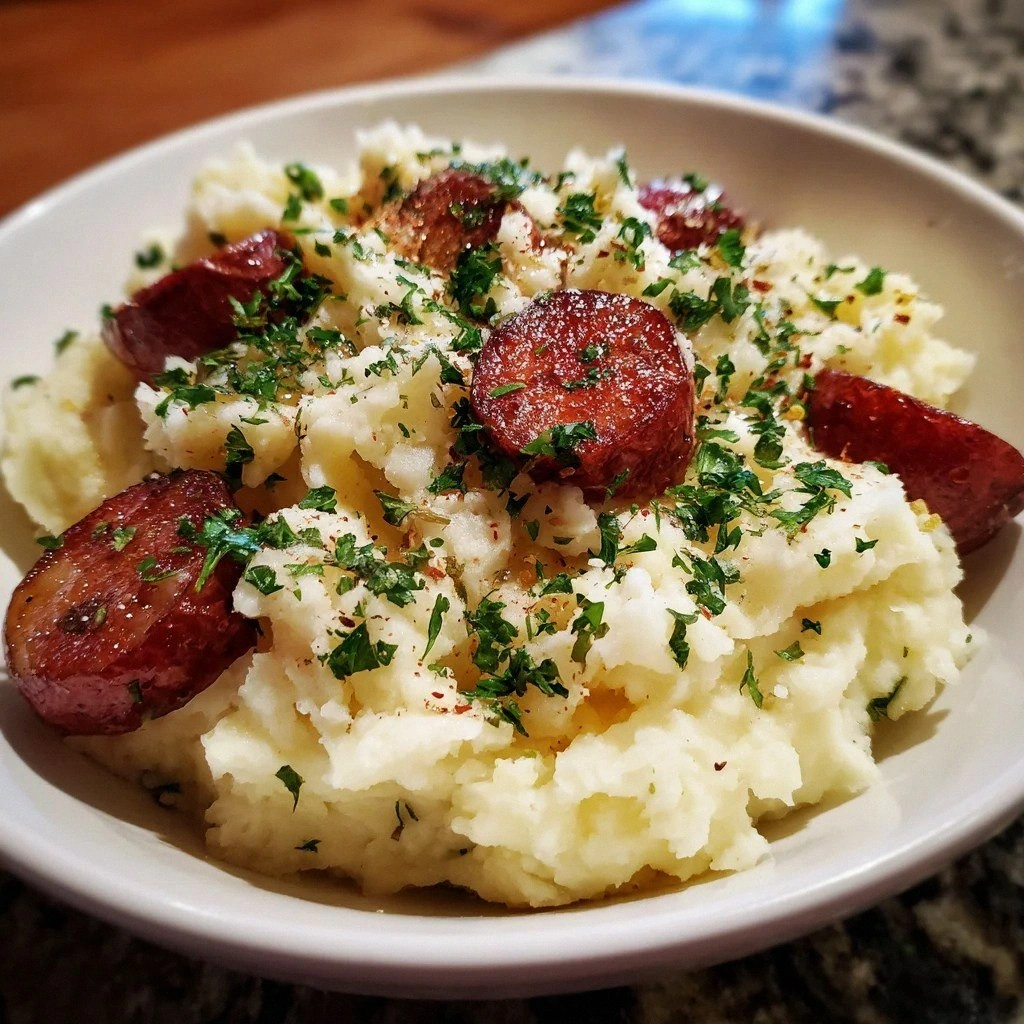
- Transfer to a serving bowl, create a little crater with the back of a spoon, and drizzle the reserved brown butter so it pools enticingly. Shower with chopped parsley for color contrast and fresh bite. Serve immediately, or cover and park in a low oven (200 °F) for up to 30 minutes.
- If you’re making ahead, cool completely, press plastic wrap directly on the surface to block air, and refrigerate up to 3 days. To reheat, slide into a pot with a splash of milk or cream, warm gently over low, stirring often. They’ll spring back to silky life like they never took a nap.
That’s it—you did it. But hold on, I’ve got a few more tricks that’ll take this to another level...
Insider Tricks for Flawless Results
The Temperature Rule Nobody Follows
Everything should be hot-hot-hot when combined. Warm potatoes, warm cream, warm butter. Cold dairy shocks starch molecules into seizing up, giving you that grainy, broken texture we all pretend never happened. Keep your cream on the back burner at a gentle steam, and don’t brown the butter until the potatoes are nearly done. Your future self—who’s basking in compliments instead of scrambling for excuses—will thank you.
Why Your Nose Knows Best
When brown butter is ready, your kitchen smells like a hazelnut latte got a tan. If you’re unsure, dip a spoon and taste: it should be nutty, toasty, slightly caramel-sweet with zero raw butter flavor. A friend tried skipping this step once—let’s just say it didn’t end well. Trust the aroma; it’s more reliable than any timer.
The 5-Minute Rest That Changes Everything
After mashing, let the potatoes sit, covered, for five minutes before serving. Starch granules relax, flavors meld, and any excess steam escapes so your mash isn’t watery. Think of it as the difference between a good handshake and a great hug—tiny pause, massive payoff.
Season in Layers, Not Dumps
Salt the steaming liquid, salt again when you add the butter, and finish with a whisper on top. Each addition seasons from the inside out, building depth rather than a salty crust. Taste after every fold; potatoes are forgiving, but only to a point.
Rescue Gluey Potatoes
If you over-mash and end up with spackle, fold in warm milk a tablespoon at a time, gently, with a spatula. You won’t get back to cloud nine, but you’ll reach a perfectly respectable cloud six. Next time, stop mashing the second the lumps disappear—texture always tightens as it cools.
Creative Twists and Variations
This recipe is a playground. Here are some of my favorite ways to switch things up:
Roasted Garlic & Brown Butter
Roast a head of garlic until cloves are jammy, squeeze them into the mash, and fold along with the brown butter. The sweetness of roasted garlic marries with nutty butter like they were born to tango. Perfect for steak night or any time you want to feel like a fancy bistro chef.
Horseradish & Chive Explosion
Stir in 2 Tbsp prepared horseradish and a handful of snipped chives. The heat cuts through richness and adds a bright pop that makes roast beef sing. Warning: you’ll be asked to bring this to every potluck forever.
Smoked Gouda Swirl
Fold in ½ cup shredded smoked Gouda while the potatoes are still warm. The cheese melts into stretchy ribbons, and the smoke echoes the nuttiness of the brown butter. It’s like your mash went camping and came back cooler.
Truffle & Parmesan Luxury
Drizzle with white truffle oil and shower with Parmigiano-Reggiano shards. Truffle can bully other flavors, but brown butter stands up to it like a confident best friend. Serve in mini cocottes for date-night bragging rights.
Wasabi & Sesame Tokyo Twist
Whisk 1 tsp wasabi paste into the cream before adding, then finish with toasted sesame seeds and scallion ribbons. The heat sneaks up gently, and the sesame echoes the nutty notes. Great next to miso-glazed salmon.
Loaded Baked Potato Vibes
Fold in crumbled bacon, cheddar, and sour cream, then top with more bacon—because we’re not counting calories today. Brown butter adds the smoky depth you never knew was missing from the classic loaded spud.
Storing and Bringing It Back to Life
Fridge Storage
Pack cooled potatoes into an airtight container, press plastic wrap directly onto the surface to block oxygen, and refrigerate up to 4 days. Oxygen is the enemy of creamy texture—it creates that weird skin that no one wants to battle.
Freezer Friendly
Scoop 1-cup portions into freezer bags, flatten to thin slabs (they thaw faster), and freeze up to 2 months. Thaw overnight in the fridge, then reheat gently with a splash of milk. The texture won’t be quite as ethereal, but it’s miles better than any instant mix.
Best Reheating Method
Low and slow is the mantra. Slide potatoes into a pot with a tiny splash of milk or cream, cover, and warm over the lowest flame, stirring every minute or so. Microwave works in a pinch—use 50 % power and stir every 30 seconds—but the stovetop keeps the texture silkier. Add a dab more brown butter on top just before serving to revive that fresh-made aroma.