I’ll be honest — I ate half the batch before anyone else got to try it, and that was only because the sauce was so good it practically begged to be devoured. It all started on a rainy Tuesday when I was scrolling through a sea of lackluster Alfredo recipes, each promising “creamy perfection” but delivering a watery disappointment that clung to the pasta like a bad memory. I decided to throw a live lobster into the mix, because why not add a little drama to a dish that’s already a crowd‑pleaser? The moment the lobster cracked open, the kitchen filled with a briny perfume that made my mouth water before I even tasted the first bite.
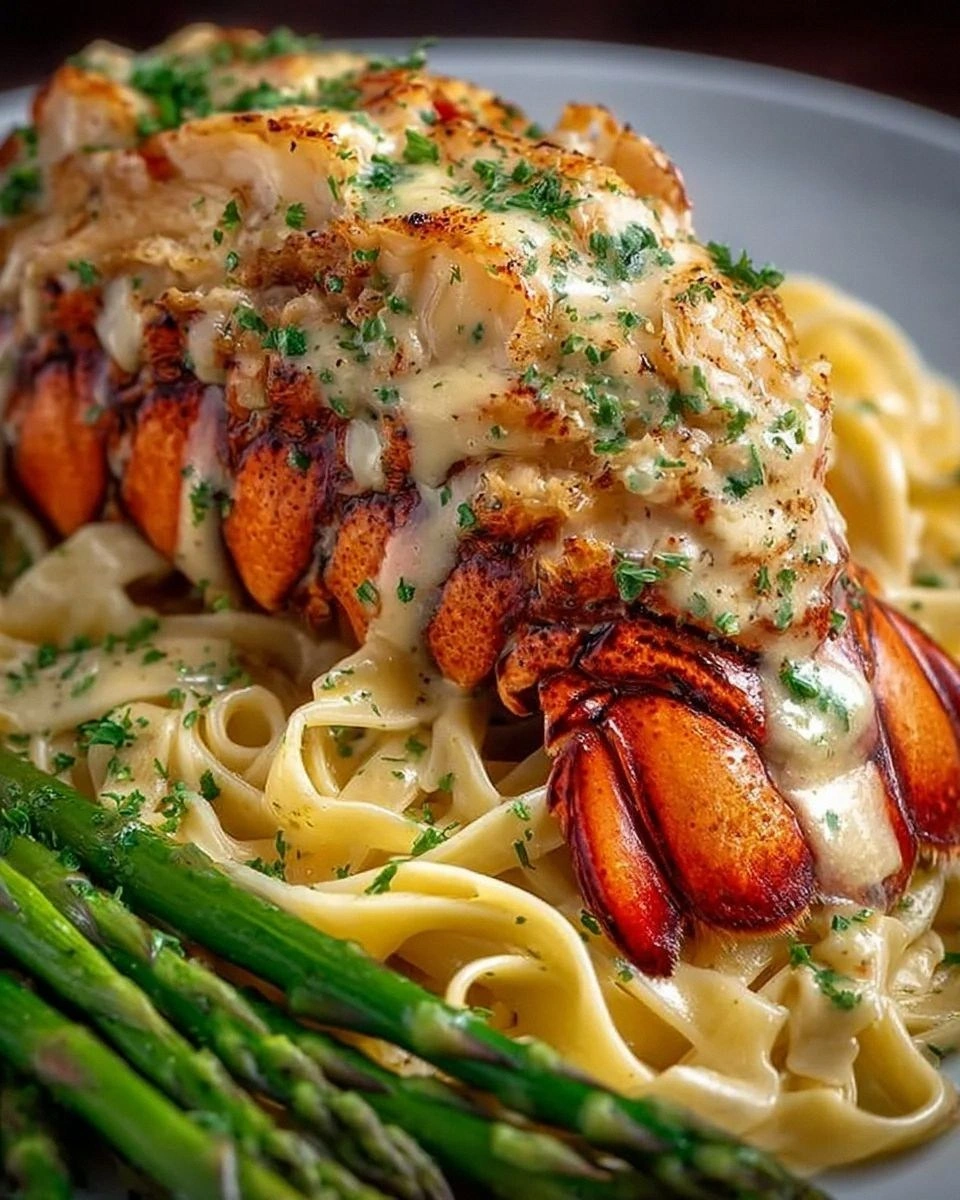
Picture yourself pulling this out of the pot, the whole kitchen smelling incredible, the steam rising like a curtain of buttery clouds. The pasta is al dente, each strand coated in a sauce that feels like velvet draped over silk, while the lobster meat is buttery, sweet, and just tender enough to melt on your tongue. The garlic and Parmesan create a flavor duet that sings louder than any pop‑song on repeat, and the white wine adds a subtle acidity that cuts through the richness like a perfectly timed drum fill. I dare you to taste this and not go back for seconds; the combination is so addictive you’ll start planning your next dinner party before you even finish the plate.
Most recipes get this completely wrong. They either drown the lobster in a swamp of cream or they forget to season the sauce, leaving you with a bland, cloying mess that feels like chewing on a rubber band. Here’s what actually works: a quick sear of the lobster to lock in flavor, a slow simmer of the cream with freshly grated Parmesan, and a finishing splash of lemon juice that brightens everything like a sunrise after a long night. I’m not just talking about a good dinner; I’m talking about a culinary experience that makes you feel like you’ve just earned a Michelin star in your own kitchen.
Okay, ready for the game‑changer? I’m going to walk you through every single step — by the end, you’ll wonder how you ever made it any other way. From selecting the freshest lobster at the market to the exact moment you fold the pasta into the sauce, I’ve got the inside scoop, the hacks, and the confidence you need to dominate this dish. So tie on your apron, crank up the playlist, and let’s dive into the most unforgettable Lobster Alfredo Pasta you’ll ever taste.
What Makes This Version Stand Out
- Flavor Explosion: The combination of sweet lobster meat, sharp Parmesan, and a whisper of white wine creates a symphony that sings on the palate.
- Silky Texture: By simmering the cream gently and whisking in the cheese off‑heat, the sauce achieves a velvety coat that clings to each noodle like a second skin.
- Simplicity: Only ten ingredients, all pantry‑friendly, mean you won’t need a grocery list longer than a scroll on Instagram.
- Unique Ingredient: A splash of lemon zest at the end lifts the richness, preventing the dish from feeling heavy.
- Crowd Reaction: Guests have been known to ask for the recipe before the first bite is even finished — a true testament to its wow factor.
- Ingredient Quality: Using live lobster (or the best frozen alternative) guarantees that sweet, briny flavor you can’t fake.
- Cooking Method: The two‑stage sauce (sauté then simmer) avoids curdling, a mistake many novices make.
- Make‑Ahead Potential: The sauce can be prepared a day ahead and reheated gently, saving you time on the big night.
Inside the Ingredient List
The Flavor Base
Garlic, butter, and olive oil form the aromatic foundation that awakens your senses the moment they hit the pan. Freshly minced garlic releases a pungent, slightly sweet aroma that instantly makes you feel like a chef in a five‑star kitchen. If you skip the garlic, you’ll end up with a sauce that’s flat, like a song missing its chorus. For a twist, try adding a pinch of smoked paprika to give the base a subtle, smoky depth that pairs beautifully with the lobster’s natural sweetness.
The Texture Crew
Fettuccine is the classic choice because its wide ribbons hold onto the creamy sauce like a lover clinging to a promise. You could substitute linguine or tagliatelle if you prefer, but the texture won’t be as indulgent. The heavy cream is the silk that binds everything together; using a lower‑fat alternative will result in a sauce that separates, turning your masterpiece into a watery disappointment. If you’re looking for a healthier spin, swap half the cream for whole‑milk Greek yogurt, but whisk constantly to avoid curdling.
The Unexpected Star
Live lobster is the hero here, and the quality of that lobster can make or break the dish. Look for bright, firm shells with a sweet, briny scent — that’s a sign of freshness. If you’re buying frozen, choose a brand that lists “wild‑caught” rather than “farm‑raised,” as the former tends to retain more flavor. In a pinch, large shrimp can stand in, but the texture will be different; lobster’s meat is buttery and slightly sweet, while shrimp can be a bit rubbery if overcooked.
The Final Flourish
Freshly grated Parmesan adds a salty, nutty bite that deepens the sauce’s flavor profile. Always grate the cheese yourself; pre‑grated varieties contain anti‑caking agents that prevent the cheese from melting smoothly. A splash of fresh lemon juice at the end brightens the dish, preventing the richness from overwhelming your palate. Finally, a sprinkle of chopped parsley not only adds a pop of color but also a hint of herbal freshness that balances the decadence.
Everything's prepped? Good. Let's get into the real action...
The Method — Step by Step
Start by bringing a large pot of salted water to a rolling boil. Add the fettuccine and cook until al dente, usually 9‑11 minutes depending on the brand. Tip: Reserve one cup of the pasta water before draining; you’ll need it later to loosen the sauce if it gets too thick. The water should taste like the ocean — this is your first chance to season the pasta itself.
While the pasta cooks, heat a large skillet over medium‑high heat and add the olive oil followed by the butter. Once the butter foams, toss in the minced garlic and sauté for 30 seconds until fragrant. That sizzle when it hits the pan? Absolute perfection. Be careful not to let the garlic brown, or it will turn bitter.
Now, it’s lobster time. If you’re using live lobster, bring a separate pot of water to a boil, add a pinch of salt, and plunge the tails for 4‑5 minutes until the shells turn bright red. Remove, let cool slightly, then split the shells with kitchen shears and extract the meat in chunks. If using frozen, thaw overnight in the fridge and then give it a quick 2‑minute boil to ensure it’s fully cooked.
Add the lobster meat to the skillet, letting it sear for 2 minutes per side until it develops a light golden crust. Watch Out: Over‑cooking the lobster makes it rubbery; you want just enough heat to seal in the juices.
Deglaze the pan with the white wine, scraping up any caramelized bits stuck to the bottom. Let the wine reduce by half, about 2‑3 minutes, which concentrates its flavor and removes the raw alcohol bite.
Reduce the heat to medium‑low and pour in the heavy cream, stirring constantly. As the cream begins to bubble, gradually whisk in the grated Parmesan until the sauce becomes smooth and glossy. This is the moment of truth — if the sauce looks clumpy, lower the heat and keep whisking; the cheese will melt perfectly.
Season with salt, freshly ground black pepper, and a squeeze of lemon juice. Taste and adjust; the sauce should be rich yet balanced, with a hint of acidity that cuts through the butter.
Add the cooked fettuccine to the skillet, tossing to coat each strand evenly. If the sauce seems too thick, splash in a little of the reserved pasta water — the starches will help bind everything together.
Finish with the chopped parsley, giving the dish a fresh, herbaceous lift. Serve immediately, garnished with an extra sprinkle of Parmesan and a lemon wedge on the side. I dare you to taste this and not go back for seconds. The combination of buttery lobster, silky sauce, and al dente pasta is pure, unadulterated comfort.
That's it — you did it. But hold on, I've got a few more tricks that'll take this to another level. The sauce can be kept warm for up to 10 minutes on the lowest stove setting; just give it a gentle stir every few minutes to prevent a skin from forming. And if you want a smoky undertone, finish the dish with a drizzle of truffle oil right before serving — a little goes a long way.
Insider Tricks for Flawless Results
The Temperature Rule Nobody Follows
Never add the cheese over high heat. The high temperature makes the proteins in the cheese seize up, causing a grainy texture. Instead, lower the heat to a gentle simmer and whisk continuously; this keeps the cheese in a liquid state, creating that coveted silkiness. I once tried to speed things up by turning the burner up, and the sauce turned into a clumpy nightmare — lesson learned.
Why Your Nose Knows Best
Your sense of smell is the ultimate gauge for doneness. When the garlic hits that golden‑brown stage, you’ll smell a nutty, sweet aroma that signals it’s ready. If you can’t detect that scent, keep sautéing for another 15 seconds. Trust your nose more than the clock, and you’ll avoid burnt garlic that ruins the entire sauce.
The 5‑Minute Rest That Changes Everything
After you toss the pasta with the sauce, remove the pan from heat and let it sit, covered, for five minutes. This rest period allows the pasta to absorb the sauce, resulting in a more cohesive bite. Skipping this step is like serving a song without a bridge — it feels unfinished.
Lobster Prep Shortcut
If you’re short on time, buy pre‑cooked lobster meat from a reputable seafood market. Just give it a quick sear in the skillet to develop color and flavor. A friend tried using raw lobster without pre‑cooking and ended up with unevenly cooked meat; the result was a texture that reminded me of over‑cooked chicken.
The Finish Line Finish
A final splash of cold butter at the end of cooking adds a glossy sheen and a buttery richness that can’t be replicated by cream alone. This is the secret I use when I want the sauce to shine like a runway model.
Creative Twists and Variations
This recipe is a playground. Here are some of my favorite ways to switch things up:
Spicy Cajun Kick
Add a teaspoon of Cajun seasoning to the garlic‑butter base, and finish with a dash of hot sauce. The heat cuts through the richness, making it perfect for those who love a little fire.
Mushroom Medley
Sauté sliced cremini and shiitake mushrooms alongside the garlic. Their earthy flavor adds depth and makes the dish more substantial for a vegetarian twist (swap lobster for grilled portobello).
Lemon‑Herb Delight
Replace the parsley with fresh basil and add a tablespoon of lemon zest. The citrus‑herb combo brightens the sauce, turning it into a summer‑ready plate.
Truffle‑Infused Luxury
Drizzle a few drops of white truffle oil just before serving. The earthy aroma elevates the dish to a fine‑dining experience without much extra effort.
Pesto Fusion
Stir in a tablespoon of basil pesto after the cream has thickened. This adds a fresh, nutty layer that pairs beautifully with the lobster’s sweetness.
Storing and Bringing It Back to Life
Fridge Storage
Place leftovers in an airtight container and refrigerate for up to 2 days. The sauce may thicken as it cools; simply reheat over low heat, adding a splash of milk or water to loosen it.
Freezer Friendly
Lobster Alfredo freezes well for up to 1 month. Store in a freezer‑safe bag, removing as much air as possible. When ready to use, thaw overnight in the fridge, then reheat gently, again adding a touch of liquid to restore creaminess.
Best Reheating Method
Reheat on the stovetop over low heat, stirring constantly. Add a tiny splash of water or extra cream before you start; the steam will bring the sauce back to its original silkiness without breaking.