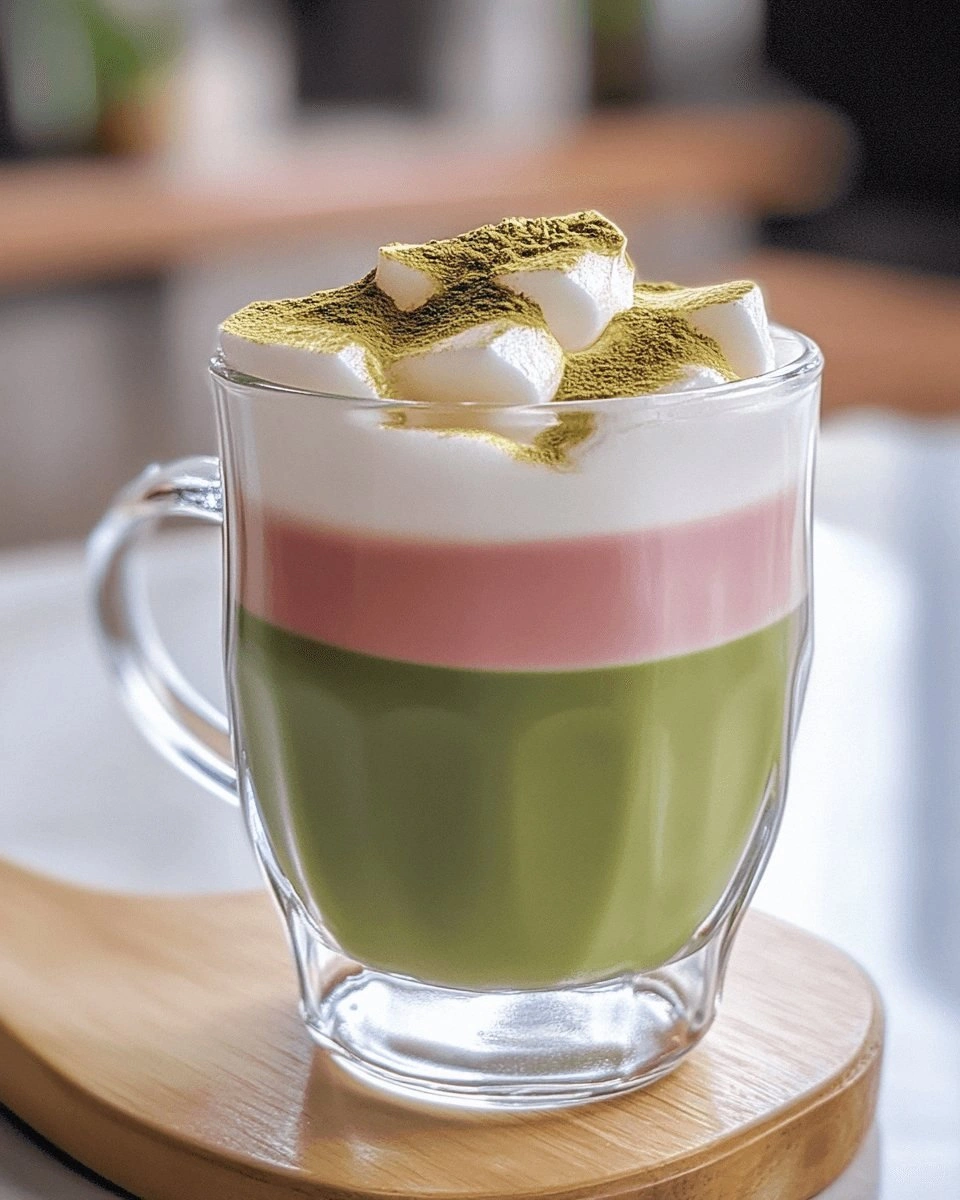
I still remember the first time I tried to make a fancy matcha latte at home. I whisked that powder like my life depended on it, only to end up with a lumpy, bitter swamp that tasted like I had licked a chalkboard. My roommate took one sip, raised an eyebrow, and diplomatically asked if I was trying to invent a new kind of punishment. Fast-forward through three burnt tongues, two seized frothers, and one very dramatic milk volcano later, and I finally cracked the code. The result? A cloud-soft, velvet-smooth matcha latte that floats on your tongue like a sweet spring breeze and looks so gorgeous you'll swear it's photoshopped.
This isn't your average "whisk-some-powder-into-milk" situation. We're building layers of flavor and texture, starting with a perfectly balanced matcha base (no bitterness allowed), then topping it with a dreamy, lightly sweetened cream cloud that melts slowly, infusing every sip with vanilla-kissed richness. The secret is in the temperature control, the order of operations, and one sneaky ingredient that turns ordinary cream into billowy perfection. Picture this: you set the glass on the table, the cream dome quivers like a soft pillow, and the first sip tastes like someone captured early morning sunshine and folded it into dessert.
What makes this version different? I'm glad you asked. Most recipes dump everything in a cup, cross their fingers, and hope the foam fairy shows up. That approach leaves you with either a watery drink or a separated mess. Instead, we treat each component like a VIP guest: the matcha gets a special hydration ritual to banish clumps, the milk is gently heated to coax out natural sweetness, and the cream is whipped just enough to float but not so much that it feels like frosting. The end result tastes like something you'd pay seven bucks for at that hip café with succulents on every table—only better, because you control the sweetness and you don't have to leave the house.
Let me walk you through every single step—by the end, you'll wonder how you ever made it any other way.
What Makes This Version Stand Out
Silky Forever: The matcha gets blitzed with a tiny amount of hot water first, which blooms the powder and eliminates the dreaded chalky pockets that ruin so many homemade lattes.
Cloud-Whipped Crown: We whip heavy cream with just a whisper of vanilla and honey until it reaches a lazy, spoon-coating consistency that sits on top like a soft blanket rather than dissolving instantly.
Temperature Bliss: By warming the milk to exactly 140°F, we unlock natural milk sugars without scalding, giving the latte a subtle caramel note that pairs beautifully with grassy matcha.
Zero Bitterness: Quality matcha matters, but so does timing. Adding the sweetener to the concentrate before the milk ensures the sugar molecules bind to the bitter compounds, leaving you with a round, mellow flavor.
Visual Wow Factor: The layered look isn't just for Instagram—keeping the cream separate until serving prevents dilution, so each sip is as vibrant as the first.
Speed Demon Approved: Total active time is under five minutes once you know the moves, making this faster than queuing at the coffee shop and way cheaper than your daily takeaway habit.
Make-Ahead Magic: Whip a batch of the cloud cream and stash it in the fridge; it holds for two days, so weekday mornings become a simple pour-and-float situation.
Alright, let's break down exactly what goes into this masterpiece...
Inside the Ingredient List
The Flavor Base
Matcha green tea powder is the star, and quality determines destiny. Ceremonial grade delivers that jade-green color and smooth, grassy sweetness, while culinary grade can taste muddy and astringent. Spend the extra few dollars—you're drinking it, not hiding it in cake batter. Two teaspoons may seem modest, but after blooming in hot water, the flavor concentrates into a vibrant shot that anchors the entire drink.
Hot water at 175°F unlocks the powder without shocking it. Go hotter and you'll scorch the delicate amino acids, leaving a hay-like bitterness; cooler and you'll get stubborn clumps that refuse to dissolve. I use a simple kitchen thermometer, but if you don't have one, let boiling water rest for about three minutes and you're in the zone.
The Texture Crew
Whole milk gives the richest mouthfeel, but 2% works if you're counting calories. Skim milk is too watery and won't balance the cream top—trust me, you'll taste the sadness. Heat it gently on the stove or in the microwave, stirring every fifteen seconds, until it steams and tiny bubbles form around the edges. Overheating causes that unpleasant skin on top, and nobody has time to strain their latte.
Heavy cream whips into the cloud layer. You want 36% fat content or higher; anything less deflates faster than a birthday balloon in July. Keep it cold—warm cream turns buttery instead of billowy. A quarter cup is the sweet spot for one generous float or two modest dollops if you're sharing (though let's be real, you're not sharing).
The Sweetening Squad
Honey rounds off matcha's grassy edges with floral notes, while maple syrup adds a subtle caramel depth—pick whichever matches your mood. Start with one tablespoon; you can always stir in more, but you can't un-sweeten an over-sugared cup. Mixing the sweetener into the matcha concentrate before the milk ensures it dissolves completely, avoiding the gritty surprise at the bottom of the glass.
Vanilla extract is the secret handshake that makes people ask, "Why does this taste so much better than mine?" A measly half teaspoon amplifies sweetness perception, so you can use less sugar overall. Go for real extract, not imitation, unless you enjoy that sad birthday-candle flavor.
The Chill Factor
Ice cubes do double duty: they flash-cool the concentrate so it doesn't scald the cream, and they keep the layers distinct for that gorgeous ombre effect. Use standard cubes, not crushed ice, which melts too fast and dilutes the drink. Pro tip: freeze a few cubes of milk in advance; they'll chill without watering anything down.
Everything's prepped? Good. Let's get into the real action...
The Method — Step by Step
- Whisk the matcha concentrate like you're painting miniature art. Place two teaspoons of matcha powder in a small bowl and add one tablespoon of 175°F water. Using a bamboo whisk or a small milk frother, whisk in a rapid M-motion for about fifteen seconds until the mixture is smooth, foamy, and the color has shifted from dull olive to bright emerald. This step is non-negotiable; dumping dry matcha straight into cold milk is why most homemade versions taste like liquid lawn. The goal is zero lumps, zero streaks, and a micro-foam cap that looks almost like melted jade.
- Sweeten smartly before you dilute. While the concentrate is still warm, whisk in one tablespoon of honey or maple syrup plus the half teaspoon of vanilla. Warm liquid dissolves sugar crystals effortlessly, so you won't find a sticky sludge at the bottom of your glass later. Taste a drop—if you prefer dessert-level sweetness, add another teaspoon, but remember the cream will contribute richness too. Stir until the syrup ribbons disappear completely; this takes about ten seconds and saves you from the embarrassing last-sip sugar bomb.
- Flash-cool to protect the cream. Fill a twelve-ounce glass with standard ice cubes, then pour the sweetened concentrate over the ice. Swirl for five seconds; this brings the temperature down quickly so the cream won't melt on contact. You'll notice the liquid turns a cloudy, vibrant green—this is chlorophyll saying thank you for not scorching it. Remove the ice immediately after cooling to prevent dilution; I use a small strainer, but a fork works in a pinch.
- Heat the milk to its happy place. Pour one cup of milk into a small saucepan and set over medium-low heat. Watch for steam wisps and tiny bubbles along the edges—that's 140°F, the sweet spot where lactose starts to caramelize, adding a gentle sweetness without boiled-milk funk. If you're using a microwave, heat in thirty-second bursts, stirring between each, until the milk feels hot but not scalding to the touch. Overheated milk develops a papery skin that clogs straws and ruins vibes.
- Froth the milk if you want café-style microfoam. Insert a handheld frother halfway into the warmed milk and pulse for eight to ten seconds, tilting the jug slightly to create a whirlpool. You're looking for silky foam that folds back into itself, not stiff peaks like whipped cream. If you don't have a frother, shake the milk in a jar for thirty seconds, then microwave for fifteen to stabilize the bubbles; it's low-tech but surprisingly effective.
- Pour with panache to create layers. Hold a spoon upside-down over the glass and gently pour the hot milk onto the spoon so it flows slowly down the side. The matcha concentrate will rise in a beautiful gradient, staying darker at the bottom. Aim to fill the glass to within an inch of the rim; leave enough room for the cream cloud to sit comfortably without spilling over. Take a moment to admire the color shift—it's like watching a watercolor bloom in real time.
- Whip the cream to lazy peaks. In a chilled bowl, combine a quarter cup of cold heavy cream with a whisper of vanilla and a pinch of powdered sugar if you like it sweet. Whisk by hand for about forty-five seconds until the cream thickens enough to form soft peaks that flop over at the tips. Stop before it gets stiff; you want a pourable cloud, not frosting. Electric mixers are overkill here and can turn your cream into butter in seconds.
- Float the cloud like a pro. Using the same upside-down spoon technique, gently ladle the whipped cream over the back of the spoon so it sits on top of the latte as a distinct layer. The cream should mound softly, about an inch high, jiggling like a lazy pillow when you nudge the glass. Resist the urge to stir—that first sip through the cool cream into the warm, grassy latte below is what dreams are made of. Serve immediately with a straw or drink it straight from the rim for a cream-tache experience.
That's it—you did it. But hold on, I've got a few more tricks that'll take this to another level...
Insider Tricks for Flawless Results
The Temperature Rule Nobody Follows
Most people scorch matcha with boiling water and then wonder why it tastes bitter enough to pucker a lemon. The magic number is 175°F—hot enough to fully dissolve the powder, cool enough to preserve those delicate amino acids that give good matcha its natural sweetness. If you overshoot, let the concentrate sit for thirty seconds before adding sweetener; this brief rest allows bitter compounds to evaporate. Your taste buds will throw a thank-you parade.
Why Your Nose Knows Best
Before sipping, take a slow inhale with your mouth slightly open. This weird-looking move lets aroma molecules travel from the back of your throat to your olfactory bulb, amplifying flavor perception by up to 80%. It's the same trick wine pros use, and it turns a good latte into a full sensory event. You'll pick up notes of fresh-cut grass, white chocolate, and sometimes even stone fruit if your matcha is top-tier. If all you smell is dusty hay, your powder is past its prime.
The 5-Minute Rest That Changes Everything
After assembling, let the glass sit undisturbed for five minutes. During this pause, the cream ever-so-slightly warms, developing a custardy richness, while the latte below cools to the perfect drinking temperature. The layers start to mingle at the boundary, creating a third flavor stratum that tastes like green-tea ice cream melting into sweet milk. Walk away, set a timer, and return to a drink that's somehow more cohesive than when you built it.
The Glassware Game-Changer
Use a clear, straight-sided glass at least twelve ounces in volume. Tall, narrow glasses trap the cream and prevent the gorgeous layering effect, while wide mugs let the cloud spread too thin. A simple rocks glass or a pint jar works perfectly; the visual drama of the green-to-white gradient is half the experience. Plus, watching the cream slowly cascade as you sip is oddly meditative—like edible lava lamp therapy.
Sweetness Calibration for Pros
Start with half the sweetener, taste the concentrate, then add more until you hit your personal bliss point. Everyone's palate differs, and matcha brands vary wildly in natural sweetness. Record your perfect ratio in your phone notes so you can replicate it every time. After a week, you'll dial in a custom recipe that feels like it was designed specifically for your taste buds—because it was.
Creative Twists and Variations
This recipe is a playground. Here are some of my favorite ways to switch things up:
Salted Caramel Cloud
Replace honey with one tablespoon of caramel sauce and add a pinch of flaky sea salt to the cream before whipping. The salt amplifies the roasted notes in the caramel and makes the matcha taste almost like genmaicha. Swirl the caramel into the warm milk for easier blending. The result tastes like a beach vacation in a glass—sweet, salty, and refreshingly oceanic.
Coconut Macaroon Dream
Swap the dairy milk for full-fat coconut milk and whisk a teaspoon of toasted coconut flakes into the cream. The tropical aroma pairs shockingly well with matcha's grassy character, turning the latte into a liquid version of your favorite coconut macaroon. Warm the coconut milk gently; it scorches faster than cow's milk. Top with a sprinkle of toasted flakes for crunch and instant vacation vibes.
Midnight Mocha Cloud
Whisk a quarter teaspoon of Dutch-process cocoa powder into the matcha concentrate. The cocoa tames matcha's vegetal edge and adds a subtle chocolate finish that feels like drinking a dark chocolate mint leaf. Use maple syrup instead of honey; its caramel tones bridge cocoa and tea seamlessly. The final drink looks mysteriously darker, like twilight in a cup, but still delivers that signature cream crown.
Spiced Chai Crossover
Simmer the milk with a cracked cardamom pod, a sliver of cinnamon stick, and two peppercorns for five minutes, then strain before heating to serving temperature. The gentle spice perfume lifts the matcha into new dimensions, making each sip taste like a cozy autumn afternoon. Reduce sweetener slightly; the spices add natural sweetness perception. Warning: this version is highly addictive and may ruin regular chai for you.
Rosewater Romance
Add two drops of culinary rosewater to the cream before whipping. The floral note marries beautifully with matcha's green character, creating a flavor reminiscent of Turkish delight without the perfume overload. Any more than two drops and you'll feel like you're drinking hand soap, so measure carefully. Serve this to someone you want to impress; it screams sophisticated yet approachable.
Espresso Toffee Buzz
Pull a single shot of espresso and let it cool slightly. Layer it between the matcha and the milk for a two-tone sunrise effect. The coffee's roasted bitterness plays off the sweet cream in a duet that makes your palate do a happy dance. Reduce the sweetener by half; the espresso adds enough depth without extra sugar. This is the ultimate afternoon pick-me-up when you can't decide between tea and coffee.
Storing and Bringing It Back to Life
Fridge Storage
If you must prep ahead, store the matcha concentrate and the whipped cream in separate airtight containers. The concentrate keeps for 24 hours in the refrigerator, but the color will dull slightly as chlorophyll oxidizes. Give it a brisk whisk before using to reincorporate any settled particles. The cream holds for 48 hours; just give it a gentle fold with a spatula to restore loft. Do not store the assembled drink—the cream will dissolve and you'll lose the magical texture contrast.
Freezer Friendly
Pour leftover matcha concentrate into ice cube trays and freeze. These green cubes are perfect for throwing into smoothies or flash-chilling future lattes without watering them down. They keep for a month sealed in a zip-top bag. For the cream, you can freeze dollops on a parchment-lined tray, then transfer to a container. Thaw in the fridge for 15 minutes; they won't be as lofty but still deliver creamy richness.
Best Reheating Method
Technically, you shouldn't reheat matcha—it turns bitter and drab. If you absolutely must, warm the milk separately and whisk in fresh matcha concentrate rather than reheating the entire drink. For the cream, dollop fresh; thawed cream becomes grainy when rewhipped. Your best bet is to make only what you'll drink, but these rescue methods save you from wasting precious ingredients on a busy morning.