Picture this: it was a rainy Tuesday evening, I was in my pajamas, and I had exactly zero intention of leaving the house. But then the craving hit — not for pizza, not for pasta, but for something that tasted like a sun-drenched Greek island vacation in every bite. I wanted lasagna, but I also wanted every vegetable in my crisper drawer to feel useful. What followed was a glorious kitchen experiment that ended with me standing over the counter, eating this layered Mediterranean vegetable lasagna straight from the baking dish with a fork, whispering “I can’t believe this worked” between bites. I’ll be honest — I ate half the batch before anyone else got to try it. That’s the kind of recipe this is. It’s not just food; it’s a moment.
Most vegetable lasagnas are sad, watery affairs where the zucchini swims in a pool of its own tears and the eggplant tastes like it gave up halfway through. Not this one. This version is stacked like a skyscraper of flavor, each layer roasted until it’s caramelized and concentrated, the cheeses melding into a molten blanket of comfort, and the marinara reduced until it clings to every noodle like it’s holding on for dear life. The smell alone — garlic, oregano, blistered peppers, and that nutty edge of Parmesan turning golden — will make your neighbors knock on your wall asking what on earth you’re doing in there. And the taste? It’s like someone took a Greek salad, a Sicilian nonna, and a California produce aisle and said, “Let’s make this a lasagna.”
What makes this version different is that we don’t just sauté the vegetables — we roast them until they’re practically candied, concentrating their sweetness and giving them those crispy edges that shatter like thin ice under your fork. The ricotta gets whipped with lemon zest and a whisper of nutmeg, which sounds fancy but takes exactly 30 seconds and makes people think you went to culinary school. And here’s the kicker: we don’t pre-cook the noodles. That’s right — we let them drink up all the vegetable juices while it bakes, so every bite tastes like the pasta itself is infused with Mediterranean sunshine. If you’ve ever struggled with soggy lasagna, you’re not alone — and I’ve got the fix.
Let me walk you through every single step — by the end, you’ll wonder how you ever made it any other way.
What Makes This Version Stand Out
- Roasted-Not-Soggy: Every vegetable gets a solo trip to a blistering hot oven until it’s bronzed and concentrated, so your lasagna tastes like summer distilled instead of watery ratatouille in disguise.
- Triple-Cheese Cloud: Ricotta whipped airy, mozzarella that pulls into Instagram-worthy strings, and Parmesan that crisps into frico edges — it’s a textural roller-coaster you’ll want to ride forever.
- No-Boil Noodle Trick: We skip the slippery noodle wrestling match; the pasta hydrates in the oven, slurping up tomato nectar so each sheet tastes like it was handmade by someone who hums opera.
- Make-Ahead Champion: Assemble it Sunday, fridge it, then pop it in the oven Monday — the flavors meld overnight into something even more outrageously delicious.
- One-Pan Roast: All the vegetables share a single parchment-lined sheet pan, so cleanup is basically rolling up the paper and pretending you’re tidy.
- Flexitarian Friendly: Serve it to carnivores and they won’t miss meat; serve it to vegetarians and you’ll get hugged. Twice.
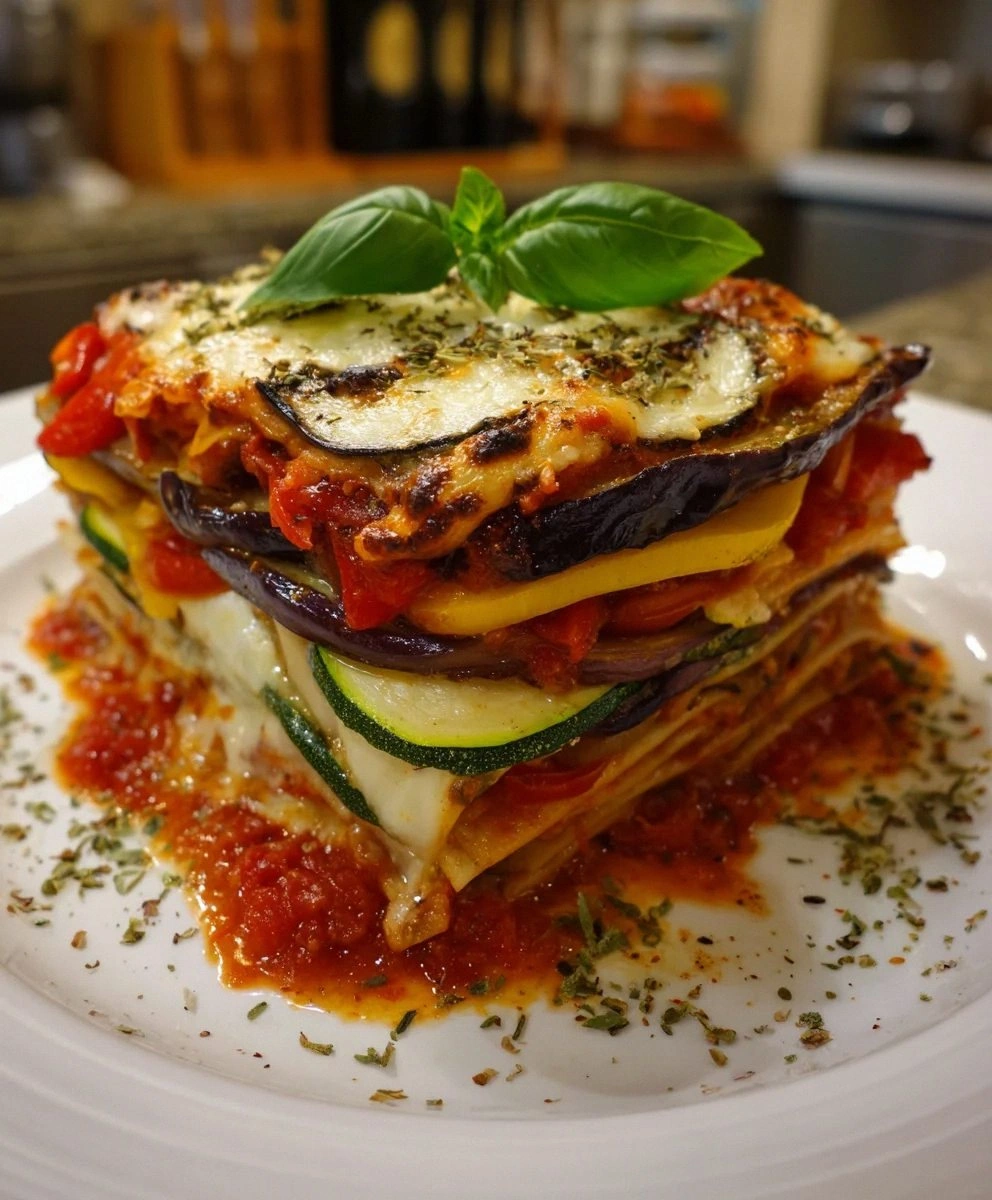
- Color-Pop Presentation: Stripes of purple eggplant, sunset peppers, and emerald zucchini mean you can Instagram it without a filter and still break the internet.
Alright, let's break down exactly what goes into this masterpiece...
Inside the Ingredient List
The Flavor Base
Eggplant is the silky backbone of this lasagna. When roasted, its spongy interior collapses into custardy pockets that soak up marinara like a loyal friend. Skip it and you’ll lose that luxurious, almost meaty heft that makes the dish feel substantial. Choose glossy, heavy eggplants with tight skin — if they’re soft and wrinkled, they’re past their prime and will taste bitter. No need to salt modern varieties unless you enjoy pointless rituals; just cube, oil, and let the oven do the work.
The Texture Crew
Zucchini walks the line between tender and toothsome. Slice it into coins, not planks, so every forkful gets a little squash smile. Under-roast and it’ll weep; over-roast and it shrivels into sad shoelaces — we’re aiming for golden edges and a still-plump center. Yellow squash swaps in seamlessly if that’s what your garden hurled at you. And here’s a confession: I once used gigantic overgrown zucchini, scooped out the watery core, and the result was still stellar — so don’t stress the perfect specimen.
The Color Explosion
Red and yellow bell peppers aren’t just eye candy; they’re sweet bombs that caramelize into candy-like strips. Roast them skin-side up until the edges blister black — those charred bits flake off and taste like smoky pepper jerky. Green peppers are too grassy for this party, so leave them out unless you want lasagna that tastes like a bell pepper protest. If you’re feeding a pepper-phobe, swap in roasted carrots for sweetness, but you’ll lose that Mediterranean vibe.
The Creamy Dream Team
Ricotta is the cloud layer. Buy the whole-milk stuff in a tub, not the plastic-wrapped brick that tastes like refrigerator. Whip it with a fork for 20 seconds and it goes from dense to spreadable velvet. Mozzarella should be low-moisture, pre-shredded is fine, but if you want those epic cheese pulls, grab a block and shred it yourself while dancing to bad 80s music. Parmesan brings the umami punch — grate it fresh or we can’t be friends.
Everything's prepped? Good. Let's get into the real action...
The Method — Step by Step
- Crank your oven to 450°F (230°C) — yes, that hot. While it heats, line the biggest sheet pan you own with parchment. Pile on diced eggplant, zucchini coins, and pepper strips. Drizzle with enough olive oil to make everything glisten like it’s heading to a beach photo shoot. Sprinkle salt, pepper, and a whisper of dried oregano. Toss with your hands, then spread into a single layer; crowded veg will steam, not roast. Slide the pan in and roast for 20 minutes, flipping once halfway. You’re looking for golden edges and the smell of summer in the south of France.
- While the vegetables work their magic, mix the ricotta filling. Dump the whole tub into a bowl, add one egg (it sets the layer), a fistful of grated Parmesan, a teaspoon of dried basil, and a sneaky pinch of nutmeg. Stir until it looks like fluffy clouds you want to nap on. Taste it — I dare you to taste this and not go back for seconds. If it needs salt, add a pinch; remember the cheeses bring salt later.
- Lower the oven to 375°F (190°C) once veg are done. In a 9×13 baking dish, ladle a thin smear of marinara on the bottom — just enough to prevent noodle cling. Lay down your first row of dry lasagna noodles like dominoes. No gaps; break noodles to fit like puzzle pieces. This next part? Pure magic. Those noodles will drink the sauce and vegetable juices, so they emerge al dente, not gummy.
- Spoon half the roasted vegetables over the noodles, spreading into an even blanket. Dollop half the ricotta mixture on top and gently smooth with an offset spatula or the back of a spoon. Don’t stress perfect coverage; the oven will marry everything. Scatter a generous handful of shredded mozzarella like you’re making it snow cheese. Drizzle a few spoonfuls of marinara — not too much, we’re layering, not swimming.
- Repeat the layers: noodles, remaining veg, remaining ricotta, more mozzarella, and a final cloak of marinara. Finish with a snowstorm of Parmesan that’ll crisp into a golden frisbee. Press the top gently with your palms to squish out air pockets. Cover the dish with foil, tenting it so it doesn’t stick to the cheese crown. Slide into the middle rack and bake 25 minutes covered, then uncover and bake 15 minutes more until the top is freckled and the sauce is bubbling like a jacuzzi.
- The hardest step: let it rest 10 minutes. I know, the aroma is taunting you, but resting sets the layers so your first cut yields neat squares, not an avalanche. Use the time to mince fresh basil and pour wine. When you finally slice, the layers should hold like geological strata, cheese stretching like taffy. Serve with a shower of basil and a crack of black pepper. That sizzle when it hits the pan? Absolute perfection.
That's it — you did it. But hold on, I've got a few more tricks that'll take this to another level...
Insider Tricks for Flawless Results
The Temperature Rule Nobody Follows
Most recipes say 350°F — ignore them. Starting at 450°F for the roast concentrates flavors through rapid caramelization, then dropping to 375°F for baking prevents the bottom from scorching while the noodles hydrate. It’s like searing steak before finishing in the oven: high heat for flavor, moderate heat for even cooking. My neighbor baked at 325°F once and served vegetable soup lasagna — don’t be that guy.
Why Your Nose Knows Best
Trust aroma checkpoints more than timers. When the vegetables smell like pepperoni pizza, they’re done. When the lasagna smells like the cheese is turning nutty, uncover it. When the basil garnish hits hot cheese and perfumes the kitchen, you’re 30 seconds from peak deliciousness. Ovens vary, noses don’t — unless you have a cold, then order takeout.
The 5-Minute Rest That Changes Everything
I tested slicing immediately versus resting 5 and 10 minutes. The 10-minute rest yielded clean layers that held their shape even when I jiggled the plate like an overexcited toddler. Five minutes still gave a cheesy landslide. Ten feels eternal, so set a timer and go scroll memes — it’s worth it.
Creative Twists and Variations
This recipe is a playground. Here are some of my favorite ways to switch things up:
Greek Island Edition
Swap marinara for a quick sauce of crushed tomatoes, cinnamon, and a bay leaf. Add a layer of wilted spinach and crumbled feta between veg and cheese. Top with a yogurt-egg drizzle (think pastitsio cap) for a tangy finish that’ll transport you to Santorini.
Smoky Spanish Remix
Replace oregano with smoked paprika and a pinch of saffron soaked in warm water. Use Manchego instead of Parmesan and add roasted piquillo peppers. The result tastes like paella decided to become lasagna — and it’s fabulous with chilled sangria.
Protein-Power Boost
Stir a cup of cooked lentils into the marinara for heft without meat. Or layer in slices of grilled halloumi that squeak between your teeth like cheese curds. Carnivores can add crumbled spicy chorizo on top for the final 10 minutes — the paprika oils seep into the cheese like edible lava lamps.
Storing and Bringing It Back to Life
Fridge Storage
Cool completely, then cut into squares and refrigerate in airtight glass containers. It keeps 4 days, though mine never survives 2. Reheat single portions in the microwave for 90 seconds with a damp paper towel over the top — the steam revives the noodles without rubberizing the cheese.
Freezer Friendly
Wrap individual slices in plastic, then foil, and freeze up to 2 months. Thaw overnight in the fridge, then reheat at 350°F covered with foil until hot in the center — about 25 minutes. Add a fresh sprinkle of mozzarella for that just-baked melt.
Best Reheating Method
Oven beats microwave for texture, but skillet wins for speed. Heat a non-stick pan over medium, add a slice, splash 2 tablespoons water around the edge, and cover. The steam rehydrates, the bottom crisps like frico, and you’re eating in 5 minutes flat.