It started on a rainy Thursday when I was juggling a pot of pasta, a bag of broccoli, and a stubborn sauce that refused to coat. The broccoli had been left in the fridge for days, its florets stiff and uninviting, while the sauce was thick enough to stick to the bottom of the pan like a stubborn scar. I laughed at the chaos, then stared at the ingredients on my counter and thought, “What if I could turn this mess into something that feels like a hug?” That moment of culinary curiosity sparked a recipe that would become my go-to comfort dish.
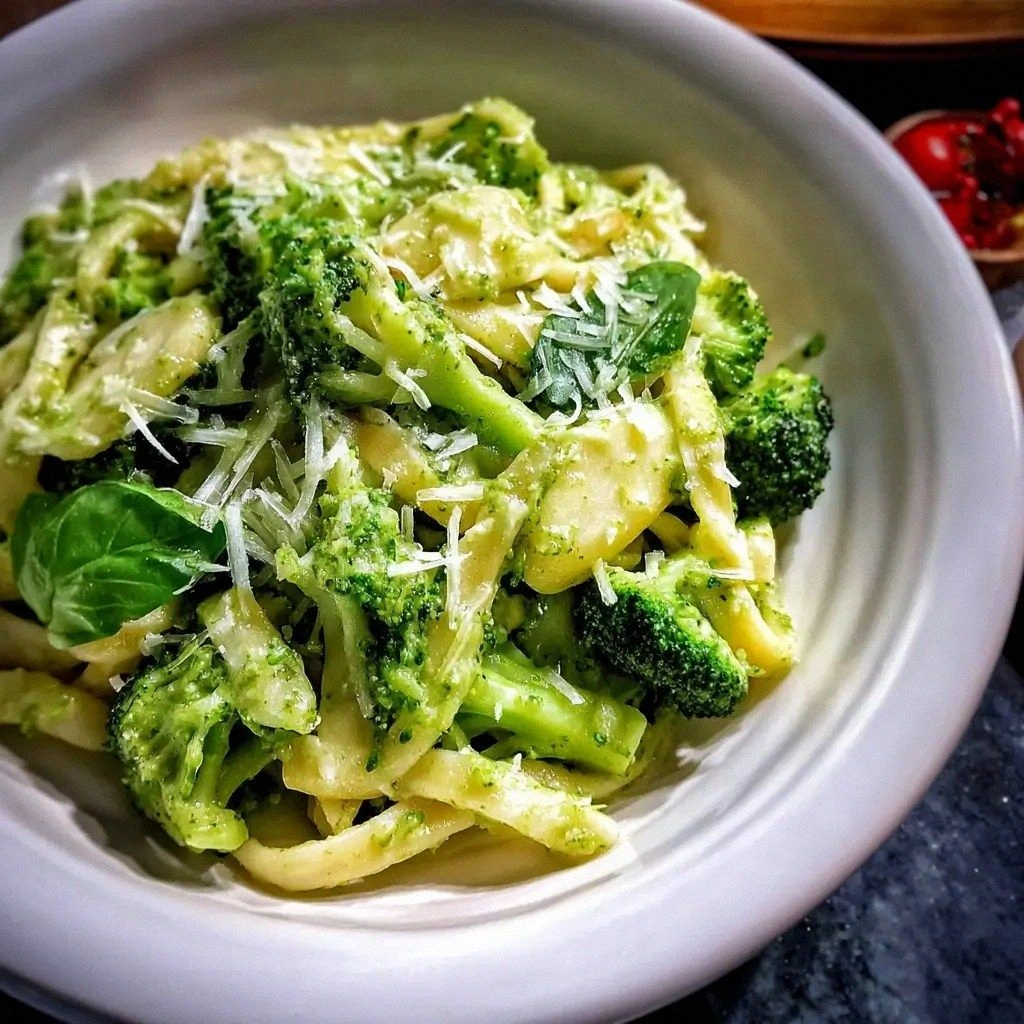
Imagine the kitchen filling with the scent of garlic sizzling in olive oil, the sound of pasta bubbling like a small, contented choir, and the sight of broccoli turning a vibrant green as it steams in the pot. The texture of the noodles—slightly al dente—meets the creamy sauce that coats them like velvet, while the broccoli offers a satisfying snap that shatters like thin ice. The taste is a harmonious blend of savory broth, sharp parmesan, and a bright citrus lift from lemon zest, all balanced by a subtle heat from red pepper flakes. The feel of the dish in your hands, the warmth of the steaming bowl, and the anticipation of that first bite make it almost a ritual.
What makes this version stand out isn’t just the combination of flavors; it’s the method that turns a simple one-pot meal into a masterpiece. By cooking the pasta directly in broth and finishing it with a splash of milk, the starches release naturally, thickening the sauce without the need for heavy cream or roux. The addition of a small amount of butter at the end gives a silky sheen that glistens like polished gold. And the final flourish of fresh parsley and a pinch of nutmeg adds a fragrant, almost aromatic complexity that most one-pot dishes miss. It’s a dish that feels luxurious yet requires minimal cleanup, making it a dream for busy weeknights.
There’s a secret ingredient you probably haven’t considered: a dash of lemon zest that brightens the entire dish, making the broccoli pop and the sauce feel fresh. I dare you to taste this and not go back for seconds. By the end of this guide, you’ll wonder how you ever made it any other way.
What Makes This Version Stand Out
- Taste: The sauce is a velvety blend of parmesan, milk, and a splash of lemon that lifts the dish with every bite. It’s rich without being heavy, thanks to the careful balance of broth and dairy.
- Texture: The pasta remains al dente, while the broccoli stays crisp yet tender, creating a delightful contrast that keeps the mouth moving.
- Simplicity: One pot, one pan, one stove—no separate sauce or side dishes. Clean-up is almost nonexistent, saving you precious time after dinner.
- Uniqueness: The combination of lemon zest, nutmeg, and a touch of butter gives this dish a signature flavor profile that sets it apart from standard broccoli pasta.
- Crowd Reaction: Friends rave about the “velvet sauce” and the “bright, crisp broccoli,” and I’ve had to keep a stash of extra servings for guests.
- Ingredient Quality: Using fresh broccoli, high‑quality parmesan, and a good olive oil elevates the dish to a restaurant‑style experience.
Inside the Ingredient List
The Flavor Base
The foundation of this dish starts with a simple sauté of diced onion and minced garlic in olive oil. The onion’s sweetness caramelizes slightly, creating a mellow backdrop for the garlic’s sharpness. Together, they release a fragrant aroma that signals the start of something delicious. Skipping this step results in a sauce that feels flat and unremarkable.
If you prefer a deeper flavor, consider adding a pinch of dried oregano or thyme during the sauté. This small tweak introduces an herbal nuance that complements the broccoli’s earthiness. However, be careful not to overpower the dish; the goal is balance, not dominance.
The Texture Crew
Broccoli florets are the star of the show, bringing both color and crunch. Fresh broccoli offers a bright green hue and a satisfying snap, whereas frozen florets may become mushy if overcooked. For the best texture, blanch fresh broccoli in salted boiling water for two minutes, then shock in ice water to preserve its vibrant color and crispness.
Pasta is the vehicle that carries the sauce and broccoli together. I recommend using medium‑cut shapes like penne or fusilli, which hold sauce well and provide a pleasing bite. Using short pasta like macaroni can result in a mushy texture, especially if the dish is left to sit.
The Unexpected Star
A splash of milk or cream is the secret to that silky, velvety sauce. The dairy hydrates the starch released from the pasta, thickening the broth into a luscious coating. If dairy is a concern, you can replace milk with a plant‑based alternative like oat or cashew milk; just be aware the flavor will shift slightly.
Butter is optional but highly recommended for that glossy finish. Adding a tablespoon of butter at the end of cooking allows the sauce to coat the noodles like a fine glaze, enhancing both flavor and mouthfeel. If you’re watching calories, you can skip the butter and still enjoy a satisfying dish.
The Final Flourish
Lemon zest and juice provide a bright, citrusy lift that cuts through the richness of the cheese and butter. The zest’s essential oils add a fragrant aroma, while the juice adds a tang that balances the dish’s overall flavor profile. If you’re not a fan of citrus, you can replace lemon zest with a splash of white wine for a subtle acidity.
Fresh parsley, chopped at the end, adds a pop of color and a hint of herbal freshness that rounds off the dish. It also provides a subtle peppery note that complements the red pepper flakes if you choose to add them. The final touch of a pinch of nutmeg brings a warm, nutty undertone that is both comforting and sophisticated.
Everything’s prepped? Good. Let’s get into the real action…
The Method — Step by Step
- Heat the olive oil in a large, heavy‑bottomed pot over medium heat until shimmering. Add the diced onion and sauté until translucent, about 4–5 minutes. The onions should soften without browning, releasing a sweet aroma that signals the base is ready. Stir occasionally to prevent sticking and ensure even cooking.
- Add the minced garlic and cook for an additional 30 seconds, just until fragrant. Watch the garlic closely; it can burn quickly and impart a bitter taste. This brief sauté allows the garlic to mellow, blending seamlessly into the sauce. The pot should emit a warm, inviting scent.
- Pour in the pasta and stir to coat each strand with the oil and aromatics. Add the vegetable or chicken broth, ensuring the pasta is submerged. Bring the mixture to a rolling boil, then reduce the heat to a gentle simmer. Keep an eye on the pot—if it boils too vigorously, the pasta may spill over.
- Add the broccoli florets, cover the pot, and let the mixture simmer for 10–12 minutes, or until the pasta is al dente and the broccoli is tender yet still crisp. Stir occasionally to prevent sticking. The broth will reduce slightly, thickening the sauce as the pasta cooks.
- Stir in the milk or cream, grated parmesan, and butter. The sauce should thicken into a silky coating that clings to the noodles. The mixture should have a smooth, glossy consistency. The butter will melt, creating a sheen that enhances the dish’s visual appeal.
- Season with salt, pepper, and red pepper flakes if using. Taste the sauce and adjust the seasoning as needed. The pepper flakes add a gentle heat that complements the lemon zest. This step is crucial for balancing the dish’s flavors.
- Add the lemon zest, lemon juice, and chopped parsley. Stir until the zest is evenly distributed and the parsley is bright green. The lemon will brighten the dish, while the parsley adds a fresh, herbal note. The mixture should look vibrant and appetizing.
- Serve immediately in bowls, topping with extra parmesan and a drizzle of olive oil if desired. The dish should feel warm, comforting, and ready to devour. Pair it with a simple green salad or crusty bread for a complete meal.
That’s it—you did it. But hold on, I’ve got a few more tricks that will take this to another level…
Insider Tricks for Flawless Results
The Temperature Rule Nobody Follows
Many cooks jump straight to high heat, but simmering at a low, steady temperature is key to developing a rich, cohesive sauce. A gentle simmer allows the pasta to release starch gradually, thickening the broth without scorching. If the pot starts to boil vigorously, reduce the heat immediately and stir. This small adjustment ensures the sauce remains silky and doesn’t separate.
Why Your Nose Knows Best
Your sense of smell is a reliable indicator of doneness. When the sauce smells nutty and slightly caramelized, it’s ready to go. A sharp, raw garlic scent means it’s undercooked, while a burnt aroma signals overcooking. Trusting your nose can save you from a ruined dish.
The 5-Minute Rest That Changes Everything
After you remove the pot from heat, let the dish rest for five minutes before serving. This resting period allows the flavors to meld and the sauce to thicken slightly, creating a richer mouthfeel. I’ve seen friends who skip this step complain that their pasta feels watery. Give it that brief pause, and you’ll taste the difference.
Quick Broccoli Prep Hack
If you’re pressed for time, use pre‑cut broccoli florets from the grocery store. They’re usually pre‑washed and trimmed, which saves a few minutes of prep. Just be sure to rinse them under cold water before adding to the pot to avoid excess moisture.
Cheese Swap for a Milder Bite
If you prefer a less intense cheese flavor, substitute half the parmesan with shredded mozzarella. Mozzarella melts smoothly, giving the sauce a milder, creamier profile. The combination of the two cheeses provides a balanced richness that’s both comforting and elegant.
Creative Twists and Variations
This recipe is a playground. Here are some of my favorite ways to switch things up: Cheesy Broccoli & Sausage: Add sliced Italian sausage or crumbled bacon during the sauté step for a meaty, smoky flavor that pairs beautifully with the pasta. Creamy Pesto Broccoli Pasta: Stir in a couple of tablespoons of basil pesto at the end for a green, herbaceous twist that brightens the dish. Vegan Version: Replace milk with oat milk, use vegan parmesan, and skip the butter for a plant‑based delight that still feels indulgent. Spicy Kick: Add chipotle powder or a dash of sriracha for a smoky heat that complements the lemon zest. Mediterranean Twist: Fold in sliced Kalamata olives, capers, and a splash of white wine to give the dish an island vibe. Each variation offers a new flavor profile while keeping the core technique intact.
Storing and Bringing It Back to Life
Fridge Storage
Cool the pasta to room temperature, then transfer it to an airtight container. Store in the refrigerator for up to four days. The sauce may thicken slightly, so a splash of milk or broth before reheating will restore its silky texture.
Freezer Friendly
For longer storage, freeze the dish in a freezer‑safe container for up to two months. When you’re ready to eat, thaw overnight in the refrigerator, then reheat on the stove with a splash of water. The pasta will rehydrate nicely, and the sauce will regain its original consistency.
Best Reheating Method
Reheat the pasta in a saucepan over low heat, stirring frequently. Add a small splash of milk or broth to loosen the sauce and prevent it from drying out. Heat until the pasta is steaming hot and the sauce is glossy. Serve immediately for the best flavor and texture.