Picture this: I’m in the middle of a late‑night kitchen, the fridge lights flicker, and the scent of cumin and garlic hangs in the air like a promise. I’ve been chasing that perfect “spicy beef curry” for months, testing countless variations, but each time I either over‑spice it or leave it bland. Then one evening, after a disastrous attempt with too much chili powder that made my eyes water, I decided to flip the script. I added a splash of coconut milk, a squeeze of lime, and a dash of garam masala, and the whole dish transformed into a symphony of heat, creaminess, and bright citrus.
I dare you to taste this and not go back for seconds. The first bite hits with a warm, savory base that feels like a cozy blanket, then the fiery undertone bursts like a fireworks display, and finally the lime finish leaves a lingering freshness that keeps your palate dancing. The texture is a delightful contrast: tender beef chunks nestled in a silky sauce that clings to the edges of your spoon like velvet. The aroma alone—roasted onions, toasted spices, and the faint sweetness of tomatoes—draws you in before you even take a bite. This isn’t just another curry; it’s a bold, unapologetic flavor explosion that will make your taste buds do a happy dance.
What makes this version stand out is not just the ingredients, but the way they’re layered and the timing of each addition. Most recipes get this completely wrong by adding all the spices at once, which washes out the individual notes. I simmer the beef until it’s caramelized, then introduce the aromatics, and finally finish with the coconut milk and fresh herbs. The result is a sauce that coats the beef like a glossy coat, each bite bursting with depth and complexity. If you've ever struggled with balancing heat and flavor in a curry, you're not alone—and I've got the fix. I’ll be honest—after my first batch, I ate half the pot before anyone else even got a spoon.
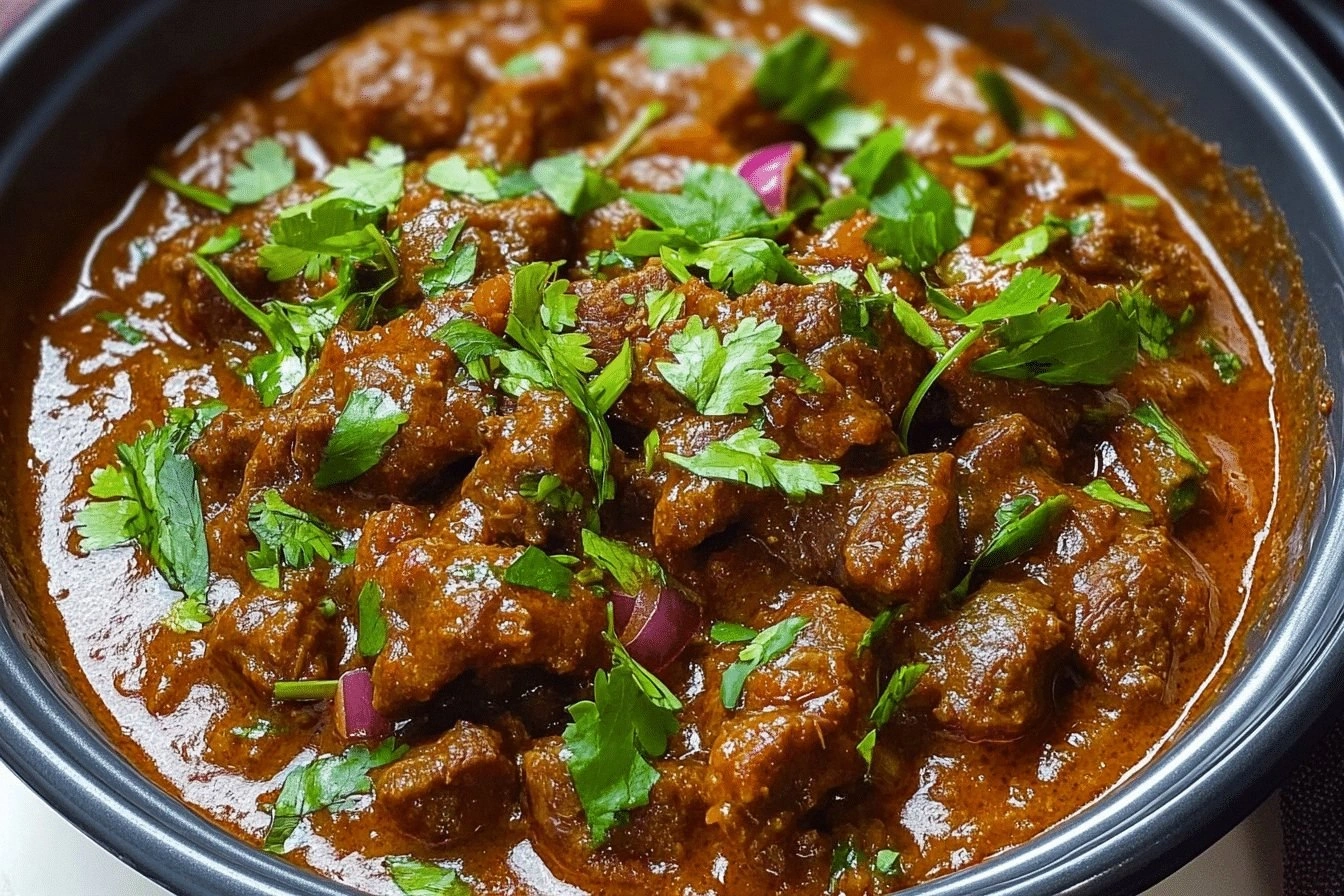
Picture yourself pulling this out of the stove, the whole kitchen smelling incredible, and a plate of steaming, golden curry ready to be served. The heat is just right, the texture is silky yet substantial, and the bright lime finish makes it feel fresh and vibrant. And that final splash of cilantro? It’s the cherry on top, adding a pop of color and a whisper of herbal brightness. Okay, ready for the game‑changer? Let me walk you through every single step—by the end, you'll wonder how you ever made it any other way.
What Makes This Version Stand Out
- Flavor Depth: By caramelizing the beef first, we develop a rich, umami base that carries the spices beautifully.
- Heat Balance: A measured amount of chili powder combined with fresh chilies gives a clean, sustained heat without overwhelming.
- Texture Contrast: Tender beef chunks paired with a silky sauce create a mouthfeel that’s both comforting and exciting.
- Fresh Finish: A squeeze of lime at the end brightens the dish and cuts through the richness.
- Ingredient Quality: Fresh, high‑quality spices and organic beef make all the difference in flavor intensity.
- Make‑Ahead Friendly: The curry actually tastes better the next day, making it ideal for meal prep.
- Quick Prep: The entire process takes less than an hour from start to finish, perfect for busy weeknights.
- Versatility: Works wonderfully with rice, naan, or even cauliflower rice for a low‑carb twist.
Inside the Ingredient List
The Flavor Base
Beef, whether cubed or ground, is the star that carries the entire sauce. Choosing a slightly fatty cut like chuck adds depth and keeps the dish moist. If you skip the beef, the curry turns into a thin, sauce‑heavy stew that lacks substance. For a leaner option, use sirloin, but keep the cooking time short to avoid toughness.
Onion, diced finely, releases sweetness that balances the heat. A medium onion is ideal; too small and it won’t provide enough flavor, too large and it can overpower the spices. If you’re in a hurry, use pre‑chopped onion, but fresh is best for aroma.
Garlic and ginger are the aromatic backbone. Minced garlic (about three cloves) adds a pungent kick, while grated ginger (one tablespoon) brings a bright, zesty note. Together, they form a fragrant foundation that lingers on the tongue.
The Texture Crew
Tomatoes, chopped into medium pieces, provide acidity and a subtle sweetness. Two medium tomatoes are enough to give body without drowning the spices. If you prefer a smoother sauce, puree the tomatoes before adding.
Tomato paste (two tablespoons) deepens the color and concentrates the flavor. It’s the difference between a light sauce and a rich, velvety coating on the beef. Skipping it will leave the curry feeling thin.
Coconut milk (one cup) introduces creaminess and balances the heat. A full‑fat version works best for a silky texture. If you’re watching calories, opt for light coconut milk but be prepared for a slightly thinner sauce.
The Unexpected Star
Garam masala (one teaspoon) is the secret weapon that ties all the spices together. It adds warmth, depth, and a subtle nutty undertone that elevates the dish. If you’re out of garam masala, a pinch of toasted cumin seeds can mimic its flavor.
Fresh cilantro (a quarter cup, chopped) and a squeeze of lime juice are added at the end to brighten the dish. Cilantro’s herbal freshness cuts through the richness, while lime provides a citrusy lift. Skipping them will leave the curry feeling heavy.
The Final Flourish
A dash of sugar (one teaspoon) balances the acidity of the tomatoes and the heat of the chilies. It’s a small touch that creates harmony. If you prefer a savory profile, omit the sugar and add a splash of soy sauce for umami.
Salt and pepper to taste are essential for seasoning. They’re the unsung heroes that bring all the flavors together. Don’t be shy; a little salt is the difference between a bland and a vibrant curry.
Everything's prepped? Good. Let's get into the real action...
The Method — Step by Step
- Heat the skillet. Place a heavy‑bottom cast‑iron skillet over medium‑high heat and add two tablespoons of vegetable oil. Watch for a faint shimmer; this means the oil is hot enough to sear. This step is crucial for developing a caramelized crust on the beef, which adds depth.
- Brown the beef. Add the beef cubes to the skillet in a single layer, ensuring they’re not overcrowded. Let them sear undisturbed for 3-4 minutes on one side before flipping. The goal is a golden brown sear, not a quick brown. This builds flavor and texture.
- Introduce aromatics. Push the beef to the sides, pour a splash of oil into the center, and add diced onion, minced garlic, and grated ginger. Sauté until the onion turns translucent and the mixture smells toasty. The aromatics should not burn; keep the heat moderate.
- Layer the spices. Sprinkle cumin, coriander, turmeric, garam masala, and chili powder evenly over the sautéed aromatics. Stir constantly for 1 minute to toast the spices, releasing their essential oils. This step is the flavor backbone of the dish.
- Add tomatoes and paste. Stir in chopped tomatoes and two tablespoons of tomato paste. Cook until the tomatoes soften and the paste melds with the spices, forming a thick, fragrant sauce. The sauce should thicken slightly; if it’s too watery, let it simmer for a couple of minutes.
- Simmer with coconut milk. Pour in one cup of coconut milk, stir to combine, and bring the mixture to a gentle simmer. Reduce the heat to low and let it bubble for 15 minutes, allowing the flavors to meld and the beef to become tender. The sauce should coat the beef like a glossy coat.
- Season and finish. Add salt and pepper to taste, then stir in chopped cilantro and a squeeze of lime juice. The lime brightens the dish, cutting through the richness. Taste and adjust seasoning if needed.
- Serve and enjoy. Ladle the curry over steamed rice or warm naan. Garnish with extra cilantro if desired. The aroma alone will make your guests swoon.
That's it — you did it. But hold on, I've got a few more tricks that'll take this to another level. Stick with me for insider tips that will elevate your curry game even further.
Insider Tricks for Flawless Results
The Temperature Rule Nobody Follows
Cooking the beef at a high initial heat for a short time caramelizes the surface, locking in juices. After searing, reduce the heat to low to finish cooking gently. This keeps the meat tender and prevents it from becoming rubbery. A friend tried cooking on low from the start and the beef turned out tough.
Why Your Nose Knows Best
Smell the spices before you add them. If they’re too pungent, they’ll dominate the dish. Toasting them lightly releases their oils, mellowing the flavor. I’ve learned to sniff the cumin until it smells nutty, not sharp.
The 5-Minute Rest That Changes Everything
Let the curry sit for five minutes after turning off the heat. The residual heat continues to meld flavors, and the sauce thickens slightly. I always keep a spoon handy to stir just before serving.
The Secret to a Silky Sauce
If you notice the sauce separating, whisk in a tablespoon of plain yogurt or a splash of heavy cream. This emulsifies the fats and brings a silky mouthfeel. I’ve used this trick to rescue a batch that was on the brink of splitting.
The Final Lime Pop
Add lime juice right before serving to keep the acidity bright and fresh. Adding it too early can cause the lime flavor to mellow. I always squeeze a lime, taste, and adjust.
Creative Twists and Variations
This recipe is a playground. Here are some of my favorite ways to switch things up:
Coconut‑Rice Fusion
Serve the curry over coconut‑infused rice for a tropical twist. The coconut in both the sauce and the rice creates a harmonious flavor profile that’s perfect for beach vibes. My friends love it during summer get‑togethers.
Spicy Peanut Version
Add a tablespoon of peanut butter to the sauce for a nutty depth. Replace half the coconut milk with a splash of soy sauce for an Asian flair. This variation is great for those who crave a protein‑rich, savory kick.
Vegetarian Swap
Replace beef with firm tofu or tempeh, and use vegetable broth instead of coconut milk. The tofu absorbs the spices beautifully, creating a plant‑based masterpiece. It’s a crowd‑pleaser at potlucks.
Low‑Calorie Lightness
Use light coconut milk and skip the sugar. Add extra vegetables like bell peppers or spinach for volume without extra calories. This version is great for those watching their waistline.
Gluten‑Free Twist
Serve over cauliflower rice or quinoa instead of regular rice. The mild flavor of quinoa complements the spices, while cauliflower keeps the dish low in carbs. It’s a perfect dinner for a gluten‑free family.
Smoky Charred Variation
Char the onions and tomatoes on a grill before adding them to the curry. The smoky char adds depth and complexity. This version is ideal for grill‑obsessed cooks.
Storing and Bringing It Back to Life
Fridge Storage
Cool the curry to room temperature, then refrigerate in an airtight container for up to 4 days. The flavors deepen overnight, making it even more delicious. Store separately if you want to keep the rice fresh.
Freezer Friendly
Freeze the curry in portioned containers for up to 3 months. Thaw overnight in the fridge, then reheat gently. The sauce stays silky, and the beef remains tender.
Best Reheating Method
Reheat on the stove over low heat, adding a splash of water or coconut milk to loosen the sauce. Stir until hot and fragrant. The tiny splash of water helps steam the dish back to perfection.