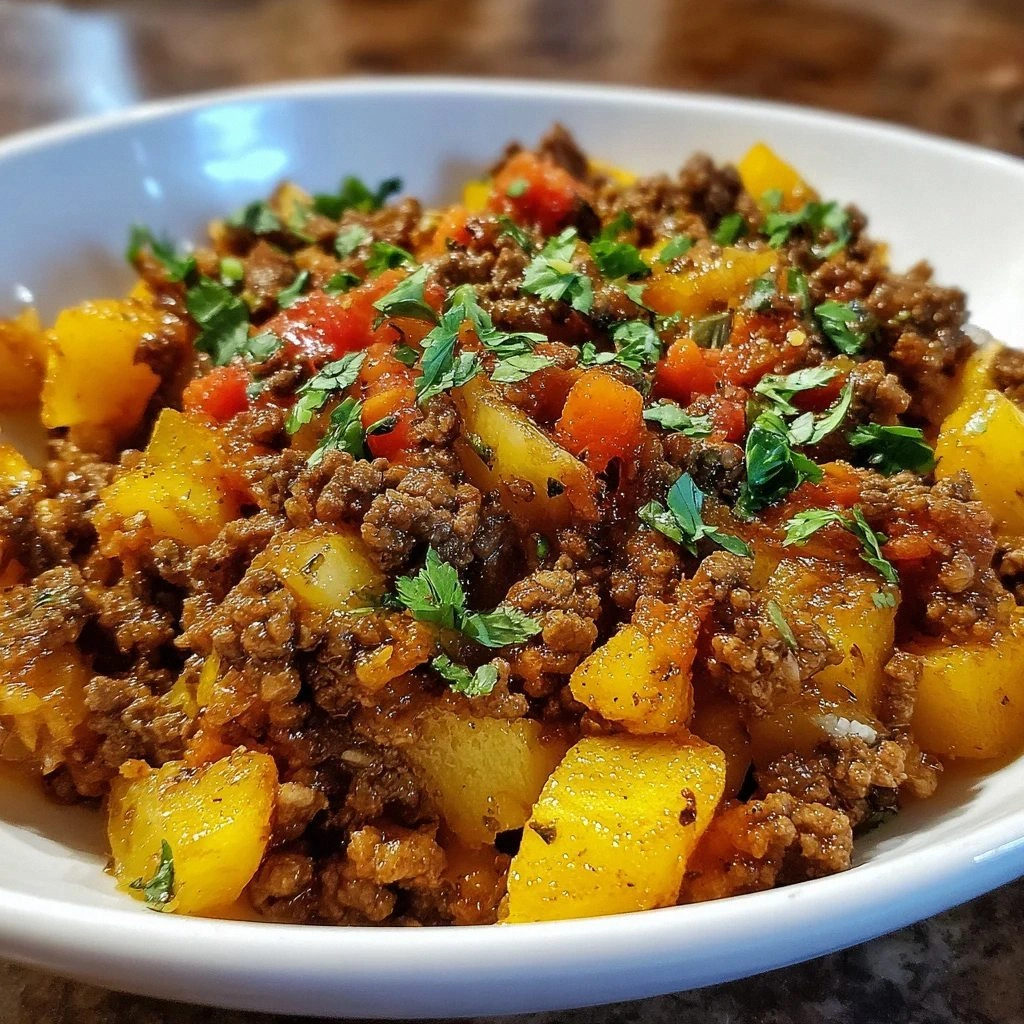
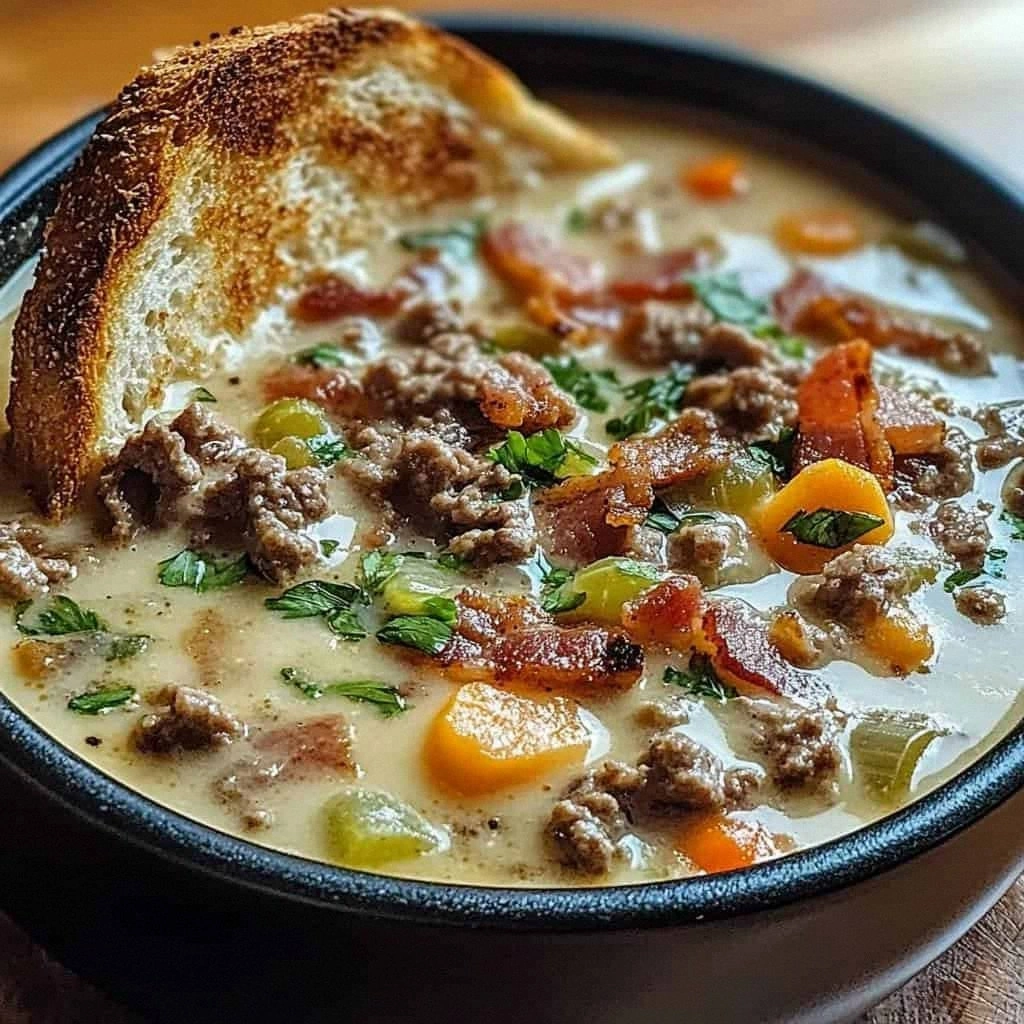
Picture this: I’m standing in a cramped kitchen, a pan sizzling on the stove, and a pot of cauliflower rice that looks like a cloud of white fluff. The aroma of garlic and onion is already mingling with the faint scent of shrimp, but then—boom—my cauliflower starts to stick to the pan like a stubborn roommate who never leaves. I’ve tried every trick in the book, from pre‑cooking the florets to using a non‑stick pan, yet the rice still clumps. I was about to give up when a friend dared me to create a fried rice that would make the whole house smell like a bustling Asian market. I took the challenge, and the result? A dish that practically sings in your mouth.
The first bite of this cauliflower fried rice is a revelation: a crisp, buttery bite of cauliflower that’s been sautéed until golden, paired with succulent shrimp that still has that fresh, briny snap. The sauce, a silky blend of soy and sesame oil, coats every grain like velvet, while the peas and carrots add a pop of color and a subtle crunch that’s almost a playful wink to your palate. The eggs are folded in just right, creating silky ribbons that tie the whole dish together. And the finishing touch? A sprinkle of green onions that brings a fresh, almost citrusy brightness that cuts through the richness. I swear, that sizzle when the cauliflower hits the pan is absolute perfection—an audible promise that you’re about to taste something extraordinary.
What sets this version apart from every other cauliflower fried rice recipe I’ve stumbled upon is the meticulous layering of flavors and textures. I didn’t just toss everything in the pan; I built a foundation of aromatic base, a midlayer of protein, and a final flourish that brings everything together in a harmonious chorus. The result is a dish that’s not only low‑carb and protein‑packed but also incredibly satisfying, making it a go-to for anyone craving a quick, healthy dinner that feels indulgent. I dare you to taste this and not go back for seconds. Trust me, it’s hands down the best version you’ll ever make at home.
If you’ve ever struggled with cauliflower rice sticking to the pan or found fried rice bland and mushy, you’re not alone—and I’ve got the fix. In the next sections, I’ll walk you through every single step, from selecting the perfect cauliflower to mastering the sauce that binds it all together. By the end, you’ll wonder how you ever made it any other way. Let’s dive in.
What Makes This Version Stand Out
- Flavor Depth: The double‑oil technique—olive oil for sautéing and sesame oil for finishing—creates a layered umami profile that feels like a full‑blown restaurant dish.
- Texture Contrast: The cauliflower is toasted to a light golden edge, giving a satisfying bite that contrasts with the tender shrimp and silky eggs.
- Ingredient Quality: Fresh shrimp and a whole cauliflower head keep the dish natural and free from the additives found in pre‑made rice mixes.
- Time Efficiency: Prep takes 15 minutes, cook 30 minutes—ideal for busy weeknights without sacrificing flavor.
- Make‑ahead Potential: This recipe keeps its texture when reheated, so you can cook a batch and enjoy it over several days.
- Low‑Carb Appeal: With cauliflower as the base, you get a satisfying meal that’s keto‑friendly and low in net carbs.
- Versatile Base: Swap shrimp for chicken, tofu, or even bacon for a different protein twist.
Alright, let’s break down exactly what goes into this masterpiece…
Inside the Ingredient List
The Flavor Base
The foundation of any great fried rice is the aromatic base. The onion is diced finely so that it releases its sweet, mellow flavor as it cooks, forming the sweet backdrop that balances the savory shrimp. If you skip the onion, the dish will feel flat and unbalanced—think of it as a missing chorus in a song. For a twist, try using shallots; they’re sweeter and will give the dish a subtle caramelized note.
Garlic is the next hero. Two cloves, minced, infuse the oil with a pungent, fragrant kick that lingers in every bite. If you’re sensitive to garlic, reduce it to one clove and add a pinch of garlic powder later for a milder flavor. The key is to let the garlic sauté just until aromatic—over‑cooking it turns it bitter.
The soy sauce is the umami glue that binds everything together. Three tablespoons provide a salty, slightly sweet depth that mimics the complex flavors of a traditional wok. If you’re watching sodium, switch to low‑sodium soy or tamari. Remember, soy sauce is the soul of this dish; don’t be tempted to skip it.
The Texture Crew
Cauliflower, the star of the show, is transformed into rice by pulsing it in a food processor until it reaches a coarse, rice‑like consistency. This step is crucial: too fine, and it becomes mushy; too chunky, and it feels like a salad. A medium head of cauliflower is perfect for four servings, giving you about 4 cups of “rice.” If you prefer a softer texture, pulse it a bit longer.
Frozen peas and carrots add a burst of color and a subtle sweetness. Half a cup is enough to brighten the dish without overpowering the cauliflower. If you can’t find frozen, use fresh or even canned peas, but drain them well to avoid excess moisture.
Eggs are folded in at the end, creating silky ribbons that add protein and a velvety mouthfeel. Two large eggs are ideal for four servings. If you’re vegan, you can replace eggs with tofu scramble or a plant‑based egg substitute. The key is to scramble them gently so they don’t become rubbery.
The Unexpected Star
Shrimp is the unexpected star that gives this dish its protein punch and a delightful briny snap. Trawling shrimp, peeled and deveined, adds a touch of luxury without the heaviness of pork or beef. Twelve ounces is enough for four servings, giving each bite a generous amount of shrimp. If you’re not a fan of shrimp, substitute with diced chicken breast or cubed firm tofu for a different flavor profile.
The choice between olive oil and sesame oil is deliberate. Olive oil is used for sautéing the aromatics because of its high smoke point and neutral flavor, ensuring the onions and garlic cook evenly. Sesame oil is reserved for the finishing splash; its nutty aroma elevates the dish and gives it that authentic Asian feel.
The Final Flourish
Green onions are the final flourish that adds a fresh, almost citrusy brightness. Roughly a quarter cup of chopped green onions is enough to cut through the richness and leave a clean finish on the palate. If you’re allergic to green onions, scallions work just as well. A pinch of crushed red pepper can also add a subtle heat if you like a little kick.
Everything's prepped? Good. Let's get into the real action...
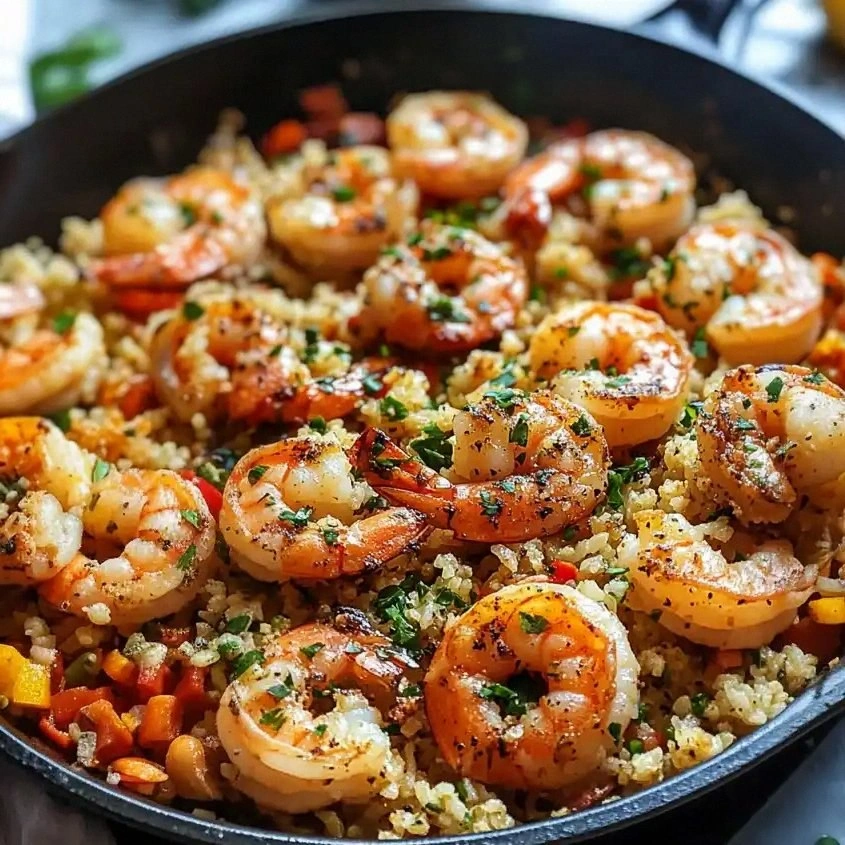
The Method — Step by Step
- Start by pulsing the cauliflower florets in a food processor until they resemble rice grains. If you don’t have a processor, finely grate the cauliflower on a box grater. The goal is a uniform texture that cooks evenly. This step takes about five minutes but is worth the effort for that perfect rice‑like consistency.
- Heat one tablespoon of olive oil in a large skillet or wok over medium heat. When the oil shimmers, add the diced onion and sauté until translucent and slightly caramelized, about four minutes. The onion should smell sweet and fragrant—this is the base of your flavor.
- Add the minced garlic to the pan and stir constantly to prevent burning. Cook for 30 seconds until the aroma is unmistakably garlicy. Now is a good time to toss in the cauliflower rice; stir to coat it in oil and aromatics. Let it cook, stirring occasionally, until the cauliflower turns a light golden brown, about six minutes. The edges should look crisp but not burnt.
- Push the cauliflower to one side of the pan and pour in the shrimp. Season the shrimp with a pinch of salt and pepper. Let the shrimp sear for two minutes on each side until pink and opaque. The shrimp should release a subtle briny scent, signaling that it’s cooked perfectly.
- Create a well in the center of the pan and crack the two eggs into it. Scramble the eggs gently, allowing them to set just enough to fold into the rice mixture. This step creates silky ribbons that bind the dish. If you’re vegan, use a tofu scramble or a plant‑based egg substitute instead.
- Stir in the frozen peas and carrots, then pour in three tablespoons of soy sauce. Mix everything together, ensuring the sauce coats the cauliflower and shrimp evenly. The dish should look glossy and slightly moist, but not soggy. Let it cook for an additional two minutes to allow the flavors to meld.
- Drizzle one tablespoon of sesame oil over the mixture and stir to combine. The sesame oil adds a nutty aroma that elevates the dish. If you’re allergic to sesame, use a light drizzle of toasted sesame oil or a splash of toasted rice vinegar for a different note.
- Finish by sprinkling chopped green onions over the top. Give the dish a final stir to distribute the green onion evenly. The green onion adds a fresh, almost citrusy brightness that cuts through the richness. Plate the rice while it’s still hot, and serve immediately.
That's it — you did it. But hold on, I've got a few more tricks that'll take this to another level. Keep reading for insider tips and creative variations that will keep your taste buds dancing.
Insider Tricks for Flawless Results
The Temperature Rule Nobody Follows
Cooking cauliflower rice at the right temperature is essential for that perfect golden crunch. Too high, and it burns; too low, and it steams instead of searing. I always set my skillet to medium‑high for the first sauté and then drop to medium for the rest of the cooking. This two‑stage heat approach gives the cauliflower a crisp edge while keeping the interior tender.
Why Your Nose Knows Best
Before you add the soy sauce, give the pan a sniff. If it smells too raw or overly greasy, let it cook a bit longer. Your nose is a reliable indicator of when the aromatics have fully developed. A well‑developed aroma means your dish will taste deeper and more complex.
The 5‑Minute Rest That Changes Everything
After you finish cooking, let the dish rest for five minutes before serving. This resting period allows the flavors to meld and the cauliflower to firm up slightly, preventing it from becoming mushy when you plate it. I always cover the skillet loosely with foil during this rest period to keep it warm.
The Secret to Non‑Sticking Cauliflower
If you’re using frozen cauliflower rice, thaw it completely before cooking. Moisture on the surface creates steam, which leads to soggy grains. Pat the rice dry with a clean towel before adding it to the pan. This simple step ensures a crisp texture.
The Quick Protein Boost
Want to add an extra protein punch without changing the flavor profile? Sprinkle a tablespoon of toasted sesame seeds over the finished dish. They add crunch and a nutty flavor that complements the sesame oil beautifully.
Creative Twists and Variations
This recipe is a playground. Here are some of my favorite ways to switch things up:
Citrus‑Lemon Kick
Add a squeeze of fresh lemon juice and a sprinkle of zest right before serving. The citrus brightens the dish and cuts through the richness, giving it a lively, refreshing finish.
Spicy Szechuan Delight
Stir in a teaspoon of Szechuan peppercorns and a dash of chili oil during the sauté. The peppercorns give a numbing heat, while the chili oil adds depth, making this version a spicy adventure.
Thai Coconut Twist
Replace the soy sauce with coconut aminos and add a splash of coconut milk. The creamy coconut flavor pairs beautifully with the shrimp, creating an exotic, tropical vibe.
Veggie‑Heavy Bowl
Swap the shrimp for diced bell pepper, zucchini, and mushrooms. This vegetarian version keeps the same flavor base and texture while adding a rainbow of vegetables for extra color and nutrition.
Breakfast‑Style Scramble
Serve the dish with a side of scrambled eggs and toast for a hearty breakfast. The savory cauliflower rice pairs wonderfully with a sunny‑side‑up egg, turning this into a brunch staple.
Storing and Bringing It Back to Life
Fridge Storage
Store the cooked dish in an airtight container in the refrigerator for up to three days. To preserve the texture, add a splash of water or broth before reheating; this prevents the cauliflower from drying out.
Freezer Friendly
Freeze the dish in freezer‑safe containers for up to two weeks. When you’re ready to eat, thaw overnight in the fridge and reheat on the stove with a splash of water. The cauliflower will regain its fluffy texture.
Best Reheating Method
Reheat the dish on medium heat, stirring frequently. Add a teaspoon of water or broth to create steam, which keeps the rice from becoming dry. Finish with a drizzle of sesame oil to restore that nutty aroma.