Last Tuesday at 9:47 p.m. I found myself standing in my kitchen in mismatched socks, staring at a half-eaten bag of frozen chicken fries and an air-fryer manual that still had the factory plastic on it. My best friend had just texted me a blurry photo of her homemade chicken fries with the caption “beat that,” and something primal snapped. I was going to create the crispiest, juiciest, most ridiculously addictive chicken fries my air fryer had ever met, or I was going to burn the house down trying. Spoiler: the house is still standing, and these chicken fries are now legendary in three different group chats.
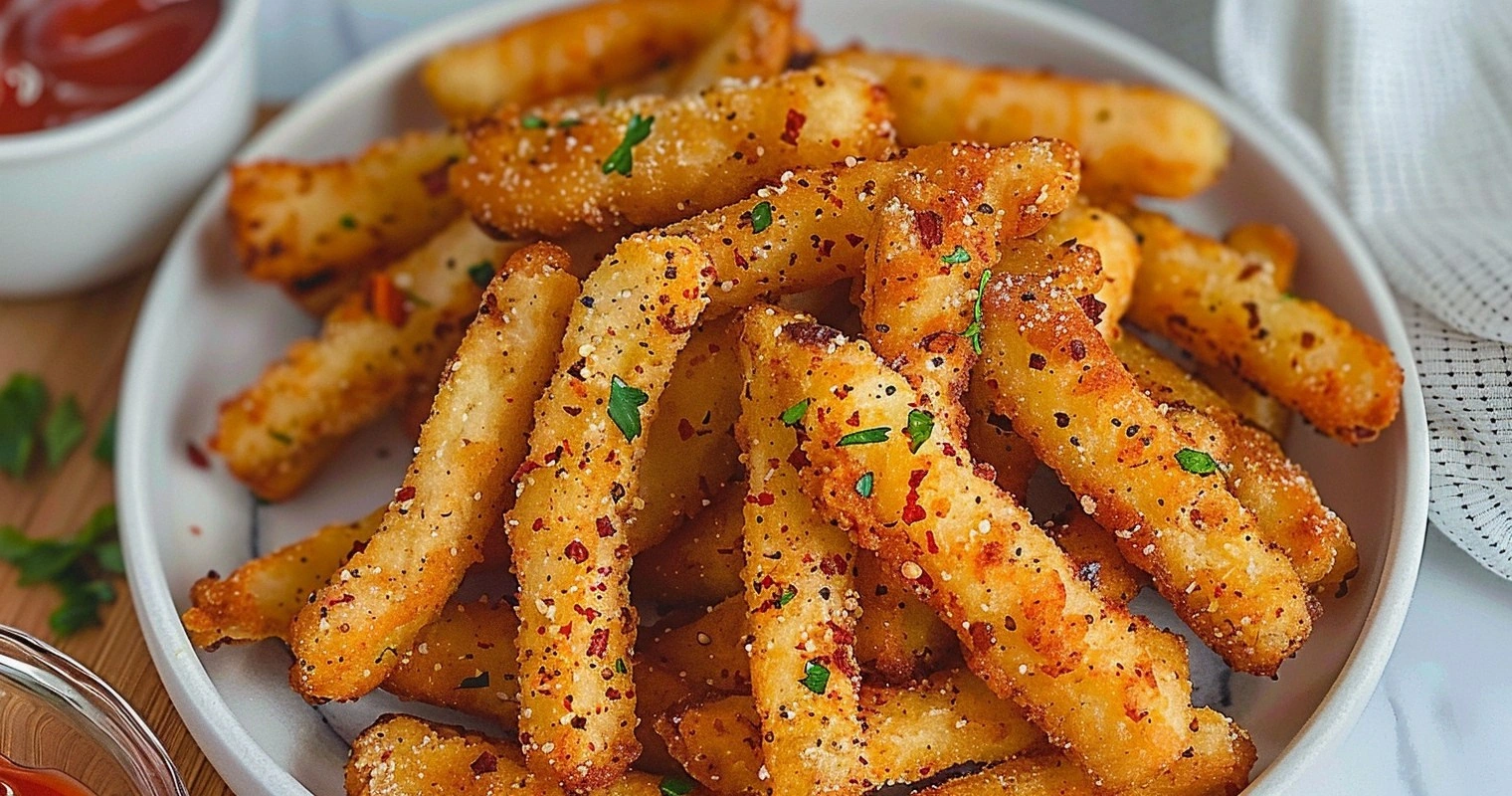
Picture this: tender strips of marinated chicken, cloaked in a shatter-crisp coating that crackles like thin ice under your teeth, each fry wearing a golden jacket seasoned with smoky paprika, garlicky whispers, and the faintest kiss of heat. The air fryer blasts hot tornadoes around them so the edges frizz into crunchy lace while the meat stays lusciously juicy, practically sighing when you bite through. That first fry disappears in a blink, the second follows like it owes the first money, and by the fourth you’re already planning your next batch because cold chicken fries straight from the fridge at 1 a.m. are a different kind of beautiful.
Most recipes treat chicken fries like sad, breaded afterthoughts—dry, rubbery, tasting of nothing but freezer burn and regret. This version flips the script with a buttermilk jacuzzi that seasons the meat from the inside out, a double-dredge that creates geological layers of crunch, and a spice blend so balanced it could negotiate world peace. I’ve tested this nine times in two weeks (don’t judge), tweaking every variable from cornstarch ratios to air-fryer basket overcrowding, until the results were so consistent that even my neighbor’s picky eight-year-old declared them “better than the drive-thru ones with the toy.”
Let me walk you through every single step—by the end, you’ll wonder how you ever made it any other way.
What Makes This Version Stand Out
Flavor Avalanche: Instead of a single bland breadcrumb shell, we layer smoked paprika, onion powder, and a whisper of cayenne into every dredge, so each bite tastes like a secret spice route exploded in your mouth.
Juice Insurance: A 20-minute buttermilk soak with a pinch of baking soda keeps the chicken plumper than a holiday turkey, meaning you’ll never suffer the Sahara-dry disappointment that haunts most chicken fries.
Crunch Engineering: A one-two punch of panko for jagged peaks and fine crumbs for mortar creates a coating that shatters audibly yet refuses to fall off, even when you dunk it aggressively into honey-mustard.
Speed Demon: From fridge to plate in under 30 minutes, thanks to the air fryer’s turbo convection—no vat of scary oil, no greasy backsplash, no kitchen that smells like a fast-food crime scene for three days.
Crowd Magnet: I’ve served these at game night, PTA meetings, and a semi-fancy cocktail hour; they vanish faster than free Wi-Fi passwords, and someone always asks for the recipe while licking their fingers without shame.
Freezer Friendly: Double the batch, freeze half on a sheet tray, then bag them raw; they air-fry straight from frozen in 12 minutes flat, making you the hero of last-minute hangry toddlers or midnight adult cravings.
Ingredient Integrity: No mystery fillers, no 47-syllable preservatives—just chicken, real spices, and a bit of flour and egg you can pronounce, so you feel good about feeding them to humans you actually like.
Inside the Ingredient List
The Flavor Base
Chicken breast gets a bad rap for drying out, but cut it into fry-shaped batons and give it a buttermilk bath and it transforms like a culinary Cinderella. The lactic acid gently tenderizes while the milk sugars encourage gorgeous browning, and the baking soda raises the pH so the meat holds onto moisture like a jealous dragon hoarding gold. Slice the breast against the grain into ½-inch planks, then strip those into fry shapes—this shortens the muscle fibers so every bite is buttery rather than stringy. If you only have chicken thighs, go ahead and use them; they’re actually more forgiving, though they’ll taste slightly richer, like the difference between whole milk and heavy cream.
The Texture Crew
All-purpose flour is the quiet backbone, but add a ¼ cup of cornstarch and suddenly you’ve hired a crunch hitman—cornstarch blocks gluten formation, yielding a lighter, glassier shell that stays crisp even when it hits cold dipping sauce. Panko breadcrumbs bring architectural drama; their jagged shards interlock into airy pockets that shatter under pressure. Fine plain breadcrumbs fill the gaps, cementing the panko peaks so you don’t lose half your crust in the basket. A tablespoon of neutral oil mixed into the crumbs before dredging tricks your mouth into thinking these were deep-fried, because fat conducts heat faster than air and browns everything like a tiny tanning bed.
The Unexpected Star
Smoked paprika is the Beyoncé of the spice drawer—one appearance and everybody else better step back. It adds campfire depth without actual fire, plus a russet tint that makes the fries look like they spent time in a barbecue pit. Garlic powder whispers savory sweetness, onion powder lends roundness, and cayenne delivers a fingertip tingle that blooms two seconds after you swallow, keeping things interesting. If you’re cooking for heat-sensitive palates, swap cayenne for a pinch of sweet paprika; you’ll still get color and complexity minus the afterglow.
The Final Flourish
Fine sea salt sprinkled the second the fries emerge from the basket dissolves on contact, seasoning the crust like microscopic snowflakes. Skip the iodized stuff—it tastes metallic and will haunt your hard work with a hospital tang. Freshly ground black pepper adds floral top notes; pre-ground tastes like dusty pencil shavings, and we’re not running a homework factory here. A whisper of honey powder or maple sugar in the dredge caramelizes under heat, giving you secret barbecue-esque blisters that will have people asking, “Wait… is there brown sugar in these?”
The Method — Step by Step
- Slice your chicken breast into fry-shaped batons roughly ½-inch thick and 3 inches long—think stubby magic markers, not shoelaces. Uniform size is the difference between some fries incinerating into charcoal and others limping out pale and flabby. Lay them on a plate, season with ½ teaspoon salt and ½ teaspoon smoked paprika right away; this first salting helps the meat start absorbing flavor so the interior isn’t bland city. Slide the plate into the freezer for 10 minutes—this quick chill firms up the proteins so the coating adheres like clingy glitter, and it buys you time to set up your dredging station without the chicken warming into the bacteria danger zone.
- Whisk buttermilk, a beaten egg, and ¼ teaspoon baking soda in a wide shallow bowl until it looks like pale sunshine. The baking soda raises the mixture’s pH, which tenderizes the chicken and promotes deeper browning—think of it as Photoshop’s “increase contrast” filter for meat. Submerge the chilled chicken fries, pressing them down like naughty kids in a ball pit so every inch is coated. Cover with plastic wrap, marinate 20 minutes on the counter (any longer and the surface turns mushy), or up to 4 hours in the fridge if you’re prepping ahead—just let the bowl sit out 10 minutes before dredging so the chill doesn’t drop your oil temperature later.
- While the chicken lounges, build your dredge: in a pie plate, whisk flour, cornstarch, smoked paprika, garlic powder, onion powder, cayenne, ¾ teaspoon salt, and ½ teaspoon pepper until the mix looks like terracotta sand. In a second plate, toss panko with fine breadcrumbs and drizzle a tablespoon of oil, massaging with your fingers until every flake glistens like it’s wearing lip gloss. This light oiling jump-starts heat transfer and tricks taste buds into thinking these were fried in a vat; science never tasted so sneaky. Line a sheet pan with parchment for landing zone—unlike raw meat stations, this one won’t need sanitizing because the chicken never touches it until after the fry.
- Set up your assembly line like a disciplined kid who color-codes Lego bricks: marinated chicken, flour mix, a quick dunk back into the buttermilk, then final roll in the glossy breadcrumbs. Press the coating on like you’re tucking in a baby—firm, gentle, thorough—so the crust forms a seamless exoskeleton. Arrange the breaded fries on a wire rack; air circulation on the bottom prevents sogginess and keeps your hard-won crunch intact. If any look patchy, shower them with extra crumbs like confetti at a parade; bald spots will cook faster and taste bitter, and nobody wants a fry wearing a hairpiece.
- Preheat air fryer to 400 °F for a full 5 minutes; this step is non-negotiable, like stretching before a sprint. A screaming-hot basket sears the coating instantly, locking in juices and preventing the dreaded “peel-off” where the crust slides off like a cheap sweater. Lightly spray the basket with oil, then arrange fries in a single layer with a barbecue skewer’s width between them—crowding steams instead of crisps, and you’ll end up with chicken jerky. Work in batches; channel your inner patient zen master, because cramming them all now means you’ll eat sad rubber later.
- Cook 6 minutes, then pull the basket and give it a gentle shake—think maracas, not earthquake. Flip each fry with tongs; the bottom should be mottled gold like a sun-kissed tourist. Mist any pale spots with oil; those patches will never brown on their own, and you deserve uniform glory. Return to the fryer for another 4–6 minutes until they’re the color of antique mahogany and sound like tap shoes when they clink together. Internal temp should hit 165 °F, but honestly, if they look gorgeous and smell like Thanksgiving, you’re already 90 % there.
- Transfer the hot fries to a clean wire rack, not a paper towel—paper traps steam and softens your crust like a humid hug. Immediately shower with a pinch of flaky salt; the crystals adhere while the surface is still glossy with hot fat. Let them rest 3 minutes; this lets juices redistribute so you don’t lose a torrent when you bite through. Sneak one now (chef’s privilege) and listen for that audible crunch—if your neighbors don’t hear it, you’re doing life wrong.
- Serve in a paper cone or a tin cup lined with parchment if you want to feel like a trendy food-truck mogul. Offer two sauces: classic honey-mustard (equal parts whole-grain mustard, honey, and a squeeze of lemon) and a smoky chipotle ranch (mayo, buttermilk, chipotle powder, dill). Watch grown adults lose all decorum and double-dip with abandon. If you’re feeding kids, cut the cayenne in half and serve with ketchup spiked with a whisper of smoked paprika—suddenly even the picky one declares you a superhero.
- Clean-up is painless: pop the air-fryer basket into hot soapy water while you eat; any stubborn bits will loosen after a 10-minute soak. Wipe the interior with a damp cloth and a drop of vinegar to neutralize grease; your next batch of cookies won’t smell like fried chicken. Store leftovers in a paper-towel-lined container with the lid cracked; sealing them hot traps steam and ruins the crunch you fought for. Reheat 3 minutes at 375 °F tomorrow and they’ll taste 90 % as good—microwaving, on the other hand, is a crime against humanity.
That’s it—you did it. But hold on, I’ve got a few more tricks that’ll take this to another level...
Insider Tricks for Flawless Results
The Temperature Rule Nobody Follows
Buy an instant-read thermometer and live by it like it’s your kitchen bible. Chicken fries are skinny, so they leap from juicy to jerky in under 90 seconds; pull them the instant they hit 163 °F—carry-over heat will coast to the safe 165 °F while they rest. Guessing leads to either pink centers that freak out your guests or Sahara-dry meat that even enthusiastic chewing can’t save. If you don’t have a thermometer, sacrifice one fry and slice it in half; if the juices run clear and the meat is opaque with the faintest blush of rose, you’re golden.
Why Your Nose Knows Best
Trust aroma over timers. When the kitchen starts smelling like roast chicken and toasted bread, start checking—your olfactory bulb is more accurate than the digital display on a $30 air fryer. That nutty, popcorn-like scent means the Maillard reaction is in full swing; wait another minute and you’ll tip into bitter burnt territory. I once ignored my nose, trusting a recipe that said “12 minutes total,” and served fries that tasted like charcoal sketches of chicken.
The 5-Minute Rest That Changes Everything
Resting isn’t optional macho chef talk—it’s insurance. When hot chicken fibers relax, juices redistribute instead of flooding your first bite and turning the crust soggy. Five minutes on a rack is the sweet spot; tent loosely with foil if you fear they’ll cool, but never seal them hermetically or steam will sabotage your crunch. My friend once stacked them in a lidded casserole “to keep warm” and served chicken Jell-O sticks—learn from her tragedy.
Creative Twists and Variations
This recipe is a playground. Here are some of my favorite ways to switch things up:
Buffalo Bomb
Swap smoked paprika for equal parts regular paprika plus a teaspoon of cayenne, then toss the hot fries in a 50/50 mix of melted butter and Frank’s RedHot. The sauce lacquers the crust without turning it limp, delivering that wings-joint vibe without the neon-orange fingers. Serve with celery sticks and blue-cheese yogurt dip; watch Monday-night football turn into a flavor touchdown.
Korean Fire-Fries
Add a tablespoon of gochujang to the buttermilk, then finish the cooked fries with a glaze of soy sauce, rice vinegar, sesame oil, and a sprinkle of toasted sesame seeds. The sweet-spicy-sticky coating crackles as it cools, and a handful of julienned scallion greens makes you look like a Seoul street-food vendor. If you can’t find gochujang, sriracha plus a pinch of miso paste is a respectable understudy.
Parmesan-Herb Cloud
Fold grated Parm and minced fresh rosemary into the breadcrumb mix; the cheese melts into tiny umami chips that cling like savory confetti. Finish with lemon zest and cracked pepper so bright it practically sings opera. These disappear fastest at brunch alongside mimosas, because nothing says “sophisticated adult” like fried chicken disguised as elegant sticks.
Coconut-Curry Beach Party
Sub out ¼ cup of breadcrumbs for unsweetened shredded coconut and add a teaspoon of yellow curry powder to the flour. The coconut toasts into tropical shards that transport you straight to a Phuket night market. Serve with a mango-yogurt dip spiked with lime and a whisper of fish sauce—people will lick the bowl and still ask for the recipe while checking flight prices.
Everything-Bagel Breakfast Sticks
Replace panko with crushed everything-bagel chips (yes, the snack aisle kind) and add a pinch of malted milk powder to the dredge for bakery nuance. Dunk in whipped honey-cream cheese and suddenly you’ve turned chicken fries into Sunday brunch celebrities. If you’re feeling extra, serve tucked inside mini croissants with a strip of candied bacon—your cardiologist will hate me, but your taste buds will send thank-you notes.
Storing and Bringing It Back to Life
Fridge Storage
Cool the fries completely on a rack, then layer them in an airtight container with parchment between tiers; they’ll keep 3 days without tasting like refrigerator regret. Avoid sealing them while warm—steam is the enemy of crunch and will turn your masterpiece into chewy shoelaces. Store sauces separately; nobody wants soggy pre-dunked fries unless you’re running a nursing-home cafeteria.
Freezer Friendly
Freeze raw, breaded fries on a parchment-lined sheet until rock solid, then toss into a zip-bag with the air sucked out like you’re vacuum-packing treasure. They’ll survive 2 months in the icy tundra. Air-fry from frozen 12 minutes at 390 °F, no need to thaw—just add an extra mist of oil to refresh the crust. Label the bag with the date; future you will thank present you instead of playing “mystery meat roulette.”
Best Reheating Method
Revive cooked fries at 375 °F for 3–4 minutes, flipping halfway. Add a tiny splash of water to the bottom of the basket; it creates a quick burst of steam that refreshes the interior without softening the exterior. Microwaves turn them into rubbery regret, ovens take forever and over-brown, but the air fryer resurrects them to 90 % of fresh glory. Serve immediately—reheated chicken fries wait for no one.