I was standing in my tiny kitchen, the kind of place where a single misplaced spatula can feel like a catastrophe, when a sudden craving for something smoky, spicy, and comforting hit me like a freight train. I stared at the empty pantry shelves, imagined the sizzle of a hot pan, the aroma of chipotle drifting through the house, and thought, “If I don’t get this right now, I’ll be haunted by the thought forever.” That moment of desperation turned into a dare I gave myself: create the ultimate Chipotle Sofritas Tortilla Cas that would make even the most die‑hard meat lovers pause and say, “What sorcery is this?” I was determined to prove that a plant‑based casserole could out‑shine any traditional cheese‑laden dish, and I was not about to settle for a half‑hearted attempt.
The first time I tried a version of this casserole, the sauce was watery, the tofu fell apart, and the tortilla pieces turned into a soggy mess that clung to the bottom of the pan like a bad memory. I learned fast that the secret lies in layering flavors like a symphony—each note must be distinct yet harmonious. The moment the chipotle‑infused sofritas hit the pan, the kitchen filled with a smoky perfume that made my nose do a little happy dance. You could almost hear the sauce whispering, “I’m about to coat those tortillas like velvet,” and the sound of the cheese bubbling was a soundtrack of pure joy. I promise you, the first bite is an explosion of heat, earth, and a creamy finish that makes you want to shout, “I dare you to taste this and not go back for seconds!”
What truly sets this version apart is a tiny but mighty technique: I toast the tortilla strips in a hot skillet with a drizzle of olive oil before assembling the casserole. This step creates crunchy edges that shatter like thin ice when you bite into them, while the interior stays soft and sauce‑soaked. Most recipes skip this step and end up with a mushy bottom that looks and feels like a sad, soggy blanket. By adding this extra layer of crunch, the dish achieves a textural contrast that is nothing short of magical. And if you’re wondering about the “Cas” in the title, it’s my cheeky nod to “casserole”—a word that feels like a warm hug on a cold day.
Okay, ready for the game‑changer? I’m about to walk you through every single step—down to the exact moment you should hear that satisfying sizzle and when the cheese should melt into a glossy, golden crown. By the end of this guide, you’ll wonder how you ever survived without this version of Chipotle Sofritas Tortilla Cas. Picture yourself pulling this out of the oven, the whole kitchen smelling incredible, steam rising like a curtain of anticipation, and a golden crust that crackles under your fork. Let’s dive in, because this next part? Pure magic.
What Makes This Version Standout
- Smoky Depth: The chipotle‑in‑adobo sauce penetrates the sofritas, giving each bite a lingering heat that feels like a gentle campfire on a cool night.
- Crunch Factor: Toasted tortilla strips create a crisp outer layer that shatters delightfully, while the interior remains luxuriously soft.
- One‑Pan Simplicity: Everything comes together in a single casserole dish, meaning fewer dishes, less cleanup, and more time to admire your masterpiece.
- Protein Power: Crumbled tofu soaks up the sauce, delivering a plant‑based protein punch that rivals any meat‑centric casserole.
- Cheese Harmony: A blend of Oaxaca and a hint of vegan cheese creates a melt that’s buttery, stretchy, and just the right amount of salty.
- Make‑Ahead Friendly: Assemble the night before, refrigerate, and bake the next day—perfect for busy weeknights or impressing guests.
- Flavor Layering: The sofrito base, cumin, smoked paprika, and oregano build a complex flavor profile that keeps you guessing with every forkful.
- Universal Appeal: Even the most skeptical carnivores admit this casserole is a crowd‑pleaser, often stealing the spotlight at potlucks.
Inside the Ingredient List
The Flavor Base
Sofrito is the heart of any Mexican‑inspired dish, and in this casserole it acts like a conductor, guiding the orchestra of flavors. I use a blend of tomatoes, onions, garlic, and cilantro that’s been simmered until it thickens into a fragrant paste. Skipping this step or using a store‑bought version that’s too watery will leave your sauce thin and flavorless. If you can’t find fresh cilantro, a teaspoon of dried will do, but fresh always wins the day. Pro tip: Roast the tomatoes and garlic first for a deeper, caramelized note that adds complexity without any extra effort.
The Texture Crew
Tortilla strips are the unsung heroes here. They provide that satisfying crunch that makes the casserole feel like a celebration of textures. Choose corn tortillas for authenticity; they hold up better than flour when toasted. If you’re short on time, you can buy pre‑cut tortilla chips, but I swear by the fresh‑cut method because it lets you control the size and ensures every bite gets a perfect bite‑size crunch. Watch out: Over‑toasting can turn them bitter, so keep a close eye on the color—they should be golden, not charcoal.
The Unexpected Star
Tofu often gets a bad rap, but when you press it, crumble it, and marinate it in chipotle adobo, it transforms into a succulent, smoky protein that absorbs every nuance of the sauce. The key is to press the tofu for at least 20 minutes to remove excess water; this ensures it browns nicely and doesn’t turn mushy. If you’re allergic to soy, firm tempeh works just as well and adds a nuttier flavor. Skipping the press step will result in a watery casserole that never reaches that coveted golden crust.
The Final Flourish
Cheese is the crowning glory. I blend Oaxaca cheese, known for its meltability, with a sprinkle of sharp cheddar for depth. For a dairy‑free version, use a high‑quality vegan mozzarella that melts without separating. A dash of smoked paprika in the cheese layer adds an extra whisper of smoke that ties the whole dish together. Finally, a squeeze of fresh lime just before serving brightens the palate, cutting through the richness and leaving a clean finish that makes you want another bite.
Everything's prepped? Good. Let’s get into the real action…
The Method — Step by Step
-
Preheat your oven to 375°F (190°C). While the oven warms up, line a 9‑x‑13‑inch casserole dish with parchment paper; this prevents sticking and makes cleanup a breeze. The moment the oven reaches temperature, you’ll hear a faint hum that tells you it’s ready for the magic to happen.
-
Press the tofu: wrap the 14‑oz block in a clean kitchen towel, place a heavy skillet on top, and let it sit for 20 minutes. After pressing, crumble the tofu with your hands into bite‑size pieces that resemble ground meat. This crumbling technique creates more surface area for the sauce to cling to, ensuring every bite is flavor‑packed.
-
Toast the tortilla strips: heat 1 tablespoon of olive oil in a large skillet over medium‑high heat. Add the cut‑up tortilla strips, spreading them in an even layer, and toast for 2‑3 minutes per side until they turn a deep golden hue. That sizzle when it hits the pan? Absolute perfection. Transfer the toasted strips to a paper‑towel‑lined plate to absorb excess oil.
Kitchen Hack: If you’re short on time, use a baking sheet and toss the strips with a drizzle of oil, then bake at 350°F for 8‑10 minutes, stirring halfway. -
Create the sofritas sauce: in the same skillet, add a splash more olive oil if needed, then sauté 1 diced onion and 3 minced garlic cloves until translucent. Stir in 2 tablespoons of chipotle in adobo, 1 teaspoon each of cumin, smoked paprika, and dried oregano. Let the spices toast for 30 seconds, then pour in 1 cup of vegetable broth and 1 cup of sofrito. Simmer for 5 minutes, allowing the flavors to meld into a thick, aromatic sauce.
-
Combine tofu and sauce: add the crumbled tofu to the skillet, stirring gently to coat each piece. Cook for another 4‑5 minutes, letting the tofu absorb the smoky broth. Watch Out: If the mixture looks too dry, add a splash more broth; if too watery, let it reduce a minute longer. This is the moment of truth—your sauce should cling to the tofu like a glossy veil.
Watch Out: Over‑stirring can break the tofu into mush; fold gently to keep texture. -
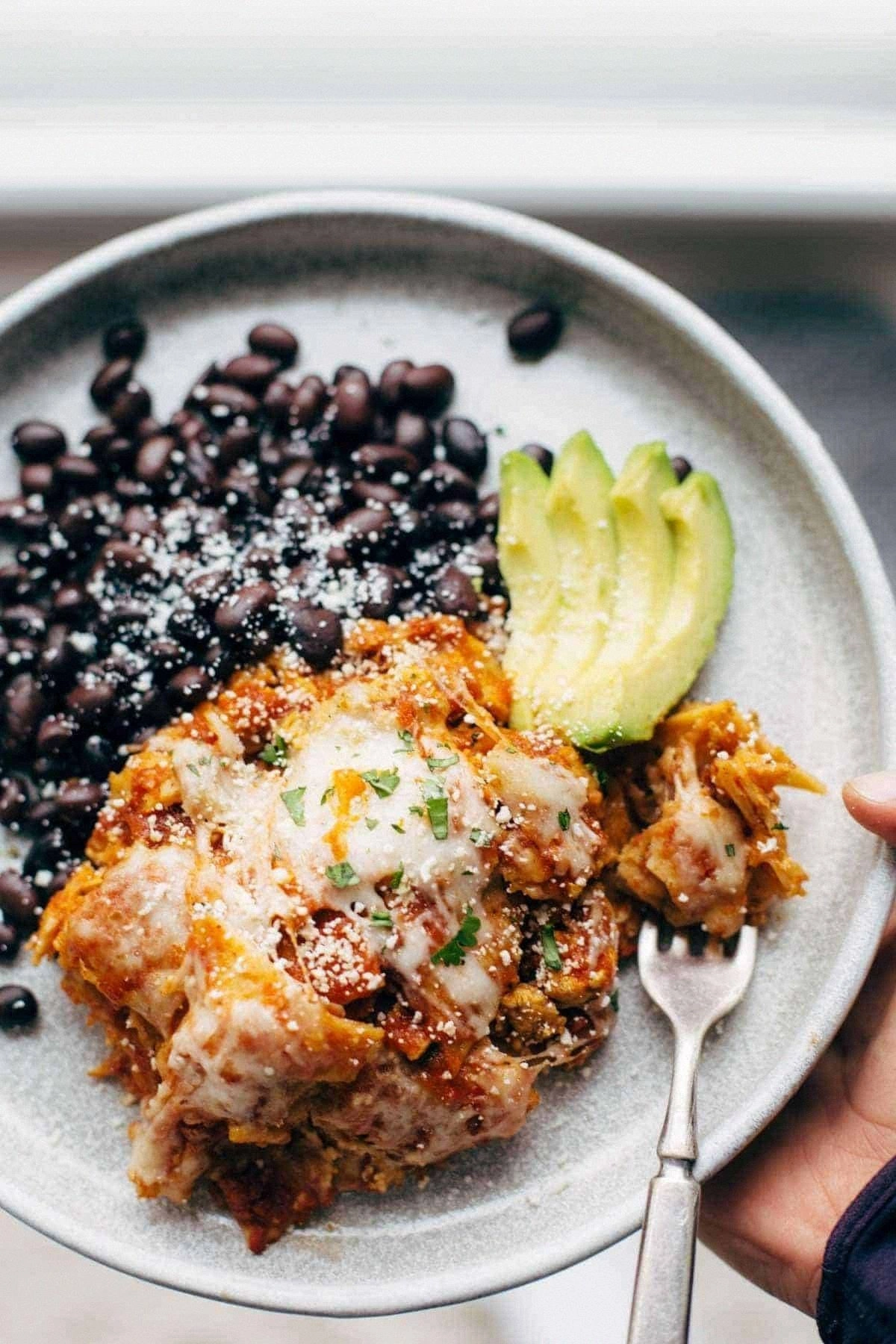
Layer the casserole: start with a thin layer of the tofu‑sauce mixture at the bottom of the dish. Sprinkle half of the toasted tortilla strips over it, followed by half of the black beans and corn kernels. Then drizzle a third of the remaining sauce, and scatter a generous handful of shredded cheese. Repeat the layers, ending with a final blanket of cheese and a few extra tortilla strips on top for extra crunch.
Kitchen Hack: Press the assembled casserole lightly with the back of a spatula before baking; this compacts the layers and prevents gaps. -
Bake: place the casserole in the preheated oven and bake for 25‑30 minutes, or until the cheese is bubbling and the edges of the tortilla strips are crisp and golden. You’ll know it’s ready when the top starts to pull away from the sides, creating a tantalizing crust that crackles under a fork.
-
Rest and garnish: remove the casserole from the oven and let it rest for 10 minutes. This resting period allows the sauce to thicken further and the flavors to settle. Sprinkle fresh cilantro leaves over the top, drizzle a little lime juice, and serve with extra lime wedges on the side. The aroma at this stage is so intoxicating you’ll want to inhale deeply before even taking the first bite.
-
Enjoy: cut generous squares, scoop up a forkful, and experience the harmonious blend of smoky sofritas, crunchy tortilla, creamy cheese, and bright lime. That first bite? It’s a revelation. And now the fun part—let’s talk about a few extra tricks that will push this casserole from great to legendary.
Insider Tricks for Flawless Results
The Temperature Rule Nobody Follows
Most home cooks set the oven to 375°F and forget to consider how the heat distributes. For this casserole, I recommend starting at 375°F for the first 15 minutes, then cranking the temperature up to 425°F for the final 10 minutes. This two‑stage bake creates a caramelized top while keeping the interior moist. A friend once tried baking at a constant 425°F and ended up with a burnt crust and a dry center—let’s just say the casserole didn’t survive the ordeal.
Why Your Nose Knows Best
The moment the sauce begins to thicken and you catch that sweet‑smoky aroma, you know you’re on the right track. Trust that nose signal more than a timer; if the sauce smells rich and the edges of the tofu start to brown, it’s time to move on to the next step. Over‑cooking can mute those flavors, leaving a flat taste that no amount of seasoning can fix.
The 5‑Minute Rest That Changes Everything
After the casserole emerges from the oven, resist the urge to dive right in. Let it sit, uncovered, for exactly five minutes. This short rest allows the cheese to set and the sauce to thicken, preventing a soggy plate. I once served it hot off the tray and the cheese was a liquid waterfall—definitely not the experience I was aiming for.
Layering the Beans Like a Pro
Instead of dumping all the black beans at once, I scatter them between layers. This technique ensures that each bite gets a burst of creamy bean goodness, rather than a single bean‑heavy spoonful. If you skip this, you’ll end up with pockets of beans that feel out of place, breaking the harmony of the dish.
The Secret Splash of Lime
A final drizzle of fresh lime juice just before serving lifts the entire flavor profile. The acidity cuts through the richness of the cheese and tofu, creating a bright finish that makes the palate sing. If you’re a fan of extra zing, add a pinch of lime zest to the cheese layer before baking for an even deeper citrus note.
Creative Twists and Variations
This recipe is a playground. Here are some of my favorite ways to switch things up:
Southwest BBQ Fusion
Swap the chipotle adobo for a smoky BBQ sauce and add a handful of shredded jackfruit for a pulled‑pork vibe. The sweet‑smoky BBQ pairs beautifully with the cheese, creating a dish that feels like a backyard grill on a rainy day.
Green Goddess
Replace the Oaxaca cheese with a blend of spinach‑infused feta and mozzarella, and stir in a cup of chopped kale into the sofritas sauce. The green hues make the casserole visually stunning, and the earthy greens add a fresh, slightly bitter counterpoint to the smoky sauce.
Spicy Mango Madness
Add diced ripe mango and a drizzle of habanero‑infused honey to the topping. The sweet mango balances the heat, while the honey adds a glossy finish that looks as good as it tastes.
Cheesy Breakfast Casserole
Incorporate scrambled eggs into the tofu‑sauce mixture and sprinkle breakfast‑style cheese (like pepper jack) on top. Serve with a side of avocado slices for a brunch that will have everyone asking for seconds.
Mediterranean Twist
Swap black beans for chickpeas, add sun‑dried tomatoes, and use feta cheese instead of Oaxaca. A sprinkle of za’atar on the top before baking adds an aromatic herbaceous note that transports you to a sun‑kissed terrace.
Storing and Bringing It Back to Life
Fridge Storage
Allow the casserole to cool completely, then cover tightly with aluminum foil or a reusable lid. It will keep fresh in the refrigerator for up to four days. When reheating, place a splash of water (about a tablespoon) over the top, cover with foil, and heat at 350°F for 15‑20 minutes. The added moisture steams the casserole back to its original tenderness.
Freezer Friendly
This dish freezes exceptionally well. Portion the cooled casserole into individual servings, wrap each tightly in plastic wrap, then place in a freezer‑safe bag. It will stay good for up to three months. To reheat, thaw overnight in the fridge, then bake at 375°F for 25 minutes, uncovered, until the cheese bubbles and the edges turn golden.
Best Reheating Method
For the crispiest tortilla strips, reheat in a preheated skillet over medium heat, pressing the casserole slice gently with a spatula. Cover for the first two minutes to melt the cheese, then uncover to let the bottom crisp up. This method restores the original crunch and prevents the casserole from becoming soggy.