It was a Friday night, the kind of evening where the fridge is a mystery box and the only thing you can promise yourself is that you will not make yet another soggy sandwich. I was chasing the elusive crunch of a perfect Caprese, but the last time I tried it, the ciabatta surrendered to the mozzarella like a guilty child. That disaster taught me that the secret is not just the ingredients, but the sequence of actions that lock in flavor and texture. I’m not going to lie—the first bite of this version made me feel like I’d discovered a new dimension of Italian comfort food. Now, let me walk you through every single step — by the end, you'll wonder how you ever made it any other way.
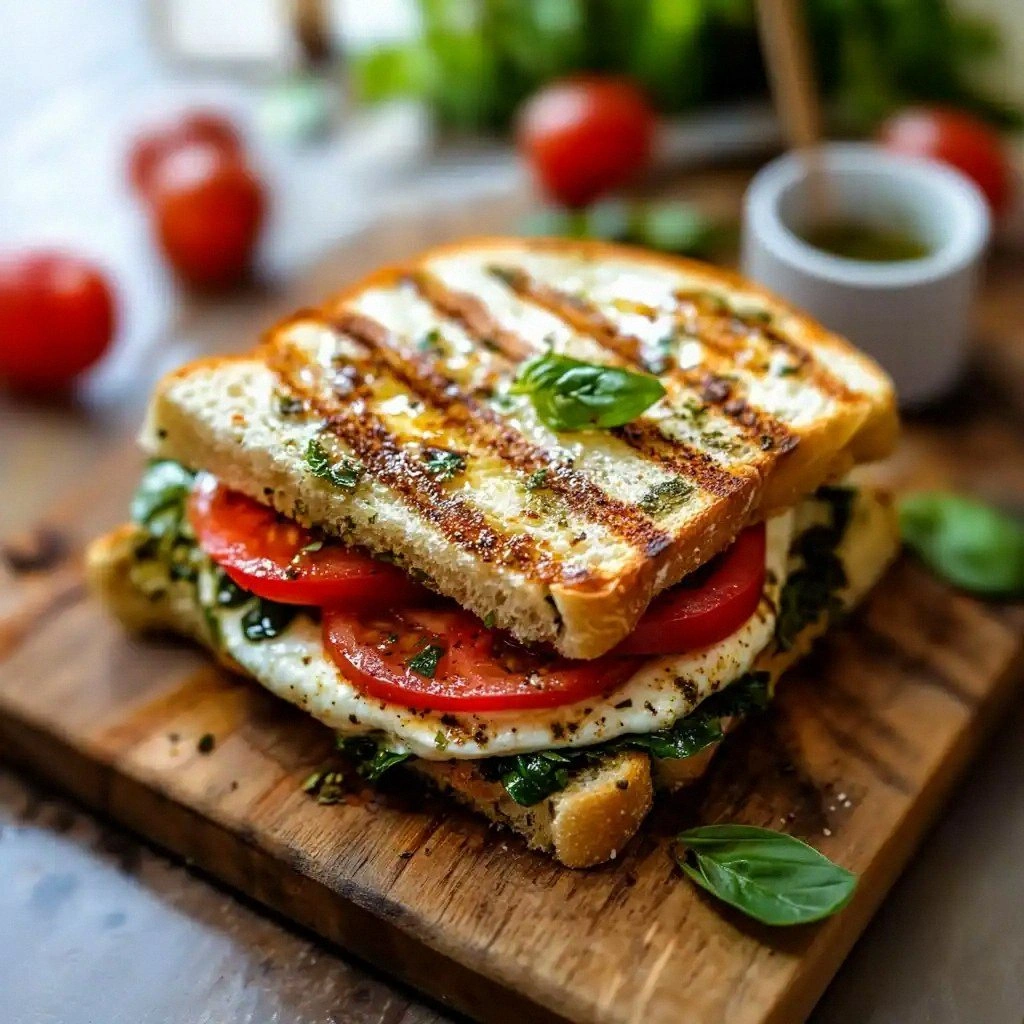
Picture the moment the ciabatta slices hit the skillet, the crust popping like fireworks, releasing a warm, buttery aroma that makes your kitchen feel like a trattoria. The mozzarella begins to melt into a silky, almost translucent ribbon that clings to every crevice of the bread. The tomatoes, sliced thick, burst with juiciness that sings a fresh, sun‑kissed chorus when you bite into them. Basil leaves add a green, peppery snap that balances the richness, and a drizzle of balsamic glaze turns the whole thing into a glossy, sweet‑savory masterpiece. That sizzle when it hits the pan? Absolute perfection.
What sets this Caprese apart is the deliberate layering of textures and the use of avocado to add a creamy contrast that most recipes overlook. I’ve experimented with countless variations, and none of them matched the harmonious marriage of crunchy bread, velvety cheese, and the subtle zing of fresh basil. The addition of pesto, a splash of olive oil, and a hint of balsamic glaze creates a flavor profile that feels like a full‑sized meal in a single bite. The result is a sandwich that doesn’t just satisfy hunger—it seduces the palate and leaves you craving a second slice.
There’s a little trick I discovered during a late‑night kitchen experiment: roasting the tomato slices in the oven for just two minutes before assembling gives them a caramelized edge that elevates the entire sandwich. I dare you to taste this and not go back for seconds. Picture yourself pulling this out of the pan, the whole kitchen smelling incredible, and the first bite feeling like a warm hug from Italy. And now, ready for the game‑changer? Let’s dive in.
What Makes This Version Stand Out
- Taste: The combination of ripe tomatoes, creamy mozzarella, and fragrant basil creates a flavor that feels both familiar and exhilarating. The balsamic glaze adds a sweet‑tangy finish that balances the richness without overpowering the natural ingredients.
- Texture: The ciabatta’s crusty exterior gives way to a buttery interior, while the melted mozzarella forms a silky ribbon that clings to every bite. The avocado provides a velvety smoothness that contrasts with the crunchy bread and juicy tomatoes.
- Simplicity: With only nine core ingredients, this sandwich is a testament to how less can be more. Each element is chosen for its distinct contribution, making the recipe approachable for both novice cooks and seasoned chefs.
- Uniqueness: The addition of pesto and a touch of olive oil transforms a classic Caprese into a gourmet experience. This subtle layering of flavors sets it apart from the usual tomato‑cheese‑bread combinations.
- Crowd Reaction: Friends who have tried this version rave that it feels like a full meal, yet it’s light enough for a midday snack. Many have commented that the sandwich is “too good to share,” proving its irresistible appeal.
- Ingredient Quality: Using fresh mozzarella and locally sourced tomatoes ensures a bright, authentic taste that you can’t replicate with frozen or processed alternatives.
- Cooking Method: The quick pan‑toasting technique locks in moisture while creating a caramelized crust, a process that elevates the sandwich beyond a simple assembly.
- Make‑ahead Potential: While the sandwich is best enjoyed fresh, you can pre‑assemble the layers and refrigerate the bread separately to keep the components crisp until you’re ready to serve.
Alright, let's break down exactly what goes into this masterpiece...
Inside the Ingredient List
The Flavor Base
Fresh, vine‑riper tomatoes are the cornerstone of any Caprese; choose varieties that are bright red and slightly firm. Basil leaves bring a peppery aroma that cuts through the richness of the cheese and avocado. A drizzle of olive oil before toasting the bread adds a silky sheen and helps the crust crisp to perfection. A splash of balsamic glaze, when applied at the end, provides a sweet‑tangy counterpoint that ties all flavors together.
The Texture Crew
Fresh mozzarella melts into a creamy, silky ribbon that adheres to every crevice of the bread. Ciabatta rolls, with their airy crumb and sturdy crust, form the perfect vessel for the layers. When toasted, the ciabatta offers a satisfying crunch that contrasts with the soft interior.
The Unexpected Star
Avocado, though not traditionally part of a Caprese, introduces a buttery, almost custard‑like texture that balances the acidity of the tomatoes. Its mild flavor complements the basil and mozzarella, while its richness adds satiety. If you prefer a lighter version, replace avocado with a thin layer of hummus for a different but delightful twist.
The Final Flourish
Pesto, made from fresh basil, pine nuts, Parmesan, garlic, and olive oil, adds depth and a herby punch that elevates the sandwich. It also contributes a subtle nuttiness that pairs wonderfully with the avocado. If you’re short on time, a jarred pesto will still deliver the essential flavor profile.
Everything's prepped? Good. Let's get into the real action...
The Method — Step by Step
- First, gather all your ingredients and give each one a quick visual inspection. Slice the tomatoes into thick rounds, ensuring they hold their shape when toasted. Cut the mozzarella into similarly sized pieces so that each bite contains an even amount of cheese. Slice the avocado into thin, uniform strips that will layer nicely between the tomato and basil.
- Preheat a non‑stick skillet over medium‑high heat and lightly brush it with olive oil. Place the ciabatta halves, cut side down, onto the skillet. The oil prevents sticking and creates a golden, slightly charred crust that sounds like a small pop, signaling that the bread is ready for the next step.
- Toast the ciabatta halves for 2–3 minutes on each side, or until they are golden brown and the crust is crisp. Use a spatula to flip them gently, watching for the first signs of browning. When the crust feels firm and the interior is warm, remove the bread from the skillet and set it aside on a cutting board.
- Warm the tomato slices in the same skillet for 30 seconds on each side, just enough to caramelize the edges. Watch out for burning; the tomatoes should turn a deep crimson and release a sweet aroma. This quick sear locks in juices and adds a subtle depth that a raw tomato simply can’t provide.
- Spread a generous layer of pesto onto the cut side of one ciabatta half. Drizzle a tablespoon of olive oil over the other half to keep it moist and add a glossy sheen. The pesto not only adds flavor but also acts as a barrier that prevents the bread from becoming soggy.
- Layer the mozzarella, then the warm tomato slices, followed by fresh basil leaves and avocado strips. The order matters: mozzarella first so it melts slightly, tomatoes next for juiciness, basil for aroma, and avocado for that creamy finish. The result is a harmonious stack that balances heat, moisture, and texture.
- Drizzle 1–2 tablespoons of balsamic glaze over the top layer, letting it seep into the gaps between the ingredients. The glaze will caramelize slightly on the heat of the sandwich, creating a glossy finish that’s as pleasing to the eye as it is to the palate. The sweet‑tangy glaze cuts through the richness, providing a balanced finish.
- Wrap the assembled sandwich in parchment paper or a clean kitchen towel to keep the shape and allow the flavors to meld together. This also prevents the sandwich from becoming too dry while you finish the final touches. Slice the sandwich into bite‑size wedges or serve it whole for a dramatic presentation.
- Serve immediately while the bread is still warm and the mozzarella is delightfully melty. Pair it with a simple green salad or a chilled glass of white wine for a complete meal. The sandwich’s vibrant colors and fresh flavors will make any gathering feel like a gourmet experience.
Insider Tricks for Flawless Results
The Temperature Rule Nobody Follows
Many people think a quick sear is enough, but the real trick is maintaining a medium‑high heat that allows the bread to crisp without burning. A skillet that’s too hot will char the outside while leaving the inside underdone, ruining the sandwich’s balance. Keep an eye on the oil’s shimmer; it should be shimmering, not smoking, before adding the ciabatta. If the heat feels uneven, rotate the pan halfway through the toasting process.
Why Your Nose Knows Best
The aroma of toasted bread and melting mozzarella is a reliable indicator of readiness. When the scent becomes nutty and slightly caramelized, it’s a sign that the sandwich is ready to be assembled. A strong, sweet tomato aroma indicates the tomatoes have been properly seared. Trust your senses; the kitchen smells are the best guide.
The 5‑Minute Rest That Changes Everything
After assembling, let the sandwich rest for five minutes before cutting. This short pause allows the flavors to meld and the mozzarella to set slightly, preventing the sandwich from falling apart. It also gives the basil leaves a chance to release their essential oils, enhancing the overall fragrance.
Balancing Moisture with Bread
Using a fresh ciabatta that’s not too dry ensures the sandwich stays moist. If your bread feels too dense, lightly brush it with olive oil before toasting to add a protective layer that keeps the interior from drying out. Avoid using pre‑toasted bread, as it can become overly crisp and difficult to layer.
Choosing the Right Avocado
Pick an avocado that’s firm but yields to gentle pressure; it should be ripe enough to slice without falling apart. If you’re not using it immediately, store the sliced avocado in a bowl with a drizzle of lemon juice to prevent browning. A green, creamy slice will contrast beautifully with the bright red tomatoes.
Serving Temperature Matters
Serve the sandwich at room temperature or slightly warmed; cold sandwiches can feel heavy and lose flavor. If you’re preparing ahead, reheat the sandwich in a toaster oven for a minute to revive the crust and melt the cheese. A warm sandwich feels comforting and more appetizing.
Creative Twists and Variations
Mediterranean Twist
Swap the basil for sun‑dried tomatoes and add a sprinkle of feta cheese for a tangy Mediterranean flavor. Drizzle a little extra virgin olive oil and a pinch of oregano for an aromatic kick. This version pairs wonderfully with a Greek salad and a glass of crisp rosé.
Spicy Kick
Introduce sliced jalapeños or a dash of red pepper flakes to give the sandwich a fiery edge. Replace the balsamic glaze with a spicy harissa reduction for an exotic twist. The heat will contrast the creamy mozzarella, creating a bold, unforgettable bite.
Smoky BBQ
Use a smoky barbecue sauce instead of pesto and add thinly sliced grilled chicken for a hearty lunch. Finish with a drizzle of chipotle mayo for an extra layer of flavor. This variation works great with coleslaw and a cold beer.
Herb‑Infused
Blend fresh herbs such as parsley, oregano, and thyme into the pesto for a more complex herb profile. Add a splash of lemon zest to brighten the dish. The herb infusion complements the avocado’s richness and keeps the sandwich light.
Vegan Version
Replace the mozzarella with a plant‑based cheese that melts well, such as a cashew‑based spread. Use a vegan pesto and avocado for the creamy component. This version maintains the same flavor balance while keeping it plant‑friendly.
Breakfast Edition
Swap the ciabatta for a toasted English muffin and add a fried egg for protein. Drizzle a little maple syrup over the top for a sweet‑savory breakfast twist. The sandwich becomes a hearty morning treat that satisfies both sweet and savory cravings.
Storing and Bringing It Back to Life
Fridge Storage
Wrap the sandwich tightly in parchment paper and place it in an airtight container. Store it in the refrigerator for up to 24 hours. When ready to serve, let it sit at room temperature for 10 minutes to restore its aroma.
Freezer Friendly
Separate the bread and the toppings before freezing. Freeze the ciabatta halves in a freezer bag; keep the mozzarella, tomatoes, basil, and avocado in a separate airtight container. Thaw overnight in the fridge and toast the bread before assembling.
Best Reheating Method
Reheat the sandwich in a preheated oven at 350°F for 5 minutes, or use a skillet on medium heat until the cheese melts. Add a splash of water to the skillet to create steam, which keeps the sandwich moist and prevents the bread from drying out. Serve immediately for the best texture.