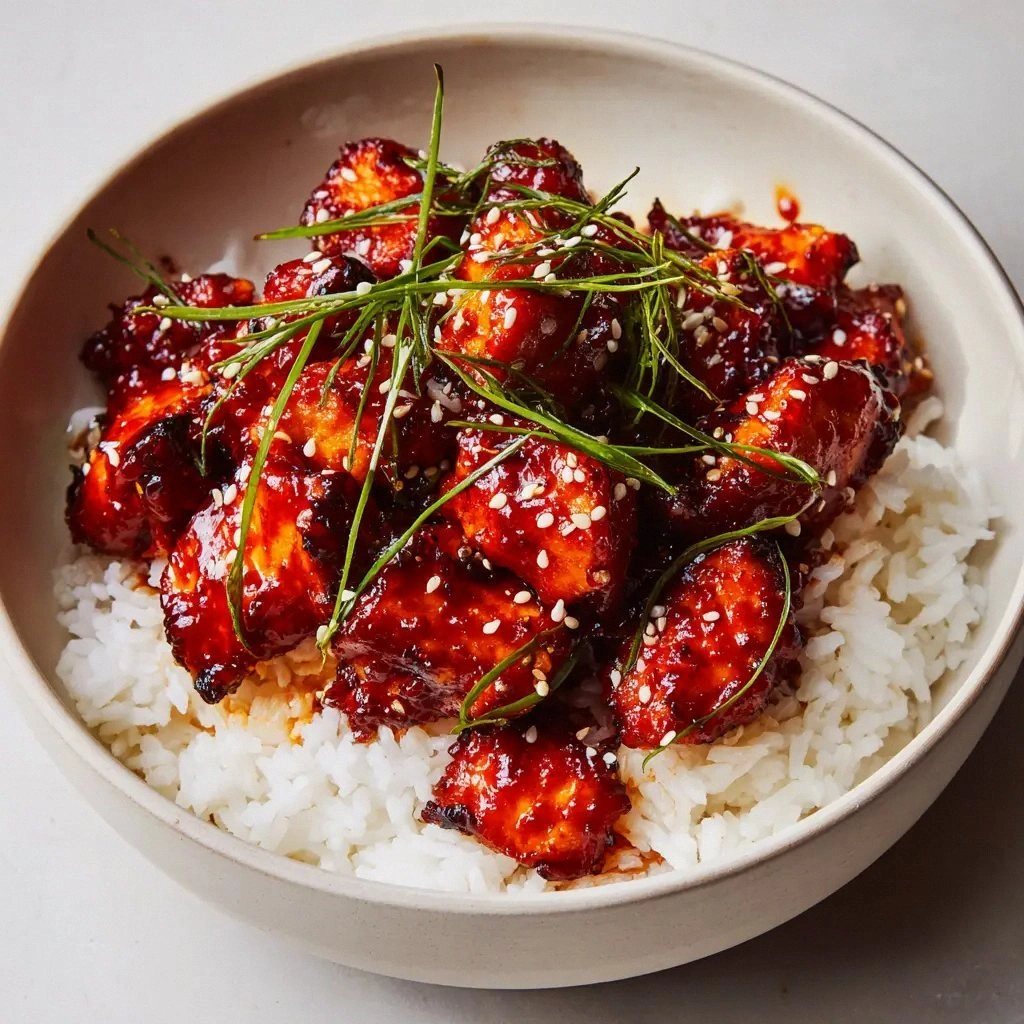
I remember the night I almost turned my kitchen into a disaster zone. I was craving Korean street food, but the only thing I had on hand was a bag of frozen chicken thighs, a jar of gochujang, and a reckless sense of adventure. I tossed the thighs into a pan, added the gochujang, and the sauce began to bubble like a volcano. The aroma that filled the air was a heady mix of sweet honey, sharp vinegar, and the unmistakable punch of fermented chili paste. My friends were already calling it a masterpiece, and I was like, “Hold on, I’m about to rewrite the rules of sticky, sweet, and spicy chicken.”
If you’ve ever tried a generic gochujang chicken recipe that left you with bland, mushy meat or a sauce that stuck only to the bottom of the pan, you’re not alone. Most cooks skim over the crucial steps that make the sauce caramelize properly or the meat stay juicy. This version is different because it balances the heat of gochujang with the mellow sweetness of honey, the bright acidity of rice vinegar, and the subtle depth of soy sauce. The result is a glossy glaze that clings to every bite, a texture that is tender inside yet has a satisfying bite on the outside, and a flavor profile that feels like a well‑orchestrated symphony.
Picture yourself pulling this dish out of the skillet, the kitchen smelling like a Korean barbecue joint, and the sauce shimmering like liquid gold on the chicken. The moment the first bite lands, the caramelized edges crackle with a delicate crunch, the heat from the gochujang dances on the tongue, and the honey’s sweetness lingers like a sweet after‑taste. I dare you to taste this and not go back for seconds. If you’re skeptical, remember I ate half the batch before anyone else even had a chance to try it.
I’m not just bragging; I’m offering you a step‑by‑step guide that will have you mastering this dish in under an hour. By the end of this post, you’ll wonder how you ever made gochujang chicken any other way. You’ll have a technique that ensures the sauce caramelizes perfectly, a method that keeps the chicken moist, and a handful of hacks that will save you time and frustration. Ready to elevate your dinner game?
What Makes This Version Stand Out
Bold Flavor: The combination of gochujang, honey, and rice vinegar creates a sauce that is simultaneously sweet, spicy, and tangy. Each ingredient plays a distinct role, preventing any single flavor from overpowering the others.
Texture Mastery: The cornstarch coating on the chicken creates a crisp exterior while the sauce’s viscosity gives it a silky finish that clings to the meat like velvet.
Ingredient Quality: Using fresh ginger, garlic, and scallions elevates the dish far beyond the canned versions you’ll find in grocery stores.
Quick Prep: The entire process takes less than 45 minutes, making it a perfect weeknight dinner that still feels special.
Make‑Ahead Friendly: The sauce can be prepared ahead of time and reheated without losing its glossy sheen, so you can enjoy a restaurant‑style meal from your own kitchen.
Scalable: The recipe’s serving adjuster lets you double or halve the dish with ease, making it ideal for both solo meals and family gatherings.
Alright, let's break down exactly what goes into this masterpiece…
Inside the Ingredient List
The Flavor Base
The gochujang paste is the heart of this dish. It brings a fermented depth and a fiery kick that sets the tone for the entire sauce. If you’re not a fan of intense heat, you can reduce the amount by a third, but be prepared for a milder flavor profile. Swapping it for a sweeter chili paste will change the dish’s character entirely, turning it into a more dessert‑like entrée.
The Sweet Counterbalance
Honey is the secret weapon that turns a fiery sauce into a caramelized glaze. Its natural sugars caramelize during cooking, giving the chicken a glossy sheen and a pleasant crunch when the edges crisp up. If you’re allergic to honey or want a vegan version, maple syrup or agave nectar can be used, though the flavor will shift slightly towards a more pronounced maple note.
The Acidic Brightness
Rice vinegar provides a bright, clean acidity that cuts through the richness of the sauce. It also helps in balancing the sweetness of the honey, ensuring the dish doesn’t become cloyingly sweet. A splash of lime juice can replace the vinegar for a citrus twist, but be careful not to overpower the other flavors.
The Umami Layer
Soy sauce adds depth and a savory undertone that anchors the dish. It also helps the sauce thicken as it reduces, creating that perfect glaze that clings to the chicken. If you’re on a low‑sodium diet, use a reduced‑sodium soy sauce or tamari, but adjust the salt accordingly.
Everything’s prepped? Good. Let’s get into the real action…
The Method — Step by Step
- Start by patting the chicken thighs dry with paper towels. A dry surface ensures a crisp exterior. Sprinkle the cornstarch and kosher salt over the meat, tossing gently to coat each piece evenly. This coating will create a light, crispy shell that protects the meat during the high‑heat sear.
- Heat the vegetable oil in a large skillet over medium‑high heat until shimmering. The oil should be hot enough that a drop of water sizzles instantly. Place the chicken thighs skin‑side down, letting them sizzle for about 3–4 minutes until the skin turns a deep golden brown. Flip and cook the other side for an additional 3–4 minutes. This double sear locks in juices and develops a caramelized crust.
- In a small bowl, whisk together the gochujang, soy sauce, honey, rice vinegar, minced garlic, grated ginger, and water. The mixture should be smooth and free of lumps. This sauce will be the star of the show, so give it a good stir to blend all the flavors.
- Reduce the heat to medium and pour the sauce over the chicken thighs in the skillet. Stir gently to coat the meat evenly. Allow the sauce to simmer for about 5 minutes, letting the sugars caramelize and the glaze thicken. Watch closely; the sauce will begin to bubble and thicken, forming a glossy coating.
- When the sauce has thickened to a glaze consistency and the chicken is cooked through, turn off the heat. Let the skillet rest for a minute; this allows the glaze to set and the flavors to meld. The chicken should feel firm to the touch but still juicy inside.
- While the chicken rests, toast the sesame seeds in a dry skillet over medium heat until lightly browned and fragrant. This step adds a nutty aroma that complements the sweet glaze. Once toasted, set aside to cool.
- Slice the green scallions thinly, separating the white and green parts. The white parts are milder and provide a subtle crunch, while the green parts add a fresh, herbaceous finish. Sprinkle them over the chicken just before serving.
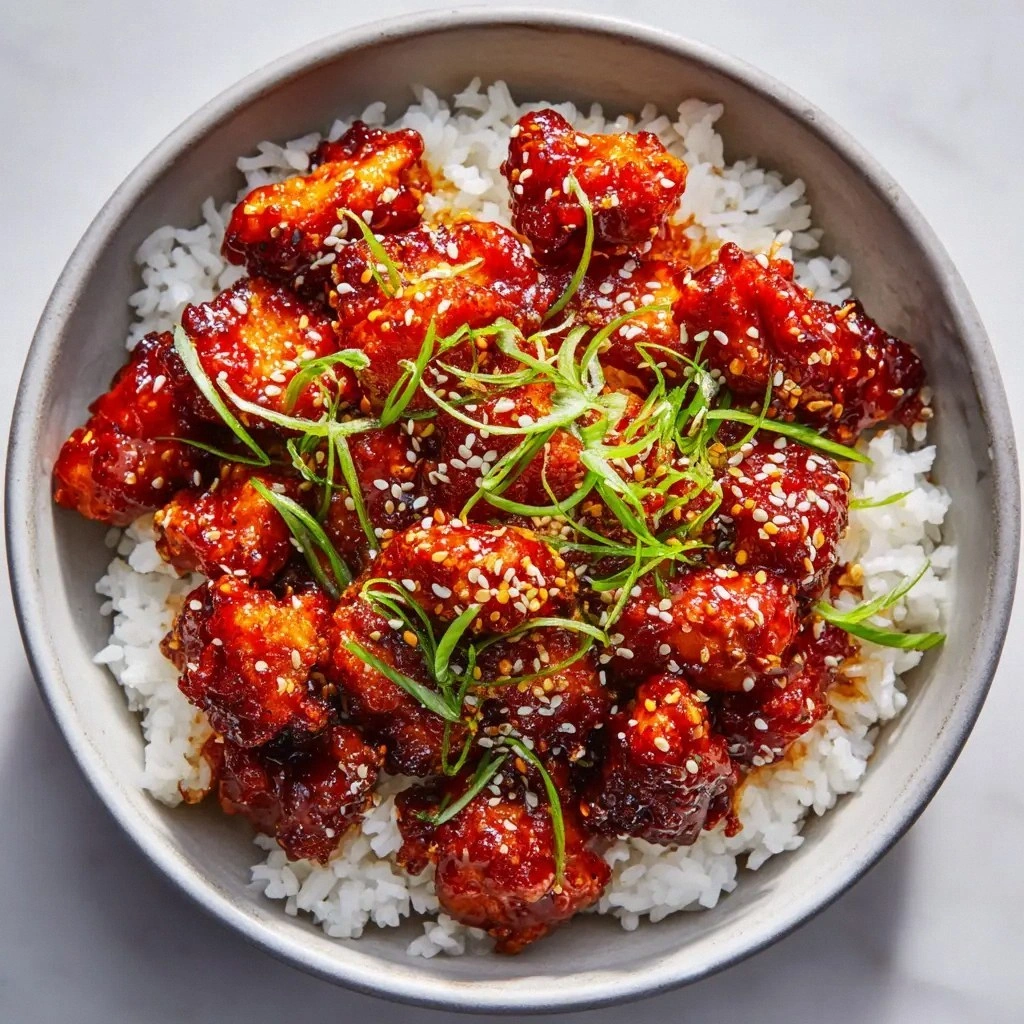
- Serve the glazed chicken over a bed of steamed white rice. Drizzle the remaining glaze over the rice for extra flavor. Garnish with the toasted sesame seeds and sliced scallions. This final touch adds crunch and a burst of fresh green that balances the richness.
- Plate the chicken and rice, ensuring each bite is coated with the sticky, sweet glaze. Take a moment to admire the glossy sheen and the caramelized edges. The aroma should be irresistible, drawing everyone to the table.
That's it — you did it. But hold on, I've got a few more tricks that'll take this to another level…
Insider Tricks for Flawless Results
The Temperature Rule Nobody Follows
The secret to a perfect glaze is maintaining a steady medium heat. Too high, and the sauce burns; too low, and it never caramelizes. Use a thermometer if you’re unsure, aiming for 350°F (175°C) when the sauce is bubbling. This consistency ensures that the sugar in the honey caramelizes just right, giving that glossy finish.
Why Your Nose Knows Best
Before you add the sauce, take a quick sniff test. A strong, sweet aroma indicates the honey is caramelizing, while a sharp, vinegary scent signals the vinegar is balanced. Your nose can tell you if the flavors are in harmony, saving you from a dish that tastes off.
The 5-Minute Rest That Changes Everything
After you remove the skillet from heat, let the chicken rest for exactly five minutes. This pause allows the juices to redistribute, keeping the meat moist. A friend once tried skipping this step, and the result was dry, over‑cooked chicken that lacked the signature glaze.
The Final Crunch
If you love extra crunch, sprinkle a handful of toasted sesame seeds and a pinch of crushed rice crackers over the finished dish. The crunch adds a new textural dimension that contrasts beautifully with the silky glaze.
The Quick Fix for Sticky Sauce
If your sauce starts to get too thick or clumps, add a splash of water or a bit of broth to loosen it. Stir vigorously to re‑emulsify the glaze. This quick fix keeps the sauce silky without compromising flavor.
Creative Twists and Variations
This recipe is a playground. Here are some of my favorite ways to switch things up:
Citrus Kick
Add a tablespoon of fresh lime juice to the sauce for a bright, zesty twist. The citrus sharpness cuts through the sweetness and adds a refreshing note that pairs well with the scallions.
Smoky Depth
Incorporate a teaspoon of smoked paprika or a splash of liquid smoke into the glaze. This will give the dish a subtle smoky undertone that complements the caramelized edges.
Vegetable Boost
Stir in sliced bell peppers or broccoli florets during the final simmer. They’ll absorb the glaze and add color, crunch, and a nutritional punch.
Protein Swap
Try using boneless, skinless chicken breasts or pork tenderloin for a leaner version. Adjust the cooking time accordingly to avoid drying out the meat.
Gluten‑Free Variation
Replace the soy sauce with tamari and ensure your gochujang is gluten‑free. The flavor profile remains unchanged, but you can enjoy the dish without gluten concerns.
Dessert‑Inspired Twist
Swap honey for brown sugar and add a pinch of cinnamon to the sauce. The result is a sweet, caramelized glaze that feels like a dessert, perfect for a brunch or a sweet dinner.
Storing and Bringing It Back to Life
Fridge Storage
Store the leftover chicken and sauce separately in airtight containers. The chicken can be kept in the fridge for up to 3 days, while the sauce will stay fresh for the same period. When ready to serve, reheat the chicken in a skillet, adding a splash of water to the sauce to revive its glaze.
Freezer Friendly
Freeze the chicken pieces in a single layer on a parchment‑lined tray before transferring them to a freezer bag. This prevents clumping. The dish stays good for up to 2 months. Thaw overnight in the fridge before reheating.
Best Reheating Method
Reheat the chicken in a skillet over medium heat, adding a small amount of water or broth to loosen the glaze. Stir frequently until the sauce is heated through and glossy again. A quick microwave reheat can work, but it may dull the glaze’s shine.