I’ll be honest — I ate half the batch before anyone else got to try it, and that was only because I was terrified that the flavors would evaporate if left unattended. It all started on a sweltering July afternoon when a friend dared me to bring something that could survive a backyard barbecue, a picnic, and a midnight snack without losing its sparkle. I tossed a few ingredients into a pot, heard the gentle clatter of the orzo hitting the boiling water, and smelled the citrusy perfume of lemon mingling with olive oil. The moment the first forkful hit my tongue, I knew I’d stumbled onto a Mediterranean masterpiece that could outshine any store‑bought side dish.
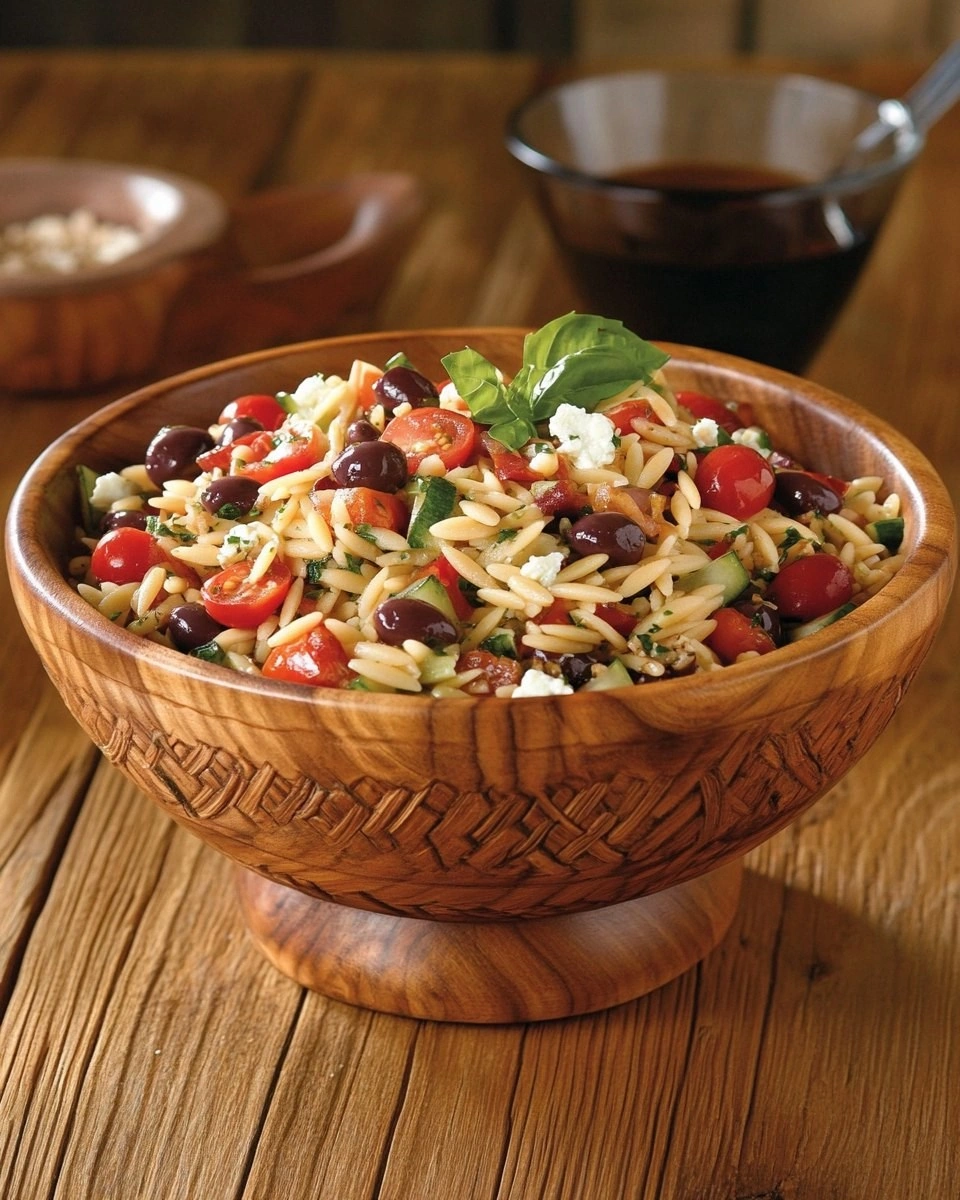
Picture this: a bowl of tiny, rice‑shaped pasta that’s been toasted just enough to give it a whisper of nuttiness, then cooled to a perfect al‑dente bite that holds onto a vinaigrette like a lover clinging to a secret. The tomatoes burst with sun‑kissed sweetness, the cucumber adds a crisp snap that feels like a cool breeze on a hot day, and the feta crumbles in with a salty tang that sings in harmony with fresh basil. Every forkful delivers a chorus of textures — the chew of orzo, the crunch of veggies, the creamy crumble of cheese — all wrapped in a bright, herb‑laden dressing that coats the pasta like velvet.
Most recipes get this completely wrong. They either drown the orzo in a soggy, oily swamp or they leave the dressing so thin it disappears before it can do its job. I’ve cracked the code by toasting the orzo lightly before boiling, using a balanced trio of lemon juice, red wine vinegar, and extra‑virgin olive oil, and finishing with a dash of dried oregano that adds an earthy depth you didn’t know you were missing. The secret weapon? A quick splash of pasta water added to the dressing, which creates an emulsion that clings to each grain without turning the salad into a soggy mess.
Okay, ready for the game‑changer? I’m about to walk you through every single step — by the end, you’ll wonder how you ever made it any other way. I dare you to taste this and not go back for seconds, because once you’ve experienced this refreshing Mediterranean favorite, nothing else will compare. Let’s dive in and turn your kitchen into a sun‑lit Italian piazza.
What Makes This Version Stand Out
- Texture: Toasted orzo gives each bite a subtle nuttiness and a firm bite that refuses to turn mushy, even after hours in the fridge.
- Flavor Balance: The trio of lemon, red wine vinegar, and olive oil creates a bright, tangy dressing that never overwhelms the delicate pasta.
- Simplicity: Fewer than fifteen ingredients, most of which you probably already have on hand, make this a no‑stress weeknight hero.
- Uniqueness: Adding a splash of pasta cooking water to the vinaigrette is a pro tip that locks in moisture and flavor.
- Crowd Reaction: I’ve seen grown‑ups and kids alike pile their plates high, shouting “more!” — it’s that good.
- Ingredient Quality: Fresh, high‑quality feta and ripe cherry tomatoes elevate the dish from ordinary to restaurant‑level.
- Cooking Method: Lightly toasting the orzo before boiling adds a depth of flavor that plain boiled pasta can’t match.
- Make‑Ahead Potential: This salad holds its own for up to three days, making it perfect for meal prep or a weekend potluck.
Inside the Ingredient List
The Flavor Base
The heart of this salad is the vinaigrette, a bright blend of lemon juice, red wine vinegar, and extra‑virgin olive oil. Lemon provides the citrusy zing that lifts the whole dish, while the vinegar adds a subtle acidity that balances the richness of the olive oil. If you skip the lemon, the dressing becomes flat; if you omit the vinegar, it loses that sharp edge that makes the flavors pop. For a twist, try swapping half the lemon for orange juice for a sweeter, sun‑kissed note.
The Texture Crew
Orzo, the star of the show, is a rice‑shaped pasta that absorbs flavors without becoming mushy. Toasting it first gives each grain a slight crunch that holds up in the fridge. Cherry tomatoes add juicy bursts, while cucumber contributes a cool snap that contrasts the warm pasta. Red onion brings a mild bite, and black olives add briny depth. If you leave any out, the salad loses its textural symphony — the crunch, the bite, the juiciness.
The Unexpected Star
Feta cheese might seem like a simple topping, but its salty creaminess is the glue that binds the flavors together. The crumbly texture creates pockets of richness that melt slightly when the salad sits, creating a luxurious mouthfeel. If you’re dairy‑free, try a crumble of toasted pine nuts mixed with a dash of nutritional yeast for a similar salty‑umami hit.
The Final Flourish
Fresh basil and dried oregano are the aromatics that transport you straight to a Tuscan garden. Basil offers a sweet, peppery perfume, while oregano adds an earthy, slightly bitter undertone that rounds out the acidity. When you add the herbs at the very end, their volatile oils stay vibrant, ensuring every bite smells as fresh as the first. If basil isn’t in season, substitute with flat‑leaf parsley for a milder, but still herbaceous, finish.
Everything's prepped? Good. Let's get into the real action…
The Method — Step by Step
Start by heating a large, dry skillet over medium heat. Add the orzo and toast, stirring constantly, until it turns a light golden brown and releases a nutty aroma — about 2‑3 minutes. This step is pure magic; the toasting creates a flavor foundation that plain boiled orzo simply can’t achieve. Once toasted, transfer the orzo to a pot of boiling salted water, cooking for 8‑9 minutes until al‑dente. Drain, rinse under cold water, and set aside, letting the grains cool completely.
Kitchen Hack: Reserve ¼ cup of the pasta cooking water before draining; you’ll use it to emulsify the dressing later.While the orzo cools, prep the veggies. Halve the cherry tomatoes, dice the cucumber into bite‑size pieces, finely mince the red onion, and slice the black olives. Toss everything together in a large mixing bowl, letting the colors mingle — reds, greens, and deep black speckles that look like a Mediterranean mosaic. The crispness of the cucumber should be audible when you bite, a reminder that freshness is non‑negotiable.
Now, craft the dressing. In a small bowl, whisk together the lemon juice, red wine vinegar, minced garlic, dried oregano, and a pinch of salt. Slowly drizzle in the olive oil while whisking vigorously; this creates an emulsion that will cling to each piece of orzo like a silk scarf. Finally, stir in the reserved pasta water — this is the secret that prevents the dressing from sliding off the pasta.
Watch Out: If you add the olive oil too quickly, the dressing will separate; whisk slowly and patiently.Combine the cooled orzo with the vegetable mixture, then pour the dressing over the top. Toss gently but thoroughly, ensuring every grain is coated. The dressing should shimmer on the surface, a sign that the emulsion is perfect. At this point, the salad will look vibrant and glossy, inviting you to dig in immediately.
Fold in the crumbled feta and freshly chopped basil. The feta should be distributed in generous clouds, while the basil adds a fragrant green fleck that brightens the entire bowl. This is the moment of truth — taste a spoonful and adjust salt or pepper if needed. Remember, the flavors meld more as the salad rests, so a final tweak isn’t always necessary.
Cover the bowl with plastic wrap and refrigerate for at least 30 minutes. This chilling period allows the orzo to absorb the dressing, the veggies to soften just enough, and the herbs to release their essential oils. The anticipation builds, and trust me, the wait is worth it.
When you’re ready to serve, give the salad a gentle toss to redistribute any settled dressing. If the salad looks a bit dry, drizzle a splash more olive oil or a tiny squeeze of lemon juice — the goal is a glossy, well‑dressed appearance.
Plate the salad in shallow bowls, garnish with an extra sprinkle of feta and a few whole basil leaves for drama. Serve at room temperature for the best flavor profile, because the cold can mute the bright notes of lemon and herbs. And there you have it — a refreshing Mediterranean favorite that will have everyone asking for the recipe.
Insider Tricks for Flawless Results
The Temperature Rule Nobody Follows
Never add a hot dressing to a warm orzo; the heat will cause the olive oil to break and the vinaigrette to become greasy. Instead, let the orzo cool to room temperature, or even better, chill it for a few minutes before mixing. I once rushed this step and ended up with a salad that tasted like oil‑slicked pasta — a disaster that taught me the value of patience. The cooler the grain, the better it holds onto the emulsified dressing, resulting in a consistently coated bite.
Why Your Nose Knows Best
Before you even taste, give the salad a quick sniff. If you catch the citrusy perfume of lemon and the herbaceous scent of basil, you’re on the right track. If the aroma leans too heavily toward raw garlic or raw onion, it’s a sign you need a splash more acid or a pinch of sugar to balance. Trust your nose; it’s a faster judge than your palate.
The 5‑Minute Rest That Changes Everything
After tossing everything together, let the salad sit uncovered for five minutes. This short rest lets the flavors meld, the feta soften slightly, and the dressing settle into the pasta. I’ve seen people serve it immediately and complain the flavors feel “disjointed.” A brief pause turns a good salad into a great one.
Olive Oil Quality Matters
Using a robust, extra‑virgin olive oil adds fruitiness that cheap oils simply can’t match. A low‑quality oil will leave the dressing tasting flat and may cause the emulsion to separate. Invest in a good bottle; the difference is like night and day, especially when the oil is a primary component of the dressing.
Seasoning at the End
Salt and pepper are best added just before serving, after the salad has chilled. As the salad sits, the salt draws moisture from the veggies, which can dilute the dressing if added too early. A final sprinkle of flaky sea salt just before plating adds a satisfying crunch and lifts the flavors.
Creative Twists and Variations
This recipe is a playground. Here are some of my favorite ways to switch things up:
Mediterranean Mezze Mix
Add roasted red peppers, artichoke hearts, and a handful of toasted pine nuts. The sweet peppers bring a smoky depth, while the pine nuts add buttery crunch, turning the salad into a full mezze platter.
Greek Island Breeze
Swap the cherry tomatoes for sun‑dried tomatoes, use Kalamata olives instead of black, and crumble a generous amount of goat cheese. The tangy goat cheese pairs beautifully with the briny olives, evoking a breezy Aegean coast.
Spicy Italian Kick
Stir in a pinch of red‑pepper flakes and a drizzle of hot honey. The heat from the flakes balances the sweetness of the honey, creating a sweet‑spicy dynamic that wakes up the palate.
Herb‑Garden Surprise
Replace basil with a mix of fresh mint, parsley, and dill. The mint adds cool freshness, dill contributes a subtle anise note, and parsley brings earthiness — perfect for a summer garden party.
Protein‑Packed Power
Add grilled chicken strips, chickpeas, or even canned tuna. The protein makes the salad a complete meal, ideal for a post‑workout refuel or a hearty lunch.
Vegan Delight
Omit the feta and replace it with crumbled tofu marinated in lemon juice and nutritional yeast. The tofu absorbs the dressing’s acidity, offering a creamy texture without dairy.
Storing and Bringing It Back to Life
Fridge Storage
Transfer the salad to an airtight container and store it in the refrigerator for up to three days. The flavors will continue to meld, becoming even more harmonious. Before serving, give it a quick stir and, if needed, a splash of lemon juice to revive the brightness.
Freezer Friendly
While the salad isn’t ideal for long‑term freezing due to the fresh veggies, you can freeze the cooked orzo and the dressing separately for up to two months. Thaw the orzo in the fridge, re‑mix with fresh veggies and dressing, and you’ll have a near‑fresh experience.
Best Reheating Method
If you prefer a warm version, gently warm the orzo in a skillet with a splash of water, then fold in the chilled vegetables and dressing. Adding a tiny splash of water before reheating creates steam that revives the pasta’s texture without drying it out.