I still remember the night I almost burned the rice in a pan that had never seen a single grain of grain before. The kitchen was a chaotic mess of clattering pots and a frantic dash of soy sauce. My friend dared me to create a comfort dish that would make her forget the burnt rice fiasco. I accepted the challenge, grabbed a pot, and the rest was pure alchemy.
The moment the simmering broth hit the pan, the aroma swirled like a fragrant storm, mingling sweet mirin, savory dashi, and the subtle scent of onions. My eyes widened as the chicken thighs sizzled, releasing a glossy sheen that promised tenderness. The sound— a gentle hiss— was music to my ears, a prelude to the soft, silky texture that would soon unfold. The heat kissed my fingertips, a reminder that patience is the secret sauce of any great dish.
What sets this Oyakodon apart isn’t just the classic harmony of chicken, egg, and rice; it’s the way every element is elevated by a single, unexpected twist: a splash of citrusy yuzu zest that brightens the umami base. Imagine the familiar comfort of a chicken rice bowl but with a zing that dances on the palate, turning the dish from ordinary to unforgettable. The result is a bowl that feels like a warm hug, yet surprises you with a subtle citrus lift.
I dare you to taste this and not go back for seconds. That sizzle when the eggs hit the hot broth? Absolute perfection. The contrast between the silky eggs and the slightly crunchy scallion tops is a texture play that will keep you spooning. The subtle sweetness of the mirin balances the salty depth of soy, and the yuzu zest adds that final pop of freshness.
Let me walk you through every single step—by the end, you’ll wonder how you ever made it any other way. From selecting the right chicken to mastering the delicate egg fold, we’ll cover every nuance. And trust me, the best part is that this recipe is so simple that even a kitchen novice can pull it off like a pro. Grab your apron, because we’re about to turn a humble bowl into a culinary masterpiece.
What Makes This Version Stand Out
- Bold Flavor: The addition of yuzu zest injects a bright, citrusy note that lifts the savory base, creating a balanced palate that’s both comforting and exciting.
- Texture Harmony: The silky eggs cling to fluffy rice, while the slightly caramelized onions provide a subtle crunch that keeps each bite engaging.
- Simple Method: With fewer than a dozen ingredients and a single pot, this recipe is a breeze for weeknight dinners.
- Authentic Touch: The use of dashi as the liquid base ensures that the dish stays true to its Japanese roots.
- Versatility: Swap the chicken for shrimp or tofu and the dish instantly transforms into a new flavor adventure.
- Make‑Ahead Friendly: The rice can be cooked a day ahead, and the sauce keeps well, so you can assemble it fresh when you’re ready.
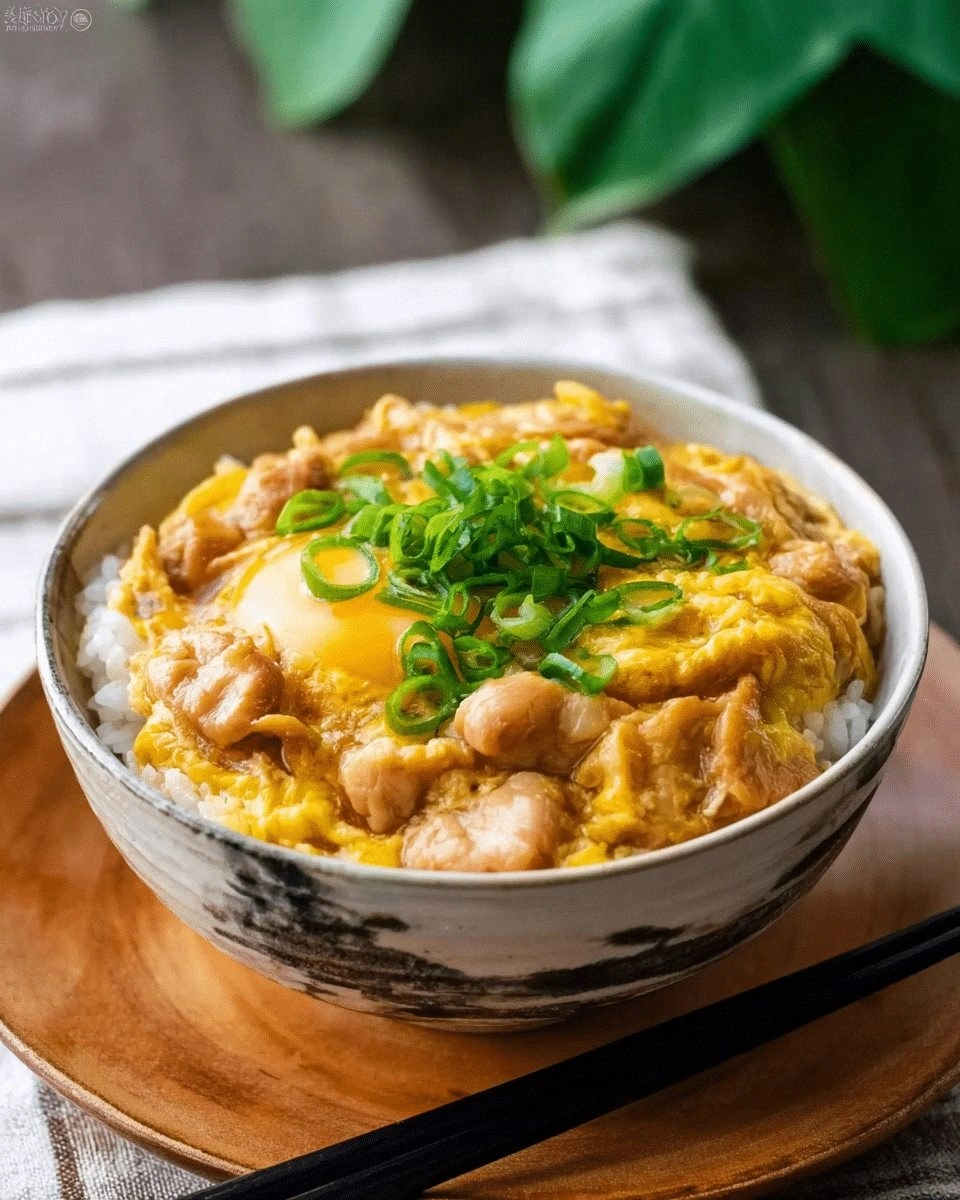
- Visual Appeal: The bright green scallion garnish and the golden yolk finish create a dish that looks as good as it tastes.
Inside the Ingredient List
The Flavor Base
The dashi, a subtle yet complex broth, forms the backbone of the sauce. It carries the umami punch that makes the dish feel hearty and satisfying. Skipping dashi would leave the sauce flat, so be sure to use a good-quality instant or kombu-based version if you’re short on time. The yuzu zest, though a small addition, brightens the entire bowl and gives it a modern twist.
The Texture Crew
The chicken thighs are the star of the show, offering a juicy, tender bite that pairs beautifully with the silky eggs. Cutting the thighs into bite‑sized pieces ensures even cooking and easy spooning. The scallions add a fresh crunch that contrasts the softness of the eggs and rice, while the sesame seeds sprinkle a nutty finish. If you prefer a lighter option, use skinless chicken breasts; just watch the cooking time to avoid dryness.
The Unexpected Star
Yuzu, a Japanese citrus fruit, is the secret ingredient that transforms this bowl from comforting to celebratory. Its aroma is reminiscent of a spring breeze, and its juice adds a subtle tartness that cuts through the richness of the eggs. If yuzu is unavailable, a splash of lemon juice or a pinch of lime zest can mimic the bright profile. Remember, a little goes a long way—just a teaspoon of zest is enough.
The Final Flourish
The eggs, beaten and folded, create a silky coating that clings to each grain of rice. The mirin and soy sauce balance sweetness and saltiness, while the sugar rounds out the flavor. The scallion garnish adds a fresh pop of color and flavor, making the dish visually inviting. Finally, a sprinkle of toasted sesame seeds ties everything together with a subtle crunch.
Everything's prepped? Good. Let's get into the real action...
The Method — Step by Step
- First, heat a tablespoon of vegetable oil in a large skillet over medium heat until shimmering. Add the thinly sliced onions and sauté until translucent and slightly caramelized, about 4 minutes. The onions should release a sweet aroma that signals the flavor base is ready. Keep stirring to prevent sticking or burning.
- While the onions cook, whisk together 2 cups of dashi, 3 tablespoons of soy sauce, 2 tablespoons of mirin, 1 tablespoon of sugar, and a teaspoon of yuzu zest. Bring this mixture to a gentle simmer, allowing the sugar to dissolve completely. The liquid should look glossy and slightly opaque.
- Add the chicken thigh pieces to the simmering broth. Reduce the heat to low and let the chicken cook until it’s just done, about 8 to 10 minutes. The chicken should be tender, and the broth should thicken slightly. If the liquid evaporates too quickly, add a splash of water or more dashi.
- Now, crack 4 eggs into a small bowl and whisk until the whites and yolks are fully blended. Slowly pour the beaten eggs into the skillet, swirling gently with a wooden spoon to create soft ribbons. The eggs should cook just enough to set but remain silky; they should not scramble.
- When the eggs are almost set, turn off the heat. The residual heat will finish cooking the eggs while preserving their delicate texture. This is the moment of truth—watch the edges of the eggs gently pull away from the pan.
- Meanwhile, steam 2 cups of jasmine or short‑grain rice until fluffy. The rice should be moist but not soggy, providing the perfect canvas for the sauce.
- Divide the rice among four bowls, spoon the hot chicken and sauce over each mound, and let the steam mingle for a minute. The heat will slightly soften the rice, making it ready to absorb the flavorful broth.
- Garnish each bowl with thinly sliced scallions, a sprinkle of toasted sesame seeds, and an extra drizzle of the remaining sauce if desired. The scallions add a fresh crunch, while the sesame seeds provide a nutty undertone.
- Serve immediately, ensuring that the eggs are still slightly runny. The contrast between the hot, silky eggs and the warm rice is the essence of Oyakodon. Dig in and feel the comforting warmth spread through your body.
That's it—you did it. But hold on, I've got a few more tricks that'll take this to another level...
Insider Tricks for Flawless Results
The Temperature Rule Nobody Follows
Many cooks think a high heat is the key to a quick dinner, but Oyakodon thrives on low, steady warmth. By cooking the chicken and eggs at a low temperature, you ensure the eggs stay silky and the chicken remains juicy. If you rush the heat, you’ll end up with rubbery chicken and scrambled eggs—no one wants that.
Why Your Nose Knows Best
Smell is your best judge of doneness. As the eggs begin to set, the aroma will shift from raw to a warm, buttery scent. Trust that cue; it’s the quickest way to know the dish is ready.
The 5‑Minute Rest That Changes Everything
After turning off the heat, let the skillet rest for five minutes. This allows the residual heat to finish cooking the eggs, giving them a silky, custard‑like texture. It also lets the flavors meld, creating a more cohesive sauce.
Keep the Rice Fluffy
Use a rice cooker with a “keep warm” setting to maintain the rice’s fluffiness. If you’re using a stovetop pot, cover it with a tight‑sealing lid and let it steam for an extra minute after the rice is cooked.
Finish with a Splash of Citrus
A light squeeze of fresh lemon or lime right before serving brightens the dish and counters the saltiness of soy sauce. It also adds a fresh zing that elevates the overall flavor profile.
Creative Twists and Variations
This recipe is a playground. Here are some of my favorite ways to switch things up:
Shrimp Oyakodon
Swap the chicken for shrimp to give the dish a briny, oceanic twist. Use peeled, deveined shrimp, and cook them briefly—just enough to turn pink. The shrimp pairs wonderfully with the citrusy sauce.
Tofu & Mushroom Oyakodon
For a vegetarian version, replace the chicken with diced tofu and sliced shiitake mushrooms. Sauté the tofu until lightly browned to add a nutty flavor. The mushrooms soak up the sauce, creating a deep umami experience.
Kimchi Oyakodon
Add a handful of chopped kimchi during the simmering stage for a spicy, fermented kick. The kimchi’s tang balances the sweetness of mirin, turning the dish into a fusion delight. It’s perfect for those who love a little heat.
Coconut Milk Oyakodon
Replace half the dashi with coconut milk to create a creamy, tropical version. The coconut’s richness pairs beautifully with the savory broth, offering a unique twist that feels like a vacation.
Soba Noodle Oyakodon
Serve the sauce over cooked soba noodles instead of rice for a Japanese noodle bowl. The soba’s nutty flavor complements the sauce, and the dish feels both hearty and light.
Sriracha Oyakodon
Stir in a tablespoon of sriracha during the final simmer for a spicy, smoky edge. The heat will contrast with the sweet and savory elements, creating a balanced, bold flavor profile.
Storing and Bringing It Back to Life
Fridge Storage
Store the cooked rice and sauce separately in airtight containers for up to 3 days. When ready to eat, reheat the rice in the microwave for 1 minute and pour the hot sauce over it. The dish will regain its comforting warmth in seconds.
Freezer Friendly
You can freeze the sauce and rice separately for up to 2 weeks. Thaw overnight in the refrigerator, then reheat on the stove over low heat until steaming hot. Add a splash of water to keep the rice from drying out.
Best Reheating Method
The secret to reheating Oyakodon is gentle heat and a splash of water. Place the rice and sauce in a saucepan, add a tablespoon of water, and cover. Warm over low heat until the mixture is hot and the sauce is silky.