Picture this: you’re standing in a cramped kitchen after a night of “just a quick snack,” and the only thing that’s keeping you from a full-blown pizza binge is the lingering memory of a dish you once tasted at a seaside bistro. That dish? A glistening, honey‑kissed salmon that practically sang “come back for more” while the fragrant fried rice on the side crackled like a tiny fireworks show. I was that person, half‑starved and half‑dreaming, when a dare from my roommate—“make it at home, or you’re buying the next round of sushi”—sent me spiraling into a culinary experiment that would change my dinner game forever. The first attempt was a disaster: the salmon stuck to the pan, the sauce curdled, and the rice turned into a soggy mess, but I learned a lot, and that failure became the catalyst for the ultimate version you’re about to master.
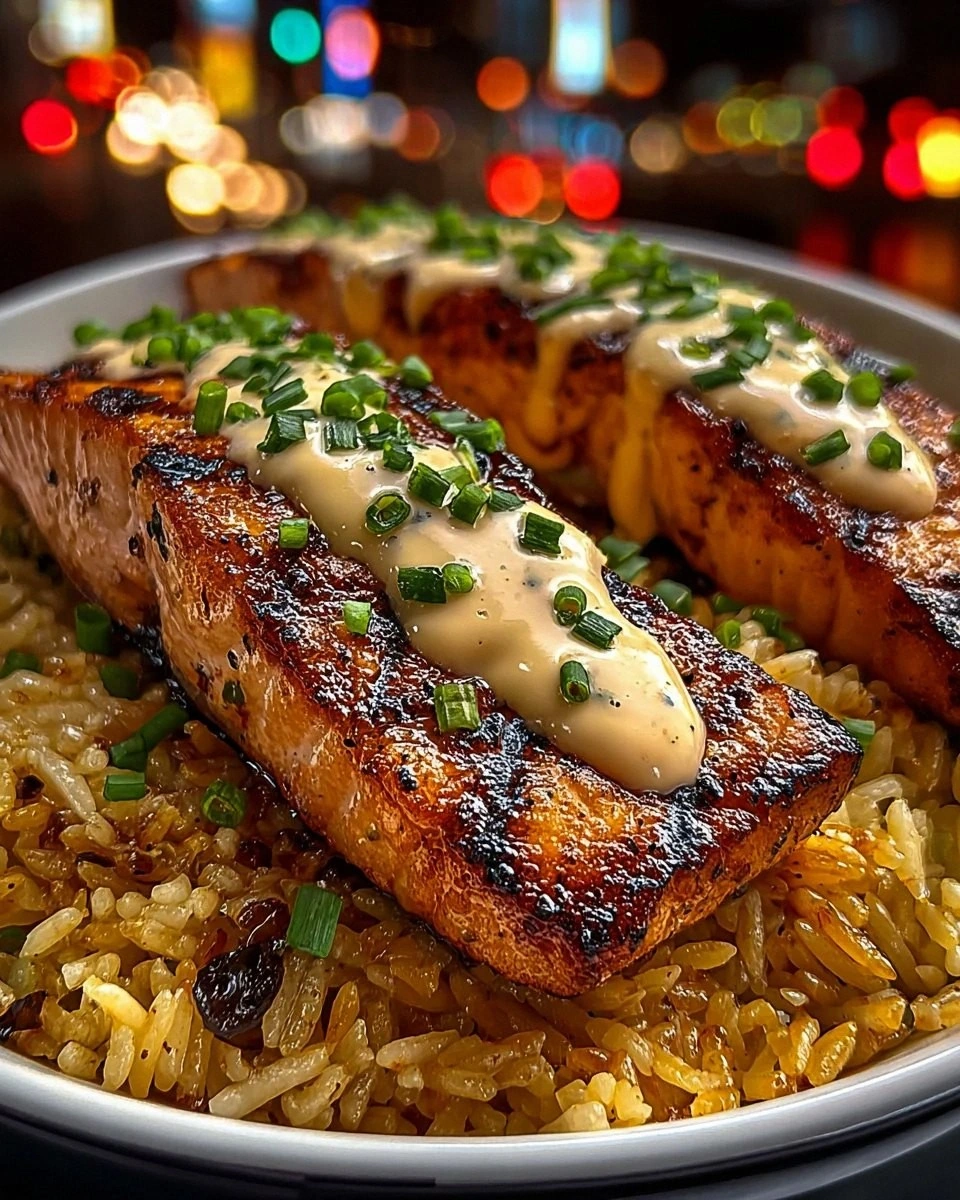
Fast forward to today, and I’m standing here with a plate that looks like a piece of art and smells like a summer sunrise over the ocean. The honey‑garlic glaze clings to each salmon strip with the tenacity of a love‑letter, while the lemon pepper sauce drizzles over the fried rice like a zesty sunrise, turning every bite into a burst of bright, buttery, and slightly sweet fireworks. The sound of the sizzle as the salmon hits the hot pan is a siren song—that sizzle when it hits the pan? Absolute perfection. The aroma of ginger and garlic mingles with the nutty whisper of sesame oil, making your nose do a little happy dance before you even see the plate. When you finally scoop a forkful, the textures collide: the salmon’s buttery flake, the rice’s crisp‑tender bite, and the crunch of peas and carrots, all wrapped in a silky, citrus‑kissed sauce that makes you want to close your eyes and sigh.
Now, why does this version stand out from the sea of “honey garlic salmon” recipes littering the internet? Most of them either drown the fish in syrupy goo or forget the crucial balance that a splash of soy sauce and a pinch of ginger bring. Most forget the rice entirely, treating it as an afterthought. This recipe, however, treats every component as a star, giving you that perfect harmony you’ve been chasing. I dare you to taste this and not go back for seconds—because the combination of sweet, salty, and citrus is engineered to be addictive, in the best possible way.
And here’s the kicker: I’m about to reveal a tiny technique that most chefs keep under wraps—a quick deglaze with a splash of lemon juice that instantly lifts the glaze from “sticky” to “silky.” It’s a game‑changer that turns a simple stir‑fry into a restaurant‑quality masterpiece. Trust me, this trick is what makes the sauce coat the rice like velvet, while still letting the salmon’s natural richness shine through.
Let me walk you through every single step — by the end, you’ll wonder how you ever made it any other way.
What Makes This Version Stand Out
- Flavor Explosion: The honey‑garlic glaze is balanced with soy sauce and ginger, delivering a sweet‑savory profile that dances on the palate without overwhelming the delicate salmon.
- Texture Symphony: Crispy salmon edges meet fluffy, slightly crunchy fried rice, creating a contrast that keeps each bite interesting from start to finish.
- Simplicity Meets Sophistication: You only need a handful of pantry staples, yet the final dish feels like it was crafted by a seasoned chef on a high‑end menu.
- Ingredient Quality: Using skinless, wild‑caught salmon ensures buttery flakiness, while fresh ginger and garlic add depth that powdered versions can’t match.
- Crowd‑Pleaser Factor: This dish has a proven track record of clearing plates at dinner parties—people keep asking for the recipe, and you get to look smug.
- Make‑Ahead Potential: The sauce can be pre‑made, and day‑old rice actually improves the texture, making it perfect for busy weeknights.
- Versatile Pairing: The lemon pepper sauce can double as a dipping sauce for veggies or a drizzle over a simple salad, extending the life of your ingredients.
- Seasonal Flexibility: Whether it’s a summer BBQ or a cozy winter night, the bright citrus notes keep it fresh year‑round.
Inside the Ingredient List
The Flavor Base
Honey: This natural sweetener is the heart of the glaze, providing a glossy finish and a subtle floral note that pairs beautifully with soy sauce. If you skip it, you’ll lose that caramelized sheen and the delicate balance of sweet‑savory. A good swap is maple syrup, though it adds a woodier flavor that changes the profile slightly.
Soy Sauce: The umami backbone that grounds the honey’s sweetness. Opt for low‑sodium varieties if you’re watching salt, but don’t skimp—the depth it adds is non‑negotiable. A splash of tamari works as a gluten‑free alternative without sacrificing flavor.
Garlic: Minced garlic injects a pungent kick that awakens the palate. Over‑cooking turns it bitter, so add it just before the glaze thickens. If you’re out of fresh garlic, a teaspoon of garlic powder can rescue you, but the aroma won’t be as vibrant.
The Texture Crew
Salmon Fillets: Skinless salmon is essential for those tender, flaky strips that melt in your mouth. Look for fillets with a vibrant pink hue and a firm feel; if they’re too soft, they’ll fall apart in the pan. Wild‑caught salmon is richer in omega‑3s, but farmed works fine if it’s fresh.
Olive Oil: Used for marinating and searing, it adds richness and helps the glaze adhere. Choose extra‑virgin for the best flavor, but a light olive oil works if you prefer a milder taste.
Cooked Rice: Day‑old rice is the secret weapon; it’s drier, so it fries up with a satisfying bite instead of turning mushy. If you only have fresh rice, spread it on a tray to cool for 30 minutes before using.
Mixed Vegetables (peas, carrots, corn): These add color, crunch, and a sweet counterpoint to the savory glaze. Frozen mixes work perfectly—just thaw and pat dry to avoid excess water.
The Unexpected Star
Lemon Pepper Seasoning: This brings a bright citrus zing that lifts the entire dish, preventing the honey from feeling cloying. If you can’t find a pre‑made blend, combine lemon zest, cracked black pepper, and a pinch of salt.
Sesame Oil: A drizzle at the end adds a nutty aroma that rounds out the flavor profile. A little goes a long way; too much can dominate the delicate salmon.
The Final Flourish
Green Onions: Chopped just before serving, they provide a fresh, mild onion bite that brightens the plate. Substitute scallions if you like a sharper flavor.
Lemon Wedges: Serve on the side for an extra burst of acidity. Squeezing fresh lemon over the salmon right before eating adds a zing that makes the honey glaze sing.
Salt and Pepper: The universal seasoning that ties everything together. Season the salmon lightly before searing; you’ll hear the sizzle intensify as the proteins contract.
Everything's prepped? Good. Let's get into the real action...
The Method — Step by Step
Start by patting the salmon fillets dry with paper towels; moisture is the enemy of a good sear. Cut each fillet into bite‑size strips, about one inch wide, and place them in a bowl. Toss the strips with 2 tablespoons of olive oil, a pinch of salt, and a generous grind of black pepper. Let them rest for 5 minutes while you prep the glaze—this short marination helps the seasoning penetrate the flesh.
Kitchen Hack: Sprinkle a thin layer of cornstarch over the salmon strips before searing; it creates a micro‑crust that locks in moisture and makes flipping a breeze.In a small saucepan, combine 3 tablespoons of honey, 2 tablespoons of soy sauce, 3 minced garlic cloves, and 1 teaspoon of freshly grated ginger. Bring the mixture to a gentle simmer over medium‑low heat, stirring constantly. As it simmers, you’ll notice it thickening and the aromas mingling—this is the moment of truth. Once the glaze coats the back of a spoon, remove from heat and set aside.
Heat a large non‑stick skillet or wok over medium‑high heat. Add a drizzle of olive oil, then carefully lay the salmon strips in a single layer, making sure not to crowd the pan. Let them sear undisturbed for about 2‑3 minutes; you’ll see the edges start to turn golden and the fish will release easily from the surface.
Watch Out: If the pan isn’t hot enough, the salmon will steam rather than sear, resulting in a soggy texture.Flip the salmon strips and drizzle half of the honey‑garlic glaze over them. Cook for another 2‑3 minutes, allowing the glaze to caramelize and cling to the fish. As the sauce thickens, it should become glossy and start to bubble—if it looks too runny, crank the heat up for a quick reduction.
While the salmon finishes, move the skillet to the side (or use a second pan) and add a splash of sesame oil. Toss in the mixed vegetables—peas, carrots, and corn—and stir‑fry for 2‑3 minutes until they’re just tender but still bright. The vegetables should retain a slight crunch; overcooking will mute their sweetness.
Push the vegetables to the edge of the pan, add a little more sesame oil, then pour in the day‑old cooked rice. Break up any clumps with the back of a spatula and let the rice sit undisturbed for 30 seconds to develop a light crust. Stir‑fry the rice, mixing it with the veggies, until every grain is coated with oil and heated through.
Make a well in the center of the rice, pour in the beaten eggs, and scramble quickly. As the eggs begin to set, fold them into the rice, ensuring they’re evenly distributed. This step adds richness and helps bind the rice together, creating a cohesive fried rice base.
Kitchen Hack: Use a wok‑shaped spatula to toss the rice; the curved shape helps lift and coat each grain without crushing them.Now, bring the salmon back into the pan, drizzle the remaining glaze, and sprinkle 1 teaspoon of lemon pepper seasoning over everything. Toss gently to coat the rice and salmon evenly. The lemon pepper will brighten the dish, cutting through the honey’s sweetness and adding a citrusy snap.
Finish with a handful of sliced green onions and a squeeze of fresh lemon juice from the wedges. Give everything one last gentle toss, then remove from heat. The final dish should look glossy, with salmon strips glistening, rice speckled with golden veggies, and a fragrant steam rising from the pan.
That's it — you did it. But hold on, I've got a few more tricks that'll take this to another level...
Insider Tricks for Flawless Results
The Temperature Rule Nobody Follows
Never start a stir‑fry on low heat. High heat creates that coveted “wok‑hei” (the breath of the wok) which imparts a smoky, caramelized flavor you can’t get any other way. If your pan isn’t hot enough, the ingredients will release moisture and steam rather than fry, leading to soggy rice. I once tried to be gentle and cooked on medium, and the result was a sad, limp mess—lesson learned. Keep the flame lively, and you’ll hear that satisfying sizzle that tells you you’re on the right track.
Why Your Nose Knows Best
The moment the garlic and ginger hit the oil, your kitchen will be filled with a fragrant perfume that signals it’s time to add the vegetables. Trust that nose signal more than the clock; if the aroma is strong, the veggies are ready for the next step. Over‑cooking them dulls their color and flavor, and you’ll lose that pop of sweetness that balances the glaze. If you’re ever unsure, give the veggies a quick taste—if they’re still a tad firm, they’re perfect.
The 5‑Minute Rest That Changes Everything
After you finish cooking the salmon, let it rest for five minutes before plating. This short pause allows the juices to redistribute, keeping the fish moist and tender. I once served salmon straight from the pan, and the juices ran straight onto the rice, making it soggy. A quick rest on a warm plate keeps everything crisp and the flavors locked in.
Seasoning Layers, Not One‑Shot
Season at every stage: the salmon before searing, the glaze with a pinch of salt, the rice with a dash of soy sauce, and finally the lemon pepper finish. Each layer builds depth, preventing a flat taste. Skipping any of these steps is like building a house without a foundation—unstable and prone to collapse.
Don’t Forget the Finish
A final drizzle of sesame oil right before serving adds a glossy sheen and a nutty aroma that lifts the entire dish. It’s the culinary equivalent of a bow tie—small but makes a big impression. If you’re feeling extra, sprinkle a pinch of toasted sesame seeds for added crunch.
Creative Twists and Variations
This recipe is a playground. Here are some of my favorite ways to switch things up:
Spicy Sriracha Kick
Add a teaspoon of sriracha to the honey‑garlic glaze for a subtle heat that complements the sweet and citrus notes. This version is perfect for those who love a little fire without overpowering the salmon.
Coconut Curry Fusion
Swap the lemon pepper seasoning for 1 tablespoon of curry powder and replace half the soy sauce with coconut milk. The result is a creamy, aromatic twist that transports you to a tropical island dinner.
Herb‑Infused Delight
Stir in a handful of fresh basil or cilantro just before serving. The herbaceous freshness adds a bright contrast to the honey glaze and works especially well in summer.
Crunchy Nutty Variation
Toast a quarter cup of slivered almonds and sprinkle them over the finished dish. The nuts add a satisfying crunch and a buttery flavor that pairs beautifully with the salmon.
Vegetarian Swap
Replace the salmon with firm tofu cubes, pressed and marinated in the same glaze. The tofu absorbs the sauce wonderfully, making a plant‑based version that’s just as satisfying.
Low‑Carb Adaptation
Swap the rice for cauliflower rice and increase the mixed vegetables to maintain volume. The dish stays light, and the cauliflower rice takes on the lemon pepper flavor beautifully.
Storing and Bringing It Back to Life
Fridge Storage
Allow the dish to cool to room temperature (no more than two hours), then transfer to an airtight container. It will keep nicely for up to three days. When reheating, add a splash of water or broth to restore moisture, then microwave or stir‑fry gently.
Freezer Friendly
Separate the salmon strips and the fried rice before freezing. Place each in a freezer‑safe bag, removing as much air as possible. They’ll hold up for up to two months. Thaw overnight in the fridge, then reheat in a skillet with a drizzle of sesame oil for best texture.
Best Reheating Method
For the crispiest result, reheat the fried rice in a hot non‑stick pan over medium heat, adding a teaspoon of oil and a splash of water. The salmon can be gently warmed in the same pan, skin‑side down, just until heated through. This method prevents sogginess and revives the caramelized edges.