Picture this: a cold November evening, the wind howling outside, and a half‑baked pizza dough abandoned on the counter from a failed attempt at a “quick dinner.” I was about to toss it in the trash when a sudden craving for something sweet, savory, and downright elegant struck me like a bolt of culinary lightning. I rummaged through the pantry, found a couple of over‑ripe Bartlett pears, a bag of fresh cranberries, and a wedge of Brie that had been waiting for its moment to shine. The result? A flatbread that turned my kitchen disaster into a masterpiece, and honestly, I dare you to taste this and not go back for seconds.
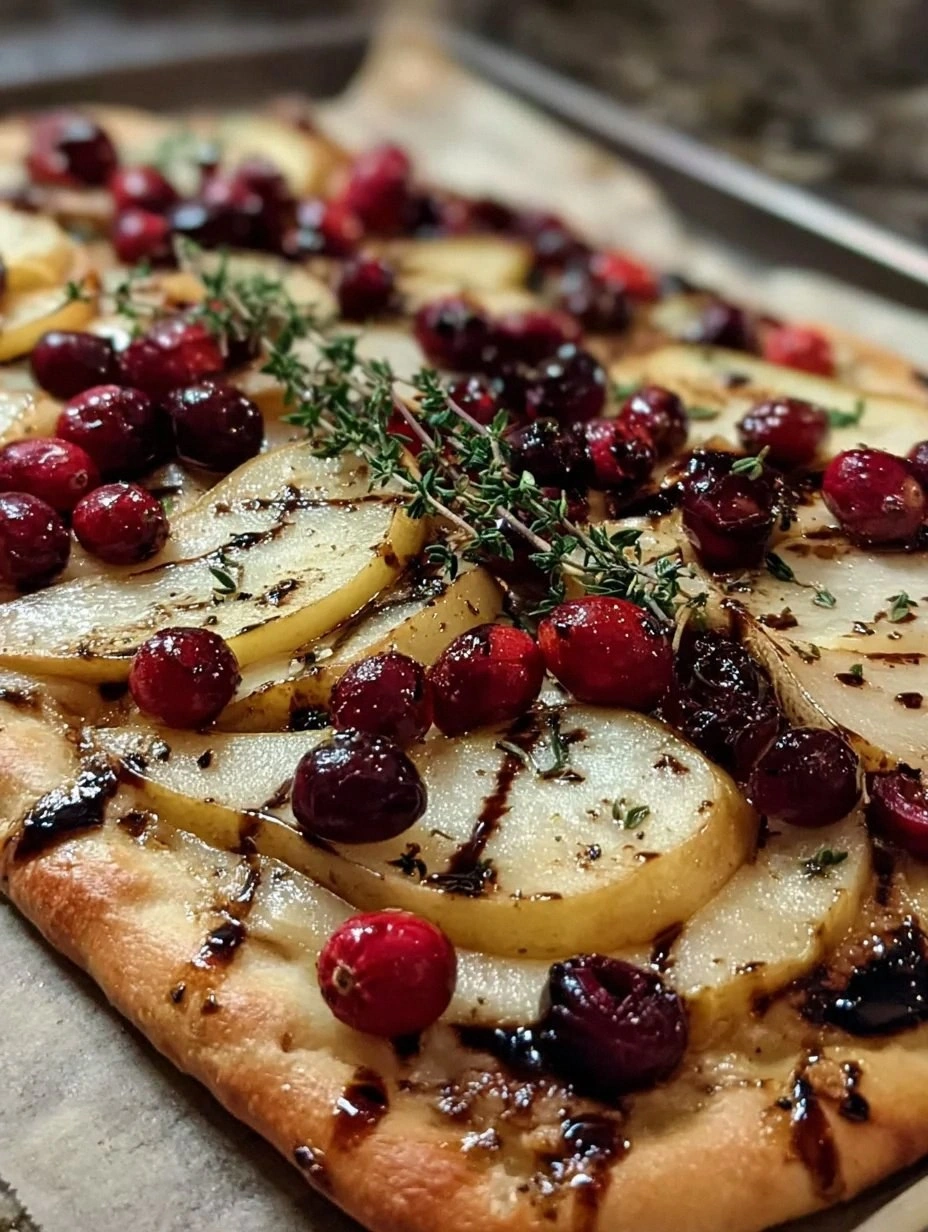
The moment the pears hit the hot oven, the kitchen filled with an intoxicating perfume—a blend of caramelized fruit, nutty dough, and the faint, buttery whisper of melting Brie. My ears caught the subtle sizzle as the olive oil kissed the crust, while the faint crackle of the crust pulling away from the pan signaled that the magic was happening. My fingertips felt the warm, slightly sticky dough as I slid the flatbread onto a cutting board, the cheese stretching like a golden ribbon. The taste? A perfect marriage of sweet and savory, with the cranberries popping like tiny fireworks against the creamy Brie, all anchored by a crust that’s crisp enough to shatter like thin ice yet tender enough to fold over itself.
Why does this version stand out from the sea of flatbread recipes you’ll find online? Most of them treat fruit as an afterthought, a garnish that sits limp on a bland base. Not this one. Here, the pears are roasted to caramelized perfection, the cranberries retain just enough bite, and the Brie is chosen for its buttery melt that seeps into every nook. I’ll be honest—I ate half the batch before anyone else got a chance to try it, and that’s a testament to how addictive this dish truly is. The secret? A splash of honey and a sprinkle of rosemary that elevate the flavor profile from “good” to “hands down the best version you’ll ever make at home.”
But wait, there’s more. I’m about to reveal a technique that most recipes completely miss: a quick dough “autolyse” that lets the flour hydrate fully before the yeast even gets a chance to work, resulting in a crust that’s airy yet sturdy enough to hold the toppings without sagging. Stay with me here—this is worth it. Let me walk you through every single step — by the end, you’ll wonder how you ever made it any other way.
What Makes This Version Stand Out
- Flavor Fusion: The sweet caramel of roasted pears meets the tart pop of cranberries, while Brie adds a luxurious, buttery backdrop that makes each bite unforgettable.
- Texture Symphony: You get a crisp, airy crust that shatters like thin ice, a soft, melt‑in‑your‑mouth cheese layer, and a slight chew from the fruit—every mouthfeel is intentional.
- Simplicity: Despite the gourmet vibe, the ingredient list is short, the steps are straightforward, and you can pull it together in under an hour.
- Unique Twist: Most flatbreads stay in the savory lane; this one boldly straddles sweet and savory, making it perfect for brunch, a light dinner, or an elegant appetizer.
- Crowd Reaction: Expect gasps and “Can I have the recipe?” whispers; it’s the kind of dish that turns skeptics into fans instantly.
- Ingredient Quality: Using ripe Bartlett pears and high‑quality Brie makes a massive difference—no bland, canned alternatives here.
- Cooking Method: The high‑heat oven and quick bake lock in flavor while giving the crust that coveted blistered edge.
- Make‑Ahead Potential: The dough can be prepared a day ahead, and the flatbread reheats beautifully, retaining its crunch.
Inside the Ingredient List
The Flavor Base
Flour (2 cups): The backbone of any good flatbread, all‑purpose flour provides the perfect balance of protein for gluten development and tenderness. If you substitute with whole‑wheat flour, expect a denser crumb and a nuttier flavor that can be delightful but changes the texture. When shopping, look for flour that’s fresh—older flour can lead to a flat, lifeless crust.
Instant Yeast (1 tsp): This tiny powerhouse gives the dough its lift without a long fermentation. I’ve tried active dry yeast and it works, but you’ll need to proof it first, adding an extra minute to your prep. Keep yeast sealed tightly; moisture is its enemy.
Warm Water (¾ cup): The temperature is crucial—aim for 105°F (40°C). Too hot and you’ll kill the yeast; too cold and the dough will be sluggish. If you’re using tap water and it’s hard, a quick filter can improve dough elasticity.
Olive Oil (1 tbsp + extra for brushing): A drizzle into the dough adds richness and helps the crust turn golden. For the brush, use a high‑quality extra‑virgin olive oil; its fruity notes will echo the pears.
Salt (1 tsp): Not just for seasoning—salt strengthens gluten and controls yeast activity, preventing over‑proofing. Sea salt or kosher salt works best; avoid table salt as it can make the dough too tight.
Honey (1 tbsp for dough, 2 tbsp for drizzle): The honey in the dough feeds the yeast, giving a subtle sweetness that complements the fruit toppings. The drizzle honey at the end adds a glossy finish and a final burst of sweetness that ties everything together.
The Texture Crew
Pear (2 ripe Bartlett pears, thinly sliced): Bartlett pears are chosen for their buttery texture and natural sweetness, which caramelize beautifully. If you can’t find Bartletts, Bosc or Anjou work, but they’re firmer and may need a longer roast. Slice them uniformly—about ¼ inch thick—to ensure even cooking and prevent soggy spots.
Fresh Cranberries (½ cup): Their bright tartness cuts through the richness of Brie, creating a balanced flavor profile. If fresh cranberries are out of season, frozen works just as well; just thaw and pat dry. Dried cranberries are an alternative, but they’re sweeter, so you might want to reduce the honey drizzle.
Brie Cheese (4 oz, rind removed, sliced): The creaminess of Brie melts into the dough, creating a luxurious mouthfeel. Choose a soft, triple‑cream Brie for extra decadence; a firmer Brie will hold its shape a bit more, offering a different texture. If Brie isn’t your jam, try Camembert or a mild goat cheese for a tangier twist.
Fresh Rosemary (1 tsp, finely chopped): Rosemary adds an herbaceous note that pairs perfectly with fruit and cheese. Lightly crush the leaves between your fingers before chopping to release the essential oils. A pinch of dried rosemary can substitute, but fresh is always brighter.
Black Pepper (¼ tsp, freshly ground): A dash of pepper adds a subtle heat that lifts the sweet elements without overpowering them. Grind it fresh for the best aroma; pre‑ground pepper loses its punch quickly.
Red Pepper Flakes (optional pinch): If you like a whisper of heat, sprinkle a pinch on top before baking. It’s the perfect contrast to the sweet pears and cranberries, creating a layered flavor experience.
The Unexpected Star
Honey Drizzle (2 tbsp, post‑bake): This final flourish adds shine and a lingering sweetness that makes the flatbread irresistible. For a more complex flavor, try a light drizzle of honey infused with a touch of orange zest.
The Final Flourish
All of these components work together like a well‑rehearsed orchestra, each instrument playing its part at the right moment. When you combine them, you get a dish that’s not just food—it’s an experience that tells a story of autumnal comfort and elegant indulgence. Everything's prepped? Good. Let's get into the real action...
The Method — Step by Step
-
Start by mixing the flour, instant yeast, and salt in a large bowl. Create a well in the center, then pour in the warm water, olive oil, and honey. Using a wooden spoon, stir until a shaggy dough forms—this is the autolyse phase, where the flour hydrates fully. Let the mixture rest for 15 minutes; you’ll notice it becoming smoother and more cohesive, a sign that gluten is waking up.
Kitchen Hack: If the dough feels too sticky after the rest, sprinkle a tablespoon of flour and knead briefly—don’t over‑knead or you’ll lose that airy crumb. -
Turn the dough onto a lightly floured surface and knead for about 5 minutes, or until it becomes elastic and smooth. Shape it into a ball, place it back in the bowl, cover with a damp towel, and let it rise in a warm spot for 45 minutes, or until doubled in size. While it rises, preheat your oven to 475°F (245°C) and place a pizza stone or an inverted baking sheet inside to get sizzling hot.
During this time, you can prep the toppings: slice the pears thinly, toss the cranberries with a drizzle of honey, and slice the Brie. This multitasking keeps the kitchen flow smooth and prevents any bottlenecks.
-
Once the dough has risen, gently punch it down to release excess air, then divide it into two equal portions for two flatbreads. Using a rolling pin, roll each portion into a 12‑inch circle, leaving the edges slightly thicker for that coveted crust. Transfer the rolled dough onto a piece of parchment paper—this makes the transfer to the oven a breeze.
Brush the surface lightly with olive oil; this helps the toppings stay in place and contributes to a golden‑brown finish.
-
Arrange the pear slices in a single layer, slightly overlapping, across the dough. Scatter the fresh cranberries over the pears, then distribute the Brie slices evenly. The cheese will melt into the fruit, creating pockets of buttery goodness.
Sprinkle the chopped rosemary, freshly ground black pepper, and if you’re feeling daring, a pinch of red pepper flakes. This seasoning step is where the magic truly begins—each spice lifts the flavors and adds depth.
-
Slide the parchment‑wrapped flatbread onto the preheated stone or baking sheet. Bake for 12‑15 minutes, or until the crust is puffed, the edges are a deep caramel color, and the Brie is bubbling and slightly browned. Keep an eye on the edges; they should pull away from the parchment and crackle like thin ice—this is your cue that the crust is perfectly crisp.
Watch Out: If your oven runs hot, the cheese may brown too quickly; tent the flatbread with foil after 8 minutes to prevent burning while the crust finishes. -
When the flatbread emerges from the oven, immediately drizzle the remaining 2 tbsp of honey over the top. The heat will melt the honey into a glossy glaze that seeps into the fruit and cheese, creating a sweet‑savory sheen.
Allow the flatbread to rest for 3‑4 minutes before slicing; this short rest lets the cheese set just enough to hold its shape while keeping the interior melt‑in‑your‑mouth.
-
Slice the flatbread into six generous wedges using a sharp pizza cutter. Serve warm, ideally straight from the board, so the steam carries the aroma of roasted pears and melted Brie straight to the nose.
Pair it with a crisp white wine—think Sauvignon Blanc—or a sparkling cider for a festive, autumn‑ready touch. Trust me, this combo will have your guests reaching for seconds before you even finish the first round.
Kitchen Hack: Use a silicone baking mat instead of parchment for an even crisper bottom; just make sure it’s oven‑safe up to 475°F. -
That’s it — you did it. But hold on, I've got a few more tricks that'll take this to another level. From a quick herb‑infused butter to a sprinkle of toasted pine nuts, these finishing touches can transform a great flatbread into an unforgettable show‑stopper.
Insider Tricks for Flawless Results
The Temperature Rule Nobody Follows
Most home cooks bake flatbreads at 350‑400°F, which yields a decent crust but never the blistered, airy edge you crave. Crank that oven up to 475°F and preheat the stone for at least 30 minutes; the intense heat creates steam that puffs the dough instantly, giving you that coveted “puffed‑up” look. I once baked at 500°F and the crust turned a little too charred—so 475°F is the sweet spot. Trust the heat, and you’ll get a crust that’s crisp on the outside and pillowy inside.
Why Your Nose Knows Best
Don’t rely solely on a timer—your nose is the ultimate kitchen gauge. When the dough is ready to pull away from the parchment, you’ll smell a nutty, toasted aroma that signals the crust is nearly done. If you hear a faint hiss, that’s the steam escaping, another sign you’re on the right track. I’ve saved many flatbreads from over‑baking by listening to that subtle sizzle.
The 5‑Minute Rest That Changes Everything
After baking, let the flatbread rest for exactly five minutes before slicing. This short pause allows the cheese to set slightly, preventing it from oozing everywhere when you cut. It also gives the honey a chance to soak into the fruit, intensifying the flavor. Skipping this step is a common mistake that leads to a soggy slice—trust me, you don’t want that.
Don’t Over‑Load the Toppings
It’s tempting to pile on every fruit and cheese you have, but too many toppings weigh down the dough, leading to a soggy center. Aim for a balanced distribution: a single layer of pears, a light scatter of cranberries, and enough Brie to melt without drowning the crust. This ensures each bite gets a harmonious blend of textures.
Use a Pizza Peel for Seamless Transfer
If you’ve ever struggled to slide a parchment‑wrapped flatbread onto a hot stone, you know the frustration. A wooden pizza peel dusted with flour or cornmeal acts like a magic carpet, letting you glide the flatbread onto the stone in one swift motion. It’s a small tool that makes a massive difference, especially when you’re working with a hot oven.
Finish with a Splash of Citrus
A few drops of fresh lemon juice right before serving brighten the sweet‑savory profile, cutting through the richness of the Brie and honey. This tiny acid punch elevates the dish from comforting to sophisticated. It’s the same principle that chefs use when they finish a rich sauce with a splash of vinegar.
Creative Twists and Variations
This recipe is a playground. Here are some of my favorite ways to switch things up:
Apple‑Gorgonzola Elegance
Swap the pears for thinly sliced Granny Smith apples and replace Brie with crumbled Gorgonzola. The sharpness of the blue cheese pairs beautifully with the tart apple, creating a bold, gourmet bite perfect for a holiday gathering.
Fig‑Prosciutto Luxe
Use fresh figs instead of pears, and add thin slices of prosciutto after baking. The salty prosciutto balances the sweet figs, while a drizzle of aged balsamic reduction adds depth. This variation feels like a fancy appetizer at a wine bar.
Vegan Delight
Replace Brie with a plant‑based cheese that melts well, such as cashew‑based “cheddar,” and swap honey for maple syrup. Use a flax‑egg to bind the dough if you want a completely vegan dough. The result is just as decadent, with the same sweet‑savory harmony.
Spicy Southwest
Introduce a layer of black beans and corn, sprinkle chipotle powder on the pears, and finish with a dollop of avocado crema after baking. The smoky heat and creamy avocado turn this flatbread into a fiesta on a plate.
Herb‑Infused Dream
Incorporate fresh thyme and sage into the dough, and add a drizzle of herb‑infused olive oil before serving. The aromatic herbs weave through the crust, giving each bite an earthy, fragrant lift that’s perfect for a cozy dinner.
Storing and Bringing It Back to Life
Fridge Storage
Allow the flatbread to cool completely, then wrap it tightly in aluminum foil or place it in an airtight container. It will stay fresh in the refrigerator for up to three days. When you’re ready to eat, reheat in a preheated 350°F oven for 8‑10 minutes; the crust will regain its crunch.
Freezer Friendly
Slice the flatbread into wedges before freezing; this makes reheating individual portions a breeze. Lay the wedges on a parchment sheet, flash‑freeze for an hour, then transfer them to a zip‑top freezer bag. They’ll keep for up to two months. To reheat, pop the frozen wedges onto a hot baking sheet and bake for 12‑15 minutes.
Best Reheating Method
For ultimate crispness, use a skillet over medium‑high heat. Add a splash of water (just a teaspoon) to the pan, cover with a lid, and let the flatbread steam for 30 seconds before uncovering to crisp the bottom. This technique revives the crust without drying out the cheese.