I still remember the exact moment these cookies ruined me for all other holiday treats. It was 11:47 p.m. on a frosty December Tuesday, my kitchen smelled like a maple forest had collided with a vanilla bean, and I was standing over the cooling rack in my rattiest pajamas, clutching a cookie that was somehow still soft in the middle yet caramelized at the edges. One bite and I actually whispered "oh no" out loud, because I knew—knew with the bone-deep certainty of someone who has eaten their way through every Christmas cookie on Pinterest—that this was it. The one. The recipe that would make me that person who shows up to every cookie swap with the same smug grin and the same empty platter thirty minutes later.
Here's the beautiful disaster you're about to walk into: a cookie that tastes like someone took your favorite stack of pancakes, distilled them into concentrated form, and then folded in tiny snowstorms of molten white chocolate. The chew factor is obscene—think brownie edges meets caramel meets that perfect soft-baked grocery store cookie you pretend not to buy in bulk. Maple syrup does something wild here; it doesn't just sweeten, it perfumes the whole dough so that when the cookies bake, your house smells like you’ve been simmering syrup on the stove for hours. The white chocolate chips melt into creamy pockets that crack like thin ice when you bite, revealing soft, almost taffy-like centers that stretch like those slow-motion cheese pulls in pizza commercials.
Most maple cookies fall flat because they rely on artificial flavoring that tastes like someone waved a maple-scented candle over the dough. Not these bad boys. We’re using the real deal—dark amber syrup, the kind that comes in those quaint glass bottles that cost more than a latte. The trick is reducing it first, concentrating it down until it’s thick enough to coat a spoon like warm honey. That reduction gets folded into brown butter (yes, we’re going there), and together they create this deep, smoky-sweet base that makes supermarket maple extract taste like sad pancake water.
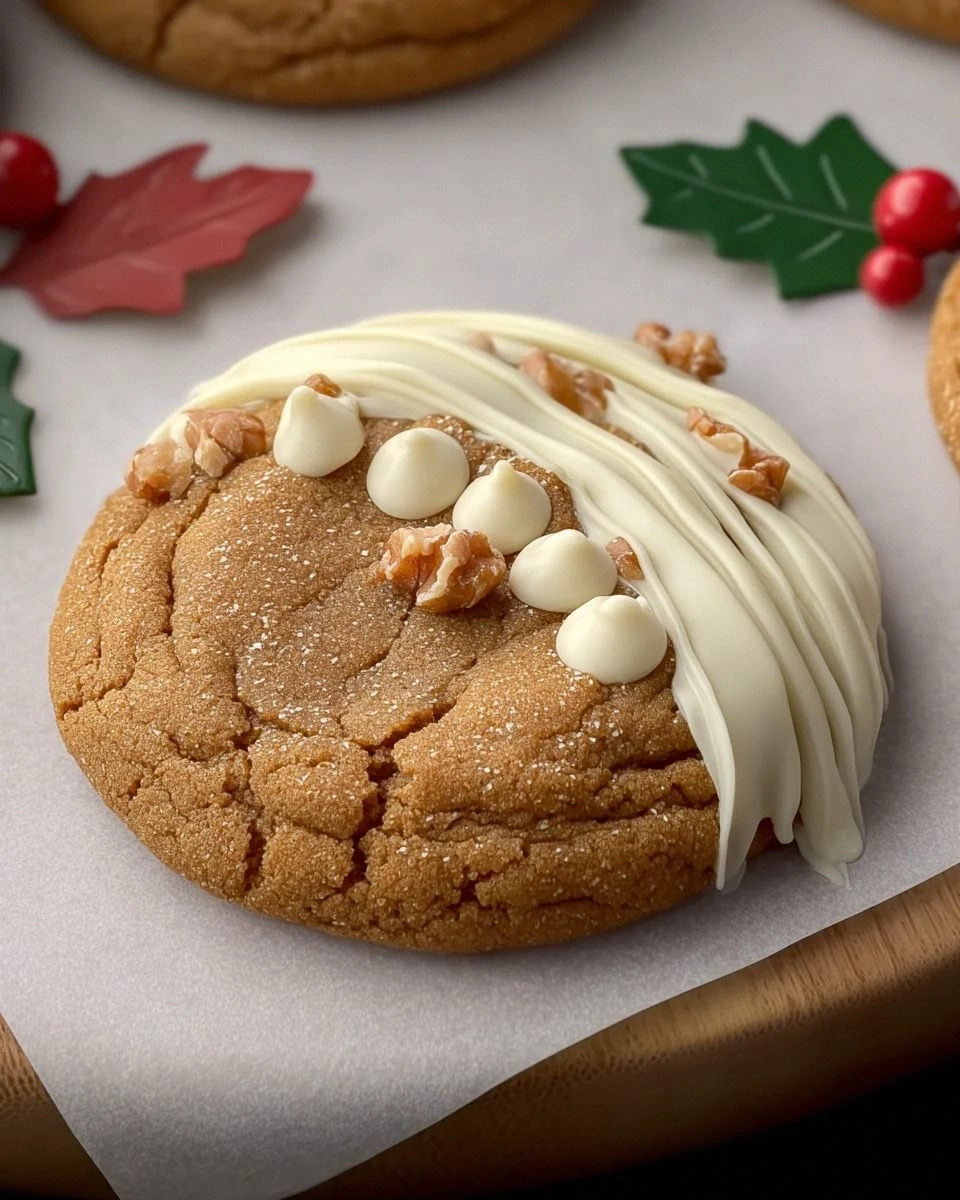
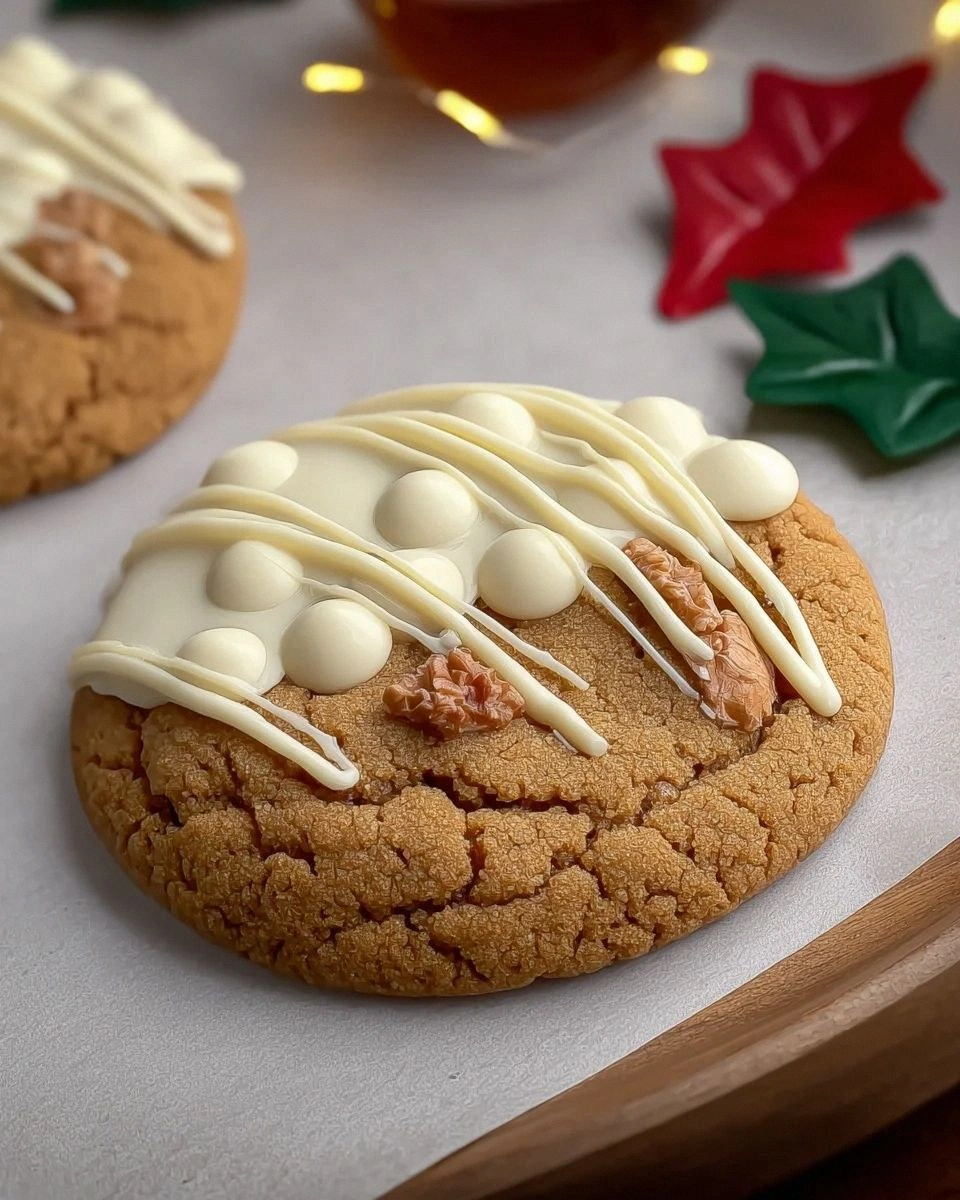
Picture yourself pulling the first tray from the oven: the cookies are puffed and pale, looking almost underdone—perfect. Thirty seconds later they start to sink and crackle, forming those gorgeous crinkly tops that look like winter sidewalks. The white chocolate gleams like fresh snow, and the aroma...listen, if I could bottle that smell and sell it as perfume, I’d be retired on a beach somewhere eating these cookies for breakfast. Let me walk you through every single step—by the end, you'll wonder how you ever made it any other way.
What Makes This Version Stand Out
This isn’t just another maple cookie recipe that tastes like someone dumped a bottle of Mrs. Butterworth’s into basic sugar dough. What we’re making here is the cookie equivalent of curling up by a fireplace while snow falls outside, wrapped in the softest blanket you own, holding a mug of something steamy. Every element has been tested, tweaked, and obsessed over until it hits that perfect balance of nostalgia and pure culinary wow-factor.
- Maple Overload: We reduce real maple syrup into a concentrated elixir, then add a whisper of maple extract to amplify the flavor without that cloying fake sweetness. The result is a cookie that tastes like you’ve been sucking on maple candy since October.
- Chewiest Texture Known to Man: Brown butter, melted white chocolate in the dough, and a higher ratio of brown sugar create that soft-center, crispy-edge magic. I’m talking chew that makes your jaw work in the most satisfying way.
- One-Bowl Wonder: Despite tasting like something from a boutique bakery, the dough comes together in a single bowl with a hand mixer. No stand mixer, no chilling for hours, no finicky steps that make you question your life choices.
- White Chocolate That Actually Melts: We’re using good-quality white chocolate—none of that waxy chip nonsense—and folding in half of it while the dough is still warm so it creates these luscious ribbons throughout.
- Make-Ahead Champion: The dough keeps for three days in the fridge and freezes like a dream for up to two months. Bake from frozen, add two minutes, and you’ve got fresh cookies without the fuss.
- Holiday Crowd-Pleaser: Kids love the sweetness, adults love the complexity, and that one uncle who claims he “doesn’t like sweets” will secretly stuff six in his coat pocket.
Alright, let’s break down exactly what goes into this masterpiece. Spoiler: it’s mostly pantry staples, but treated like VIPs.
Inside the Ingredient List
The Flavor Base
Maple syrup is the diva here, and we treat it like one. Start with dark amber or Grade B if you can find it—that deeper, almost smoky flavor stands up to brown butter and brown sugar without getting lost. You’ll simmer one cup down to a third of a cup, which concentrates the sugars and creates this glossy, mahogany syrup that smells like a cabin in Vermont. Don’t rush this part; low heat, occasional swirl, and patience reward you with liquid gold. If all you have is the lighter Grade A, go ahead, but bump up the maple extract by an extra eighth teaspoon to compensate.
Brown butter is our second flavor bomb. You’re cooking the milk solids until they’re the color of hazelnuts and smell like toasted nuts dipped in caramel. Strain it if you want pristine dough, but I leave those flecks in—they add specks of toasty flavor that read almost like maple sugar crystals. Let it cool until it’s thick but still liquid; too hot and it’ll scramble the egg, too cold and you’ll get hard lumps swimming in your dough.
The Texture Crew
Most cookie recipes lean heavy on granulated sugar for crisp edges, but we’re flipping the ratio here: two parts brown sugar to one part white. The molasses in brown sugar grabs moisture and keeps these cookies bendy for days. Light or dark brown both work; dark gives you a deeper, almost treacly note that plays beautifully with maple. White sugar still makes an appearance—its job is to help those edges caramelize into delicate lacy rims that shatter under your teeth.
All-purpose flour gets sifted with a whisper of cornstarch, our secret weapon for tenderness. Cornstarch interferes with gluten development so you get that short, melt-away quality without the cookies crumbling into dust. Baking soda rather than powder gives us the spread; it reacts with the brown sugar’s acid, lifting the centers just enough before setting into chewy perfection. And salt—don’t skimp. A full half-teaspoon might seem aggressive for a sweet cookie, but it sharpens all the warm flavors and keeps the sweetness from cloying.
The Unexpected Star
White chocolate walks a fine line between luxurious and sickly sweet, so we’re using it strategically. Buy bars, not chips—look for cocoa butter high on the label, not palm oil. Chop half of it into rough shards that will melt into creamy veins, and leave the rest as chunks for pops of sweetness. The warm dough partially melts the shards, creating marbled streaks that look like winter frost when the cookies cool. If white chocolate isn’t your jam, swap in caramelized white chocolate (blond chocolate) for deeper toasty notes, or go rogue with butterscotch chips.
Egg yolk, not the whole egg, is my chewy-cookie secret. One lonely yolk adds fat and emulsifiers without extra water, so the cookies stay dense and fudgy rather than cakey. Save the white for meringue or scrambled eggs tomorrow morning. Vanilla extract is non-negotiable—go for the good stuff. Cheap vanilla tastes medicinal against all that maple richness, and we’re not here for that.
The Final Flourish
Maple extract is optional but transformative. A quarter-teaspoon amplifies the real syrup without veering into artificial territory. Look for natural versions, usually sold in tiny bottles near the spices; it’s pricey but you’ll use drops at a time. Skip imitation maple flavoring unless you enjoy cookies that taste like a scratch-and-sniff sticker. And if you can’t find it, substitute with a tablespoon of dark rum or bourbon—different direction, but that boozy note marries beautifully with maple and brown butter.
Everything's prepped? Good. Let's get into the real action...
The Method — Step by Step
- Start with the maple reduction because it needs to cool. Pour one cup of maple syrup into a small saucepan—light-colored so you can watch the color change. Bring it to a gentle simmer over medium-low heat; you want lazy bubbles, not a rolling boil that splatters like lava. Swirl the pan every couple of minutes—never stir with a spoon, which can cause crystallization. After about 12 to 15 minutes the syrup will have reduced to roughly a third of a cup, thick enough to coat a spatula like loose caramel. Remove from heat, pour into a heat-proof jar, and let it cool while you brown the butter.
- In the same saucepan—because who needs extra dishes—add one cup of unsalted butter cut into chunks. Melt over medium heat, then crank to medium-high. The butter will foam, sputter, and eventually quiet as the water cooks off. Swirl constantly once the milk solids start turning golden; they go from nutty-brown to bitter-black fast. When you smell toasted hazelnuts and see amber flecks on the bottom, pull it off heat and pour into a mixing bowl to stop the cooking. You need eight tablespoons (one stick) of finished brown butter for the dough; if you come up short, top off with regular melted butter. Let it cool until warm, not hot—about five minutes.
- Add both sugars to the warm brown butter and whisk until it looks like wet sand at the beach—slick, glossy, no gritty lumps. The heat helps dissolve some of the sugar, creating that shiny crackly top once baked. Whisk in the egg yolk and vanilla; the mixture will loosen and turn satiny. Finally, stream in your cooled maple reduction—it should ribbon off the whisk like warm caramel. If the syrup is still hot, patience, young padawan; wait another minute or two so you don’t scramble the yolk.
- In a separate small bowl, whisk together flour, cornstarch, baking soda, and salt. Aerating the dry ingredients prevents streaky pockets of leavener, which can taste metallic. Dump the flour mix into the wet and fold with a spatula until you see only a few streaks of flour. Add the chopped white chocolate—half finely shredded, half chunky—and fold just until the flour disappears. Over-mixing develops gluten and you’ll end up with hockey pucks instead of chewy clouds.
- Preheat your oven to 325°F (yes, lower than usual) and line two baking sheets with parchment. The lower temp gives the sugars time to caramelize without over-browning the bottoms. Scoop heaping tablespoons of dough—I use a #40 disher—onto the sheets, spacing them two inches apart. These cookies spread more than your average holiday cut-out, so give them room to do their thing. For extra photogenic tops, press a few white-chocolate chunks on the surface of each dough ball; they’ll melt into glossy puddles.
- Slide the tray into the center of the oven and bake for 11 to 13 minutes. They’ll look underdone in the middle with pale, puffed centers and barely golden edges—this is your cue to pull them. They continue cooking on the hot sheet for another two minutes, settling into those gorgeous crinkly tops. If you like your cookies on the crispy edge spectrum, give them an extra minute, but set a timer because they turn dark quickly. Rotate the tray halfway through if your oven heats unevenly; mine runs hot in the back left corner like it’s got a personal vendetta.
- Cool on the sheet for five minutes—no more, no less—then transfer to a wire rack to finish. During those five minutes, the centers collapse into chewy middles while the bottoms set enough to move without tearing. The kitchen will smell so good your neighbors might accidentally knock on your door. I dare you to taste one warm; the molten white chocolate will burn your tongue and you’ll go back for seconds anyway.
- Repeat with remaining dough. If you only own one sheet pan, rinse it under cold water to cool it down between batches. Hot pans melt the dough too fast, causing cookies to spread into one giant sheet. Yes, I learned that the hard way after producing a single cookie the size of a small pizza. It still tasted great, but presentation points were low.
- Once fully cooled, store in an airtight container at room temp for up to five days. Between you and me, they rarely last past day two in my house. The texture actually improves overnight as the maple syrup redistributes moisture, turning the centers even fudgier. If they do stiffen up, pop one in the microwave for five seconds and it’s back to fresh-baked glory.
That's it—you did it. But hold on, I've got a few more tricks that'll take this to another level...
Insider Tricks for Flawless Results
The Temperature Rule Nobody Follows
Room temperature ingredients sound fussy, but they matter here. Cold egg yolk won’t emulsify properly into the warm butter, leaving you with greasy puddles instead of cohesive dough. Pull your egg out 30 minutes ahead, or if you’re impatient (hi, me), submerge it in lukewarm tap water for five minutes. Same goes for the maple reduction; if it’s hot, it’ll melt the butter and make the dough oily. Lukewarm is the sweet spot—think baby-bottle temperature.
Why Your Nose Knows Best
Brown butter color can trick you under dim kitchen LEDs. Trust your nose more than your eyes; when it smells like you’re standing over a bag of toasted hazelnuts, kill the heat even if the solids look pale. They’ll continue darkening from residual heat. If you wait until they’re mahogany in the pan, they’ll taste bitter by the time they cool. And scrape every last fleck into your bowl—those toasted milk solids carry nutty flavor bombs.
The 5-Minute Rest That Changes Everything
After mixing the dough, let it rest for five minutes before scooping. This brief pause hydrates the flour and dissolves the sugars, resulting in a thicker, glossier dough that spreads just the right amount. Skip the rest and you’ll get wide, lacy cookies that crisp too thin. I set a timer and wipe down the counter—productive procrastination at its finest.
Chocolate Chunk Strategy
Save the prettiest white-chocolate chunks for pressing on top of each dough ball right before baking. They melt into glossy pools that set like icing and make the cookies look bakery-case perfect. The finely chopped stuff goes inside for even distribution; the show-off pieces go on display. A friend tried skipping this step once—let’s just say her Instagram engagement was tragic.
Salting the Tops
Right after baking, while the cookies are still hot and soft, sprinkle the tiniest pinch of flaky sea salt on each. The crystals dissolve partially, leaving little glints of crunch and amplifying the maple sweetness without making the cookies taste salty. Maldon is my go-to, but any coarse salt works. Skip table salt—it dissolves too fast and can create weird salty spots.
Creative Twists and Variations
This recipe is a playground. Here are some of my favorite ways to switch things up:
Pecan Pie Mash-Up
Fold in ¾ cup toasted chopped pecans along with the white chocolate. The nuts toast further as the cookies bake, tasting like candied pecans embedded in maple dough. Drizzle cooled cookies with a quick glaze of maple syrup and powdered sugar for that sticky pecan-pie vibe without the corn-syrup hangover.
Dark Chocolate Rebel
Swap half the white chocolate for chopped bittersweet (70%). The bitter cocoa plays off maple’s sweetness like a dark roast coffee with a pancake breakfast. Sprinkle tops with cacao nibs before baking for extra crunch and a hint of espresso-like bitterness that keeps grown-ups reaching for more.
Spiced Orange Winter
Add ½ teaspoon ground cardamom and the zest of one orange to the wet ingredients. Cardamom’s citrusy warmth hugs maple like a cozy scarf, while orange zest brightens the whole profile. Your kitchen will smell like a Scandinavian holiday market, and you’ll find yourself humming carols even if you’re usually the grumpy Grinch type.
Gluten-Free, Not Taste-Free
Sub in a 1:1 gluten-free baking blend (I like King Arthur’s). Add an extra two tablespoons of cornstarch to mimic the missing gluten’s chew. The result is so close to the original that my celiac friend cried—actual tears—because she hadn’t had a cookie this good since childhood.
Breakfast Sandwich Edition
Spread cooled cookies with a thin layer of cream cheese frosting and sandwich two together. Freeze for 20 minutes to set, then slice into quarters. Instant fancy dessert that looks like you spent hours. I’ve served these at brunch parties and watched guests lose their minds.
Bourbon Bacon Indulgence
Replace one tablespoon of maple reduction with bourbon. Fold in ½ cup crumbled candied bacon along with the chocolate. Salty, sweet, smoky, boozy—basically everything that makes life worth living packed into one cookie. Fair warning: they disappear faster than you can say “holiday weight gain.”
Storing and Bringing It Back to Life
Fridge Storage
Keep baked cookies in an airtight container at room temperature for up to five days. Layer sheets of parchment between rows so they don’t stick. If your kitchen runs warm, stash them in the fridge; just bring to room temp before serving or they’ll taste dull. A quick 5-second microwave zap revives the chew and re-melts the white-chocolate pockets.
Freezer Friendly
Freeze dough balls on a sheet pan until solid, then toss into a zip-top bag for up to two months. Bake straight from frozen—no thawing—adding an extra two minutes to the bake time. Frozen dough keeps the cookies thick and bakery-style. Already-baked cookies also freeze beautifully; wrap pairs in plastic, then foil, and thaw on the counter for 20 minutes or microwave for 10 seconds.
Best Reheating Method
Oven beats microwave for texture, but who has 10 minutes? My compromise: microwave one cookie for 5 seconds, then pop it into a 300°F oven for 3 minutes. The microwave jump-starts the gooey center; the oven restores the crisp edges. Add a tiny splash of water to the container before microwaving—steam brings back that fresh-baked softness without drying the cookie into a hockey puck.