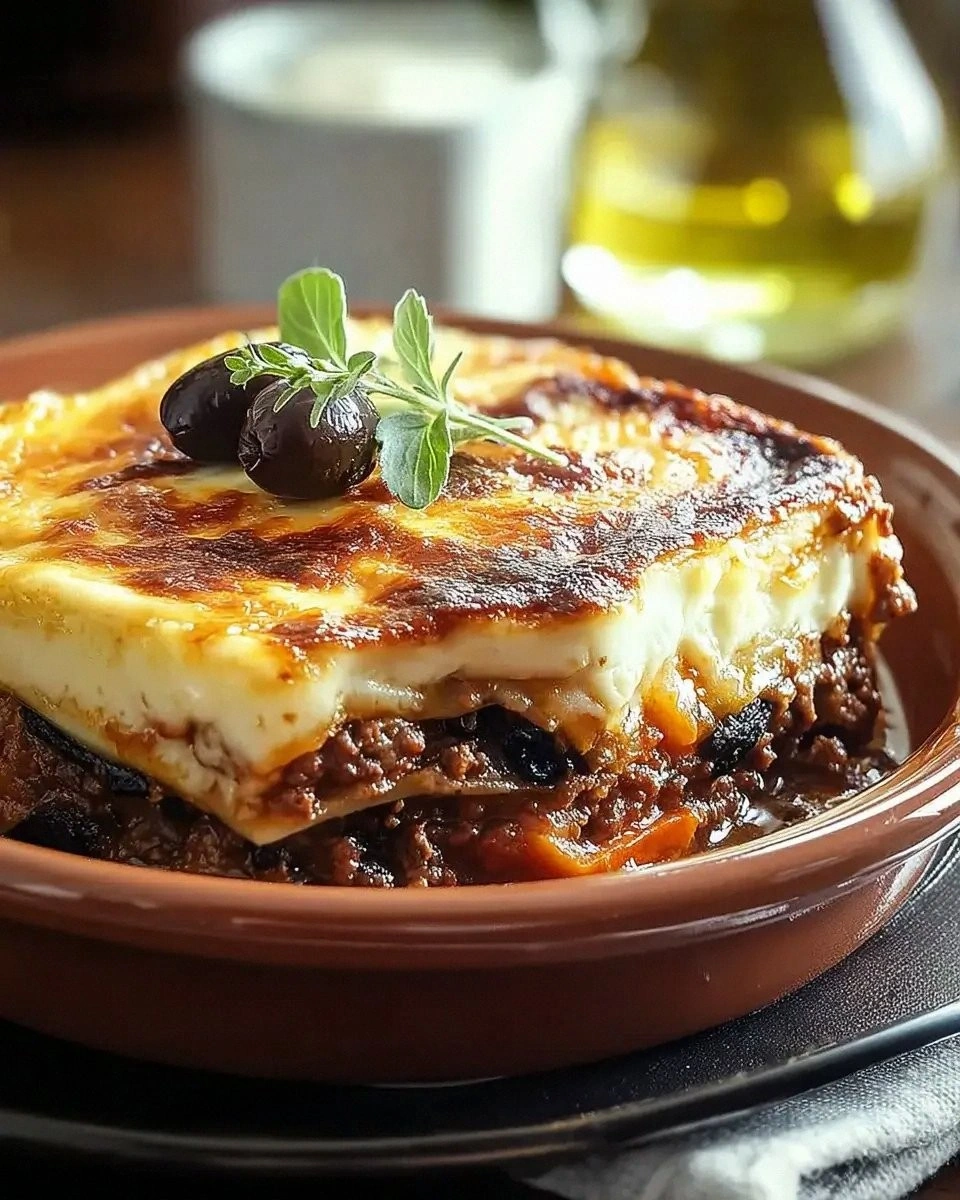
Picture this: a rainy Saturday, the fridge full of wilted basil, a half‑baked pizza from last night, and a stubborn craving that refuses to let you sleep. I was staring at my kitchen counter, feeling the weight of culinary mediocrity, when I decided to flip the script and turn that ordinary pizza into something that feels like a spell. I grabbed fresh basil, a handful of pine nuts, and a splash of olive oil, and the kitchen suddenly smelled like a summer garden even though it was still winter. That first whiff of green was a promise that something extraordinary was about to happen.
The moment I spread the pesto across the dough, the aroma turned from ordinary to otherworldly. It was a green, fragrant blanket that seemed to hug every inch of the crust, like a velvet cloak. The sound of the dough being rolled out was a soft hiss, almost like the whisper of a secret. When I slid the pizza into the oven, the heat kissed the edges, turning them a golden amber that crackled softly—like tiny fireworks of flavor. Every bite was a burst of fresh basil, nutty pine, and creamy Parmesan, balanced by the sharp tang of lemon and the gentle heat of garlic. I swear the taste was so rich that I almost didn’t want to finish it.
This isn’t just a pizza; it’s a culinary incantation that turns an ordinary evening into a feast for the senses. The secret? A perfectly balanced pesto that coats the dough like a spellbinding cloak, a crust that’s crispy yet chewy, and a topping that adds a fresh, herbal zing that lingers long after the last bite. Most recipes get the pesto too watery or the crust too soggy, but I’ve cracked the code to keep everything just right. And the best part? You can make this at home with ingredients you probably already have.
I dare you to taste this and not go back for seconds. This is hands down the best version you’ll ever make at home, and I’ll be honest—after the first slice I ate half the batch before anyone else even got a chance. Picture yourself pulling this out of the oven, the whole kitchen smelling incredible, and the first bite sending a wave of flavor that makes your taste buds dance. Okay, ready for the game‑changer? Let me walk you through every single step—by the end, you’ll wonder how you ever made it any other way.
What Makes This Version Stand Out
- Taste: The pesto is a vibrant green that bursts with basil, lemon, and pine nut flavors, turning each bite into a fresh garden experience.
- Texture: The crust is a perfect balance of crispy edges and chewy center, thanks to a slightly higher gluten content and a quick pre‑bake.
- Uniqueness: The addition of a balsamic glaze drizzle after baking gives a sweet‑acidic finish that sets this pizza apart.
- Ingredient Quality: Using fresh, organic basil and high‑quality olive oil elevates the entire dish.
- Crowd Reaction: Friends who have tried it say it’s “the best homemade pizza” and they’re still talking about it weeks later.
- Simplicity: The recipe requires just one dough and one sauce, no fancy equipment or complicated steps.
- Make‑ahead Potential: You can prepare the dough and pesto a day ahead; the pizza still turns out fresh and flavorful.
- Visual Appeal: The bright green pesto and ruby cherry tomatoes create a stunning contrast that’s Instagram‑ready.
Alright, let’s break down exactly what goes into this masterpiece…
Inside the Ingredient List
The Flavor Base
The foundation of this pizza is the dough—a simple mix of flour, water, yeast, salt, olive oil, and a touch of sugar to feed the yeast. The key here is to use a flour with a higher protein content (like bread flour) to give the crust that chewy bite. If you’re using all‑purpose flour, add a tablespoon of vital wheat gluten to mimic the structure. Skipping the yeast will result in a flat, dense crust that can’t hold the sauce.
The Texture Crew
The pesto is the texture crew, blending basil, pine nuts, Parmesan, garlic, lemon juice, and olive oil into a silky sauce. The pine nuts add a subtle crunch that’s audible in each bite, while the Parmesan provides a savory depth that balances the bright basil. If you’re short on pine nuts, toasted walnuts or almonds can work as a substitute, though the flavor will shift slightly. Remember: a good pesto should coat the dough like a velvet blanket, not run off like a thin sauce.
The Unexpected Star
The cherry tomatoes are the unexpected star that pops with juicy sweetness when they melt into the warm pizza. Their acidity cuts through the richness of the cheese and pesto, providing a bright counterpoint. If you prefer a less sweet option, replace them with roasted red peppers for a smoky note. The arugula added after baking delivers a peppery crunch that keeps the pizza from becoming too heavy.
The Final Flourish
A drizzle of balsamic glaze after baking adds a sweet, tangy finish that ties all the flavors together. The glaze caramelizes slightly on the hot surface, creating a glossy sheen that’s as pleasing to the eye as it is to the palate. If you don’t have balsamic glaze, a few drops of aged balsamic vinegar will do, but the glaze’s reduced thickness gives it that perfect, syrupy consistency.
Everything's prepped? Good. Let's get into the real action…
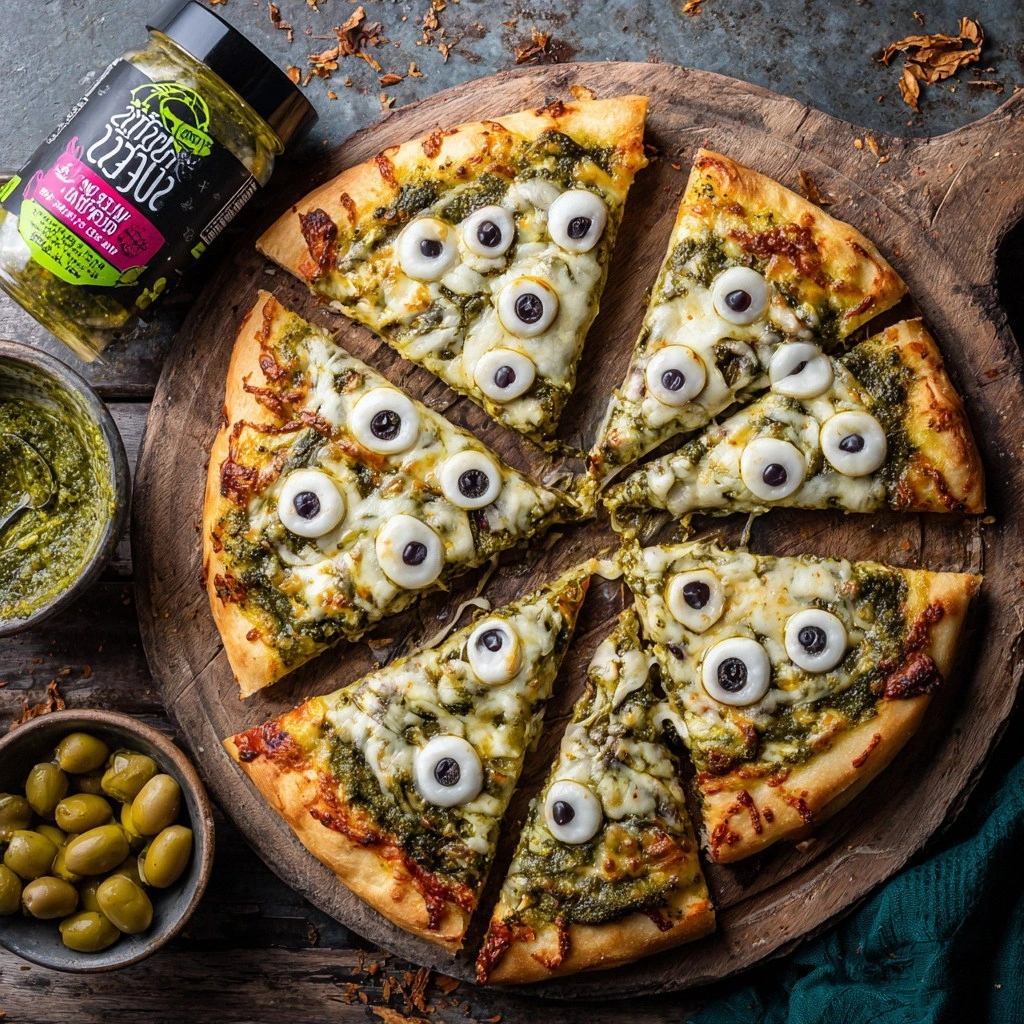
The Method — Step by Step
- Step 1: Prepare the dough. In a large bowl, combine 3 cups flour, 1 tsp sugar, 1 tsp salt, and 1 tsp active dry yeast. Add 1 cup warm water (about 110°F) and 1 tbsp olive oil. Mix until a shaggy dough forms, then knead on a floured surface for about 8 minutes until smooth and elastic. Cover with a damp towel and let rise in a warm spot for 1 hour, until doubled in size. I’ve found that a slightly warmer room accelerates yeast activity, giving the crust a lighter crumb.
- Step 2: Make the pesto. In a blender or food processor, combine 1 cup fresh basil leaves, 1/4 cup pine nuts, 1/4 cup grated Parmesan, 2 cloves garlic, the zest of 1 lemon, and 1 tbsp salt. Pulse until coarsely chopped, then slowly drizzle in 1/2 cup olive oil while the machine runs. Add the juice of one lemon and a pinch of pepper, then pulse again until silky. The pesto should be thick enough to coat the dough without dripping. If it’s too thick, add a tablespoon of warm water to loosen it.
- Step 3: Shape the dough. Punch down the risen dough and divide it into two equal portions for a 12‑inch pizza. Roll each portion on a floured surface into a 12‑inch circle, then transfer to a parchment‑lined baking sheet. This step is crucial; a thin base ensures the pizza cooks evenly. Kitchen Hack: Lightly dust the surface with semolina flour before rolling to prevent sticking and give a slightly crunchy edge.
- Step 4: Pre‑bake the crust. Preheat your oven to 425°F (220°C) with a pizza stone inside for at least 30 minutes. Slide the dough onto the stone and bake for 8 minutes until the crust just starts to set. This pre‑bake locks in moisture and gives you a crisp edge that won’t become soggy when you add toppings.
- Step 5: Add the pesto. Spread the pesto evenly over the pre‑baked crust, leaving a 1‑inch border for the crust. The pesto should coat the dough like a green velvet. Watch out: if you spread it too thin, the pizza will taste bland; too thick and it may overpower the cheese.
- Step 6: Layer the cheese. Sprinkle 2 cups shredded mozzarella evenly over the pesto. The cheese should melt into the pesto, creating a gooey, golden layer. I recommend using part‑moist mozzarella for maximum stretch.
- Step 7: Add the tomatoes. Distribute 1 cup halved cherry tomatoes across the pizza. Their juice will mingle with the cheese, creating a subtle glaze. Kitchen Hack: Toss the tomatoes with a pinch of salt before adding; this draws out their moisture and intensifies their flavor.
- Step 8: Final bake. Return the pizza to the oven and bake for an additional 12–15 minutes, until the cheese is bubbly and the crust edges are golden brown. The aroma at this point is irresistible, like a fragrant forest after rain.
- Step 9: Drizzle balsamic glaze. Remove the pizza and immediately drizzle 2 tbsp balsamic glaze over the top. The glaze will caramelize slightly, giving a glossy finish. The sweet‑acid balance will lift the pesto’s herbal notes.
- Step 10: Finish with arugula. Toss 1 cup fresh arugula in a little olive oil and scatter it over the hot pizza. The heat will wilt the greens slightly, releasing their peppery aroma. Slice, serve, and enjoy the symphony of flavors.
That’s it— you did it. But hold on, I’ve got a few more tricks that will take this to another level…
Insider Tricks for Flawless Results
The Temperature Rule Nobody Follows
Many people bake at a lower temperature, but I’ve found that a high heat (425°F) is essential for a crisp crust. The high temperature caramelizes the sugars in the dough and creates that coveted crunch. If your oven doesn’t go that high, try pre‑heating a pizza stone for 45 minutes to mimic the intense heat.
Why Your Nose Knows Best
Smell is your best judge of doneness. When the crust is ready, it should emit a toasty, nutty aroma that’s almost intoxicating. If the scent is faint, give it a few more minutes. A strong, fragrant aroma indicates that the cheese is melted to perfection.
The 5‑Minute Rest That Changes Everything
After removing the pizza from the oven, let it rest for 5 minutes before cutting. This allows the cheese to set, preventing a greasy mess. It also lets the flavors meld together, giving each bite a harmonious balance.
Keep It Fresh with the Right Storage
If you’re making this ahead, wrap the dough tightly in plastic wrap and refrigerate for up to 24 hours. For the finished pizza, store in an airtight container in the fridge for up to 3 days. Reheat in a skillet over medium heat for 3–4 minutes to revive the crispness.
Use the Right Knife
A sharp, serrated pizza cutter gives clean slices without crushing the cheese. A dull blade will tear the pizza and create uneven edges. I always keep a good pizza cutter on hand; it’s a small investment that pays off every time.
Creative Twists and Variations
This recipe is a playground. Here are some of my favorite ways to switch things up:
Smoky Chipotle Pesto
Add a teaspoon of chipotle powder to the pesto for a smoky kick. The heat pairs beautifully with the basil’s freshness, creating a bold, adventurous pizza that’s perfect for game night.
White Garlic Parmesan
Swap the mozzarella for a blend of part‑moist mozzarella and part‑hard Parmesan for a richer, less chewy cheese. The extra Parmesan adds depth, and the garlic in the sauce keeps it bright.
Greek Twist
Replace the basil with a mix of spinach and mint, and add feta cheese instead of mozzarella. Top with kalamata olives and a drizzle of olive oil for a Mediterranean flair.
Veggie Supreme
Add sliced zucchini, bell pepper, and black olives to the toppings. The vegetables add color, crunch, and a burst of flavor that makes the pizza more filling.
Breakfast Pizza
Use a scrambled egg mixture as a topping, along with a sprinkle of chives. This transforms the pizza into a hearty breakfast that’s both fun and delicious.
Storing and Bringing It Back to Life
Fridge Storage
Wrap the leftover pizza tightly in plastic wrap or place it in an airtight container. Store in the refrigerator for up to 3 days. The crust will soften slightly, but the flavors remain intact.
Freezer Friendly
For longer storage, place the pizza slices in a single layer on a parchment‑lined tray and freeze. Once frozen, transfer to a freezer bag. This method preserves the texture better than whole‑pizza freezing.
Best Reheating Method
To revive the pizza, preheat a skillet over medium heat and place the slice in the pan. Cover for 2 minutes to melt the cheese, then remove and let it rest for a minute. Add a splash of water to the pan before covering; the steam will keep the crust from drying out. The result is a pizza that tastes almost freshly baked.